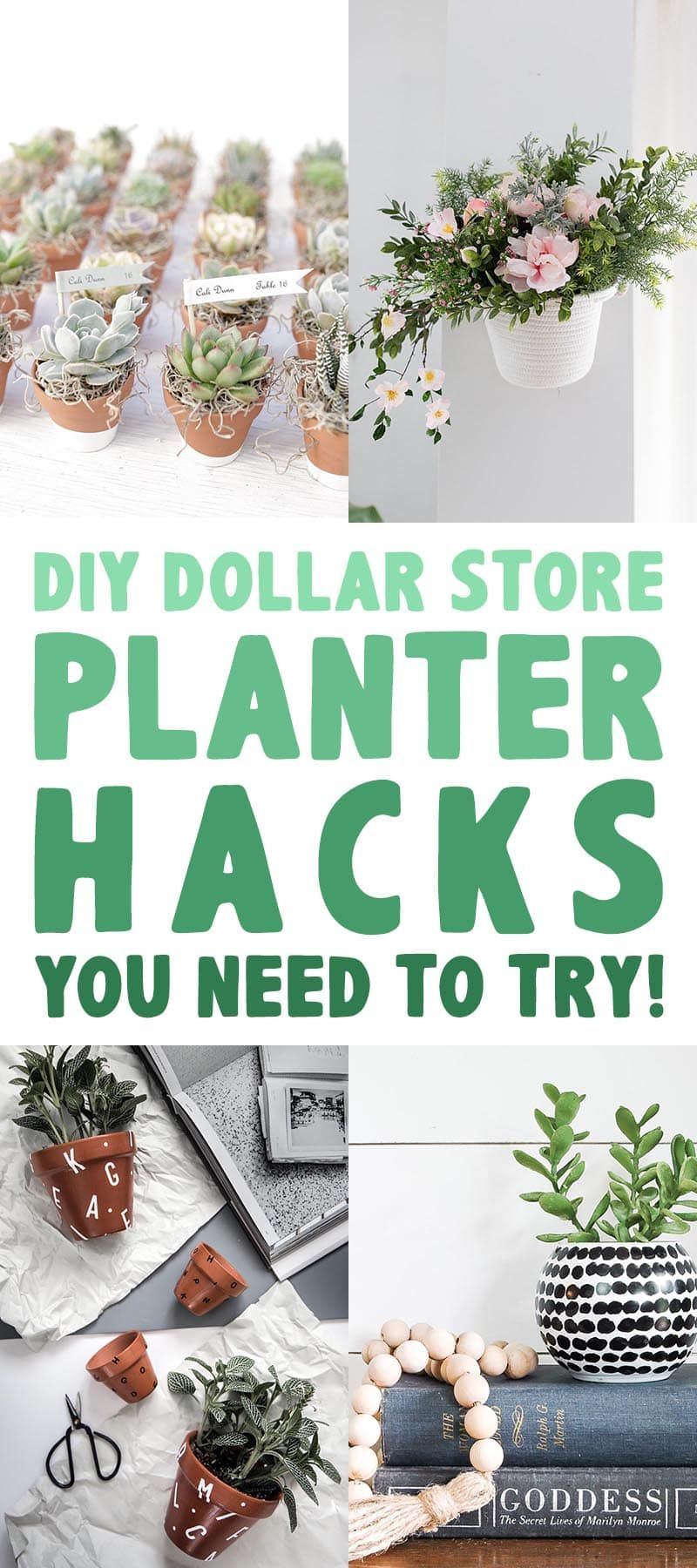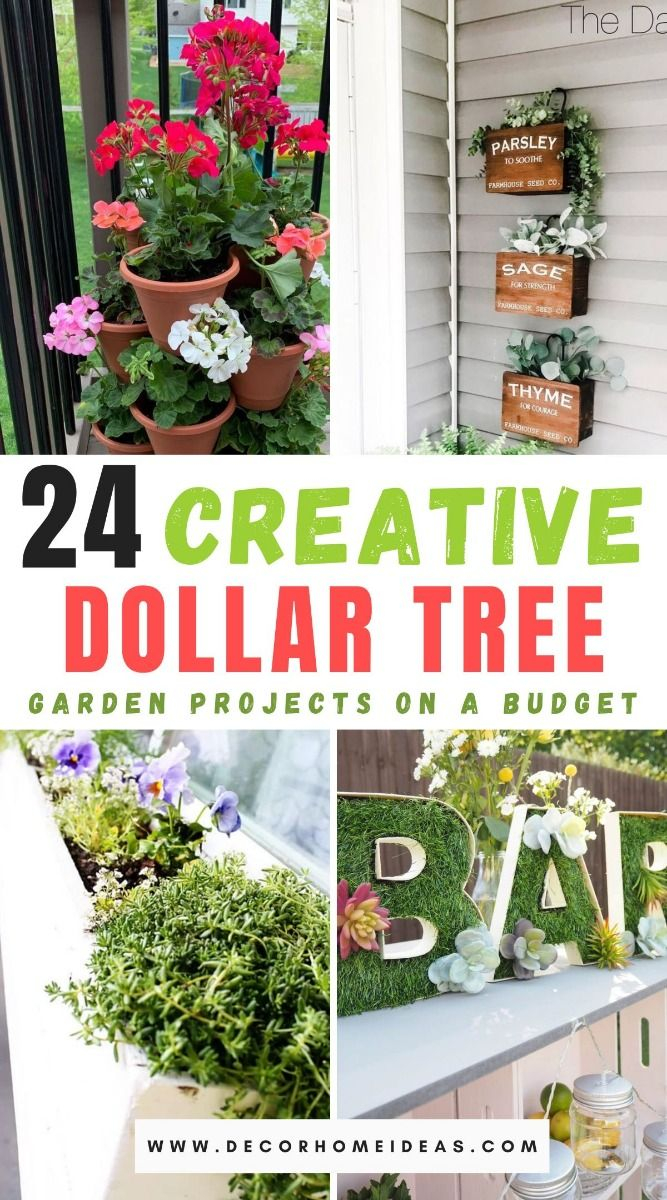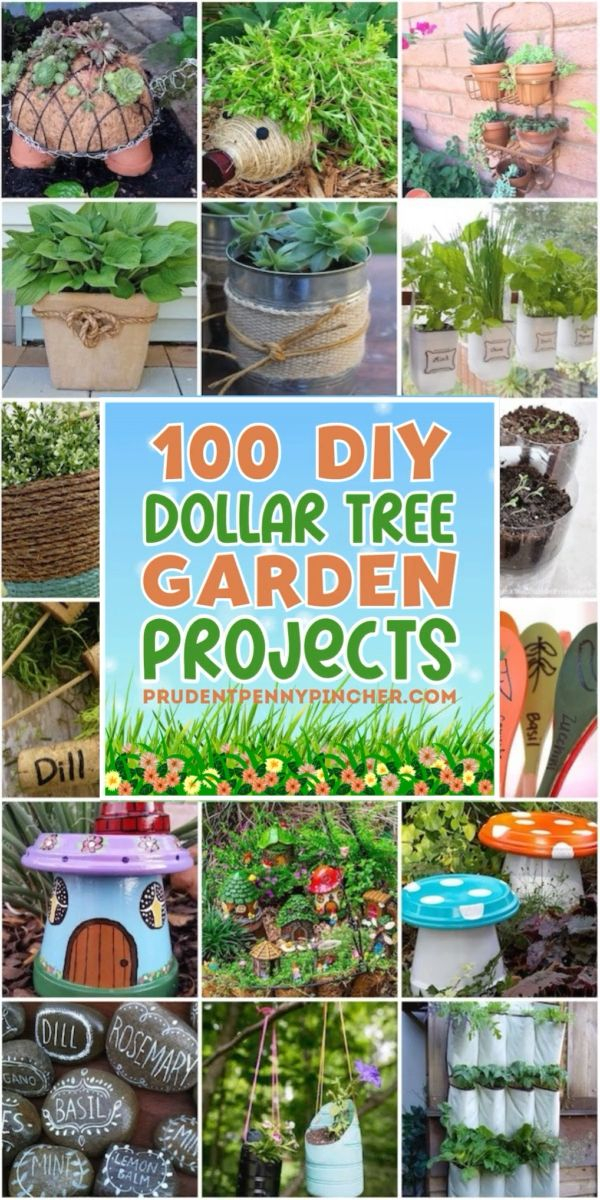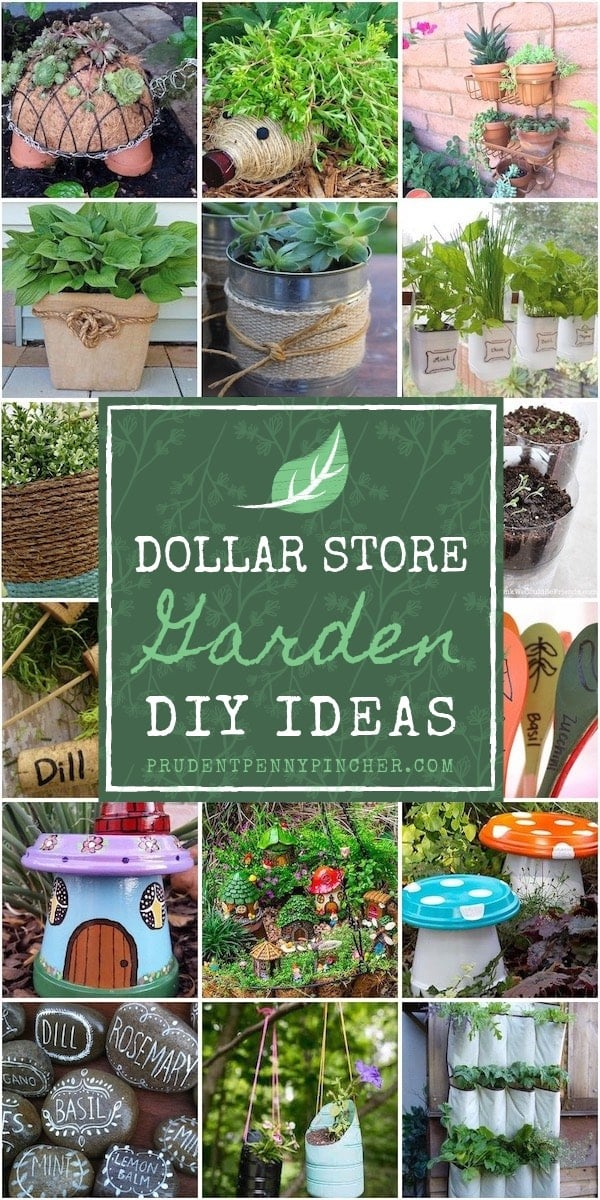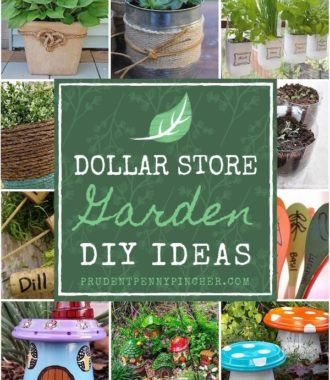

Ever walked past a garden center and felt your wallet shiver? It happens to the best of us. We all want that lush, magazine-worthy oasis, but the price tags on ceramic pots and designer trellises can feel like a personal attack. But here’s the secret nobody tells you: you don’t need a fortune to make your outdoor space sing. You just need a little creativity and a trip to the dollar store.
In 2026, gardening isn’t just about what you grow; it’s about how you express yourself without going broke. The aisles of stores like Dollar Tree have changed. They aren’t just for party supplies anymore. They are treasure troves for the savvy gardener. With inflation still biting at our heels, finding ways to beautify our homes for under twenty dollars isn’t just smart—it’s necessary. And honestly? It’s more fun. There is a unique joy in looking at a plastic bin and seeing a raised bed, or staring at a pool noodle and envisioning a plant protector.
This isn’t about making your garden look "cheap." It’s about resourcefulness. It’s about taking the mundane and making it magical. Whether you have a sprawling backyard or a tiny balcony, these tricks work. We are diving deep into the specific finds of 2026 that are actually worth your time. No fluff. Just real, actionable ideas that cost less than a lunch out. Let’s get our hands dirty.
The Rise of the Thrifty Gardener in 2026
Gardening has shifted. It used to be a hobby for those with disposable income. Now, it’s a lifeline. A sanctuary. In early 2026, reports showed a massive spike in DIY garden projects, specifically those focused on upcycling and budget materials. People are tired of waste. They are tired of spending hundreds on plastic pots that crack after one winter. The movement towards "slow gardening" means taking time to build, to create, and to use what we have.
The dollar store has become the unsung hero of this movement. It’s not just about saving money; it’s about accessibility. Everyone has a dollar store nearby. This levels the playing field. You don’t need a specialized nursery. You don’t need a credit card. You need five dollars and an open mind. Recent trends highlight that shoppers are looking for multi-use items. A basket isn’t just a basket; it’s a hanging planter. A shower caddy isn’t just for soap; it’s a vertical herb garden.
This shift is also environmental. By repurposing inexpensive items, we reduce the demand for heavy, resource-intensive garden goods. It’s a small step, but when millions of people do it, it matters. In 2026, being a "green" gardener means being green with your cash too. It’s about ingenuity. It’s about looking at a $1.25 item and seeing its potential. That mindset change is the first step to transforming your space. You stop seeing limitations and start seeing possibilities. And that feels pretty good.
Vertical Wins: Climbing High on a Low Budget
Space is often the biggest enemy of the urban gardener. But up is the only way to go when square footage is tight. Vertical gardening doesn’t require expensive wall systems. In fact, some of the best vertical solutions come from the cleaning aisle. Take the over-the-door shoe organizer. You’ve seen them. Clear plastic pockets. Usually meant for sneakers. But fill those pockets with soil, poke a few drainage holes in the bottom, and you have an instant strawberry tower or herb garden. It costs about $1.25. Hang it on a fence, a wall, or even a sturdy tree branch.
Another 2026 favorite is the tension rod. You know, the kind used for shower curtains? Buy two or three. Place them horizontally between two posts or walls. Then, hang S-hooks (also from the dollar store) from the rods. You can dangle baskets, potted plants, or even tools. It creates layers of green without drilling a single hole. It’s renter-friendly and incredibly cheap. A whole setup can cost under ten dollars if you shop smart.
Don’t forget the humble ladder. Old wooden ladders are trendy, but new ones are pricey. Instead, look for small, decorative step stools or even stackable crates. Paint them a uniform color—maybe a crisp white or a deep charcoal—to make them look intentional. Stack them up and place pots on each level. It draws the eye upward and makes a small corner feel like a destination. The key here is density. Pack those vertical spaces with trailing plants like pothos or ivy. It creates a curtain of green that hides ugly fences or walls. Simple. Effective. Cheap.
Container Creativity: Beyond the Terracotta Pot
Let’s talk about pots. Traditional terracotta is beautiful, but it breaks. And it’s heavy. Plastic nursery pots are ugly. The solution? The kitchen and bath sections of the dollar store. Metal buckets are having a moment. Grab a galvanized-style bucket (often found in the cleaning or hardware section) and drill some holes in the bottom. Instant chic planter. They look industrial and modern. Pair them with bright flowers for a pop of contrast. For under two dollars, you have a vessel that lasts for years.
Then there are the plastic storage bins. The clear ones? Perfect for creating mini-greenhouses. Put your seedlings inside, close the lid, and you have a humidity-controlled environment. But they also make great self-watering planters. Cut the top off a large bin. Flip the top part upside down and place it inside the bottom. Fill the bottom with water, put soil in the top, and let a wick (an old t-shirt strip works) draw the water up. It’s science, but it’s cheap science.
Baskets are another goldmine. Wicker or woven plastic baskets look warm and inviting. But they rot if you put soil directly in them. The hack? Use them as covers. Keep your plant in its ugly plastic nursery pot, and just set that pot inside the basket. When you need to water, lift the plant out, water it in the sink, and put it back. No mess. No rot. And it looks like you spent fifty dollars on a designer planter. Mix textures. Combine a rough metal bucket with a soft woven basket nearby. Visual interest costs nothing but thought.
Lighting and Ambiance: Glow for Pennies
A garden isn’t just for daytime. As the days get longer in 2026, evening enjoyment becomes key. But outdoor lighting is notoriously expensive. Solar lights used to be junk. They’d flicker and die in a month. But the 2026 crop of dollar store solar lights is surprisingly decent. Look for the ones with separate panels if possible, or the stake lights with larger surface areas on top. Charge them in direct sunlight for a full day before using them. This simple trick extends their life and brightness significantly.
String lights are essential for mood. You can find battery-operated fairy lights in the party section. They aren’t always weatherproof, so here’s the trick: put them inside clear plastic bottles or mason jars. Seal the lid tight. The glass or plastic protects the batteries and wires from rain. Scatter these "jar lights" around your patio or hang them from branches. It creates a whimsical, firefly effect. It’s romantic and safe. No electricity needed. Just swap the batteries every few weeks.
Candles are the oldest trick in the book. But wind is the enemy. Create wind-proof lanterns using glass vases or large drinking glasses. Place a tea light inside. Surround the base with pebbles or sand from the craft section to weigh it down and add texture. Group them in threes on a table or along a pathway. The flicker adds warmth. It makes the space feel alive. For under five dollars, you can light up an entire seating area. It’s not about brightness; it’s about atmosphere. And atmosphere is free if you know where to look.
Tools and Hacks: Working Smarter, Not Harder
Gardening is hard work. But it doesn’t have to hurt your back or your budget. The tool aisle at the dollar store is often overlooked. But you can find basic hand trowels, pruning shears, and gloves. Are they professional grade? No. But for a casual gardener, they work fine. Just clean them after every use to prevent rust. Wipe them down with an oily rag. They will last seasons longer than you expect. If the handles are uncomfortable, wrap them with old bicycle tape or fabric scraps. Custom comfort for pennies.
Watering cans are another easy win. Don’t buy the expensive copper ones. Grab a large plastic pitcher or even a cleaned-out milk jug. Poke holes in the cap for a gentle shower effect. It’s lightweight and easy to store. For larger plants, use a bucket with a spout. Efficiency is key. Carry water where you need it instead of dragging a hose everywhere. It saves time and water.
Organization is part of the tool kit. Use command hooks (or cheap adhesive hooks) to hang tools on a fence or shed wall. Keep them off the ground. This prevents rust and keeps them ready to grab. Use egg cartons for seed starting. They are biodegradable (if they are paper), so you can plant the whole cell in the ground. It reduces transplant shock. These small hacks add up. They make the process smoother. Less frustration means more time enjoying the blooms. And isn’t that the point?
Now for the fun part. The bling. A garden needs personality. Mirrors are a huge trend in 2026 for small spaces. An old, framed mirror from the home decor section can be leaned against a fence. It reflects light and greenery, making the space feel twice as big. Just ensure it’s secure so it doesn’t fall. It creates a illusion of depth. It’s like a window to another world. But be careful of bird collisions; maybe add a decal or keep it low.
Wind chimes add sound. Silence can be heavy. The gentle clatter of metal or wood breaks the monotony. You can make your own using silverware from the kitchen aisle. Tie spoons and forks to a wire hanger. It’s quirky. It’s personal. It sounds like home. Or buy the pre-made ones. They are usually cheap. Hang them where the breeze hits. It turns a static garden into a sensory experience.
Finally, signs and markers. Handwritten labels on popsicle sticks are charming. But you can also use painted rocks. Smooth stones from the craft section. Paint them with names of herbs or flowers. They don’t fade like paper tags. They add color to the soil. Scatter them around. It’s a subtle touch, but it shows care. It shows intention. These small details tie everything together. They make the garden feel finished. Even if you only spent fifteen dollars total. It looks like you tried. And that’s what matters.
So, there you have it. A garden transformation doesn’t require a loan. It requires a look. A new perspective. The dollar store in 2026 is filled with potential. It’s waiting for you to unlock it. Start small. Pick one project. Maybe the vertical herb garden. Maybe the jar lights. See how it feels. Then add another. Before you know it, you’ll have a space that reflects you. A space that breathes. And you’ll have twenty dollars left over for ice cream. Because gardening should be sweet.