
Let’s be honest. Looking at your yard can feel a bit like looking at a blank checkbook you’re afraid to open. You want that lush, inviting space where you can sip coffee in the morning or host friends on weekends. But then you remember the quotes. Oh, the quotes. In 2026, the price of professional landscaping has climbed higher than ever before. Labor shortages, material costs, and supply chain hiccups have all conspired to make hiring a crew feel like a luxury most of us just can’t justify right now.
But here is the good news. You don’t need a massive budget to have a beautiful outdoor space. You just need to know where to spend your sweat equity. Not every task requires a pro. In fact, some jobs are actually better when you do them yourself because you care more about the details than a hired hand rushing to the next job. The trick isn’t doing everything. It’s doing the right things. This guide breaks down exactly how to stretch your 2026 landscaping dollar by picking the projects that offer the biggest bang for your buck—and your back.
Know Where Your Money Goes (And Where It Doesn’t)
Before you buy a single bag of mulch, you need to understand the landscape of costs in 2026. Recent data shows that homeowners are paying significantly more for hardscaping—think patios, retaining walls, and permanent structures—than they did just two years ago. Why? Because these projects require heavy machinery, specialized skills, and expensive materials like stone or pavers. A professional installer might charge anywhere from $15 to $30 per square foot for a basic patio, and that doesn’t even include design fees. If you try to DIY a complex retaining wall without engineering knowledge, you risk collapse, drainage issues, and costly repairs down the line. This is one area where "saving money" often leads to spending double later.
On the flip side, softscaping—the living, breathing part of your yard like plants, soil, and mulch—is where your DIY efforts shine brightest. The labor cost for planting shrubs or spreading mulch is high relative to the material cost. A pro might charge $50 an hour just to move dirt around. But you? You can do it for the price of a few gloves and a strong back. According to 2026 budget guides, simple tasks like edging, mulching, and planting annuals can save you up to 60-70% compared to hiring out. By focusing your budget on high-impact visual changes that don’t require permits or heavy equipment, you keep control over the purse strings.
So, draw a line in the sand. Literally. Identify the "hard" elements that need pros (electrical, major grading, large stone work) and the "soft" elements that are yours to conquer. This separation is the first step in stretching your budget. It prevents you from underestimating a big job and overpaying for a small one. Keep your expectations realistic. You aren’t building a resort. You’re curating a home. And homes are built with love, not just invoices.
The Power of Mulch and Edging: Instant Curb Appeal
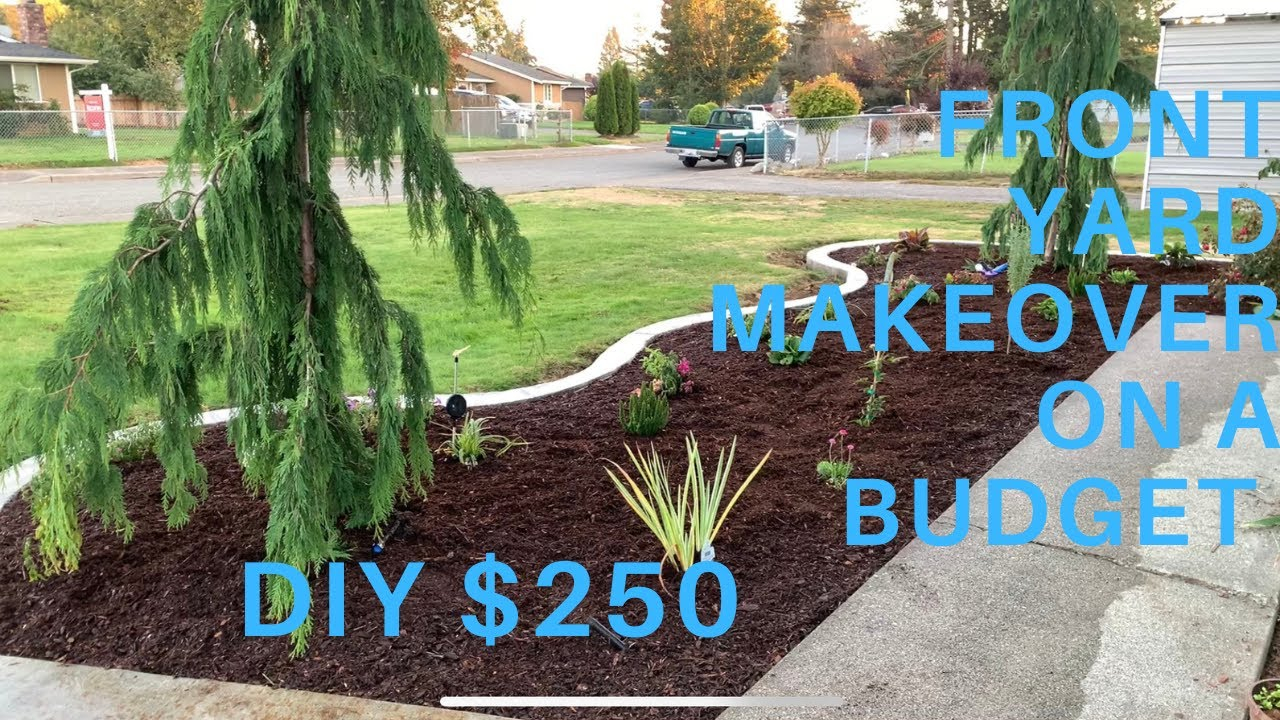
If you want the fastest transformation for the least amount of cash, look no further than mulch and edging. It sounds boring, I know. But trust me, fresh mulch is the makeup of the garden world. It hides sins, evens out tones, and makes green plants pop. In 2026, the cost of bulk mulch has stabilized somewhat, but bagged mulch remains pricey. The smart move? Buy in bulk if you have a truck, or split a load with a neighbor. A cubic yard of mulch covers about 100 square feet at a 3-inch depth. For under $100, you can refresh a decent-sized front bed.
Edging is the secret sauce that makes DIY look pro. Without it, mulch migrates into the lawn, and grass creeps into the beds. It looks messy. Cheap plastic edging often fails after one winter freeze. Instead, opt for metal edging or sturdy steel spikes. They last longer and create a crisp, clean line that screams "intentional design." You can install this yourself with a rubber mallet and a level. It takes time, sure. But the result is a polished look that elevates the entire property value perception. Yardcast.ai notes that edging and mulching are among the top ROI activities for front yards under $500.
Don’t forget the weeds. Before you lay that fresh mulch, pull every weed. Yes, every single one. If you skip this step, you’re just giving them a cozy blanket to grow under. Use a natural herbicide or boil water for cracks in driveways. Then, lay down a cardboard barrier if you’re on a super-tight budget, or use landscape fabric for longer-lasting protection. Top it with 2-3 inches of mulch. Not too thick, or you’ll suffocate the plant roots. This simple combo of clean edges, weed-free beds, and fresh mulch can make your house look like it got a professional makeover for a fraction of the cost.
Plant Smart: Natives and Divisions Over Nursery Buys
Plants are the heart of your landscape, but they’re also the biggest budget black hole if you’re not careful. Walking into a big-box nursery in spring 2026 can be shocking. A single ornamental tree can cost $200+. Shrubs run $30-$50 each. If you need twenty of them, you’re looking at a thousand dollars before tax. Ouch. The solution? Go native and go small. Native plants are adapted to your local climate, meaning they need less water, less fertilizer, and less coddling. They survive better and thrive faster. Plus, many local conservation groups or native plant societies offer sales or even free swaps in the spring.
Another golden rule: start small. Buy the "quart" size plants instead of the gallon or five-gallon pots. A quart-sized perennial might cost $4, while the same plant in a five-gallon pot is $25. Yes, it looks tiny. But most perennials double or triple in size within a single growing season. Give them a year, and you won’t even remember they were small. This patience saves you hundreds. Also, look for "plugs" or bare-root plants online. They ship cheaply and establish quickly if planted in the right season.
Don’t underestimate the power of division. If you have friends or neighbors with overgrown hostas, daylilies, or ornamental grasses, ask for divisions. Most gardeners are happy to give away extras because their own plants are choking each other out. You get free plants, they get a healthier garden. It’s a win-win. Swap cuttings, trade seeds, and join local gardening groups on social media. The community aspect of gardening in 2026 is stronger than ever, with people eager to share resources. By leveraging these networks, you can fill your beds with mature, healthy plants for nearly zero cost. Just remember to dig responsibly and replant immediately to keep them alive.
Lighting and Water: Low-Cost Tech Upgrades
Outdoor lighting and irrigation used to be complex, expensive systems requiring trenching and electricians. Not anymore. In 2026, solar technology has leapfrogged forward. Solar path lights are brighter, last longer, and look sleeker than the flimsy versions of the past. You can light an entire walkway for under $100 by choosing quality solar stakes. Look for ones with separate solar panels that you can place in sunny spots, while the light sits in the shade. This small tweak dramatically improves performance. No wiring, no electrician bills, no monthly energy cost. Just stick them in the ground and let the sun do the work.
For watering, drip irrigation is your best friend. Sprinklers waste water through evaporation and wind drift. Drip lines deliver water straight to the roots. You can buy DIY drip kits at any hardware store for $20-$40. They connect directly to your spigot with a timer. Installing them is easy: snake the tubing along your beds, punch holes where plants are, and insert emitters. It takes an afternoon. But it saves you hours of dragging hoses and reduces your water bill significantly. In drought-prone areas, this isn’t just budget-friendly; it’s essential.
Smart timers are another cheap upgrade. Instead of guessing when to water, get a Wi-Fi-enabled hose timer. Many cost under $50 and adjust watering schedules based on local weather forecasts. If it rains, they skip the cycle. This prevents overwatering, which kills plants and wastes money. Combining efficient delivery (drip) with smart scheduling (timers) creates a system that keeps your plants happy without draining your wallet. It’s a set-it-and-forget-it solution that pays for itself in one summer. Plus, healthy plants resist pests better, saving you from buying chemicals later.
Hardscape Hacks: Gravel, Pavers, and Patios
You probably think a patio is off-limits for DIY. Concrete pouring is tricky. Paver bases need compaction. But there are ways to create functional outdoor rooms without breaking the bank or your back. Gravel is the unsung hero of budget hardscaping. It drains well, looks modern, and is incredibly cheap. A gravel patio or fire pit area can be done for a fraction of the cost of stone. The key is preparation. Dig down six inches, add landscape fabric to stop weeds, then add a layer of crushed stone for stability, followed by your decorative gravel. Use metal edging to keep it contained. It’s labor-intensive, but technically simple.
If you want the look of pavers without the price tag, look for concrete pavers on clearance or "seconds." These are slightly imperfect pieces sold at deep discounts. Since they’re going on the ground, nobody notices a tiny chip. Arrange them in a simple pattern like running bond or herringbone. You don’t need mortar. Just lay them on a bed of sand. This "dry-lay" method allows for drainage and is easy to fix if something shifts. Nestlumen.com highlights that using recycled materials or surplus stock can cut hardscape costs by half. Check local construction sites or online marketplaces for leftover bricks or stones. People often give away excess materials just to clear their driveways.
Another option is decomposed granite (DG). It compacts into a hard, stable surface that feels natural underfoot. It’s popular in modern, minimalist designs. You can spread it yourself with a rake and compact it with a rented plate compactor (usually $50-$70 for a day). Add a stabilizer binder if you want it rock-hard, but for a casual seating area, plain DG works fine. Just edge it well. The beauty of these loose-material surfaces is that they forgive mistakes. If you mess up a section, you just rake it out and try again. No concrete mixer required. It’s forgiving, flexible, and fiercely affordable.
Maintenance: The Habit That Saves Thousands
The biggest budget killer in landscaping isn’t installation. It’s neglect. A small problem ignored becomes a huge expense later. A tiny leak in an irrigation line wastes hundreds of gallons of water and drowns plants. A small patch of fungus spreads to your whole lawn. A loose paver trips a guest and leads to a lawsuit (okay, maybe not that extreme, but you get the point). Regular maintenance is free if you do it yourself. Spend fifteen minutes a week walking your yard. Look for issues. Pull weeds when they’re small. Tighten loose screws on furniture. Clean out gutters so water doesn’t pool near your foundation.
Mulch replenishment is part of this. Mulch breaks down over time. Top it off once a year to keep weeds at bay and moisture in. It’s cheaper to add an inch every year than to replace four inches every three years. Prune plants regularly. Overgrown shrubs block light and air, leading to disease. A pair of pruning shears costs $20. Replacing a dead shrub costs $50. Do the math. Also, learn to sharpen your mower blade. A dull blade tears grass, making it brown and susceptible to disease. A sharp blade cuts cleanly, keeping your lawn green and healthy. It takes ten minutes with a file.
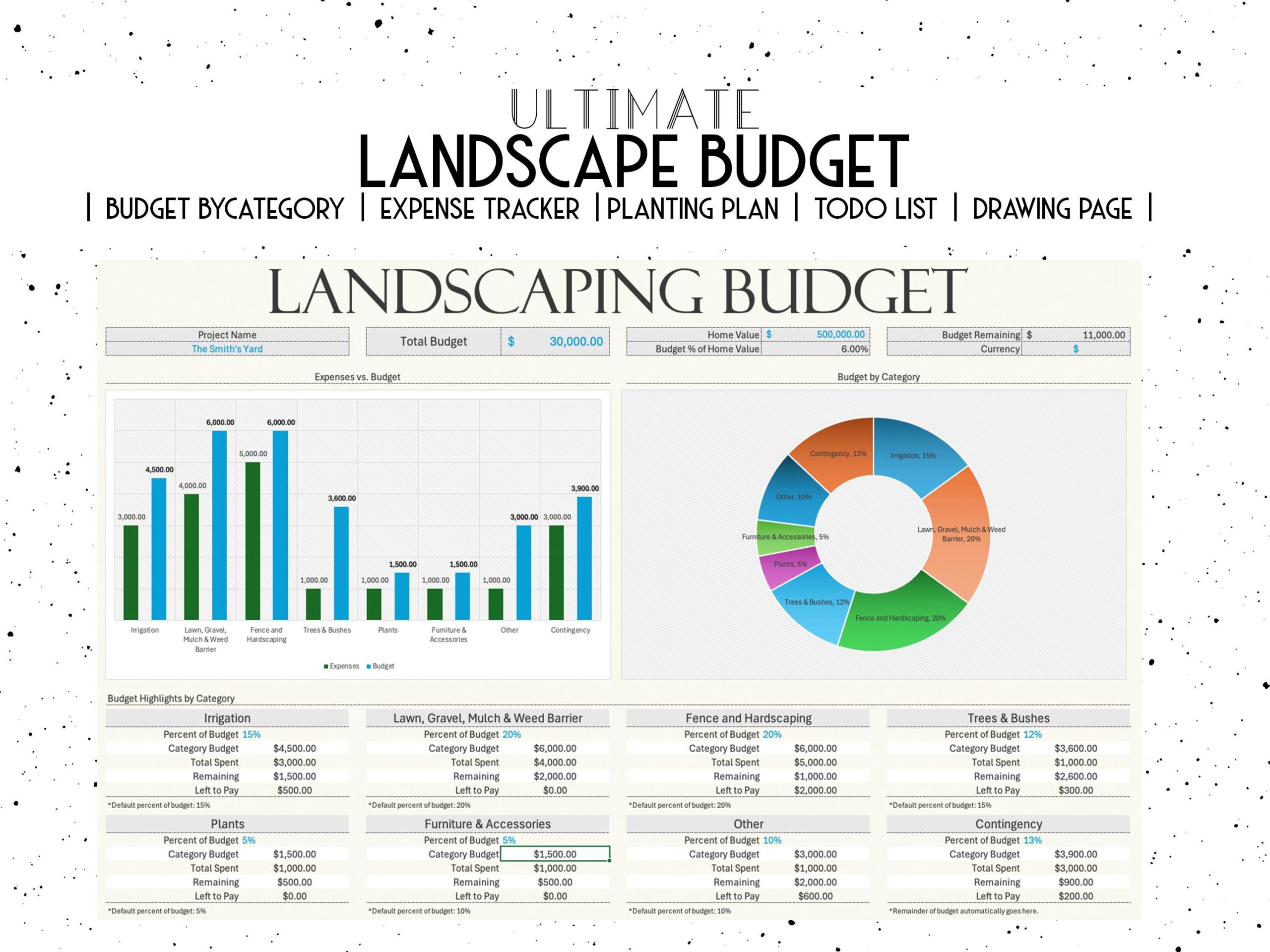
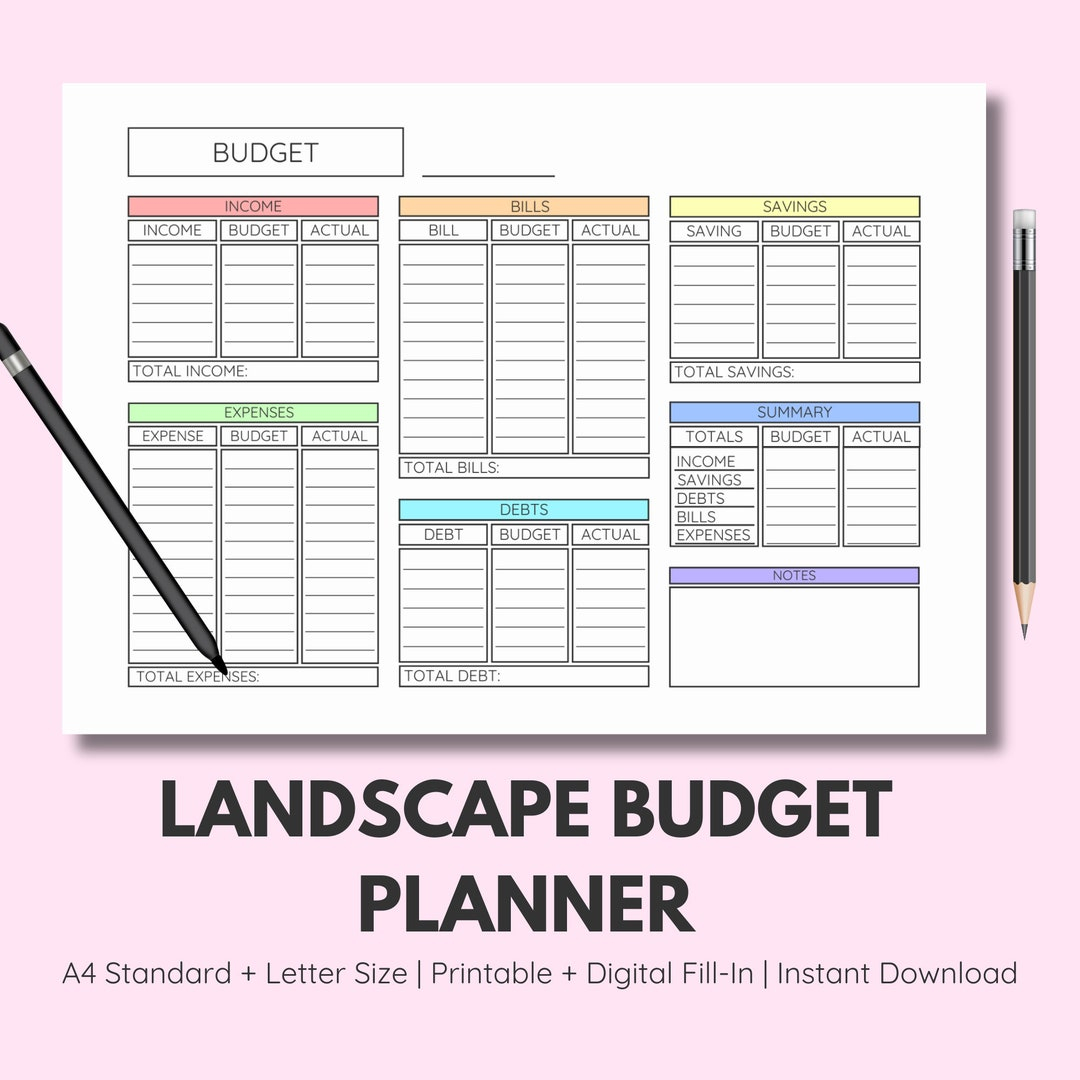
Finally, track your spending. Keep a simple notebook or app record of what you buy and when. Did that fertilizer work? Was that plant worth the price? Data helps you make better choices next year. In 2026, with prices fluctuating, knowing your baseline helps you spot deals. Maybe you notice that mulch is cheaper in fall than spring. Buy then. Store it. Small habits like this compound over time. You aren’t just maintaining a yard; you’re managing an asset. And smart management always beats reactive spending. Treat your yard like a garden, not a chore, and the savings will follow naturally.
Stretching your landscaping budget in 2026 isn’t about deprivation. It’s about intention. It’s about choosing where to invest your energy and where to let nature take the lead. By tackling the high-labor, low-skill tasks yourself—like mulching, planting, and edging—you keep the bulk of your cash for the things that truly matter. You avoid the markup on labor. You gain the satisfaction of seeing your own hands shape your environment. And you build a connection to your space that a hired crew never could.
Remember, perfection is the enemy of progress. Your yard doesn’t need to look like a magazine cover overnight. It needs to look like yours. Start small. Pick one bed. Fix one corner. Light one path. Celebrate those wins. Then move to the next. Over time, those small DIY victories add up to a transformed outdoor living space that reflects your personality and your prudence. You’ve got the tools. You’ve got the knowledge. Now, go get your hands dirty. Your future self, sipping coffee in a beautiful, budget-friendly garden, will thank you.