
The weekend sunlight hits the edge of a meticulously manicured, emerald-green lawn, and instead of feeling a swell of pride, a quiet wave of dread washes over the homeowner. It is Saturday morning, and the ritual begins: hauling out eighty feet of kinked rubber hose, firing up a gas-guzzling mower that roars like a chainsaw, and calculating the next credit card statement for bags of nitrogen-heavy synthetic fertilizer, broadleaf weed killer, and professional aeration services. For decades, the American dream came bundled with a heavy green tax—an insatiable demand for time, labor, and capital poured directly into outdoor spaces that often rejected the very climate they were forced to inhabit.
Across neighborhoods today, a quiet rebellion is underway. The era of the high-maintenance, water-guzzling turfgrass monopoly is facing a serious reckoning. Escalating utility rates, shifting climate realities, and a collective fatigue with spending thousands of dollars on full-scale landscaping overhauls have forced a major cultural shift. Homeowners are realizing that a jaw-dropping outdoor space does not require a blank check written out to commercial landscaping crews or a complete bulldozing of the terrain. Instead, the smartest properties on the block are turning the tide with targeted, tactical, and inexpensive interventions that yield outsized visual and functional returns.
This transformation is not about letting a yard go wild out of neglect; it is an intentional strategy of precision horticulture and smart exterior styling. By understanding the psychology of curb appeal and the mechanics of soil health, everyday residents are sidestepping five-figure contractor quotes. They are trading endless weekend chores for intelligent, high-impact upgrades that respect their bank accounts and drastically reduce environmental footprints. The math is undeniable, and the results are rewriting what modern outdoor living looks like.
The Economics of Outdoor Upgrades and the Myth of the Full Overhaul
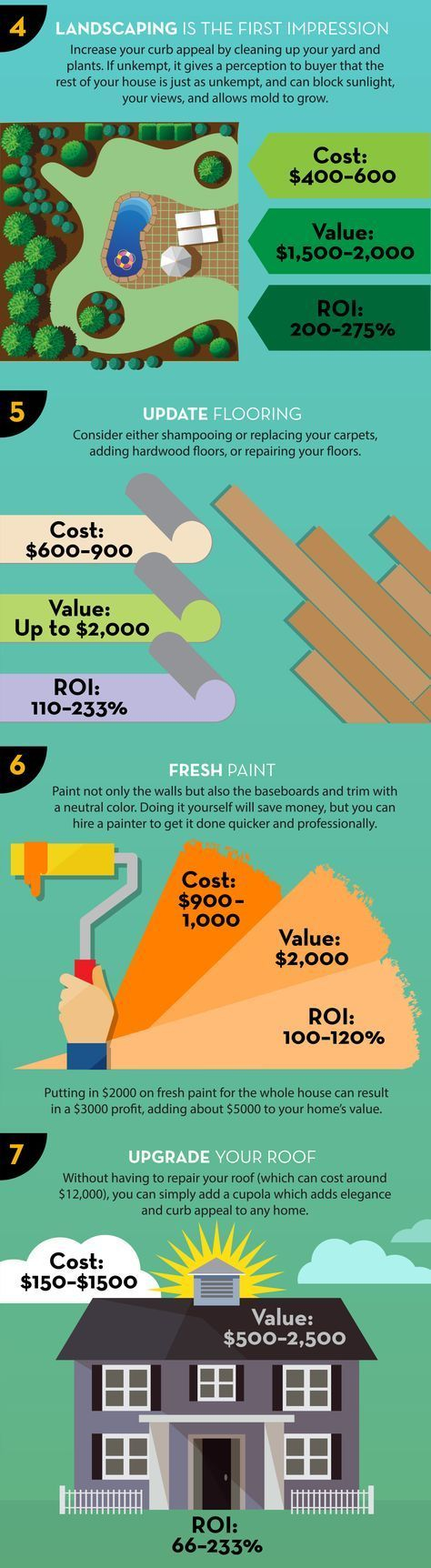
The traditional landscape industry has long thrived on a narrative of absolute disruption: if your yard looks tired, you must tear it all out, grade the earth, lay fresh sod, and plant specimen trees at three hundred dollars a pop. This approach treats a yard like a kitchen remodel, demanding massive capital infusions that rarely return their full value at the resale table. Real estate data consistently shows that while a well-maintained exterior accelerates a home sale, spending twenty or thirty thousand dollars on a luxury backyard redesign offers a notoriously poor return on investment compared to smaller, targeted enhancements.
When you break down the true cost of maintaining a traditional manicured lawn—factoring in water bills, commercial fertilizers, gas, mower maintenance, and seasonal plantings—the financial hemorrhage becomes impossible to ignore. A standard suburban grass lawn can easily drain over two thousand dollars annually just to keep it alive and uniform. Multiply that over a decade, and a homeowner is funding a luxury vehicle’s worth of expenses purely to maintain grass that nobody is allowed to walk on. The shift toward low-cost, high-impact fixes stems from a purely rational economic calculation: why sink capital into a depreciating, labor-intensive asset when strategic, modular updates can achieve a superior aesthetic for a fraction of the cost?
Smart homeowners are applying the Pareto principle—the 80/20 rule—to their acreage. They look for the twenty percent of changes that will deliver eighty percent of the visual impact. This might mean keeping the structural layout of the yard intact while completely redefining the boundaries, introducing drought-tolerant alternatives, or upgrading the framing elements that draw the human eye. By focusing on surface-level finishes, architectural lighting, and native groundcovers, property owners bypass the heavy machinery and permit fees that turn standard yard renovations into stressful, budget-busting nightmares.
Microclover and Freedom Lawns: Ditching Thirsty Turf for Low-Cost Resilience
Nothing drains a homeowner’s patience quite like a patch of Kentucky bluegrass trying to survive a midsummer heatwave. Traditional lawns demand constant watering, regular chemical interventions, and an unyielding mowing schedule to look presentable. Enter the microclover and freedom lawn movement, which has quickly become the secret weapon of budget-conscious, eco-friendly gardeners. Microclover seeds—when overseeded into existing turf or planted as a standalone lawn—create a dense, self-healing green carpet that stays vibrant during dry spells due to remarkably deep root systems.
Unlike traditional turfgrass, clover is a nitrogen-fixer, meaning it pulls nitrogen straight from the atmosphere and feeds it back into the soil. This completely eliminates the need for expensive synthetic fertilizers while naturally boosting the health of surrounding plants. Microclover requires up to fifty percent less water than grass, stays naturally short without needing weekly cuts, and handles pet urine without developing unsightly brown spots. Best of all, converting a patch of dying grass into a lush clover lawn costs a fraction of a single pallet of fresh sod, requiring little more than a bag of seed, a rake, and a weekend afternoon of labor.
Transitioning to a freedom lawn also welcomes pollinators back into the ecosystem, transforming a sterile green desert into a buzzing, living landscape. Bees and butterflies find vital nourishment in the blossoms, which naturally fade into the background when mowed periodically. Homeowners who have made the switch report an immediate drop in their municipal water bills and an abrupt end to the Sunday morning mowing dread. It is an investment that pays dividends in both freed-up leisure time and tangible cash savings, proving that nature often designs a better yard than any corporate chemical supplier ever could.
Step-by-Step Implementation Guide for Maximum Visual ROI
Achieving a high-end look without a professional landscaping budget requires discipline, sequencing, and an eye for proportion. Instead of tackling the entire property at once, execute these five proven steps to radically upgrade your outdoor space efficiently and affordably.
- Step 1 (The Precision Edge Reset): Rent or buy a manual stick edger or a half-moon turf edger to carve razor-sharp, deep V-shaped trenches along all walkways, driveways, and garden beds. A crisp, two-inch edge instantly transforms a sloppy, unkempt yard into a professionally manicured estate for less than the cost of a tank of gas.
- Step 2 (Strategic Mulching and Weed Barrier Layering): Clear out tired, faded mulch and lay down a fresh three-inch layer of dark, double-shredded hardwood bark or black cedar mulch around all foundational plantings. This locks in vital soil moisture, suppresses invasive weeds, and provides a rich, high-contrast frame that makes green foliage and flower beds pop visually.
- Step 3 (Hardscape Power Washing and Surface Renewal): Blast away years of accumulated grime, mold, and weathering from concrete paths, wooden decks, and brick pavers using a 2500+ PSI pressure washer. Pair this cleaning with polymeric sand application between pavers to lock joints tight and eliminate unsightly weed growth between stones.
- Step 4 (Native Plant Layering and Grouping): Skip expensive individual annuals from big-box garden centers and purchase smaller, perennial native starter plugs in flats or clusters. Group them in odd-numbered drifts (threes or fives) within your newly mulched beds to create naturalistic, low-maintenance focal points that thrive on local rainfall alone.
- Step 5 (Architectural Lighting and Boundary Framing): Install solar-powered, warm-white LED path lights along walkways and uplights targeting structural trees or architectural pillars. Good lighting changes the entire nighttime perspective of a home, adding perceived luxury, depth, and safety for a remarkably low hardware investment.
Common Pitfalls and Field-Tested Workarounds for DIY Yard Upgrades
Attempting to upgrade your outdoor space on a budget can sometimes lead to rookie mistakes that undermine the final look or create more long-term maintenance headaches. Understanding these common traps before picking up a shovel will save you hundreds of dollars and countless hours of frustration.
- Pitfall 1 (Over-Ambitious Scope Creep): Tearing up the front and back yards simultaneously often results in a muddy, unfinished wasteland that drains your motivation. Workaround: Restrict your projects to micro-zones—such as finishing the entryway flower beds completely before moving on to the side yard or patio perimeter.
- Pitfall 2 (Improper Mulch Application): Piling mulch directly against the trunks of trees or the siding of the house (often called "volcano mulching") traps moisture, rots bark, and invites destructive pests. Workaround: Maintain a three-inch gap between the mulch bed and any vertical wooden or plant surfaces to ensure proper airflow and drainage.
- Pitfall 3 (Ignoring Soil Composition): Planting expensive native or drought-tolerant species into compacted, lifeless clay or sandy subsoil without amendment guarantees poor growth. Workaround: Spend a nominal amount on compost and organic matter, working it into the top six inches of soil before planting to establish deep root architecture.
- Pitfall 4 (Choosing Cheap, Flimsy Hardscape Materials): Buying ultra-thin decorative edging or lightweight plastic solar lights that break under the first heavy frost or lawnmower impact wastes money. Workaround: Invest slightly more upfront in commercial-grade aluminum edging and cast-metal light fixtures that will endure weather extremes for decades.
- Pitfall 5 (Neglecting the Transition Zone): Focusing exclusively on distant garden corners while ignoring the immediate threshold where your house meets the yard leaves the overall design feeling disjointed. Workaround: Direct your initial budget and focus toward the entryway, front porch pots, and foundation beds—the spaces you interact with every single day.
The Shift Toward Sustainable, Low-Labor Outdoor Living
The broader cultural movement away from chemical-dependent lawns and high-cost landscaping is deeply rooted in a changing definition of home value. For generations, social pressure dictated that a proper yard must look like a suburban golf course—uniform, sterile, and entirely subdued by human intervention. Today, discerning homeowners are redefining luxury as sustainability, resilience, and personal freedom. A yard that requires endless hours of backbreaking labor or a massive monthly maintenance budget is increasingly viewed not as a status symbol, but as an expensive liability.
This evolution is heavily influenced by climate realities and economic prudence. Municipal water restrictions are becoming standard across suburban and urban areas alike, turning thirsty grass lawns into financial and legal liabilities. Homeowners who have transitioned to native perennial gardens, ornamental grasses, and clover-heavy freedom lawns find themselves insulated from sudden water rate hikes and watering bans. Furthermore, eliminating the use of commercial synthetic fertilizers and chemical pesticides protects local watersheds, encourages beneficial insect populations, and creates a safer, chemical-free environment for children and pets.
The economic ripple effects extend far beyond personal utility bills. Properties featuring thoughtfully designed, low-maintenance landscapes consistently attract modern buyers who dread the thought of inheriting a high-maintenance outdoor chore list. Real estate professionals note that buyers place an extreme premium on outdoor spaces that look sophisticated yet function effortlessly. By ditching the traditional lawn-care treadmill, homeowners are not only reclaiming their weekends—they are future-proofing their property value against shifting environmental and economic tides.
Actionable Recommendations and High-Impact Frameworks for Property Owners
Translating these low-cost philosophies into a concrete, actionable plan requires a shift in how you allocate your seasonal energy and disposable income. Instead of viewing outdoor maintenance as an endless list of reactive chores, approach your yard as a self-sustaining ecosystem that thrives on minimal, intelligent interventions.
Start by auditing your property with a critical, objective eye. Walk to the curb, turn around, and examine your home the way a prospective buyer or visiting guest would. Take note of what naturally draws your attention—whether it is a peeling front porch railing, an overgrown shrub blocking a window, or an undefined flower bed spilling onto the concrete. These visual friction points are your highest-priority targets. Address them with targeted adjustments like pruning, fresh paint, edging, and mulching before spending a single dollar on new plants or contractor services.
Next, adopt a seasonal maintenance calendar that prioritizes soil health and plant establishment over cosmetic perfection. In early spring, focus on weed suppression and mulching while the ground is workable. During the summer heat, let drought-tolerant groundcovers do their work and resist the urge to over-water or force growth with chemical fertilizers. Come autumn, leave fallen leaves in designated garden beds to decompose naturally, enriching the soil microbiome without the expense of bagged soil amendments. By working with natural ecological cycles rather than fighting them, you create an effortlessly resilient landscape that commands attention without demanding your entire life in return.
The transformation of the modern yard is a testament to a broader awakening: true luxury is not measured by how much money or labor you can throw at a problem, but by how intelligently you can solve it. When we step back from the exhausting pursuit of the chemical-soaked, perfectly manicured turf grass ideal, we open the door to outdoor spaces that are richer, more authentic, and infinitely more enjoyable.
Ditching expensive yard renovations in favor of high-impact, low-cost fixes is ultimately an act of reclamation. It is about taking back your Saturday mornings from the lawnmower, reclaiming your hard-earned cash from utility companies and landscaping conglomerates, and designing an environment that serves your life rather than consuming it. The tools for this transformation are already within reach—a shovel, a bag of seed, a sharp edge, and a willingness to rethink what a beautiful home looks like.
As we look toward the future of suburban and urban property design, the homeowners who win will be those who embrace simplicity, sustainability, and smart design. Your outdoor space is an extension of your living room, a sanctuary for your family, and a reflection of your priorities. By choosing smart, budget-friendly enhancements over costly overhauls, you invest in a landscape that looks exceptional today, grows more resilient tomorrow, and leaves you with the freedom to actually step outside and enjoy it.