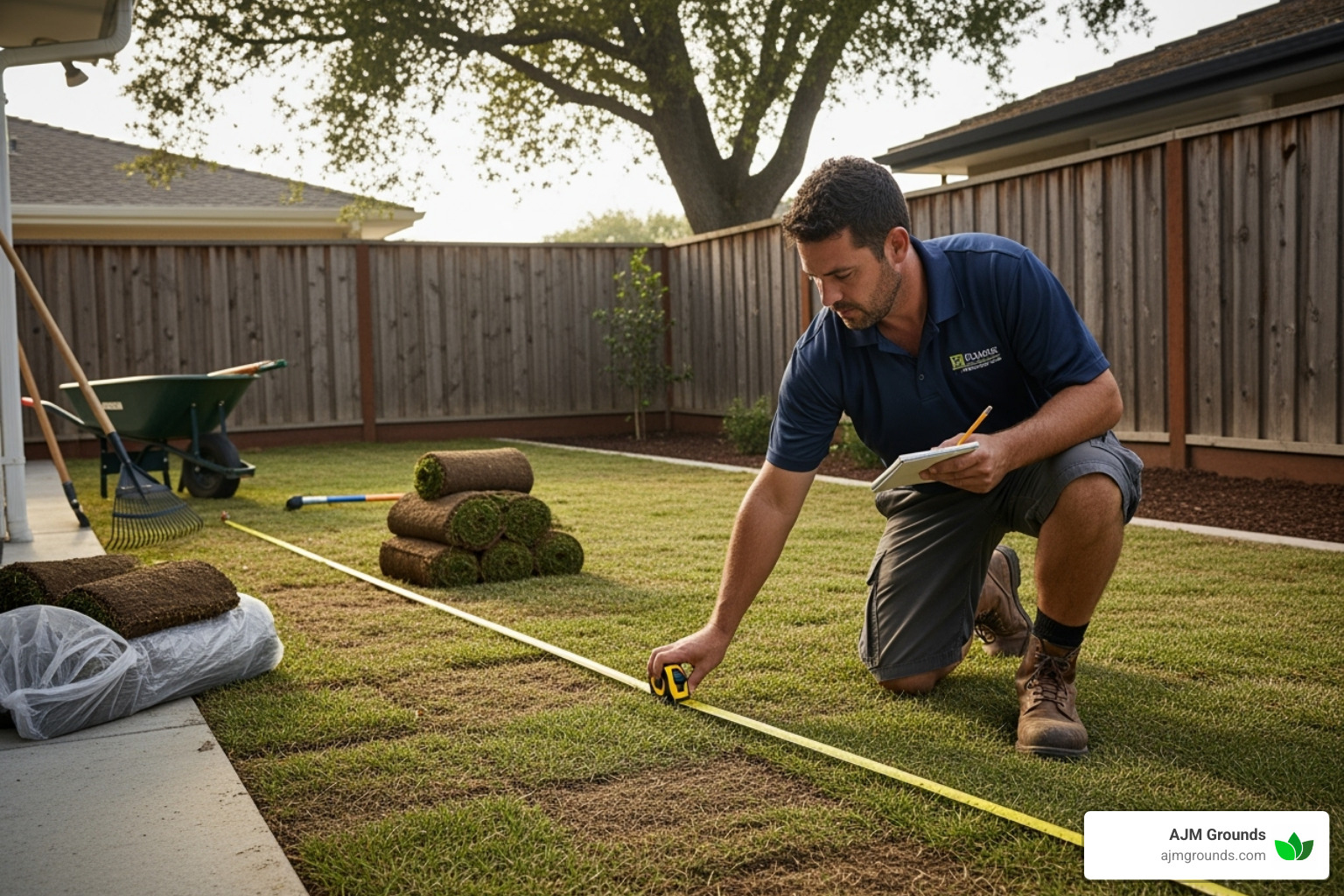

You’ve probably seen the ads. Bright green lawns, smiling families, and a big bold number: "$0.35 per square foot." It looks like a steal. You do the quick math in your head, multiply it by your yard size, and think you’ve got the budget nailed down. But then the contractor shows up, or worse, the final bill arrives, and that number has doubled. Maybe even tripled. What happened?
Here’s the thing about sod in 2026. The price tag on the grass itself is just the entry fee. It’s the tip of the iceberg, floating there while a massive chunk of expenses lurks beneath the surface. Most homeowners don’t realize that the "per square foot" price they see online rarely includes the dirt work, the delivery trucks, or the sheer physical labor of laying those heavy rolls before they dry out. If you’re planning a lawn makeover this year, you need to look past the sticker shock of the material and understand the real ecosystem of costs.
Let’s be honest. Nobody likes surprise bills. But when it comes to landscaping, surprises are expensive. In this guide, we’re going to peel back the layers of sod pricing. We’ll look at why a pallet of Bermuda grass might cost you $90 in one county and $600 in another. We’ll talk about the soil tests nobody mentions until it’s too late. And we’ll help you figure out if that $1.00 to $3.50 per square foot range you see quoted is actually realistic for your specific patch of earth.
The Myth of the Base Material Price
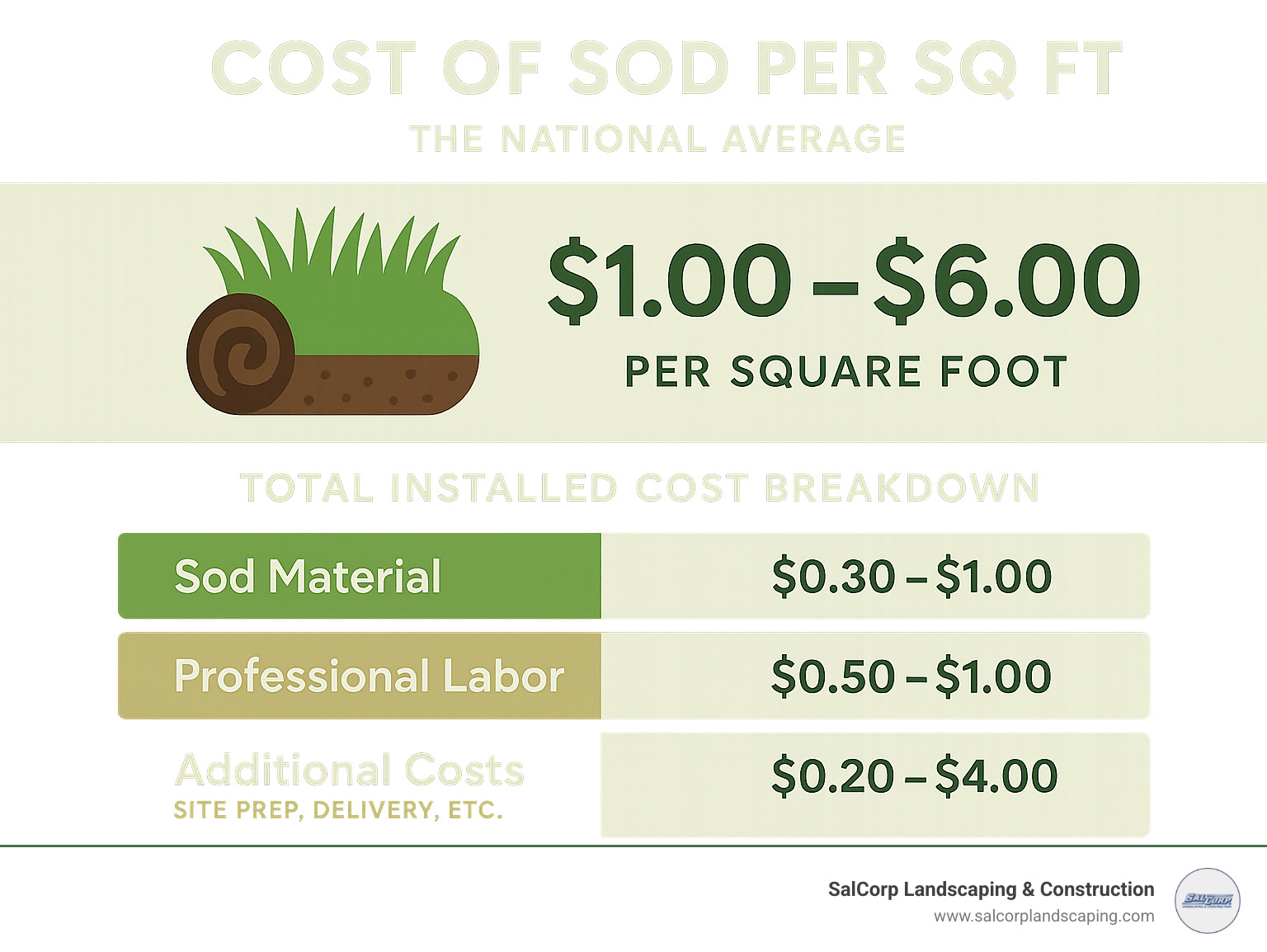
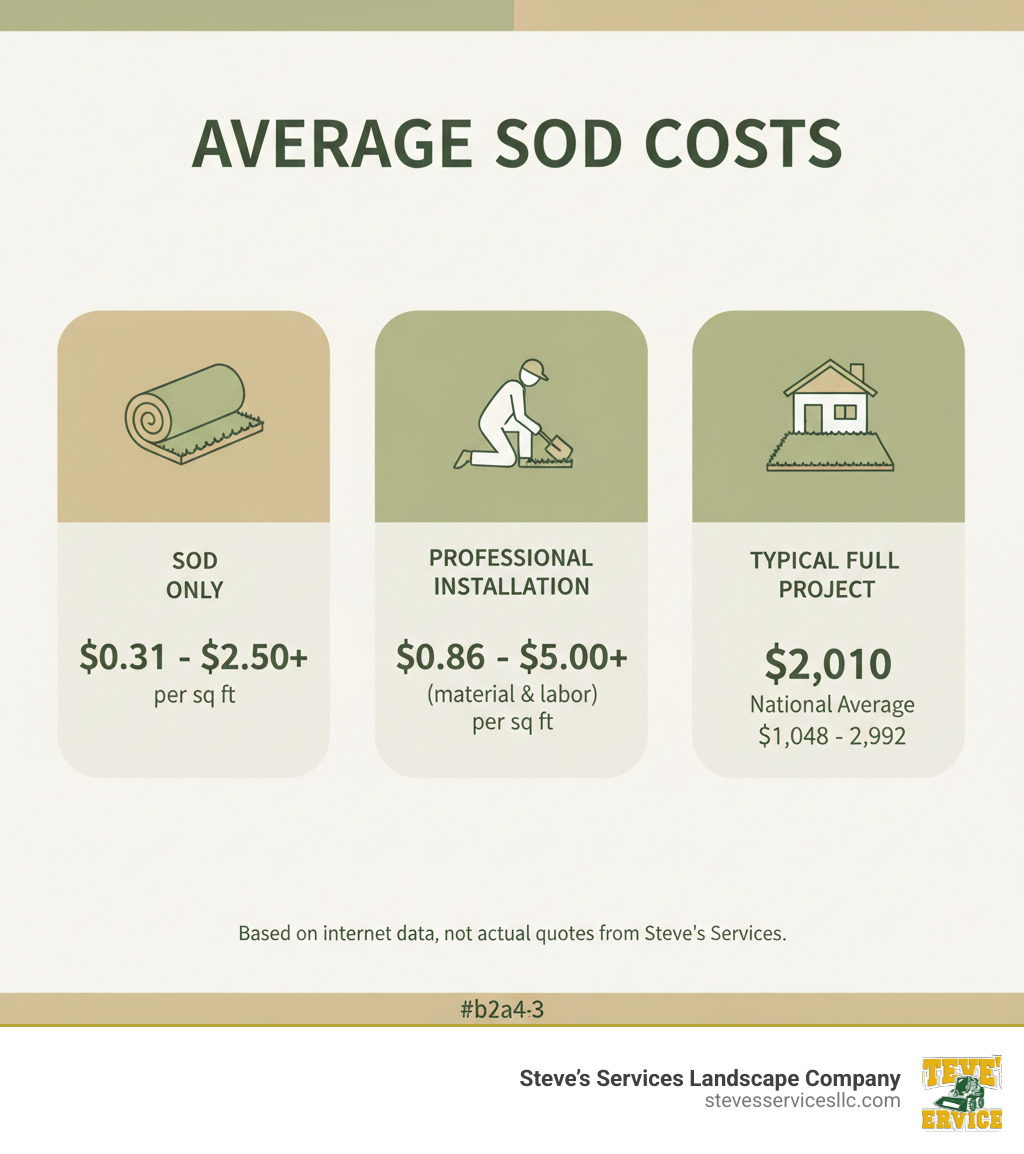
When you search for "sod cost," you’re usually looking at the raw material price. In 2026, this typically runs between $0.20 and $1.00 per square foot, depending on where you live and what kind of grass you want. A standard pallet covers about 400 to 500 square feet. Sounds simple, right? You buy the pallet, you put it down. But that base price is incredibly volatile. It shifts based on fuel costs for the farmers, water restrictions in growing regions, and even the time of year.
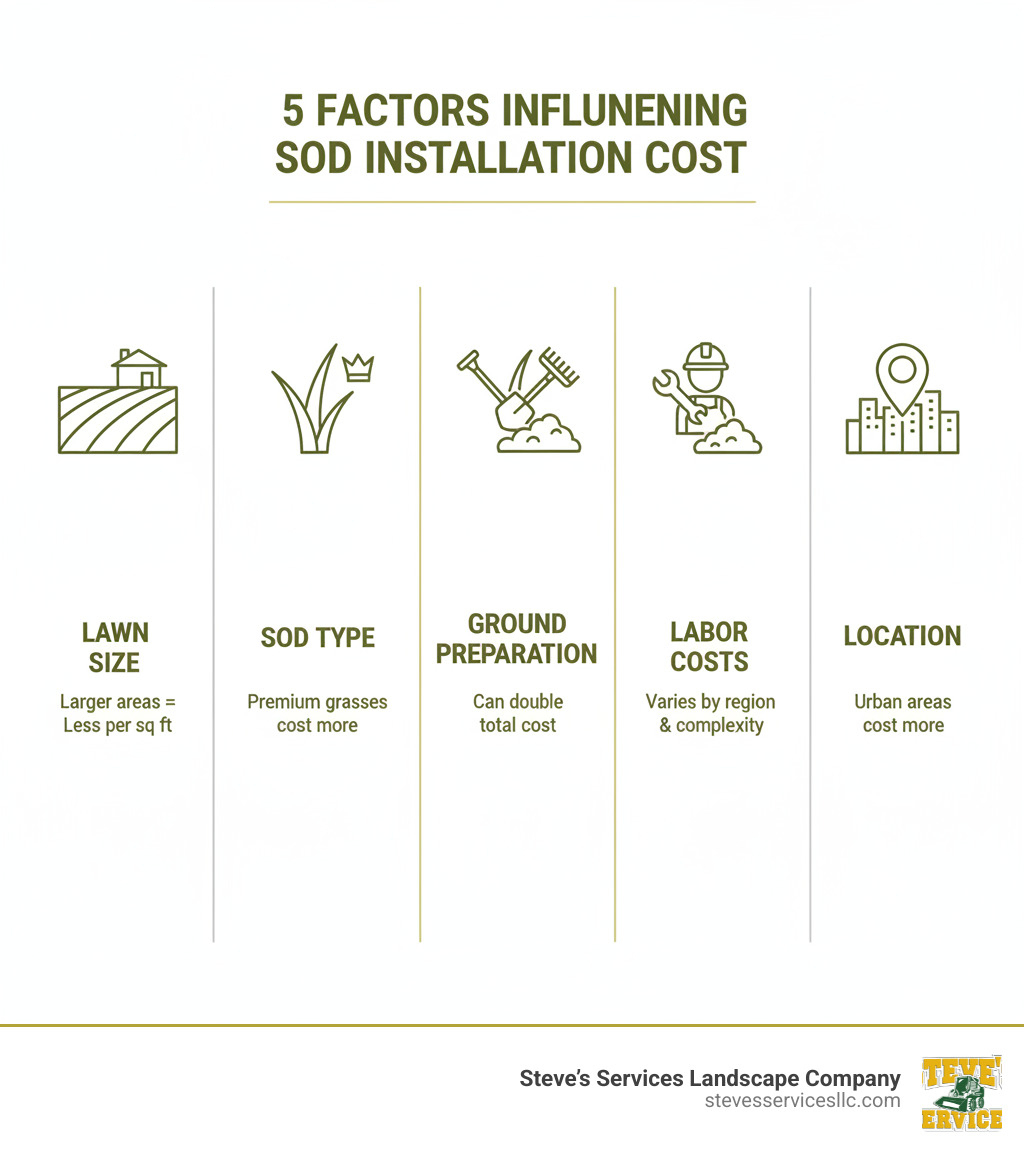
For instance, premium varieties like Zoysia or St. Augustine often sit at the higher end of that spectrum, sometimes pushing past $1.00 per square foot just for the turf. Meanwhile, common Kentucky Bluegrass or Fescue might hover closer to the $0.35 mark. But here’s the catch: you can’t just buy the cheap stuff and expect it to thrive in hot, dry climates. Choosing the wrong grass to save a few cents upfront can lead to dead patches and replacement costs later. So, the "base price" isn’t just a number; it’s a reflection of suitability and scarcity.
Also, consider the waste factor. Sod doesn’t come in perfect puzzle pieces that fit your irregularly shaped yard. You’re going to have cut-offs. You’re going to have scraps around trees and flower beds. Most pros recommend buying 5-10% more sod than your exact measurements to account for this. If you’re tight on budget, that extra 10% feels like a hidden cost, but it’s really just the reality of working with organic material. Ignoring it means running out halfway through the job, which leads to rushed deliveries and potential color mismatches.
Site Prep: The Dirt Work That Drains Wallets
Before a single roll of grass touches the ground, your yard needs to be ready. This is where budgets blow up. You can’t lay sod on top of dead weeds, rocks, or compacted clay. It won’t root. It’ll die. So, you need site preparation. This involves removing existing vegetation, tilling the soil, adding amendments like compost or lime, and grading the land so water drains away from your house. These steps are labor-intensive and require machinery.
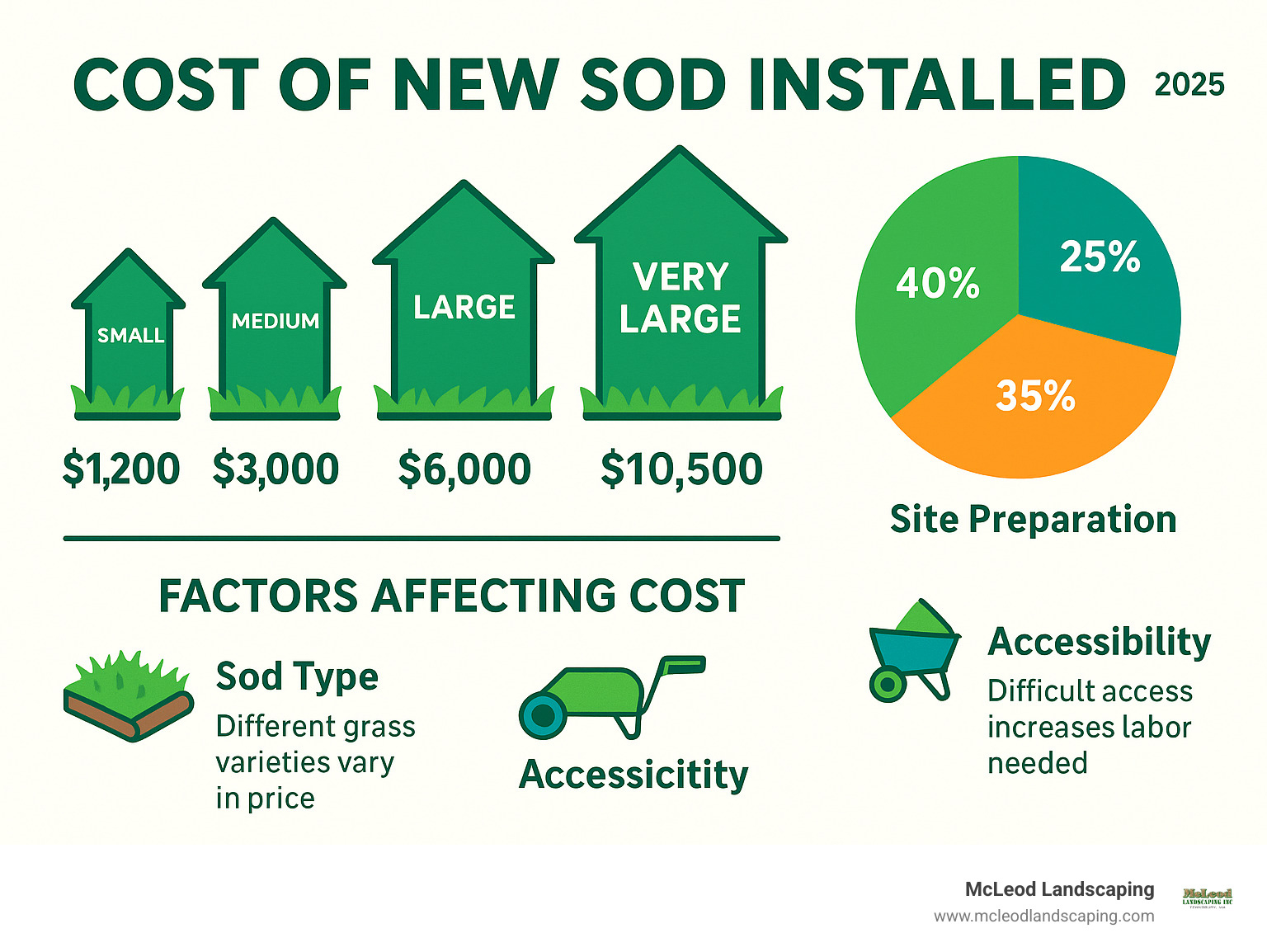
In 2026, labor rates for this kind of groundwork vary wildly. In some regions, basic clearing and tilling might add $0.50 to $1.00 per square foot to your total. In others, especially where disposal fees for old grass are high, it can cost significantly more. If your soil is terrible—say, it’s mostly construction debris or hardpan clay—you might need to bring in new topsoil. That’s not just a little dirt; it’s tons of material delivered by truck. Each cubic yard of topsoil can cost $50 to $100, plus delivery. Suddenly, your $0.35 sod looks like the cheapest part of the project.
Don’t forget the grading. If your yard isn’t level, water will pool in low spots and drown your new lawn, or run off too quickly in high spots. Proper grading ensures longevity. Some contractors include minor grading in their installation fee, but major reshaping is often an extra charge. It’s unglamorous work. You don’t see it once the grass is green. But skimping on prep is the number one reason new sod fails within the first year. It’s a hidden cost because it’s invisible, but it’s arguably the most important investment you’ll make.
Labor and Logistics: Getting It Down Fast
Sod is perishable. Once it’s cut from the field, the clock starts ticking. It needs to be laid within 24 hours, ideally less, especially in the heat of summer. This urgency drives up labor costs. You aren’t just paying for someone to place grass; you’re paying for a team to move fast. Installation labor in 2026 typically ranges from $0.50 to $1.50 per square foot. This covers the physical act of unrolling, staggering the seams, and ensuring tight fits.
But logistics play a huge role too. Delivery fees are rarely included in the per-square-foot price. If you live far from the sod farm or the distributor, expect to pay a delivery charge that can range from $50 to $150 or more. Some companies waive this if you order a certain amount, but for smaller yards, it’s a significant percentage of the total cost. Plus, if the truck can’t get close to your yard, you might need to pay for manual hauling. Imagine carrying 50-pound rolls of sod across a backyard because the driveway is too narrow for the forklift. That’s extra labor, and extra money.
Timing matters as well. If you want your lawn installed on a Saturday, you might face a premium. Weekend rates are common in the landscaping industry. Similarly, peak seasons—spring and early fall—see higher demand. Contractors are booked solid. If you need it done "now" during these windows, you pay for the convenience. Off-season installations might be cheaper, but you risk the grass not rooting properly if temperatures drop too low. It’s a balancing act between cost and biological reality.
Grass Type and Regional Variations
Not all grass is created equal. The species you choose dictates not just the initial price, but the long-term maintenance costs. In 2026, warm-season grasses like Bermuda and Zoysia are popular in the South. They’re durable and handle heat well, but Zoysia, in particular, is expensive to produce and install. Cool-season grasses like Fescue and Bluegrass dominate the North. They stay green longer in mild winters but struggle in summer heat without excessive watering.
Regional variations in price are stark. In California or Arizona, water scarcity impacts sod farming costs. Drought-resistant varieties might command a premium. In the Southeast, humidity and pest pressures mean farmers spend more on treatments, which gets passed on to you. Local labor markets also dictate price. A landscaper in a high-cost-of-living urban area will charge more per hour than one in a rural community. This means your neighbor two states over might pay $1.50 per square foot for the exact same job you’re quoted $2.50 for.
It’s also worth noting that some grass types require specific soil pH levels. If you pick a grass that hates your native soil, you’ll spend more on amendments. For example, St. Augustine prefers slightly acidic soil, while Bermuda is more tolerant. Testing your soil before you buy saves you from buying the wrong grass and then paying to fix the environment. It’s a small step that prevents big hidden costs down the line. Always ask your supplier what grows best in your specific zip code, not just your general region.
Irrigation and Water: The Lifeline Expense
A new sod lawn is thirsty. It needs consistent moisture to establish roots. If you don’t have an irrigation system, you’re looking at a major additional cost. Installing a basic sprinkler system can add $2,000 to $5,000 to your project, depending on the size of the yard and the complexity of the layout. Even if you plan to hand-water, think about the time and water bill. In 2026, water rates are rising in many municipalities. Hand-watering a large lawn daily for the first few weeks can spike your utility bill noticeably.
If you do install irrigation, don’t forget the smart controllers. Many cities now offer rebates for water-efficient systems, but the upfront cost is higher. However, skipping proper irrigation is risky. If the sod dries out even once during the establishment phase, the roots stop growing. You might end up with brown patches that need reseeding or resodding. That’s a double cost. So, while irrigation feels like a separate project, it’s integral to the success of your sod investment.
Some homeowners try to cut corners by using temporary hoses and sprinklers. This works for tiny yards, but for anything over 500 square feet, it’s inconsistent. Uneven watering leads to uneven growth. The hidden cost here is the inefficiency. You’ll use more water trying to compensate for poor coverage, and you’ll spend hours moving hoses around. When you calculate the value of your time plus the water usage, a permanent system often makes financial sense, even if the initial price tag hurts.
The price per square foot doesn’t end when the installer leaves. The first month is critical. You’ll need fertilizer specifically designed for new sod. You might need weed preventers, though you have to be careful not to burn the young grass. These products add up. A bag of starter fertilizer might cost $30 to $50, and you’ll likely need to apply it multiple times in the first season. Then there’s mowing. Your new lawn needs frequent, careful mowing to encourage thick growth. If you don’t have a mower, or yours isn’t sharp enough, you’ll need to buy or service equipment.
Pests and diseases are another wildcard. New sod can be susceptible to fungal issues if it stays too wet, or insect infestations if it’s stressed. Treating a lawn disease isn’t cheap. Professional treatment can run $100 to $300 per visit. And if a section dies due to neglect or bad luck, replacing it means buying small amounts of sod, which is often sold at a premium compared to bulk pallets. You’re also paying for the labor to dig out the dead patch and blend in the new piece.
Think of sod as a living carpet. It needs care. Budgeting for the first year of maintenance is smart. Set aside 10-15% of your installation cost for ongoing care supplies and potential minor repairs. This buffer helps you avoid panic when a brown spot appears or when the water bill arrives. It transforms a unexpected expense into a planned one. After all, a beautiful lawn is an ongoing relationship, not a one-time transaction.
So, what’s the real takeaway? The sticker price of sod is just a starting point. In 2026, a fully installed lawn typically lands between $0.80 and $4.50 per square foot, depending on all the factors we’ve discussed. That’s a huge range. It means you can’t just compare material costs. You have to compare entire project scopes. Ask your contractor what’s included. Does prep cost extra? Is delivery free? What about cleanup?
Getting multiple quotes is essential. But don’t just pick the lowest number. Look at the details. A low bid might exclude soil amendment or grading, which you’ll end up paying for later. A higher bid might include a warranty or better quality grass that lasts longer. Value matters more than the initial price tag. By understanding these hidden costs, you’re empowered to ask the right questions. You can budget accurately and avoid the shock of that final bill.
Your lawn is an investment in your home’s curb appeal and your own enjoyment. Treat it like one. Plan for the dirt, the labor, the water, and the care. When you do, that lush, green dream becomes a realistic, manageable project. And honestly, there’s nothing quite like walking barefoot on fresh, cool grass knowing you didn’t get ripped off in the process. It’s worth doing it right.