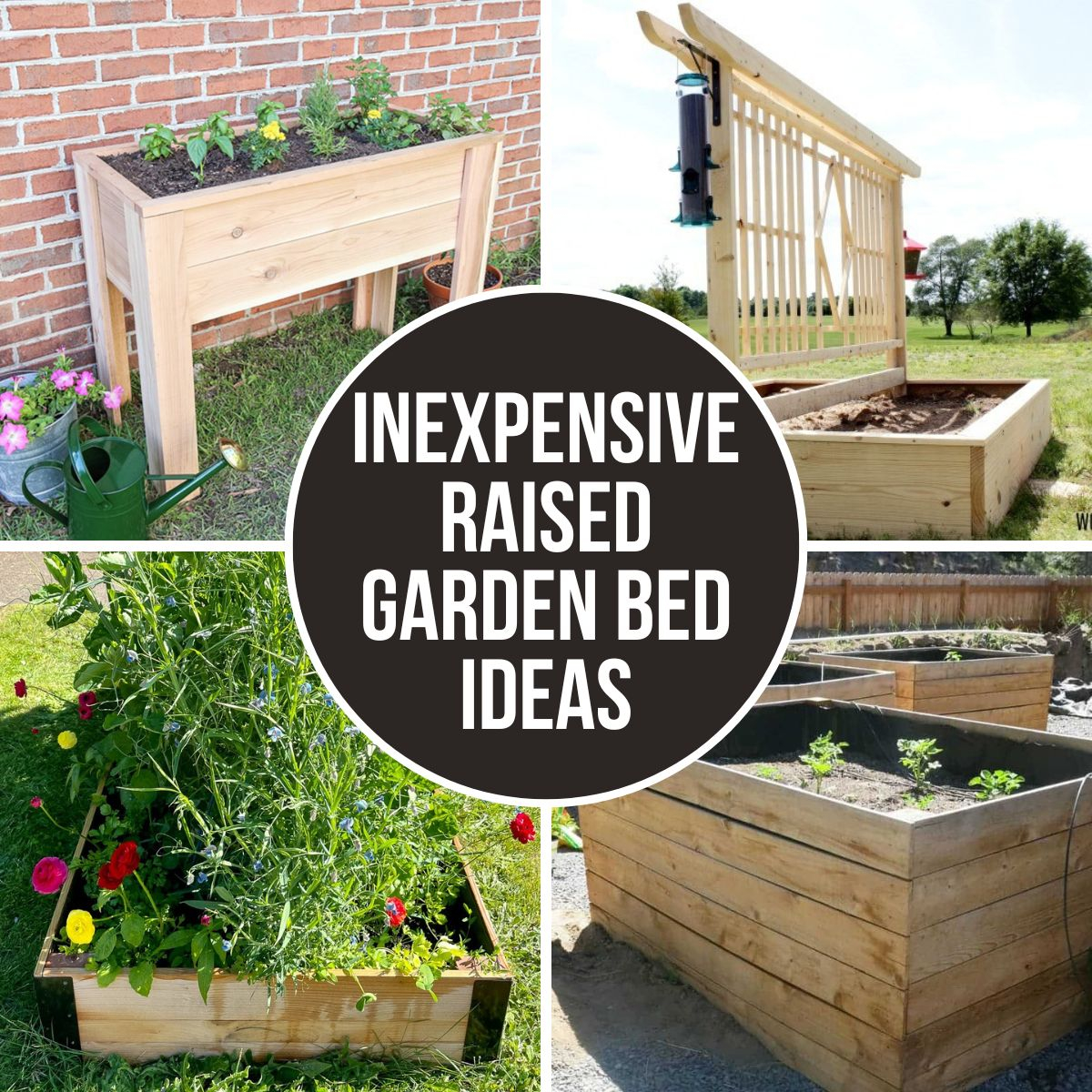

Let’s be honest for a second. Have you looked at the price of lumber lately? It’s enough to make your wallet cry. In 2026, with inflation still lingering like a bad cold, starting a garden can feel like a luxury only the rich can afford. Raised beds, compost bins, vertical planters—they all add up fast. But there is a secret weapon that hasn’t changed much in decades, even as everything else gets more expensive. It’s sitting behind grocery stores, hardware shops, and warehouses right now. Waiting. For free.
I’m talking about wooden pallets. Yeah, those ugly, rough things you see stacked in parking lots. Most people walk right past them. They see trash. But if you know what to look for, you see gold. Or rather, you see free cedar-quality wood (sometimes) and instant structure. In a world where sustainable living isn’t just a trend but a necessity, pallets are the ultimate recycling hack. They are sturdy, versatile, and best of all, they cost zero dollars. If you are trying to grow your own food or flowers without breaking the bank, this is where you start.
The Economics of Scavenging in 2026
Why are we still talking about pallets in 2026? Because the math hasn’t changed. A single 4×8 foot sheet of plywood or a bundle of decent fence pickets can run you thirty, forty, maybe fifty bucks depending on where you live. To build a simple 4×4 raised bed, you might spend over a hundred dollars in materials alone. That doesn’t even include screws, soil, or plants. For a family on a tight budget, that’s a barrier. It stops people from trying.
Pallets remove that barrier entirely. You can get enough wood for three or four raised beds, a compost bin, and a vertical strawberry tower just by driving around your local industrial park for an hour. In 2026, the "right to repair" and "reuse" movements have grown stronger, making it more socially acceptable—and often encouraged—to reclaim materials. Many businesses are actually happy to give them away because disposing of them costs them money. It’s a win-win. You save cash, they save on dump fees.
But it’s not just about saving money. It’s about resourcefulness. There is a deep satisfaction in turning something discarded into something that feeds you. When you harvest tomatoes from a bed you built from scrap wood, those tomatoes taste different. They taste like victory. And in these times, we could all use a little more of that feeling. The economic benefit is huge, sure, but the psychological boost of creating something from nothing is priceless.
Safety First: Reading the Stamps
Okay, hold up. Before you go dragging a pallet into your backyard, we need to talk about safety. Not all pallets are created equal. Some are treated with nasty chemicals that you definitely do not want near your vegetables. This is the most important part of this whole article, so pay attention. You need to know how to read the stamps on the wood.
Look for the IPPC logo. It’s usually a small square stamp burned into the wood. Inside or near that logo, you’ll see a code. You are looking for two specific letters: HT or KD. HT stands for Heat Treated. This means the wood was baked in a kiln to kill bugs. It’s safe. KD means Kiln Dried. Also safe. These pallets haven’t been soaked in toxic chemicals. You can use these for growing food without worry.
Now, here is the red flag. If you see the letters MB, run away. Seriously. Drop it and back up slowly. MB stands for Methyl Bromide, a potent pesticide and fumigant. It’s bad news for your health and the environment. While its use has been phased out in many places, old pallets still circulate, and in some regions, regulations might be looser. Never, ever use an MB pallet for gardening. Also, avoid pallets that look stained, smell like chemicals, or have oily spots. If it looks suspicious, leave it. There are plenty of clean ones out there. Don’t risk it.
Tools You Actually Need
You don’t need a fancy workshop to break down pallets. In fact, having too many tools can sometimes make the job harder because you overthink it. The basic toolkit for pallet gardening is simple and cheap. Most of this stuff you might already have in a junk drawer. If you don’t, a quick trip to the dollar store or a borrow from a neighbor will sort you out.
First, you need a pry bar. A good, sturdy crowbar or a dedicated pallet buster if you can find one used. This is your best friend. It helps you lever the boards off the stringers (the support blocks) without splitting the wood. Second, a hammer. You’ll need it to tap the pry bar into place and to pull out any stubborn nails that refuse to come out easily. Third, a reciprocating saw (Sawzall) or a handsaw. Sometimes, prying just breaks the wood. Cutting through the nails or the joints is faster and saves your sanity.
Safety gear is non-negotiable. Pallet wood is rough. It’s full of splinters, dirt, and hidden nails. Wear heavy-duty work gloves. Not the thin cotton ones, but the leather or coated ones that protect your skin. Wear safety glasses too. A rusty nail snapping off can fly into your eye faster than you can blink. And wear closed-toe shoes. Dropping a heavy pallet block on your bare foot is a memory you don’t want. Keep it simple, stay safe, and you’ll be fine.
Deconstruction Without Destruction
Breaking down a pallet is an art form. If you just smash it with a hammer, you’ll end up with kindling, not lumber. The goal is to get long, usable boards. Start by flipping the pallet over. Look at the bottom. Usually, the bottom boards are easier to remove because they aren’t holding as much structural weight as the top deck. Slide your pry bar under the board, near the block. Gently lever it up. Work your way across the block, loosening it bit by bit.
Patience is key here. Rushing leads to broken boards. If a board snaps, don’t get mad. Just set it aside for smaller projects or mulch. Once you have the bottom boards off, flip it back over. Now you can see the nails sticking out of the stringers. Use your hammer to pull them out, or cut them with your saw if they’re bent badly. Removing the nails makes the wood much safer and easier to work with later. It also lets you reuse the nails if you’re really pinching pennies, though new screws are usually worth the few cents.
Sort your wood as you go. Put the long, straight, nice-looking boards in one pile. These are for the visible parts of your garden beds or planters. Put the shorter, knottier, or slightly damaged pieces in another pile. These are great for the inside of compost bins, where looks don’t matter, or for making simple path edging. By sorting early, you save time when you start building. It keeps the workflow smooth and prevents frustration later on.
Top 3 Projects for Beginners
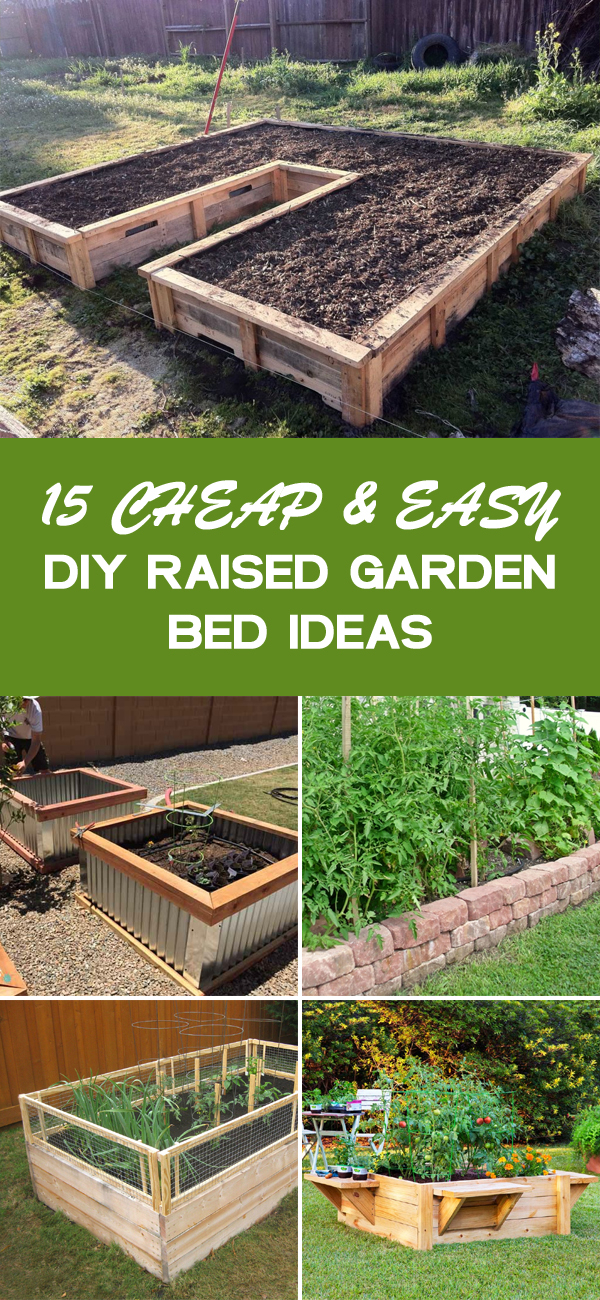
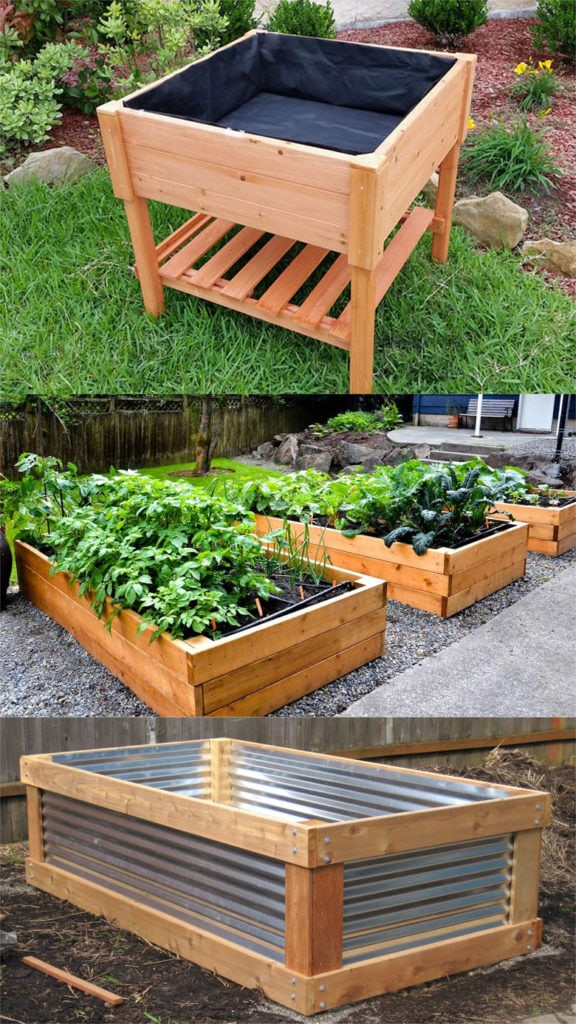
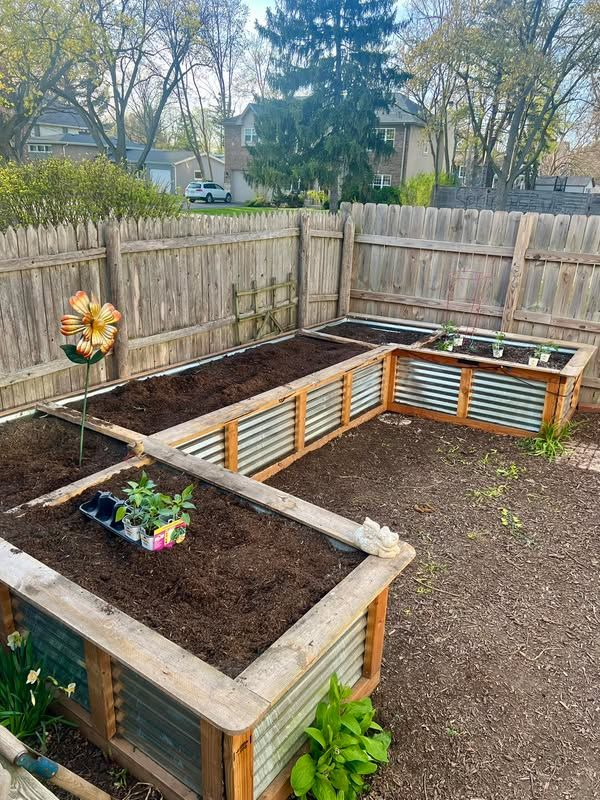
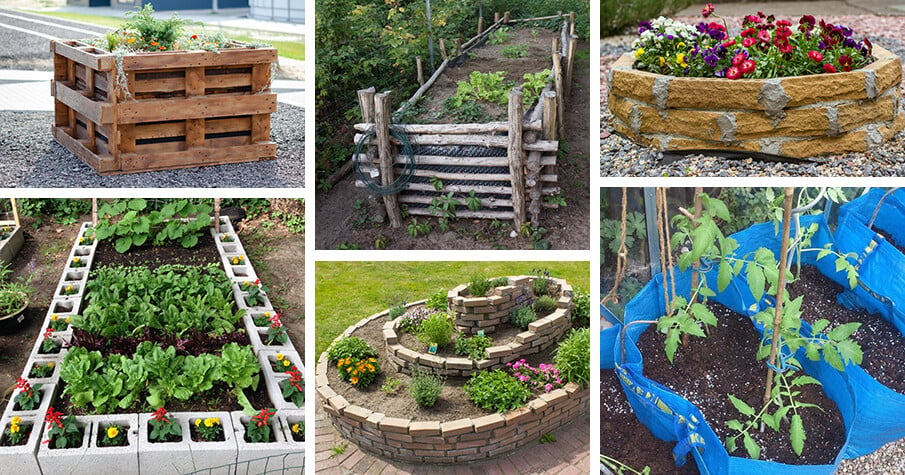
So you’ve got a pile of clean, heat-treated wood. Now what? Don’t try to build a gazebo on your first day. Start small. Build confidence. Here are three classic projects that are perfect for beginners and yield high rewards. First, the simple raised bed. Disassemble two or three pallets. Use the long boards to create a square or rectangle frame. Screw them together at the corners. Line the inside with landscape fabric to keep the soil in and the wood from rotting too fast. Fill with soil. Plant. Done. It takes an afternoon and costs nothing.
Second, the vertical herb garden. This is great for small spaces like balconies or patios. Take a whole pallet (intact). Stand it up against a wall. Staple landscape fabric to the back and bottom to create pockets between the slats. Fill the pockets with soil. Plant herbs like basil, thyme, or parsley in the openings. Water from the top. It looks amazing, saves space, and keeps your herbs within arm’s reach while cooking. It’s functional art.
Third, a compost bin. You need three or four pallets. Stand them up in a U-shape or a box shape. Wire or screw them together at the corners. Leave the front open or hinge one pallet so you can access the compost. Throw your kitchen scraps and yard waste in. Let nature do the work. In six months, you’ll have black gold for your garden. It’s the cycle of life, right in your backyard. These projects are simple, but they transform your space.
Wood rots. It’s a fact of life. Pallet wood is often softwood like pine or spruce, which isn’t naturally resistant to decay like cedar or redwood. But don’t let that scare you off. You can extend the life of your pallet garden significantly with a few simple steps. First, line your beds. Using heavy-duty plastic or landscape fabric between the soil and the wood creates a barrier. It keeps the wood drier and slows down rot. Just make sure to poke drainage holes in the plastic so your plants don’t drown.
Second, consider a natural sealant. You don’t need expensive chemical stains. A mix of linseed oil and beeswax works wonders. It penetrates the wood, repels water, and is safe for edible plants. Apply it once a year, ideally in the spring before you plant. It adds a nice warm color to the wood too, making it look less like trash and more like intentional rustic decor. Another option is charring the outside of the wood with a torch (the Shou Sugi Ban method), which naturally preserves it.
Finally, rotate your crops and refresh the soil. Heavy feeding plants like tomatoes deplete nutrients quickly. By rotating what you grow and adding fresh compost each year, you keep the ecosystem healthy. Check the structural integrity of your beds annually. Tighten loose screws. Replace any boards that look too rotted. With a little care, a pallet bed can last three to five years, maybe more. And when it finally falls apart, the wood can be chopped for firewood or added to the compost pile. Nothing goes to waste.
In the end, using pallets isn’t just about being cheap. It’s about seeing potential where others see waste. It’s about taking control of your food source and your environment in a tangible, hands-on way. In 2026, as we face ongoing economic and environmental challenges, this mindset is more valuable than ever. So go out there. Look behind the stores. Ask nicely. Drag those pallets home. Get your hands dirty. You might just find that the best things in life really are free. And if you mess up? Who cares. Try again. That’s gardening.