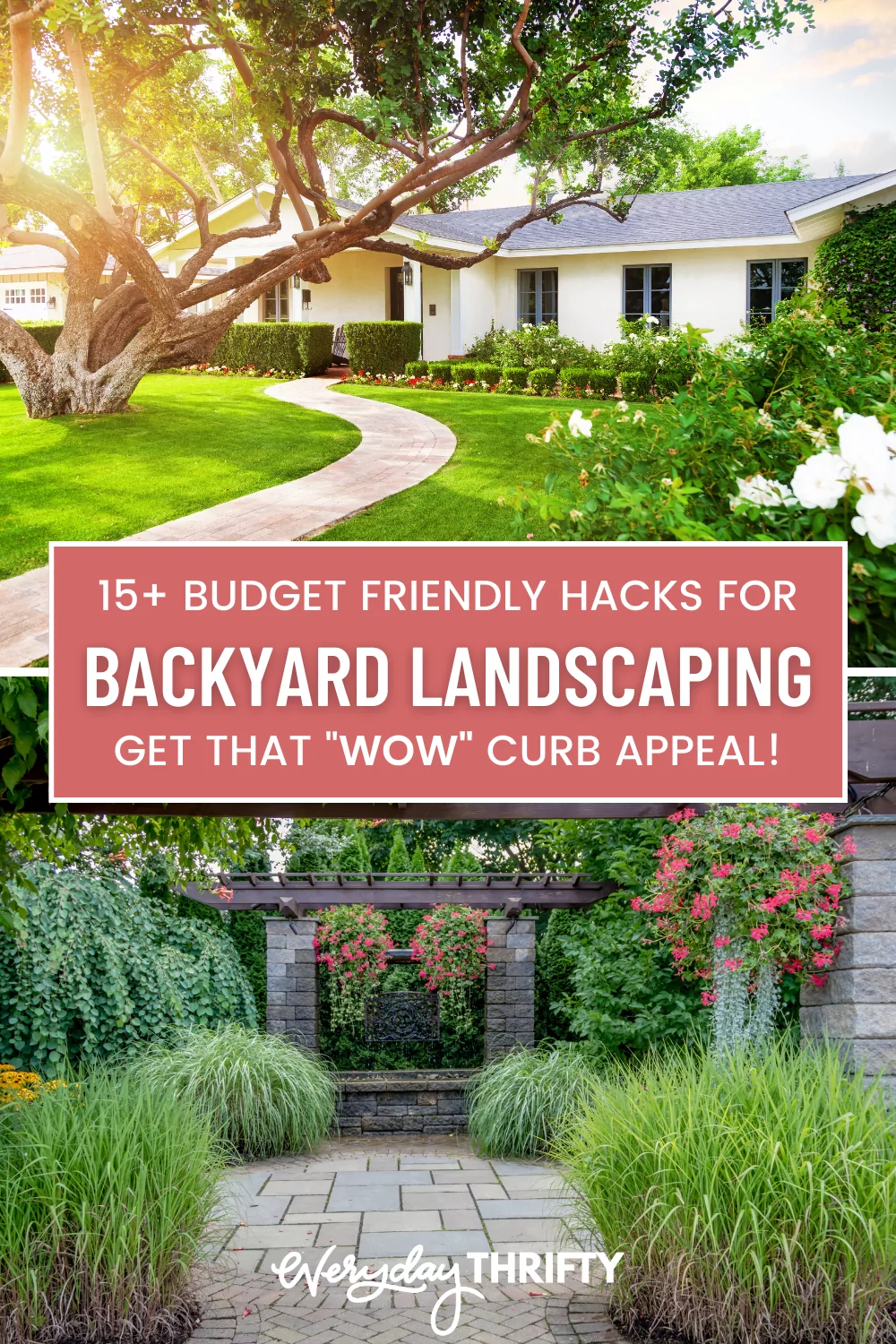

Step outside onto your back patio at dusk. If what greets you is a depressing expanse of patchy turf, a faded plastic table wobbling on uneven pavers, and a lone, glaring floodlight mounted above the back door, you aren’t alone. Most homeowners inherit or neglect their exterior footprints because the prevailing narrative in home improvement insists that a magazine-worthy yard requires a five-figure landscape architect, structural masonry, and importing mature olive trees.
Yet, spending a small fortune is rarely the secret to a compelling outdoor room. What changes the energy of an exterior space is not the ledger balance of the invoice, but intentional curation, tactile warmth, and clever structural editing. When you trade brute financial force for resourcefulness, unexpected things happen. A weekend afternoon with a roller brush, a handful of locally sourced perennial starts, and some strategic ambient lighting can completely alter how you experience your home’s perimeter.
We live in a culture obsessed with overhauling rather than refining. The home renovation market often pushes consumers toward total demolition—tearing out concrete slabs, hauling away structurally sound decks, and starting from a scorched-earth baseline. This approach generates staggering waste while draining bank accounts. A more sustainable, grounded philosophy looks at what is already there and asks how to elevate it through proportion, shadow, texture, and color.
The secret lies in understanding visual psychology. The human eye does not calculate the dollar amount spent on hardscaping; instead, it registers transitions, verticality, focal points, and the interplay of light against natural foliage. By focusing financial resources where they yield an outsized optical return—like swapping builder-grade light fixtures, defining boundaries with paint, or introducing structural mass through container gardening—you can achieve a high-end designer aesthetic on a shoestring budget.
Rethinking the Foundation of Hardscapes and Vertical Surfaces
Before throwing money at brand-new pavers or hiring a contractor to pour a monolithic concrete extension, look closely at the existing ground plane. Concrete slabs, aging wooden decks, and worn-out patios often carry decades of stains, micro-cracks, and discoloration that trick owners into thinking they need total replacement. In reality, a high-pressure wash combined with an acid etch and a specialized masonry or porch-and-floor enamel can completely rewrite the narrative of a tired concrete patio.
Vertical surfaces represent another massive, untapped opportunity for dramatic spatial transformation. Fences, exterior walls, and property lines dictate the boundaries of your outdoor room, yet they are frequently left as monotonous expanses of weathered gray cedar or cheap vinyl. Applying a dark, moody exterior paint color—such as deep charcoal, forest green, or near-black espresso—acts as an optical trick. Dark fences recede visually, creating the illusion of a larger perimeter while making green foliage, ornamental grasses, and colorful blooms pop with striking contrast.
Beyond paint, introducing low-cost vertical layering changes the entire volumetric feel of an enclosure. Instead of building expensive raised beds, consider mounting vertical herb planters, hanging simple cedar window boxes packed with trailing sweet potato vine, or running tensioned stainless steel cables along a blank wall for climbing jasmine or star jasmine. These vertical interventions draw the eye upward, shifting focus away from flawed ground surfaces and framing the sky as part of the architecture.
Hardscaping upgrades do not require expensive stone yards when you lean into alternative materials and creative layouts. Pea gravel patios, for instance, offer an organic, European-inspired look that costs a fraction of flagstone or interlocking pavers. By digging down a mere four inches, laying heavy-duty non-woven geotextile fabric to suppress weeds, and filling the footprint with washed river rock or pea gravel, you create an expansive, permeable outdoor room that drains instantly and feels incredible underfoot.
Textile integration is another cornerstone of elevating hard surfaces without structural masonry. Outdoor area rugs made from recycled plastics anchor conversation zones, instantly defining a seating area on a cold concrete slab. When you ground a mismatched set of patio chairs with a large-scale patterned rug, the individual pieces dissolve into a cohesive, intentional vignette that mimics indoor interior design standards.
Mastering the Alchemy of Ambient and Task Lighting
Nothing kills the mood of an outdoor evening faster than a harsh, high-lumens security floodlight that makes your patio feel like a commercial loading dock. Conversely, lighting is perhaps the single highest-return investment you can make in an outdoor space, capable of transforming a mundane suburban yard into an atmospheric, boutique-hotel retreat after dark. The key is abandoning single-source illumination in favor of layered, low-level ambient lighting that respects the natural cadence of twilight.
Solar lighting technology has advanced dramatically in recent years, shedding the weak, dim-blue glow of early iterations. Modern warm-white (2700K to 3000K) solar stake lights, path lanterns, and integrated deck-post caps store sufficient energy during peak daylight hours to cast a welcoming amber glow for hours. Rather than lining a straight path like an airport runway, tuck solar spotlights behind ornamental grasses or at the base of architectural tree trunks to cast dramatic up-lighting and long, beautiful shadows against walls and fences.
Hanging bistro lights remain a classic, highly effective tool for defining an outdoor ceiling plane. When strung in a crisscross or perimeter pattern over a dining or seating zone, commercial-grade LED string lights create an intimate overhead canopy. To pull this off without spending a fortune on heavy timber posts or drilling into delicate siding, utilize existing structures like pergolas, tree branches, or fascia boards, anchoring the lines with heavy-duty eye hooks and turnbuckles to prevent sagging over time.
Candlelight and localized fire features add the vital element of flickering movement that electric bulbs cannot replicate. Instead of buying expensive tabletop fire bowls, consider grouping varying heights of pillar candles inside glass hurricane cylinders on a dining table, or repurposing an old cast-iron kettle or galvanized tub into a safe, contained fire pit. The dancing flame reflects off metallic surfaces and dampens ambient noise, creating a multisensory environment that feels deeply luxurious.
Electrical safety and placement require mindful planning even on a budget. Keep cords tucked safely away from heavy foot traffic paths, and invest in weatherproof, GFCI-rated outdoor extension cords if you are running plug-in fixtures. By keeping your light sources low to the ground and hidden within the landscaping, you eliminate glare and focus entirely on the warm, inviting atmosphere you have curated.
Step-by-Step Methodology for Curating a High-End Look for Less
Transforming an outdoor space without draining your savings requires a disciplined, phased approach. Rather than wandering through a big-box garden center and impulse-buying random plants and decor, execute your backyard upgrade using a structured, methodical framework that prioritizes structural impact over superficial clutter.
- Step 1 (The Great Audit and Cleanse): Begin by stripping the space down to its bare bones. Power-wash every hard surface, scrub down furniture frames, pull every weed from cracks, and aggressively prune overgrown shrubs that block sightlines or natural light. A clean canvas reveals the true dimensions and potential of your yard before you spend a single dollar.
- Step 2 (Establishing the Vertical Anchor): Paint or stain your fences and boundary walls in a rich, saturated dark tone. This single action provides an instant facelift, hiding decades of weather damage and establishing a high-end backdrop that makes everything placed in front of it look intentional and expensive.
- Step 3 (Ground Plane Definition): Lay down an affordable foundation element. Whether you are defining a conversation pit with an oversized outdoor rug, edging existing beds with crisp, clean trenches, or laying down a DIY pea gravel patio zone, anchor the floor of your outdoor room to separate it from the rest of the yard.
- Step 4 (Strategic Botanical Massing): Visit local wholesale nurseries or wait for end-of-season perennial sales to acquire structural plants. Focus on mass planting—buying multiple smaller pots of the same variety (like ornamental grasses, boxwoods, or hostas) rather than single, expensive specimen trees—to create lush, designer-grade continuity throughout your garden beds.
- Step 5 (Layered Illumination and Styling): String overhead bistro lights, place warm-toned solar accents in garden beds, and style your seating areas with weather-resistant throw pillows, inexpensive cotton blankets, and thrifted ceramic or terracotta vessels used as planters. Finish the space with grouped candles for immediate evening ambiance.
Common Pitfalls and Field-Tested Workarounds
Even with the best intentions, DIY outdoor projects can quickly veer off course if you fall into classic traps. Recognizing these common missteps before picking up a shovel or paintbrush saves both money and immense frustration, ensuring your budget-friendly upgrade stands the test of time and weather.
- Pitfall 1 (Overcrowding with Miniature Decor): Scattering dozens of tiny garden gnomes, small plastic figurines, and unrelated knick-knacks across your yard creates visual clutter rather than charm. Workaround: Embrace negative space and large-scale simplicity. One large ceramic planter makes a far stronger design statement than twenty tiny plastic pots scattered about.
- Pitfall 2 (Ignoring Drainage Realities): Building up patio extensions, adding heavy gravel zones, or creating raised beds without factoring in water runoff can cause pooling against your home’s foundation or drown your plant roots. Workaround: Always grade soil away from structural walls, incorporate permeable materials like gravel or open-joint pavers, and check local slope before laying down permanent surfaces.
- Pitfall 3 (Buying Overpriced Annuals Every Spring): Sinking hundreds of dollars into delicate annual flowers that die at the first frost drains your budget year after year with nothing lasting to show for it. Workaround: Invest 70% of your plant budget into hardy perennials and structural evergreen shrubs that return every year, supplementing with just a few affordable annuals for seasonal pops of color.
- Pitfall 4 (Skipping Wood Preparation and Priming): Slapping exterior paint or stain directly onto weathered, dirty, or damp fencing and outdoor furniture without proper prep guarantees peeling and flaking within months. Workaround: Always scrub wood surfaces with a TSP (trisodium phosphate) substitute, let them dry completely for at least 48 hours, and apply an exterior-grade primer where necessary before painting.
- Pitfall 5 (Purchasing Flimsy, Lightweight Furniture): Buying cheap, hollow aluminum or ultra-thin plastic furniture because it fits the initial budget often means replacing broken pieces after a single windy storm or heavy winter. Workaround: Hunt for vintage mid-century iron chairs or solid wood pieces at thrift stores, estate sales, or online marketplaces, then restore them with rust-inhibiting spray paint or fresh exterior wood sealer.
Holistic Perspectives on Sustainable and Resourceful Outdoor Living
The movement toward budget-conscious outdoor design intersects deeply with broader ecological and lifestyle shifts. For generations, the American backyard was treated as an industrial monoculture—a vast, chemically treated expanse of turfgrass requiring constant irrigation, gas-powered mowing, and synthetic fertilizers. Today, thoughtful homeowners are realizing that an economical yard is frequently a more ecological one.
When you scale back high-maintenance lawns in favor of drought-tolerant native plants, gravel zones, and mulched perennial beds, you drastically reduce water consumption, chemical run-off, and the carbon footprint of your property. Native pollinators return when you plant regionally appropriate species like coneflowers, milkweed, and native grasses, transforming your modest backyard into a thriving micro-ecosystem. This shift proves that financial thrift and environmental stewardship are not mutually exclusive; they are natural partners.
Moreover, the philosophy of upcycling and material reuse challenges the throwaway culture promoted by big-box retail. Reclaiming old cedar fence planks to build a raised garden bed, repurposing an antique wooden ladder as a plant stand, or restoring a rusty park bench found on the side of the road infuses your outdoor space with character and personal narrative. Mass-produced patio sets from a catalog lack soul; items that carry history, effort, and hand-crafted resourcefulness make a home feel truly lived-in and deeply personal.
The economic reality of homeownership in recent years has also forced a welcome reckoning with how we define luxury. Luxury is no longer measured by the sheer scale of an expensive contractor bill or the importation of exotic, high-maintenance materials. True luxury outdoors is found in sensory comfort—the scent of fresh rosemary brushing against your leg as you walk past a path, the soft amber hue of lights flickering through tall ornamental grasses, and the quiet satisfaction of knowing you built a sanctuary with your own hands for a fraction of the expected cost.
Actionable Recommendations and Key Takeaways
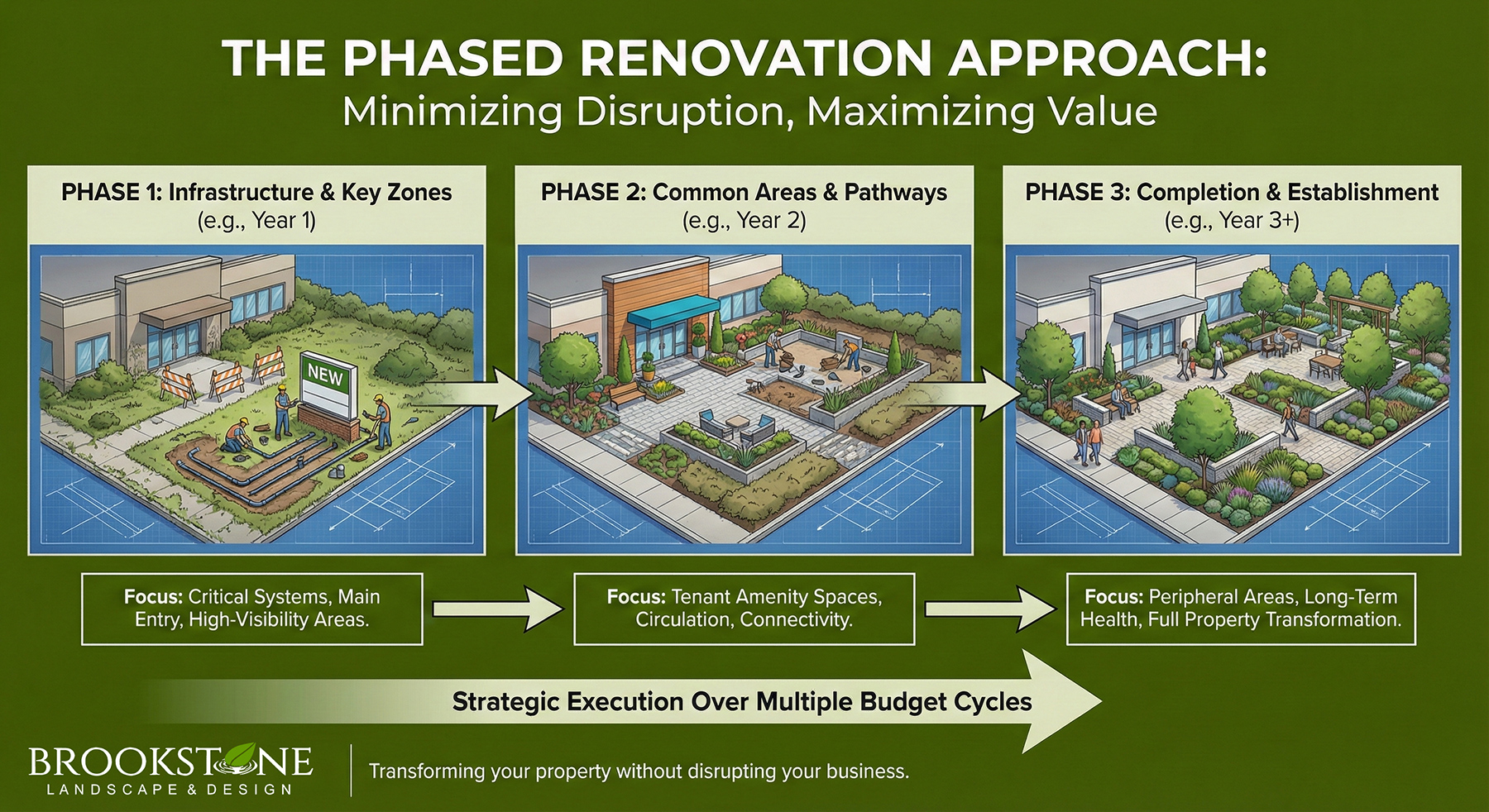
To crystallize these concepts into a manageable game plan, focus your energy on high-impact interventions that offer the greatest psychological and aesthetic return on investment. You do not need to tackle your entire property in a single weekend. In fact, sustainable upgrading happens best in deliberate, enjoyable phases.
- Prioritize the Sensory Experience: Focus first on lighting, tactile textures underfoot, and natural fragrance. A yard that smells of lavender and jasmine, glows warmly at night, and features comfortable seating will always feel more luxurious than an expensive stone patio that lacks atmosphere.
- Embrace the Power of Paint and Stain: Never underestimate what a few gallons of high-quality exterior paint can accomplish. Dark fence transformations, painted concrete floor designs, and refreshed old furniture frames deliver the highest visual transformation-to-cost ratio in all of landscaping.
- Leverage Botanical Massing: Buy smaller, younger plants in multiples rather than single expensive statement trees. Grouping grasses, hostas, or flowering perennials creates an instant sense of established luxury that matures gracefully over subsequent seasons.
- Shop Secondhand and Salvage First: Before heading to retail nurseries or home improvement warehouses, check local online marketplaces, architectural salvage yards, and neighborhood garage sales for pots, bricks, pavers, and solid furniture frames waiting for a second life.
Stepping back to look at your newly transformed outdoor space, you realize that the magic never depended on a sprawling budget. It grew from the willingness to look at neglected corners with fresh eyes, to sweat through a weekend afternoon of scrubbing and painting, and to prioritize atmosphere over extravagance. Your yard is no longer just a patch of grass behind the house; it has become an extension of your living room, a private retreat, and a testament to what resourcefulness can achieve.
As the seasons shift, your outdoor space will continue to evolve. Perennials will return thicker, vines will climb higher up your freshly painted fences, and the patina on your upcycled furniture will deepen with character. The most rewarding part of a budget-conscious outdoor upgrade is that it remains a living, breathing project—one that invites you to keep tinkering, planting, and enjoying the quiet moments under the evening sky without a single financial regret hanging over your head.