
Ever walked into a garden and just felt… something? Maybe it was the way the light hit a specific corner in the late afternoon, or how a winding path seemed to invite you deeper into the greenery. It’s magic, sure. But it’s also design. And here is the secret that landscape architects might not shout from the rooftops: you don’t need a massive budget to create that feeling. In fact, some of the most stunning outdoor spaces are built on creativity, not cash.
We often think gardening is about buying. Buy this shrub, buy that bag of mulch, buy these pavers. But in 2026, with costs rising and a growing desire for sustainability, the trend has shifted. It’s about seeing. Really seeing what you already have. It’s about moving a pot from the shade to the sun because the plant looks sad. It’s about pulling weeds not just to clean up, but to reveal the hidden structure of your yard. This article isn’t about shopping lists. It’s about opening your eyes to the free design solutions hiding in plain sight.
The Power of Editing and Subtraction
Most people try to add to their gardens when they should be taking away. Think of your outdoor space like a cluttered room. If every surface is covered with stuff, you can’t appreciate the architecture. The same goes for your yard. Start by editing. Look at your beds. Are there plants that are struggling? Plants that are overcrowded? Remove them. Not everything needs to stay. By clearing out the weak or the excessive, you give the remaining plants room to breathe and shine. This is called negative space, and it is a powerful design tool that costs absolutely nothing.
When you remove a bulky shrub that was blocking a view, you suddenly create a focal point. Maybe now you can see a beautiful tree in the neighbor’s yard, or a nice architectural feature of your own home. You’ve created depth without spending a dime. It’s about curating what’s there. Ask yourself: what is the best thing about this view? Then, remove anything that distracts from it. It feels counterintuitive to throw things away or dig them up, but subtraction is often the quickest route to elegance.
This process also helps you understand the flow of your garden. Without the visual noise of overgrown branches or dead leaves, you can see the lines of your landscape. Where does the eye travel? Where does it stop? Use this clarity to guide your next steps. You might realize that a simple mowed path through a grassy area creates a stronger sense of direction than a expensive stone walkway ever could. Less is literally more here.
Repurposing What You Already Own
Look around your garage, basement, or even the curb on trash day. One person’s junk is another gardener’s treasure. Old bricks, broken concrete, weathered wood, and even discarded furniture can become key design elements. In 2026, the "upcycled" look is not just trendy; it’s a sign of a thoughtful gardener. An old wooden ladder can become a vertical planter for strawberries. A cracked terracotta pot can be turned on its side to create a whimsical "spilled" flower effect.
Don’t underestimate the power of grouping items. Three mismatched chairs painted the same color can create a cohesive seating area. A pile of stones from a previous project can be arranged into a dry creek bed that manages rainwater runoff while looking natural. The key is intentionality. Don’t just dump old stuff in the corner. Arrange it with care. Treat a piece of driftwood like a sculpture. Place it where the light hits it best. Give it space.
This approach also adds history and character to your garden. Mass-produced items from a big box store all look the same. But that rusty wheelbarrow filled with ferns? That has soul. It tells a story. Visitors will notice it. They’ll ask about it. It becomes a conversation starter. Plus, repurposing reduces waste, which is a huge win for the environment. You’re designing with a conscience, and that feels good. It’s a win-win situation that requires only your time and imagination.
Creating Depth with Layering and Perspective
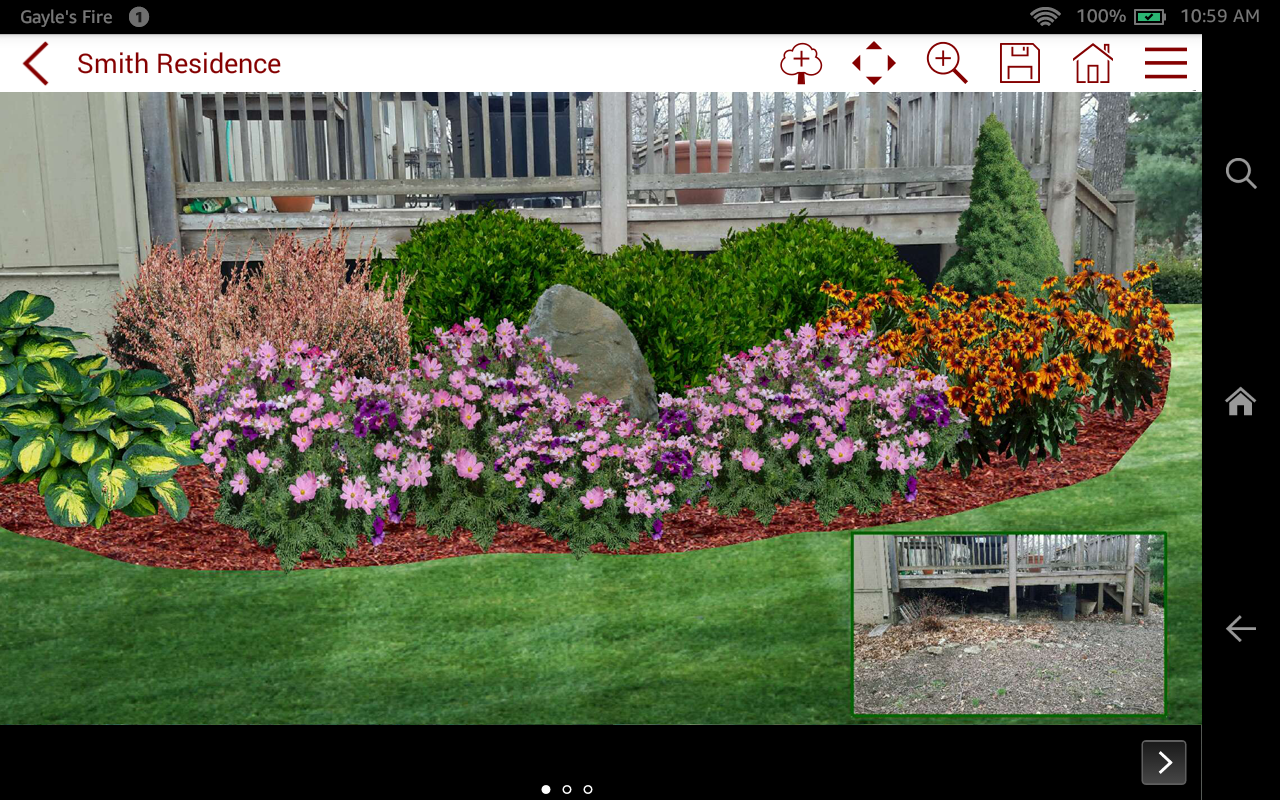
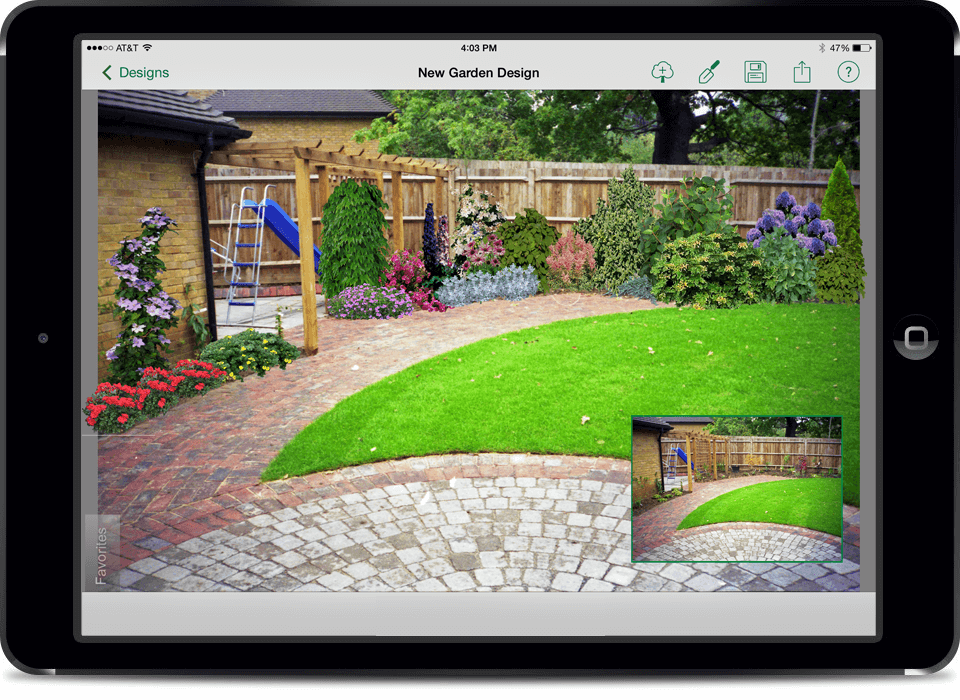
You don’t need a huge yard to create a sense of mystery and expansiveness. You just need to layer your plants. Think of your garden like a painting. You need foreground, midground, and background. In the foreground, use low-growing plants or ground covers. In the midground, place medium-height perennials and shrubs. In the background, use taller plants, trees, or even a fence covered in vines. This layering technique draws the eye back, making the space feel larger than it is.
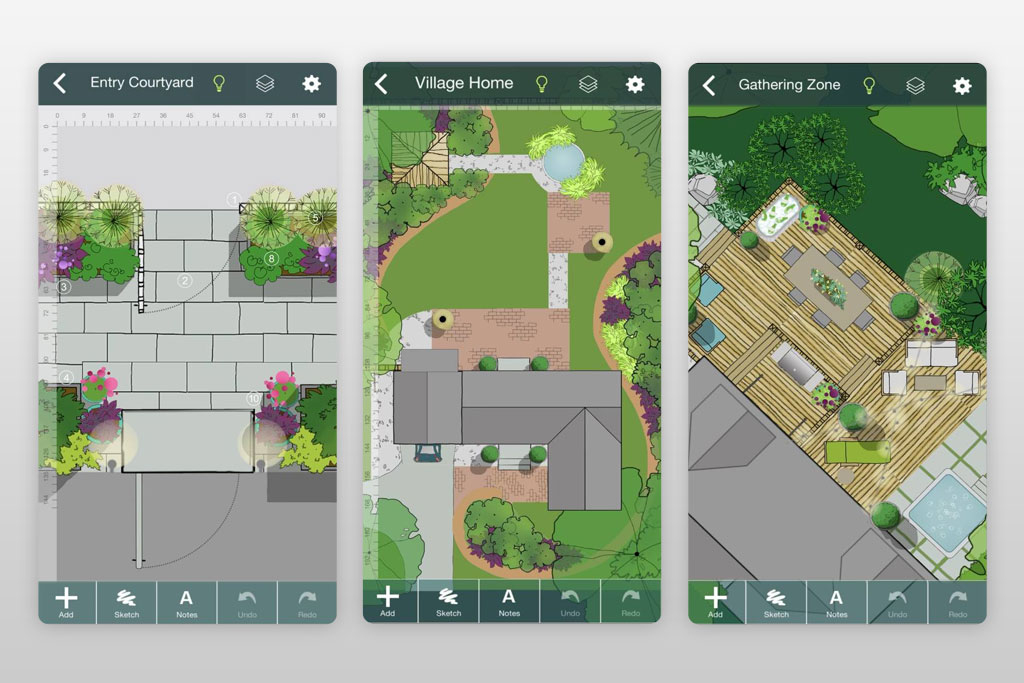
Another trick is to use diagonal lines instead of straight ones. A path that cuts across a corner of the yard takes longer to walk than one that goes straight across. This slows down the viewer and makes the journey feel longer. Planting beds that curve into the distance also create this illusion. Hide the end of the path with a large leafy plant or a bench. If you can’t see the end, your brain assumes the garden continues. It’s a simple optical illusion that works every time.
Mirrors can also be used strategically, though sparingly. An old mirror placed among ferns or behind a clump of grass can reflect light and double the visual impact of the greenery. Just make sure it’s safe and secure. The goal is to blur the boundaries of your space. When the edges are soft and unclear, the garden feels endless. This is especially useful in small urban courtyards or narrow side yards. You are playing with perception, and perception is free.
Harnessing Light and Shadow
Light is the most important element in any garden, yet it’s often ignored until it’s too late. Spend a day just watching how the light moves across your yard. Where are the sunny spots in the morning? Where does the shade fall in the afternoon? Use this knowledge to place your plants and seating areas. A spot that is hot and harsh at noon might be perfect for a quiet reading nook in the late evening when the light is soft and golden.
Shadows are just as important as light. They add drama and texture. A tree with delicate leaves casts a dappled shadow that dances on the ground. This movement brings the garden to life. Plant light-colored flowers in shady areas to brighten them up. White, pale yellow, and silver foliage plants seem to glow in the dark. Conversely, use deep purple or red plants in sunny spots to absorb the light and create a sense of warmth and richness.
You can also manipulate light with simple structures. A trellis with climbing vines creates a filter for harsh sunlight, making the area underneath cooler and more inviting. Even a simple sheet hung between two trees can create a temporary shade structure for a summer party. Pay attention to the quality of light. Is it harsh? Soft? Diffused? Adjust your design to work with it, not against it. A garden that respects the light feels harmonious and peaceful. It’s about working with nature’s rhythm.
The Magic of Repetition and Rhythm
Repetition creates unity. If you scatter random plants all over the place, the garden looks chaotic. But if you repeat certain colors, shapes, or textures, the eye travels smoothly through the space. This is called rhythm. You don’t need to buy dozens of the same plant. Just use what you have. If you have three hostas, plant them in a triangle formation. If you have a few pots, use the same type of plant in each one. This creates a visual beat that guides the viewer.
Color repetition is particularly effective. Pick two or three main colors and stick to them. If you have red flowers in one corner, put some red flowers in another corner. This ties the whole garden together. It doesn’t have to be exact matches. Different shades of the same color work well too. The goal is to create a sense of cohesion. When the eye sees a familiar element repeated, it feels comfortable and oriented.
Texture is another way to create rhythm. Mix rough leaves with smooth ones. Spiky grasses with round foliage. Repeat these combinations throughout the garden. This adds interest without adding clutter. It’s like a musical theme that repeats with variations. It keeps the design engaging but not overwhelming. You can achieve this by dividing existing plants. Many perennials can be dug up, split, and replanted in new locations. This gives you more plants for free and helps maintain the health of the originals.
A great garden isn’t just seen; it’s experienced. Think about sound, smell, and touch. These elements add layers of enjoyment that cost nothing to incorporate. Plant herbs like lavender, mint, or rosemary near pathways where you can brush against them and release their scent. The smell of damp earth after rain is also a powerful sensory experience. Keep some bare soil visible to allow this scent to emerge.
Sound can be created by wind. Grasses and bamboo rustle in the breeze, creating a soothing white noise that masks traffic or neighborhood sounds. You can also attract birds and bees by planting native flowers. Their buzzing and chirping bring life and energy to the space. Even the sound of your own footsteps on gravel or mulch can be satisfying. Choose materials that crunch or squish in a pleasing way.
Touch is often overlooked. Include plants with interesting textures. Lamb’s ear is soft and fuzzy. Ornamental grasses are sleek and cool. Tree bark can be rough and textured. Encourage people to touch and interact with the garden. Create a seating area where you can sit and feel the sun on your skin or the breeze on your face. A garden that engages all the senses feels more alive and immersive. It becomes a place of refuge and connection, not just a pretty picture.
So, where do you start? You start by standing still. Look at your garden with fresh eyes. See the potential in the empty corners and the beauty in the existing plants. Don’t rush to buy. Rush to observe. Edit, repurpose, layer, and engage. These no-cost solutions are not just about saving money. They are about connecting deeply with your outdoor space. They require patience and attention, but the reward is a garden that feels truly yours.
In 2026, the most luxurious gardens aren’t necessarily the most expensive. They are the most thoughtful. They reflect the personality and care of the gardener. By using these free design principles, you create a space that is unique and authentic. You stop fighting against your budget and start working with your environment. The result is a garden that comes to life, not because of what you bought, but because of how you saw it.
Go outside today. Take a walk. Notice the light. Move a pot. Pull a weed. Listen to the wind. Your garden is waiting to speak to you. All you have to do is listen. And maybe, just maybe, you’ll find that everything you needed was there all along. It’s a journey of discovery, and it’s one of the most rewarding things you can do. Happy gardening.