
Fall planting native perennials is a way to prepare a garden for the following growing season, not a guarantee of an immediate display. A plant bought in flower may have only a short bloom period left. The more important work is often happening below ground: establishing roots in a suitable site while temperatures and moisture are manageable.
This guide uses the Southeastern United States as its seasonal context. In Planting Pollinator Plants in the Fall, published on August 12, 2025, UGA Extension agent Ashley Best explains why cooler air and still-warm soil can make autumn useful for establishing perennials and other garden plants. That is established regional guidance, not a newly measured September 2026 search trend. If you garden elsewhere, use your local extension service, frost calendar and native-plant recommendations rather than copying Georgia’s dates.
Check whether your local planting window is still open
UGA’s guidance suggests allowing roughly four to six weeks before the average first hard frost for plants to establish, with the exact timing depending on the location. An average date is a planning tool, not a forecast. A high-elevation garden, a sheltered urban plot and a coastal site can have different conditions even within the same state.
Look at the condition of the soil as well as the calendar. Avoid working saturated ground, and do not assume cooler air means a new plant needs no water. If you are approaching a period of severe weather or cannot provide establishment care, ask a local nursery or extension office whether waiting is more sensible for that species. A discounted plant is not a bargain if its needs cannot be met.
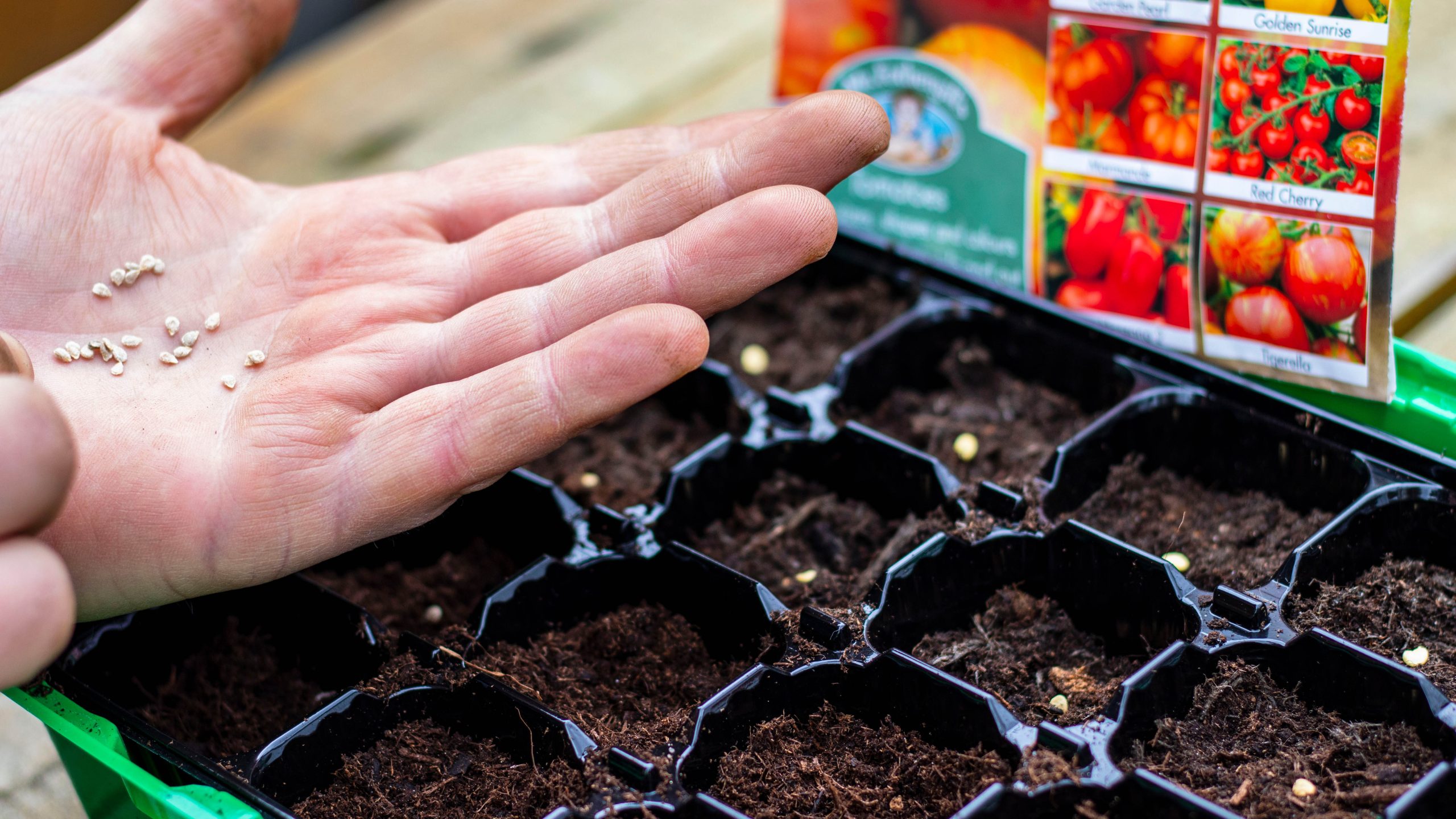
Planting a container-grown perennial is also different from scattering seed. The container plant already has a root system; a seed may require a particular sequence of moisture and temperature before it germinates. Choose which approach you are using before setting a schedule or judging progress.
Choose plants native to your region, not merely labelled wildflowers
Native status is geographical. A plant native to one part of North America is not automatically native to every county, habitat or growing zone. Use botanical names and regional references when comparing options. A generic “wildflower” mix can contain species that do not belong in your local ecosystem, so inspect the ingredient list instead of relying on its picture.
UGA identifies regionally suitable asters and goldenrods as examples that can provide late-season floral resources. Those common names cover many species with different heights, spread and site preferences. Check the particular species before planting it beside a path or in a small bed. A vigorous plant that suits a large naturalistic border may need more space than a compact front-yard planting can offer.
Consider flowers across the whole growing season rather than buying only plants that look attractive in September. Spring and summer bloomers can complement autumn-flowering species, while suitable host plants serve a different role from nectar plants. Native range, light, moisture and mature size should all fit before colour becomes the deciding factor.
Match the planting area to light, moisture and mature spread
Observe how much direct light the bed receives and where water remains after rain. Autumn light can differ from midsummer light, especially around deciduous trees, so use your observations of the whole year when available. A plant recommended for full sun will not necessarily thrive under a dense summer canopy merely because that spot becomes bright after leaves fall.
UGA recommends soil testing and addressing site needs before planting. Follow the resulting recommendations rather than adding fertiliser or amendments automatically. Remove aggressive weeds and plan access for watering and maintenance. If the site has a drainage problem, identify that problem before filling it with plants described vaguely as “low maintenance.”
Use the species’ mature dimensions to decide spacing. Small nursery pots can make a young bed appear sparse, but crowding to achieve an instant finished effect can create later work. Grouping compatible plants can produce a coherent layout while leaving room for growth. Keep paths, drains and inspection access clear.
Plant container stock carefully and water for establishment
Read the plant’s label and regional planting guidance, and examine the root ball before placing it in the ground. Set the crown at the depth recommended for that species; burying it more deeply is not a substitute for a stable planting hole. Handle the plant by its container or root ball rather than pulling on stems.
Water after planting so the surrounding soil settles around the roots. During the establishment period, inspect moisture where the root ball sits rather than judging only the surface. UGA recommends keeping new plants adequately moist without waterlogging. The amount and frequency needed will vary with rainfall, soil, wind, plant size and drainage.
Make a practical care plan before planting a large area. A smaller bed you can monitor is often a better starting point than many plants scattered beyond easy hose access. Keep the labels or a simple planting map so you can identify dormant plants next spring and avoid disturbing them while weeding.
Use mulch thoughtfully and preserve useful habitat
The UGA article suggests a light mulch layer around new plants, approximately one to two inches in its regional guidance, kept away from crowns. Adapt the material and depth to the species and site. More is not automatically better: mulch piled against the base can create conditions the plant does not tolerate.
Healthy stems and seedheads can provide winter structure and resources for wildlife. UGA recommends leaving them where reasonable while removing diseased material appropriately. That is a selective approach, not a rule to leave every plant untouched. Consider disease, path clearance and the specific plant’s care needs when deciding what stays.
Be cautious with pesticides in a planting intended to support pollinators. Identify the problem before treating it and seek local guidance on appropriate non-chemical or lower-risk management. The word “natural” on a product does not by itself establish that it is harmless to insects visiting the garden.
Treat seeds as a separate project and judge success next season
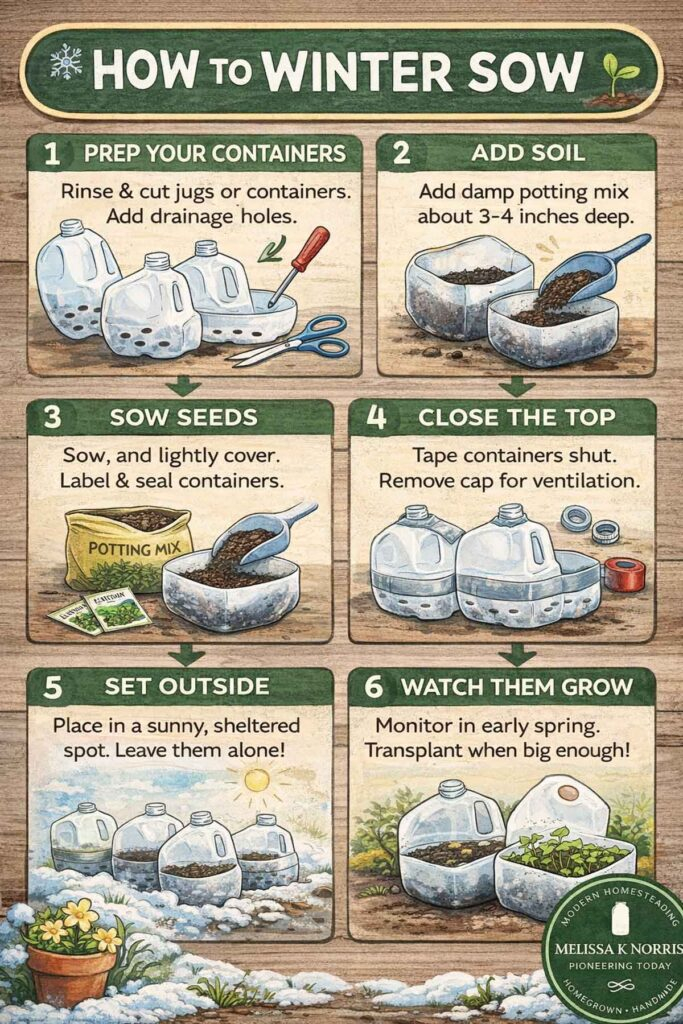
Some native seeds benefit from cold, moist conditions before germination, but requirements differ by species. UGA discusses autumn sowing as one way to provide winter conditions for appropriate native wildflowers. Do not apply one chilling period or sowing depth to every packet. Follow species-specific instructions and record where and when you sowed.
With either seeds or established plants, progress may be quiet. Dormancy is not necessarily failure, and an autumn-planted bed does not need to keep producing flowers until winter. Keep notes on survival, spring growth, flowering times and maintenance demands. Those observations will tell you which plants suit your site better than an attractive catalogue photograph.
The useful autumn task is building a regionally appropriate planting with enough time and care to establish. Confirm the local window, choose the right species, prepare the site and plan follow-up watering. That produces a more dependable starting point than treating fall as a universal shortcut to a finished pollinator garden.