
You know that feeling when you walk past a house and the bushes are literally swallowing the windows? It’s like the architecture is losing a slow, leafy battle. We’ve all seen it. Maybe you even have it. Those dense, dark green walls of arborvitae or boxwood that were once cute little potted babies from the garden center. Now, five years later, they are monsters. They block your light. They hide your pretty siding. And worst of all, they are probably causing moisture problems you can’t even see yet.
It happens to the best of us. You want curb appeal. You want privacy. So you buy what looks good in the 2-gallon pot. It’s affordable. It’s manageable. But nobody tells you the truth about what happens next. The hidden mistake isn’t just picking the wrong plant. It’s ignoring the future. It’s planting for today, not for ten years from now. In 2026, we still see this happening everywhere. From Ohio to California, homeowners are digging holes too close to the foundation and filling them with giants. Let’s talk about why this is a bad idea, and more importantly, how you can fix it without starting from scratch.
The Illusion of the Baby Plant
Here is the trap. You are standing in the nursery aisle. The sun is shining. You see a lovely little shrub. It’s maybe 18 inches tall. It fits perfectly in that empty spot under your living room window. The tag says "Mature Height: 8-12 feet." But your brain does a funny thing. It ignores that part. You think, "I’ll just prune it." Or you think, "It’ll take forever to get that big."
This is the number one error. Experts at places like This Old House have been warning us about this for decades. Jenn, a landscape expert, pointed out recently that people buy these small pots without realizing the sheer volume they will eventually occupy. It’s not just about height. It’s about width. That 18-inch wide plant might spread out to be six feet wide. Suddenly, your neat little row of shrubs is a tangled jungle.
And it’s not just aesthetics. When you plant something that big right against the house, you are creating a microclimate you didn’t ask for. The air can’t circulate. The sun can’t hit the siding. This leads to dampness. Dampness leads to rot. And rot leads to expensive repairs. It starts with a cute purchase and ends with a contractor’s bill. It’s a classic case of short-term gain for long-term pain.
The "Soldier Row" Syndrome
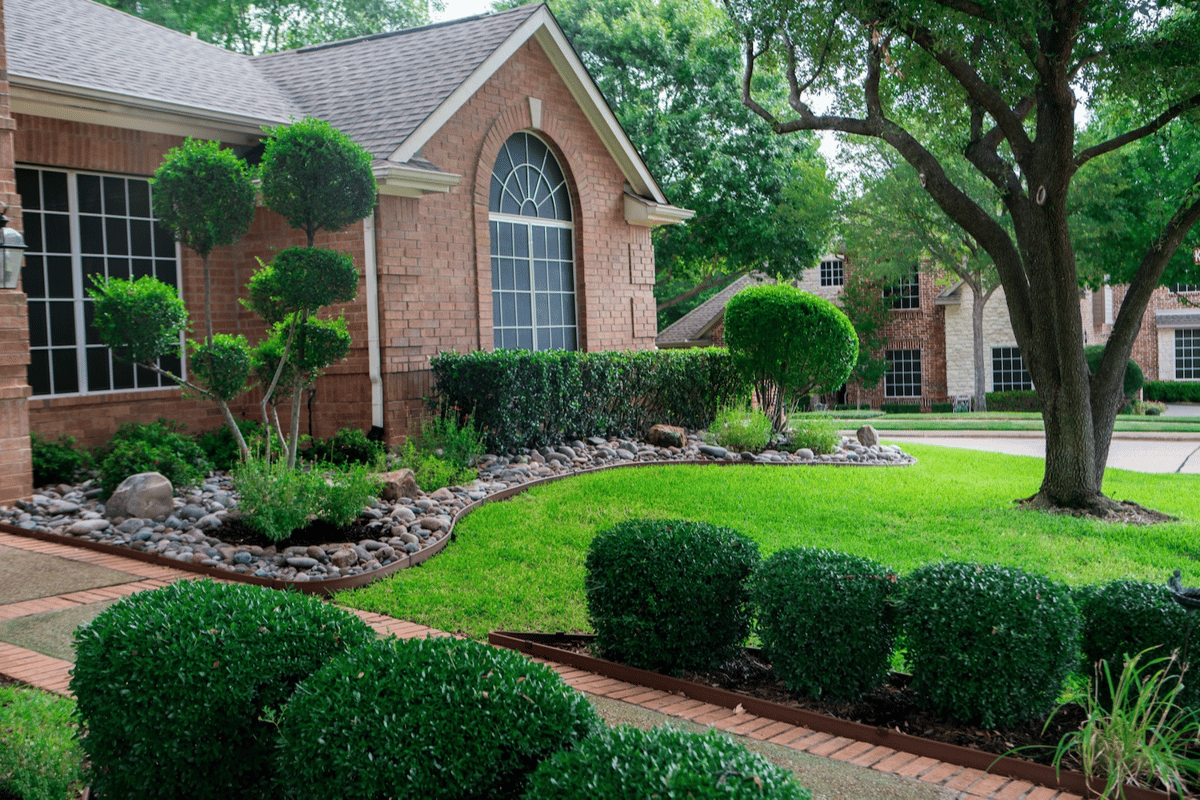
Another thing we see all the time is the "soldier row." You know what I mean. One type of shrub. Planted in a straight line. All the same height. All the same distance from the wall. It looks tidy at first. Very military. Very organized. But nature isn’t organized like that. And frankly, it looks dated.
Land design professionals in Boston noted in April 2026 that this approach lacks visual interest. It’s boring. But more than that, it’s fragile. If one plant gets a disease, they all do. If one dies, you have a gap in your perfect line. It creates a uniform barrier that blocks everything—light, air, and views.
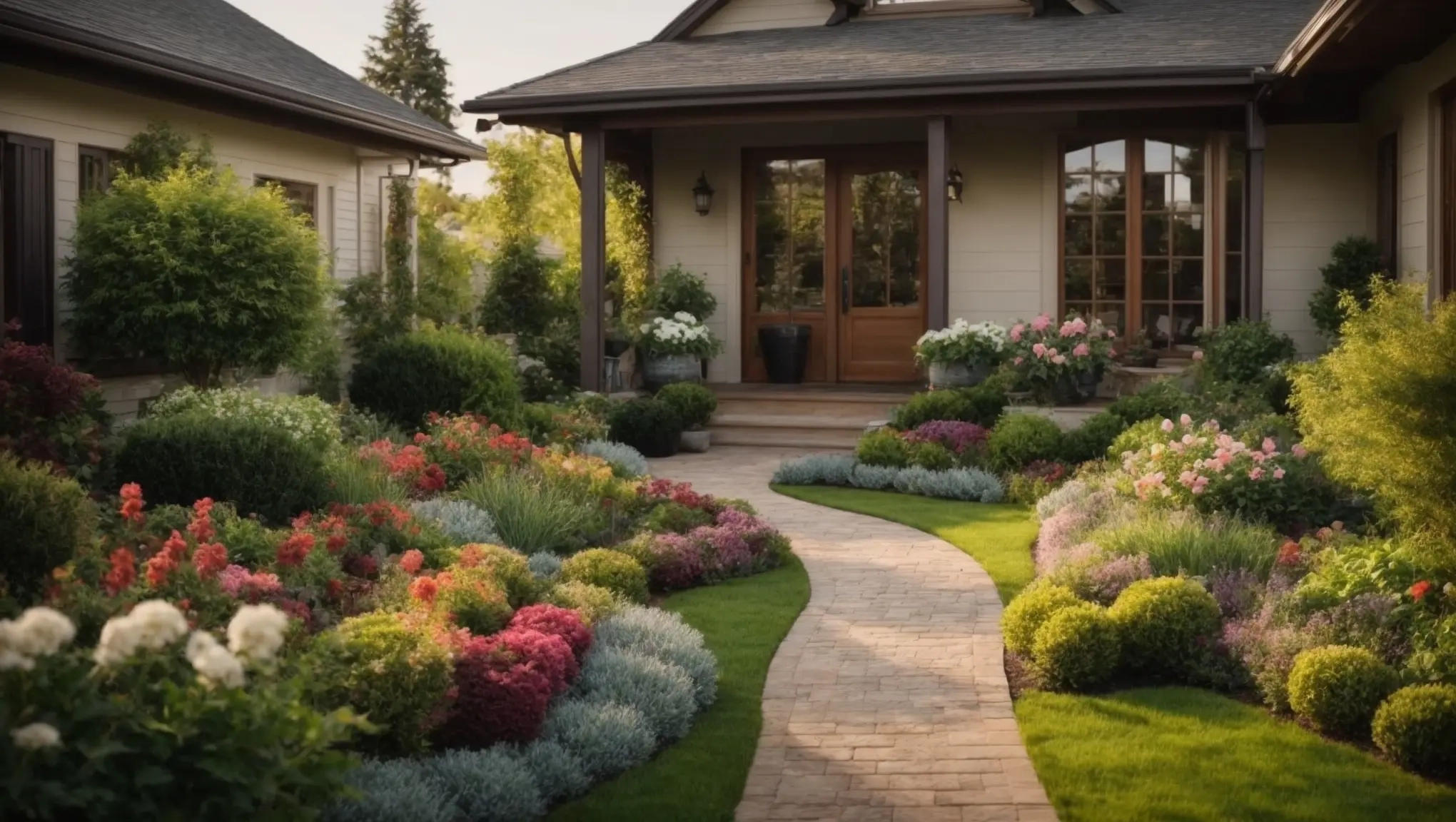
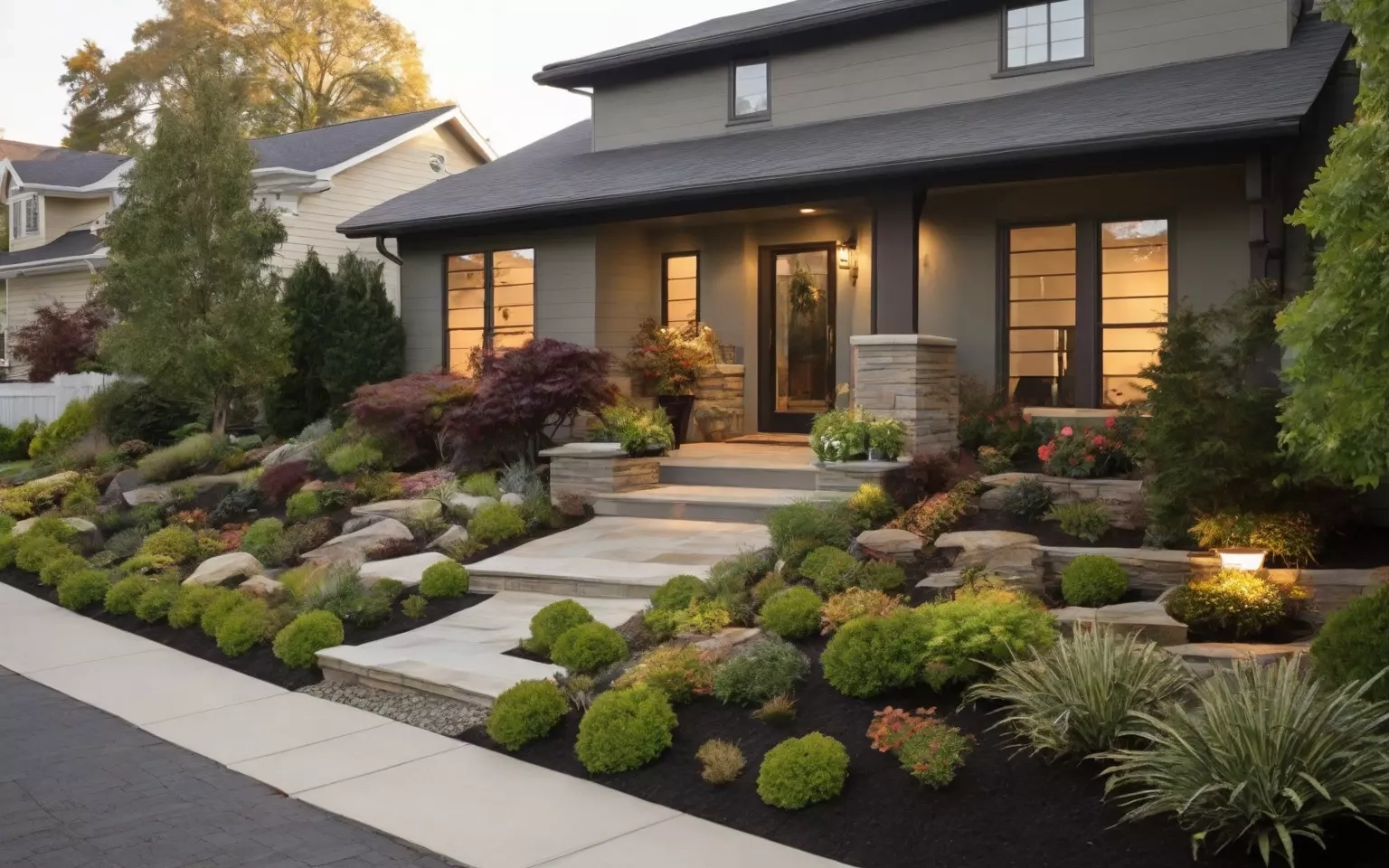
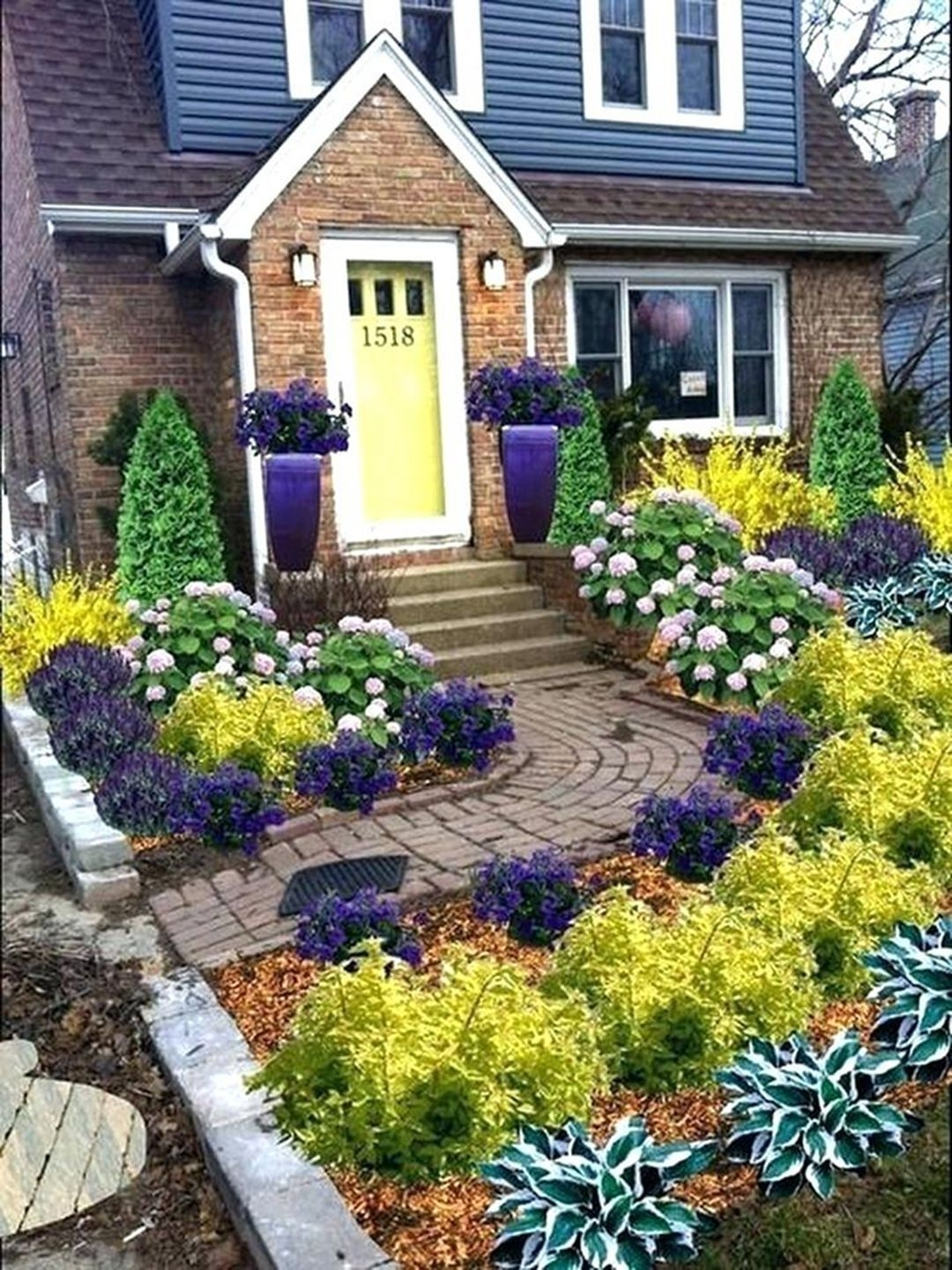
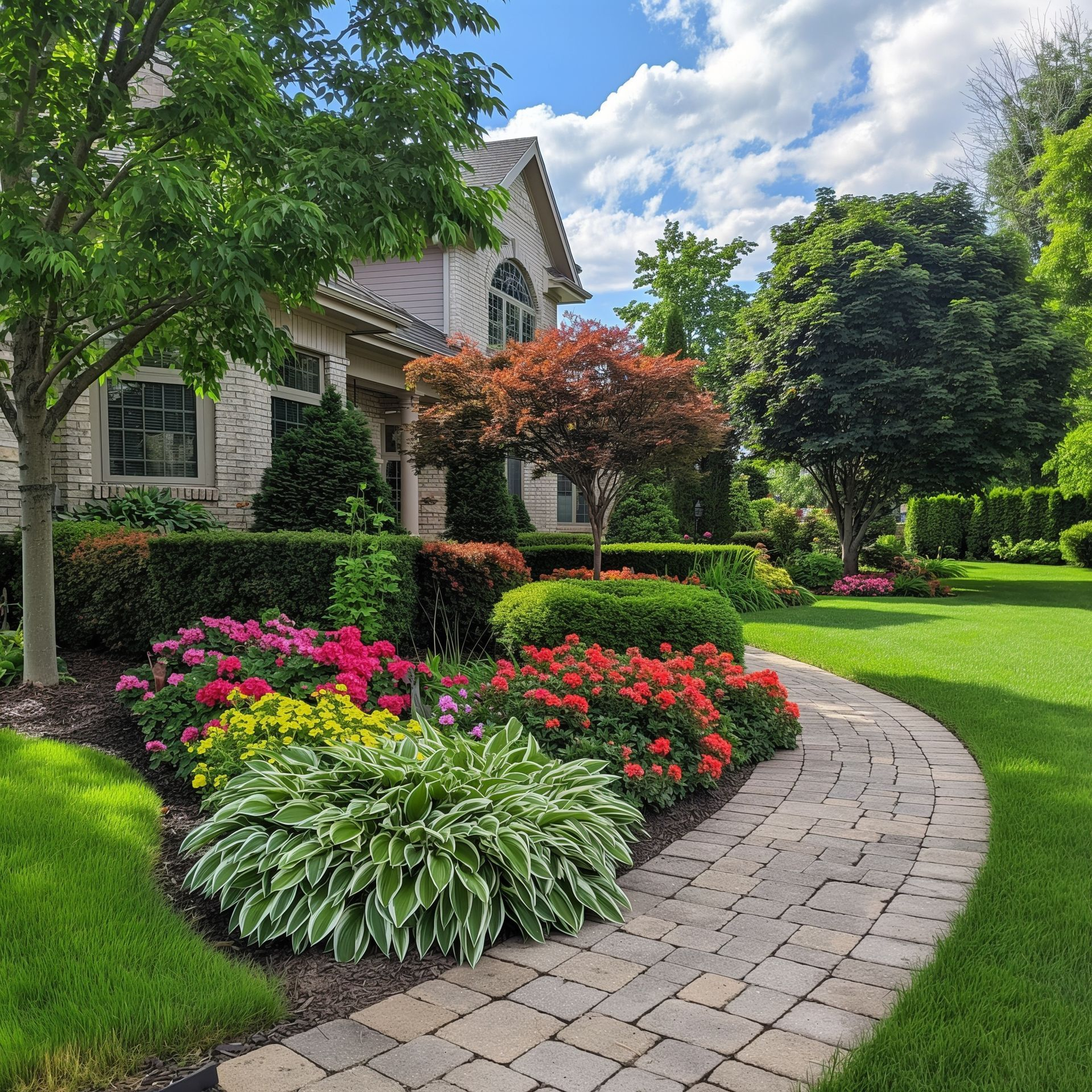
Think about how forests grow. They aren’t straight lines. They have layers. There are tall trees, medium shrubs, and low ground covers. They overlap. They weave together. Your foundation planting should do the same. By sticking to a single row of identical plants, you miss the chance to create depth. You also miss the chance to soften the hard lines of your home in a natural way. Instead of a wall, imagine a drift of plants. Some taller in the back, some lower in the front. It feels softer. It feels more alive.
Blocking the View (and the Light)
Let’s talk about windows. Your windows are the eyes of your house. They let light in. They let you see out. When you plant tall screening plants, like arborvitae, directly under them, you are blinding your home. Gardener Basics highlighted this specific mistake in early 2026. It’s everywhere. People want privacy, so they plant a hedge. But then they realize they can’t see their own front yard.
It’s a psychological thing too. Living behind a wall of green can feel isolating. You lose the connection to the street. You lose the sense of openness. And from the outside, it makes the house look smaller. The shrubs overwhelm the architecture. Instead of framing the window, they erase it.
There is a better way. Use lower-growing plants under windows. Save the tall stuff for the corners of the house, where it can frame the structure without blocking the glass. Think about the scale. If your window sill is three feet off the ground, don’t plant anything that grows taller than two feet directly in front of it. Keep the sightlines clear. Let the light pour in. Your mental health—and your electric bill—will thank you.
The Moisture and Maintenance Trap
Here is the part that keeps home inspectors up at night. When shrubs touch your siding, bad things happen. First, the branches rub against the paint or wood every time the wind blows. This wears away the protective coating. Second, the leaves hold moisture against the wall. Wood siding hates this. Vinyl siding can trap mold behind it. Even brick isn’t immune, as mortar can degrade faster when it’s constantly wet.
KC Waterproofing pointed out in 2025 that soil contact with siding is a major cause of wood rot. But it’s not just the branches. It’s the roots. Large shrubs have extensive root systems. If they are too close, those roots can push against the foundation. They can also suck up all the moisture from the soil near your footing, causing the clay to shrink and shift. This leads to cracks.
Then there is the maintenance issue. Audrey Driscoll, a blogger who has thought deeply about this, argues that foundation plantings are often just in the way. How do you clean your gutters? How do you wash your windows? How do you check for termites? If you have a thick hedge pressing against the house, you can’t do any of these things easily. You have to hack back the plants just to do basic house care. It turns a simple chore into a landscaping project.
Choosing the Right Scale for Your Space
So, what should you plant instead? The key is knowing the mature size. And I don’t mean reading the tag. Tags lie. Or rather, they give ideal conditions. You need to be realistic. Look for dwarf varieties. There are amazing dwarf conifers now that stay under three feet tall. There are compact hydrangeas. There are ornamental grasses that add texture without bulk.
Measure the space. Not just the length, but the depth. How far out from the house do you want the plants to go? If you have a narrow bed, stick to plants that stay narrow. Don’t try to force a round shrub into a skinny space. It will fight you. And you will lose.
Also, think about the seasons. Many people pick evergreens because they want green in winter. That’s fine. But a mix of deciduous shrubs adds interest. Flowers in spring. Color in fall. Structure in winter. Don’t be afraid of bare branches. They cast beautiful shadows. And they allow light to reach the house when the sun is low in the sky. Variety is the spice of life, and it’s the secret to a resilient garden.
Fixing the Overgrown Jungle
Okay, so maybe you already made the mistake. Maybe your bushes are currently eating your mailbox. Don’t panic. You don’t have to rip everything out. Well, maybe you do. But let’s look at options. First, assess the health. Are the plants dying from the inside out? Do they have bare stems at the bottom? If so, they are probably too old and stressed. It might be time to replace them.
If they are still healthy, you can try rejuvenation pruning. This means cutting them back hard. Not just a trim. We’re talking cutting them down to a foot or two from the ground. It looks scary. It looks ugly. But many shrubs, like spirea and viburnum, will bounce back thicker and healthier. Do this in late winter or early spring. Give them room to breathe.
If you decide to replace them, start fresh. Dig up the old roots. Amend the soil. And this time, space them properly. Check the mature width on the tag. Divide that number by two. That is how far apart you should plant them from the center. And keep them at least two to three feet away from the foundation wall. Give your house some breathing room. It’s a gift that keeps on giving.
At the end of the day, your home is a living system. It needs air. It needs light. It needs to dry out. When we pack plants tightly against it, we suffocate it. We create problems that are expensive and annoying to fix. The hidden mistake isn’t just about bad taste. It’s about ignoring the basic needs of both the plant and the structure.
Let’s stop fighting our houses. Let’s stop trying to force nature into tight, unnatural boxes. By choosing the right plants, giving them space, and thinking ahead, we can create landscapes that enhance our homes instead of hiding them. It takes a bit more planning. It takes a bit more patience. But the result is a home that feels open, healthy, and welcoming.
So next time you are at the garden center, look at that cute little pot. Imagine it ten years from now. Is it a partner to your home? Or is it a competitor? Choose wisely. Your future self—and your siding—will be grateful. And hey, if you mess up, that’s okay too. Gardens are forgiving. Just don’t let the jungle win.