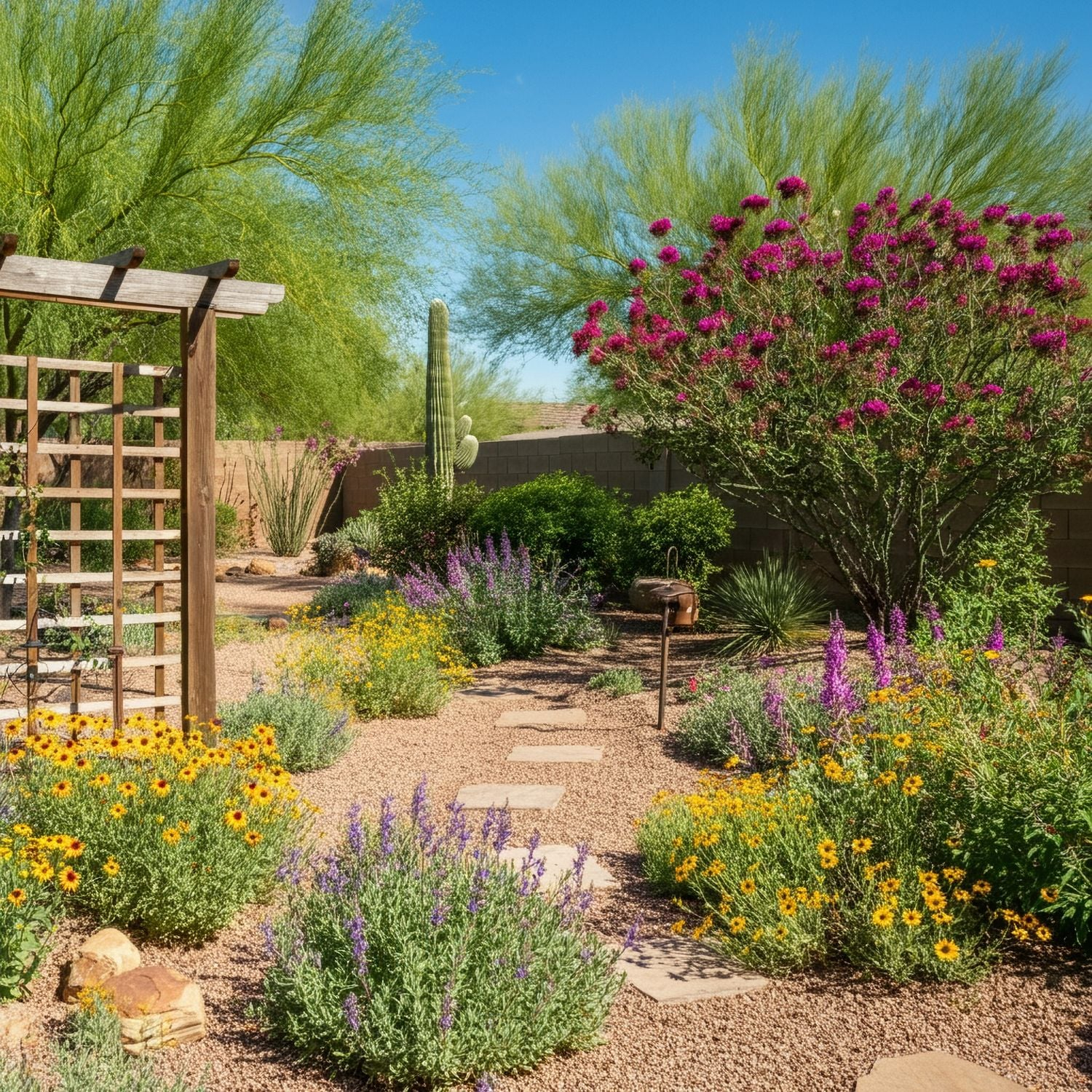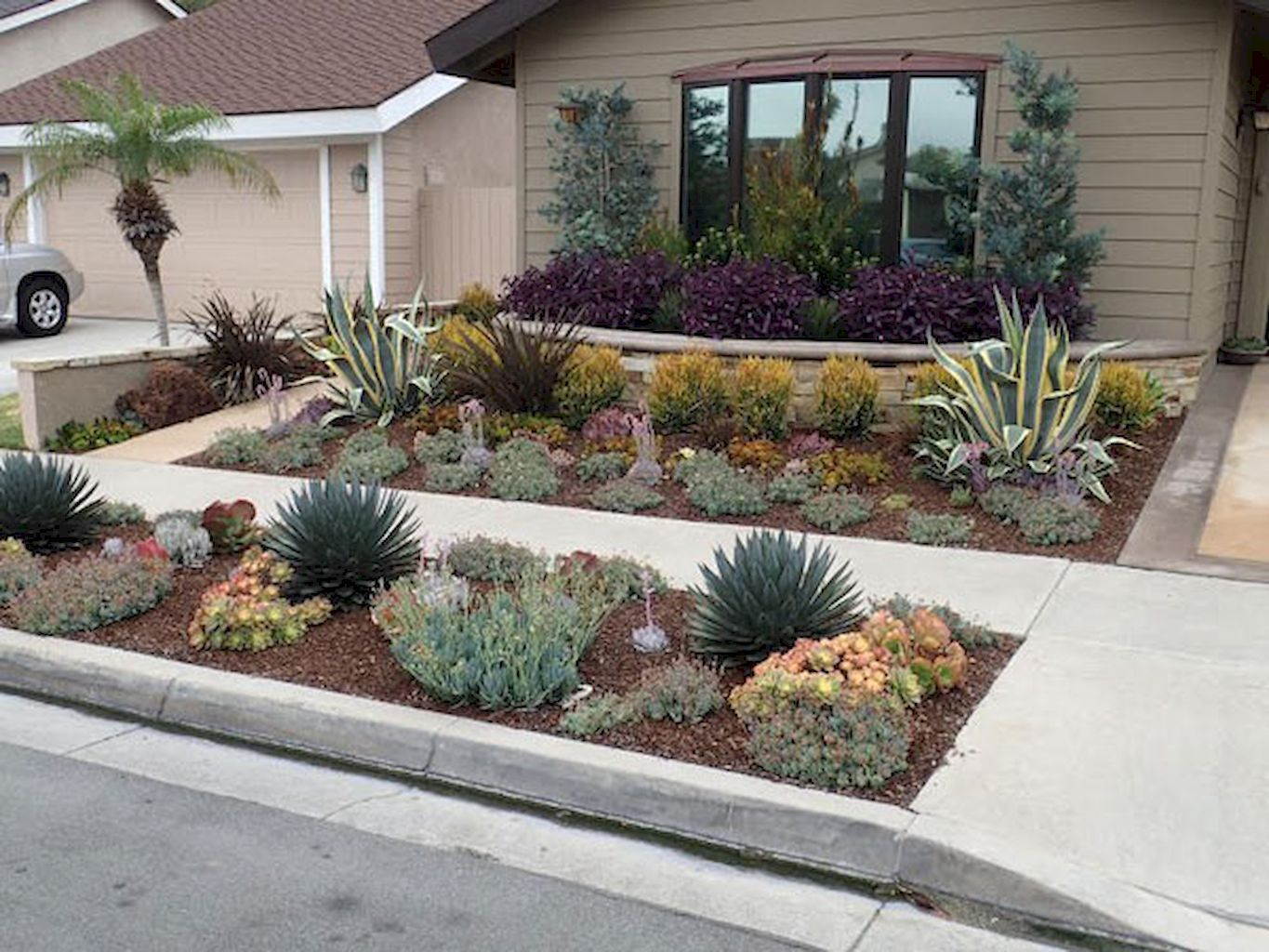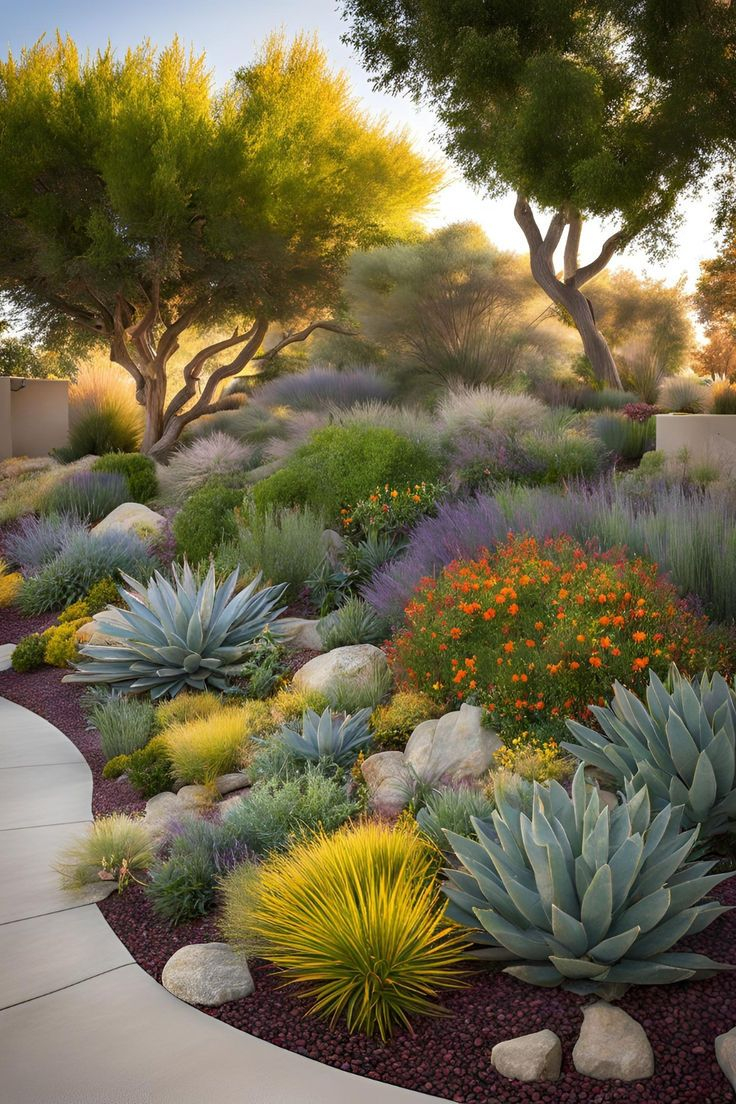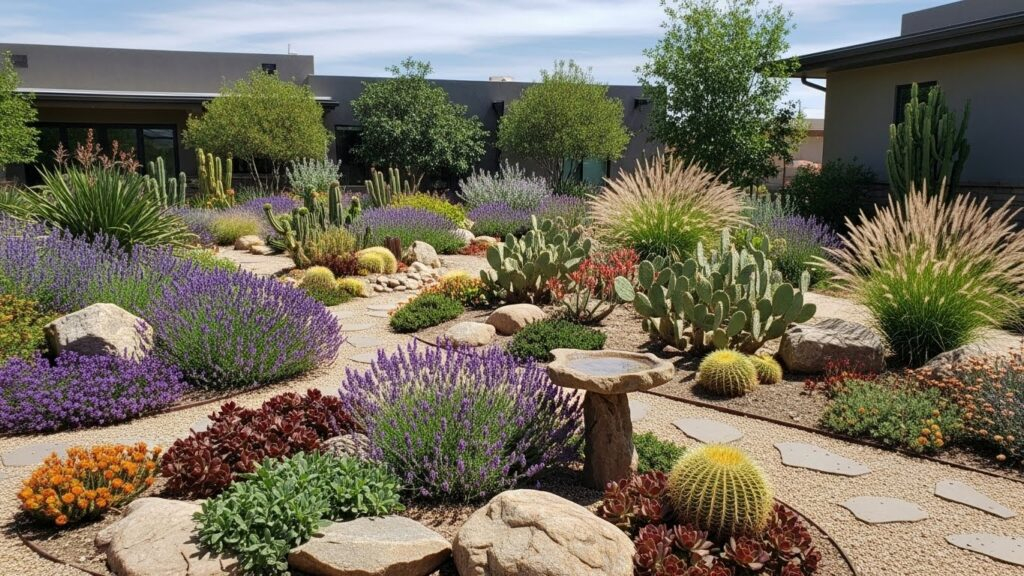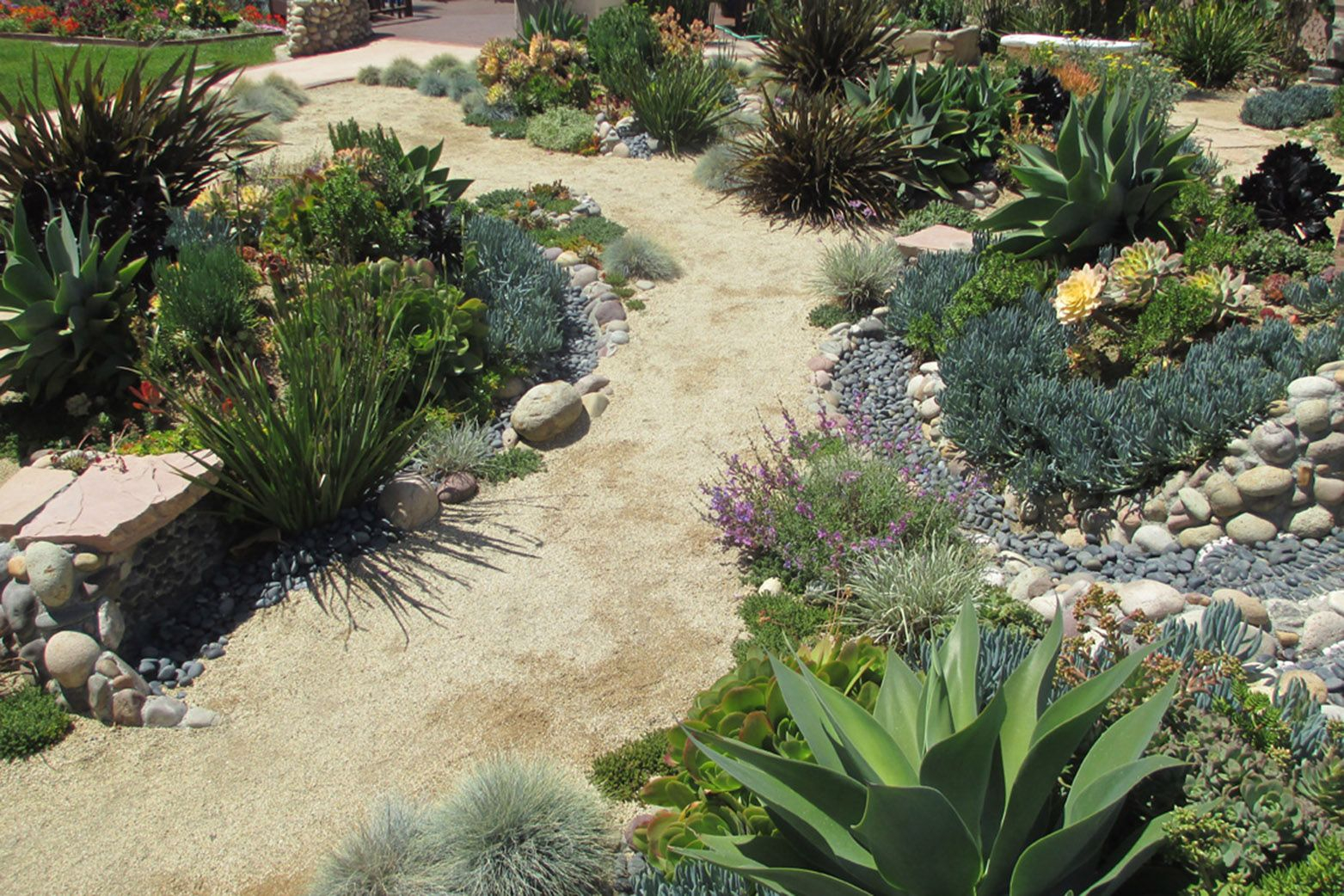

Let’s be honest for a second. When you hear the word "xeriscaping," what pops into your head? For years, it was probably a mental image of beige gravel, a few sad cacti, and a whole lot of dust. It felt like giving up. Like admitting defeat to the heat. But that old stereotype? It’s dead. Buried under layers of rich mulch and vibrant blooms. In 2026, xeriscaping isn’t about deprivation. It’s about abundance. It’s about working with nature instead of fighting it, and honestly, the results are stunning.
We’ve seen a massive shift recently. People aren’t just trying to save money on their water bills—though that’s a nice bonus. They’re looking for resilience. They want yards that can handle the hotter, drier summers we’re seeing more often, but they still want that feeling of coming home to an oasis. A place that feels alive. You don’t have to choose between saving water and having a beautiful garden. You can have both. In fact, when you stop trying to force thirsty tropical plants to survive in arid climates, you unlock a whole new world of textures and colors that are arguably even more interesting than the traditional lawn-and-shrub combo.
So, how do you actually do it? How do you move away from the "dry patch" look and create something that feels luxurious and inviting? It starts with changing how you see the garden. It’s not about what you can’t grow. It’s about celebrating what thrives. This guide is here to walk you through the art of creating a water-wise landscape that bursts with life, color, and texture, specifically tailored for the realities of gardening in 2026.
Rethinking the Palette: Color Beyond Green
The biggest myth about drought-tolerant gardening is that it’s monochromatic. That’s simply not true anymore. The trick, as many experts are pointing out in 2026, isn’t to plant colorful flowers everywhere. That’s a recipe for high maintenance and disappointment. Instead, think in "pockets." Intentional bursts of color that draw the eye and create focal points. Imagine a cluster of bright orange California poppies nestled against a backdrop of silvery foliage. Or deep purple salvias rising up like spires among golden grasses. These pockets create rhythm. They give your eye a place to rest and then a place to dance.
You have so many options for these color bursts. Consider the humble lantana. It’s tough as nails, loves the heat, and comes in shades of yellow, pink, red, and orange. Then there’s the gaillardia, or blanket flower, which offers those warm sunset tones that look incredible in the late afternoon light. Don’t forget the succulents. Echeverias and sedums aren’t just green; they come in powdery blues, deep burgundies, and soft pinks. By mixing these flowering perennials with colorful succulents, you create a tapestry that changes with the seasons. It’s dynamic. It’s alive. And it requires a fraction of the water a traditional flower bed would need.
The key is restraint. If everything is shouting for attention, nothing stands out. By keeping the majority of your planting palette in neutral or foliage-focused tones, those pops of color become powerful design elements. They feel earned. They feel special. Plus, many of these drought-tolerant bloomers are pollinator magnets. So while you’re enjoying the visual feast, bees and butterflies are too. It’s a win-win that makes your garden feel like part of a larger ecosystem, not just a decorative box.
Texture is the New Lawn
If color is the jewelry of the garden, texture is the outfit. In a xeriscape, texture is everything. Since we aren’t relying on a uniform carpet of green grass to fill space, we need variety in form and feel. This is where the "luxurious" feel comes in. Think about the contrast between the sharp, architectural lines of an agave and the soft, flowing movement of ornamental grasses. That juxtaposition creates visual interest that lasts all year round, even when nothing is in bloom. It’s about building strong bones.
Ornamental grasses are the unsung heroes of the 2026 xeriscape. Varieties like Blue Fescue, Fountain Grass, and Switchgrass add movement. They sway in the breeze, catching the light in ways that static shrubs just can’t. They provide a softness that balances out the harder elements like rock and stone. Then you have the structural plants. Yuccas, aloes, and barrel cacti provide vertical interest and geometric shapes. They anchor the design. They give it weight. Without them, a garden can feel flat. With them, it feels curated.
Don’t overlook the foliage itself. Leaves come in endless variations. There’s the fuzzy, silver leaves of Lamb’s Ear (which is surprisingly drought-tolerant once established). The waxy, blue-green needles of junipers. The broad, leathery leaves of manzanita. By layering these different textures, you create depth. You create a sense of mystery. Your eye wants to explore the nooks and crannies. It’s tactile. Even if you’re just looking from your porch, you can almost feel the difference between the rough bark of a desert willow and the smooth stones of a dry creek bed. This richness is what makes a xeriscape feel complete, not empty.
Smart Hardscaping and Ground Covers
Let’s talk about the ground beneath your feet. In traditional landscaping, this is usually lawn. In xeriscaping, it’s an opportunity for design. Hardscaping—paths, patios, retaining walls—isn’t just functional; it’s a major aesthetic component. But in 2026, the trend is moving away from sterile, perfect concrete slabs. We’re seeing more natural materials. Flagstone with moss growing in the cracks. Decomposed granite that crunches satisfyingly underfoot. Gravel that reflects the light and keeps the root zones cool. These materials age well. They develop character. They fit the environment.
But you don’t want just rock. That’s where ground covers come in. They are the glue that holds the design together. Creeping thyme is a fantastic option. It smells amazing when you step on it, produces tiny purple flowers, and handles foot traffic reasonably well. Sedum mats are another great choice, offering a carpet of succulent goodness that suppresses weeds and retains moisture. Ice plant is another classic, providing a splash of vibrant color in the spring and summer while covering large areas efficiently.
The goal here is to reduce the amount of exposed soil. Exposed soil evaporates water quickly and invites weeds. By using a mix of hardscaping and low-growing, drought-tolerant ground covers, you create a sealed system. It’s efficient. It looks intentional. And it drastically reduces the time you spend weeding. Think of it as designing the floor of your outdoor room. You wouldn’t leave half your living room floor as bare dirt, right? You’d use rugs and flooring. Same logic applies here. It ties the whole look together and makes the space feel finished and inviting.
The Invisible Engine: Water Wisdom
Here’s the thing: xeriscaping doesn’t mean no water. It means smart water. Especially in the first year or two, your plants need help getting established. Their roots need to go deep. Once they do, they’ll be self-sufficient for the most part. But getting there requires a strategy. Drip irrigation is the gold standard. It delivers water directly to the root zone, minimizing evaporation and runoff. It’s efficient. It’s quiet. And unlike sprinklers, it doesn’t wet the foliage, which helps prevent disease.
In 2026, smart controllers are more accessible than ever. You can set your irrigation system to adjust based on local weather data. If it rained yesterday, the system skips today. If it’s going to be unusually hot, it might add a little extra. This takes the guesswork out of watering. It prevents overwatering, which is actually more dangerous to drought-tolerant plants than underwatering. These plants hate sitting in soggy soil. They need to dry out between drinks.
Mulch is your other best friend. A thick layer of organic or inorganic mulch acts like a blanket for the soil. It keeps the roots cool in the summer and warm in the winter. It slows down evaporation. And as organic mulch breaks down, it feeds the soil. Aim for two to three inches of coverage. It makes a huge difference in how much water you need to apply. It’s a simple step, but it’s transformative. Combine drip irrigation with good mulching, and you’re setting your garden up for success. You’re working with physics and biology, not against them.
Layering for Depth and Dimension
A common mistake beginners make is planting everything at the same height. It creates a flat, boring look. To create that professional, designed feel, you need to layer. Think in terms of foreground, mid-ground, and background. Start with your tallest elements—the "thrillers." These might be small trees like the Desert Willow or Juniper, or tall shrubs like Texas Sage. Place these towards the back of beds or as central anchors. They provide the vertical structure.
Next, fill in the mid-ground with your mounding shrubs and medium-height perennials. This is where your texture play really shines. Mix rounded shapes with spiky ones. Place a soft, mounding Russian Sage next to a rigid, upright Agave. The contrast highlights both. Finally, spill over the edges with your ground covers and trailing plants. This softens the hardscaping. It blurs the lines between the built environment and the natural one. It makes the garden feel like it’s overflowing, not contained.
This layering technique also helps with microclimates. Taller plants can provide a bit of shade for smaller, more sensitive plants during the hottest part of the day. They can act as windbreaks. By thinking in three dimensions, you create a habitat, not just a display. It feels more natural. More wild, even though it’s carefully planned. And don’t be afraid to edit. If a plant isn’t fitting the layer, move it. Gardening is an iterative process. You’re sculpting with living things. It takes time, but the depth you achieve is worth every adjustment.
Let’s clear up one last misconception: xeriscaping is zero maintenance. Nope. It’s low maintenance, but it’s not no maintenance. However, the type of work is different. You’re not mowing every week. You’re not fertilizing constantly. Instead, you’re pruning occasionally to keep shapes tidy. You’re checking your drip lines for clogs. You’re pulling the occasional weed before it gets big. It’s a slower, more mindful kind of care. It’s about observation.
In the beginning, you’ll spend more time watering and watching. You need to learn how your specific plants react to your specific site. Does that corner get more sun? Is that spot windy? Adjust accordingly. Once established, though, the workload drops significantly. Most drought-tolerant plants only need a deep soak once every few weeks in the peak of summer, and less in the cooler months. Pruning is usually done once or twice a year, often just to remove dead wood or shape the plant after flowering.
The reward for this initial effort is a garden that resiliences. It bounces back from heatwaves. It survives droughts. It supports local wildlife. And it looks good doing it. You’re not fighting nature; you’re partnering with it. That partnership brings a sense of peace. There’s a joy in seeing a plant thrive because it’s in the right place, doing what it’s evolved to do. It’s less chore, more connection. And in 2026, that connection to our environment is more valuable than ever. So grab your trowel, pick some tough beauties, and start building your oasis. It’s easier than you think, and prettier than you imagine.