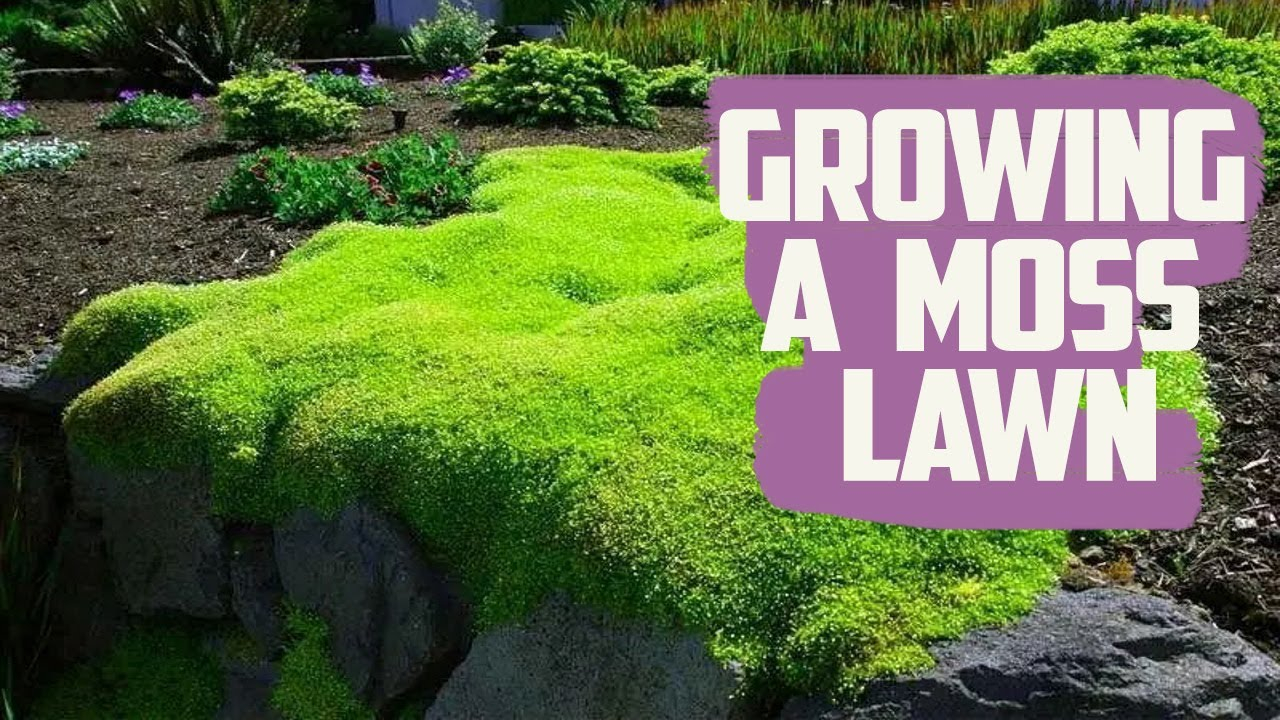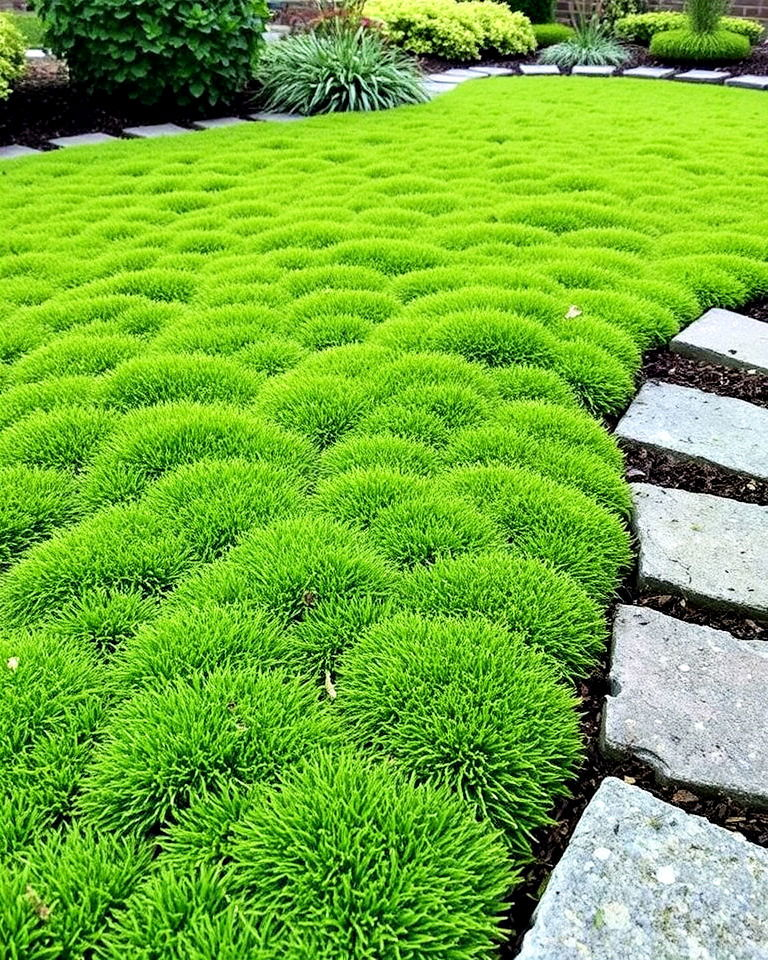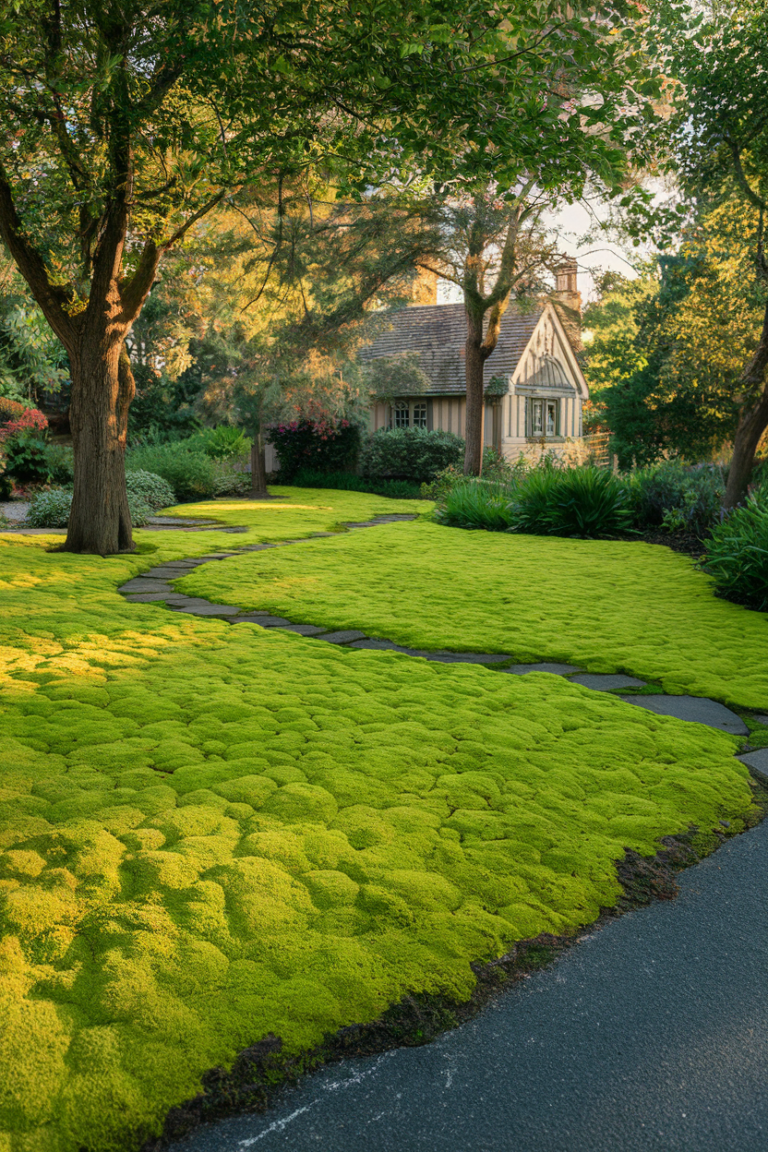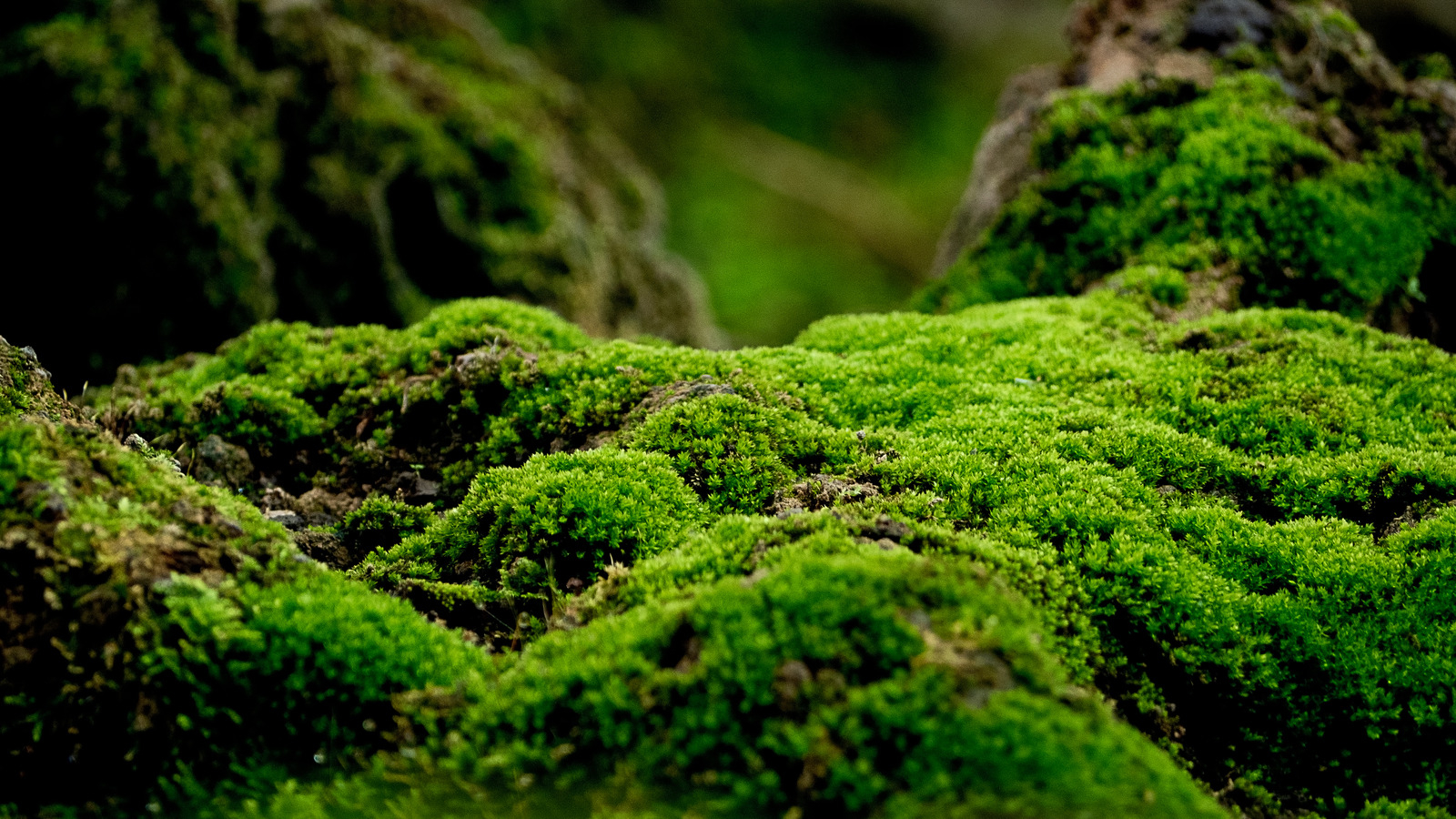

Imagine stepping out onto your back porch on a humid July morning. Instead of the usual chore list staring you down—mow, edge, fertilize, water—you see a soft, emerald carpet that looks like it belongs in a fairy tale. It’s quiet. It’s cool underfoot. And best of all? You haven’t touched a lawnmower in months. Sounds too good to be true, right? Well, for thousands of homeowners in 2026, this isn’t a dream. It’s their reality.
We’ve spent decades fighting nature, trying to force manicured turfgrass to grow in shady, acidic, or dry spots where it clearly doesn’t want to be. But what if we stopped fighting? What if we worked with the ground instead of against it? That’s the promise of the moss lawn. It’s not just a trend; it’s a shift toward a more sustainable, peaceful way of living with our land. Whether you’re tired of the weekend grind or just want a garden that feels alive, moss might be the answer you’ve been looking for.
Why Ditch the Grass? The Real Benefits of Going Mossy
Let’s be honest: traditional lawns are high-maintenance divas. They demand constant attention, huge amounts of water, and a steady diet of chemicals just to stay green. In contrast, moss is the ultimate low-key neighbor. Once it’s established, it basically takes care of itself. According to recent guides from sources like BackyardBoss and Martha Stewart, moss lawns require zero mowing, zero fertilizing, and little to no watering beyond what nature provides. That’s a massive relief for your schedule and your wallet.
But it’s not just about laziness—though who can blame you? It’s about ecology. Moss doesn’t have deep roots like grass, so it doesn’t need heavy irrigation. This makes it a water-wise choice, especially as summers get hotter and drier. Plus, because you aren’t running a gas-powered mower every week, you’re cutting down on carbon emissions and noise pollution. It’s a small change that adds up to a big impact on your local environment. Think of it as giving your yard a breath of fresh air, literally and figuratively.
There’s also the aesthetic appeal. Moss has a texture and depth that grass simply can’t match. It creates a serene, almost Japanese-garden vibe that feels timeless. Whether you have a tiny urban patch or a sprawling shady backyard, moss adapts. It fills in cracks, wraps around tree roots, and softens hard edges. It’s not just a lawn substitute; it’s a design element that brings calm and beauty to your outdoor space without the fuss.
Is Your Yard Ready? Assessing Site Conditions
Before you go buying bags of moss, you need to take a hard look at your yard. Moss isn’t magic; it has specific needs. The biggest factor? Shade. Most moss species thrive in partial to full shade. If your yard gets blasted by direct sunlight for six or more hours a day, moss will likely scorch and turn brown. However, don’t despair if you have some sun. Some varieties, like certain types of sheet moss, can handle a bit more light if they stay moist. But generally, if you’re struggling to grow grass because of shade, that’s a perfect sign that moss will love it there.
Next, check your soil pH. Moss loves acidity. Ideally, you want a pH between 5.0 and 6.0. If your soil is alkaline (high pH), moss will struggle. You can buy a simple test kit at any garden center for cheap. If your pH is too high, you can lower it by adding sulfur or peat moss. Also, look at your soil texture. Moss doesn’t care much about nutrients—in fact, fertile soil often helps weeds compete against it. It prefers compacted, poor soil where grass fails. So if your dirt is rocky, clay-heavy, or just plain stubborn, moss might actually thank you for it.
Finally, consider your climate. While moss grows in many zones, timing matters. In cooler climates, spring and fall are the best times to plant. In warmer zones, you might have a wider window, but avoid the peak heat of summer. Check local resources like BloomingExpert for zone-by-zone timing guides. The key is moisture. Moss needs consistent dampness to establish. If you live in an arid region, you’ll need to be more diligent about watering during the first few months. But once it’s rooted? It’s tough as nails.
Choosing the Right Moss: Species That Work as Lawn Replacements
Not all moss is created equal. Walking into a garden store, you might see dozens of types, but only a few are suitable for creating a walkable, lawn-like carpet. The three main contenders are Sheet Moss, Cushion Moss, and Haircap Moss. Sheet moss (like Hypnum) is probably the most popular for lawns. It spreads horizontally, forming a dense, flat mat that feels soft underfoot. It’s forgiving, adaptable, and looks great in large patches. If you want that classic "green velvet" look, this is your go-to.
Cushion moss (like Leucobryum) grows in clumps rather than a flat sheet. It’s incredibly plush and feels like walking on a memory foam mattress. It’s beautiful, but it doesn’t spread as aggressively as sheet moss. You’ll need to plant the plugs closer together if you want full coverage quickly. It’s perfect for adding texture and dimension, especially around stepping stones or tree bases. Just remember, it can dry out faster than sheet moss, so keep an eye on moisture levels.
Haircap moss (Polytrichum) is the tall, dramatic option. It stands upright and can grow several inches high. It’s very resilient and can handle slightly more foot traffic and sun than the others. However, it doesn’t create that smooth, flat surface people often imagine with a moss lawn. It’s more rustic and wild. For a true lawn replacement, most experts recommend sticking with Sheet Moss or a mix of Sheet and Cushion. Avoid delicate forest floor mosses that crumble when touched—they won’t survive even light walking. Stick to the tough guys.
Preparation and Planting: Three Methods to Get Started
Once you’ve picked your moss, it’s time to prep the site. This is the most critical step. You need to remove existing grass, weeds, and debris. Yes, it’s work, but it’s a one-time effort. You can smother the grass with cardboard and mulch for a few months, use a sod cutter, or manually dig it out. The goal is bare soil. After clearing, rake the area smooth and firm it down. You want good contact between the moss and the soil. Some people lightly scarify the soil surface to help the moss rhizoids (root-like structures) grip better.
Now, how do you actually get the moss down? There are three common methods. The first is the Plug Method. You buy small pieces of moss and place them 6–12 inches apart in a grid pattern. Press them firmly into the soil. This is cost-effective and works well if you’re patient, as the moss will spread to fill the gaps over 6–12 months. The second is the Sheet Method. You lay down larger mats of moss side-by-side, like sod. This gives instant coverage but is more expensive and requires careful seam blending so it doesn’t look patchy.
The third method is the Moss Slurry or "Moss Milkshake." You blend moss fragments with buttermilk or yogurt and water, then paint or spray the mixture onto rocks, soil, or between pavers. This is great for vertical surfaces or irregular areas, but it’s less reliable for large, walkable lawns. For a true lawn, stick to plugs or sheets. Whichever method you choose, water thoroughly immediately after planting. Keep the area consistently moist for the first few weeks. This is the make-or-break period. If the moss dries out now, it dies. Keep it damp, not soggy.
Maintenance Myths Busted: Caring for Your New Lawn
Here’s the best part: once your moss is established, maintenance is nearly non-existent. But "no-mow" doesn’t mean "no-care." Let’s clear up some myths. First, you do NOT need to fertilize moss. In fact, fertilizer will kill it or encourage weeds to take over. Moss gets its nutrients from the air and rain. Second, you don’t need to water it regularly once it’s rooted, unless you’re in a drought. Annual rainfall is usually enough. If it looks crispy during a dry spell, a quick misting will perk it right back up.
What about weeds? They are your main enemy. Since you aren’t using herbicides, you’ll need to pull weeds by hand. The good news is that moss forms such a dense mat that it naturally suppresses most weed growth. If you see a dandelion poking through, just pluck it. Do it early, before it seeds. Also, keep leaves off the moss in autumn. A thick layer of wet leaves can smother the moss and cause rot. A leaf blower on a low setting or a gentle rake works wonders.
Foot traffic is another concern. Moss is surprisingly durable, but it’s not concrete. Heavy, concentrated traffic (like kids playing soccer every day) can wear it down. But for normal walking, sitting, or gardening, it holds up beautifully. If you notice bare spots, just press a new piece of moss into the gap and keep it moist. It will knit in with the surrounding area. Think of it as a living puzzle that repairs itself. It’s forgiving, resilient, and asks for very little in return.
Even with the best intentions, things can go wrong. If your moss is turning brown, don’t panic. It might just be dormant due to heat or dryness. Mist it with water, and it often greens up again within days. If it stays brown and crispy, it’s likely dead from lack of water during establishment or extreme sun exposure. In that case, you’ll need to replant those sections and maybe add some shade cloth or plant taller perennials nearby to filter the light.
Another common issue is algae or slime mold. This usually happens if the area is too wet and lacks airflow. Improve drainage and trim back overhanging branches to let more air circulate. Avoid walking on wet moss, as it can damage the structure and compact the soil underneath. If you see invasive weeds taking hold, reassess your weeding routine. Sometimes, a thin layer of pine straw or bark mulch around the edges can help define the space and keep invaders out.
In 2026, with changing weather patterns, adaptability is key. If you’re experiencing heavier rains, ensure your site drains well so the moss doesn’t sit in standing water. If it’s hotter, consider installing a simple drip irrigation system on a timer just for the establishment phase. Remember, moss is a partnership with nature. Observe what it’s telling you. Is it drying out? Water more. Is it getting mushy? Let it breathe. By paying attention, you’ll develop a rhythm that keeps your lawn lush and vibrant year after year.
So, are you ready to join the no-mow revolution? Growing a moss lawn isn’t just about saving time or water; it’s about reconnecting with a slower, more mindful way of caring for your home. It transforms your yard from a chore into a sanctuary. Sure, there’s some upfront work to clear the site and plant the moss, but the payoff is immense. Imagine weekends spent reading in a hammock instead of pushing a mower. Imagine the soft give of green under your bare feet.
Start small if you’re nervous. Try a shady corner or a path between trees. See how the moss responds to your specific microclimate. Learn its quirks. As you gain confidence, expand your green carpet. Connect with local gardening groups online or in person; many people are sharing tips and even swapping moss plugs these days. It’s a growing community, pun intended.
In the end, a moss lawn is a testament to working with nature, not against it. It’s sustainable, beautiful, and deeply satisfying. So grab a trowel, find some shade, and let the velvet takeover begin. Your back—and your conscience—will thank you.