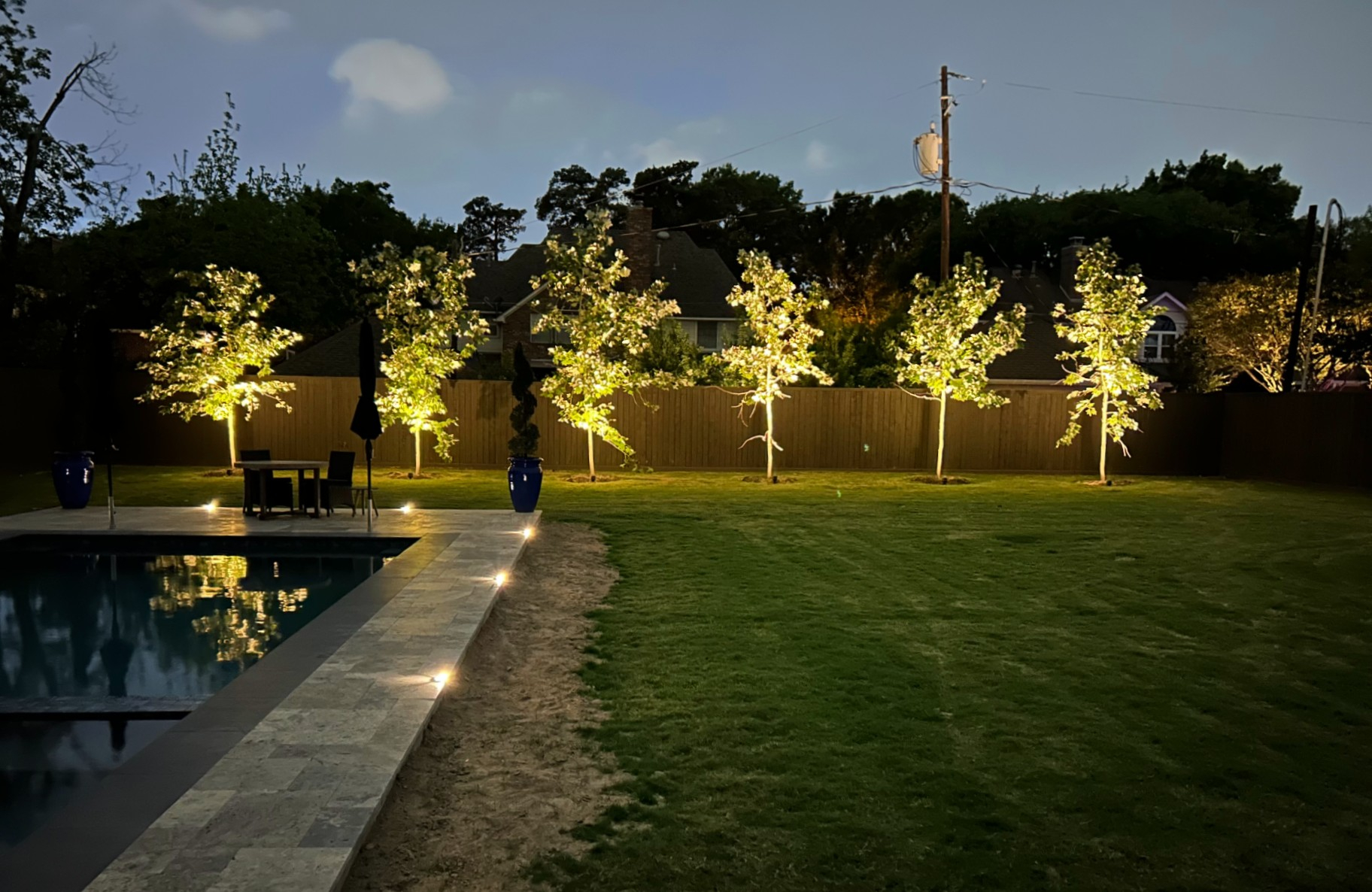

You step outside at night. The air is cool. But something feels… flat. Your garden, which looked so lush and vibrant during the day, now looks like a black void with a few vague shapes. It’s disappointing, right? You spent hours planting, pruning, and designing. Yet when the sun goes down, all that effort seems to vanish into the darkness.
This is where most homeowners get stuck. They think lighting is just about safety. Or maybe they buy a few solar stakes that flicker and die after a month. But there’s a better way. A secret weapon, if you will. It’s called uplighting. And in 2026, it’s not just a trend. It’s the foundation of truly magical outdoor spaces.
Uplighting flips the script. Instead of flooding your yard with harsh, overhead light (which often feels like a parking lot), it draws the eye upward. It highlights texture. It creates shadows that dance. It turns a simple oak tree into a sculpture. It makes a brick wall look ancient and storied. It adds depth where there was none. Let’s dive into why this technique is taking over landscape design this year, and how you can use it to transform your own backyard.
The Psychology of Looking Up
Why does looking up feel so dramatic? Think about it. In nature, light usually comes from above. The sun. The moon. So when we place lights on the ground and aim them up, we’re doing something unnatural. And that’s exactly why it works. It catches our attention. Our brains are wired to notice things that break the pattern.
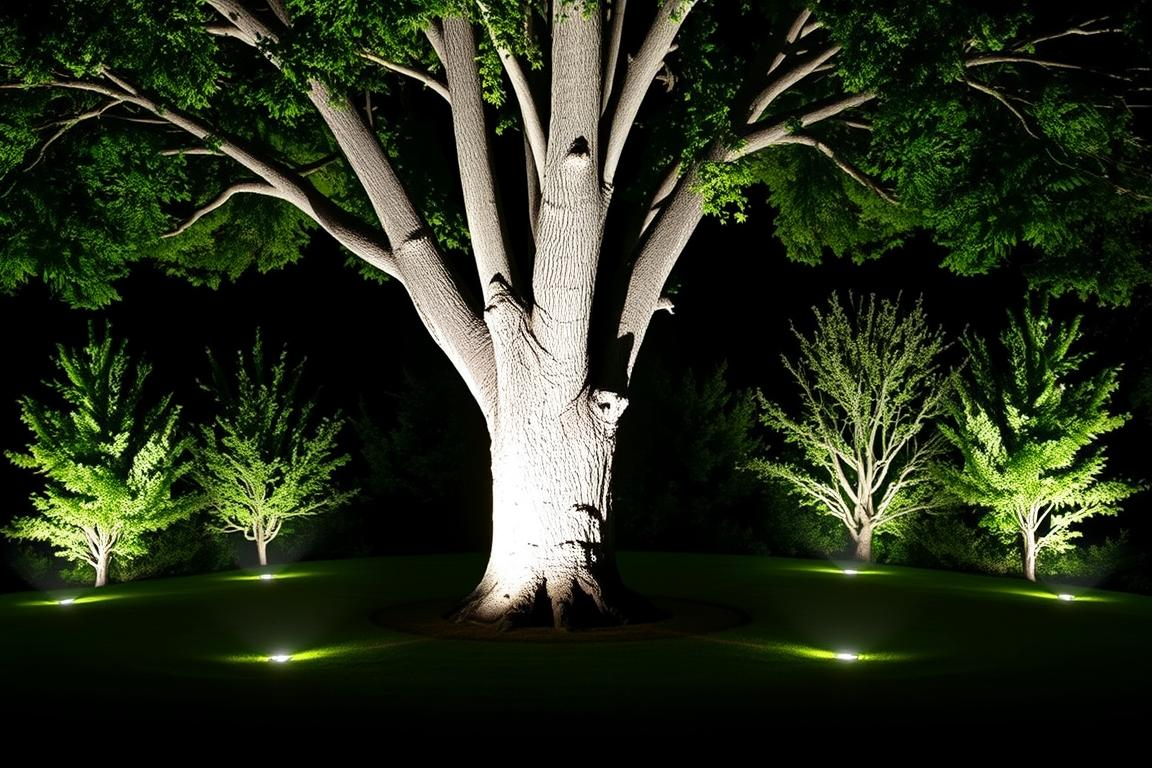
Uplighting creates what designers call "visual weight." When you illuminate the base of a tree or the corner of a house, you anchor that object in the scene. It feels solid. Important. Without uplighting, large vertical elements can disappear at night. They become silhouettes. Flat. Boring. But hit them with a well-placed beam, and suddenly they have presence. They command the space.
In 2026, we’re seeing a shift away from uniform brightness. People don’t want their yards to look like sports stadiums. They want mood. They want mystery. Uplighting delivers this by creating pools of light and pockets of shadow. This contrast is key. It’s the difference between seeing a wall and feeling a wall. The light grazes the surface, highlighting every bump, groove, and grain. It invites you to look closer. To explore.
And let’s be honest. We spend so much time looking down these days. At our phones. At our feet. Uplighting encourages us to lift our heads. To appreciate the height of our trees. The architecture of our homes. It changes how we experience our own spaces. It’s not just lighting. It’s perspective.
Mastering the Art of Placement
So, how do you actually do it? You can’t just stick a light anywhere and hope for the best. Placement is everything. Get it wrong, and you’ll create glare. Harsh hotspots. A mess. Get it right, and it looks effortless. Like magic.
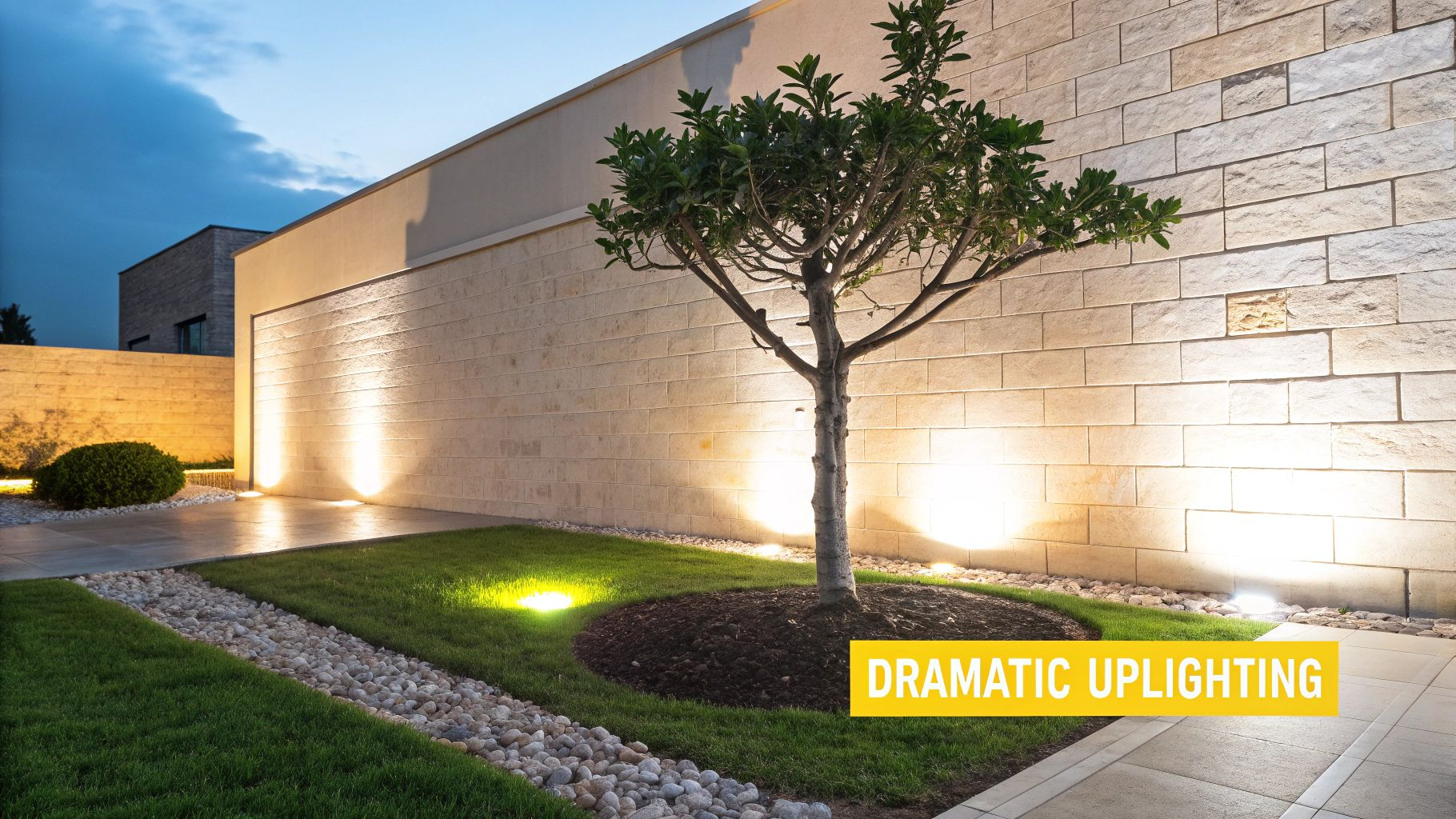
The golden rule? Distance matters. For most trees and architectural features, you want to place your fixture 2 to 4 feet away from the base. Why? If you put it too close, the light spreads out too wide. It washes out the detail. It looks blown out. If you put it too far, the beam gets weak. It loses impact. That 2-4 foot sweet spot allows the light to graze the surface properly. It creates those long, dramatic shadows that add depth.
But wait. There’s more. You also need to think about angle. A narrow beam (like 15 degrees) is great for tall, slender trees. It focuses the light. A wider beam (like 30 or 40 degrees) works better for shorter, bushier plants or wide walls. It covers more area. Don’t be afraid to experiment. Move the light around. Step back. Look. Adjust. It’s a process.
Another pro tip for 2026? Hide the source. Nothing kills the mood faster than seeing the actual fixture. It breaks the illusion. Use mulch. Use rocks. Use low-growing plants to camouflage the light. The goal is to see the effect, not the tool. When done correctly, people won’t even know where the light is coming from. They’ll just feel the ambiance. It’s subtle. It’s refined. And it makes all the difference.
Texture and Shadow: The Dynamic Duo
Let’s talk about texture. Daylight shows us color. But nighttime? Nighttime is about form and texture. Uplighting is the best way to reveal texture because of how it interacts with surfaces. When light hits a rough surface from below, it creates tiny shadows in every crevice. This is called "grazing."
Think about a stone wall. During the day, it might just look gray. But at night, with uplighting grazing across it, you see every ridge. Every pit. Every variation in the stone. It becomes alive. The same goes for brick. Wood siding. Even tree bark. Uplighting turns ordinary materials into extraordinary features. It adds warmth. Character. Depth.
Shadow is the other half of the equation. You can’t have one without the other. Shadows define shape. They tell our brains how far away something is. How big it is. Without shadows, everything looks flat. Two-dimensional. Uplighting creates long, stretching shadows that reach out into the darkness. These shadows guide the eye. They create movement.
In 2026, designers are leaning into this organic interplay. They’re not trying to eliminate shadows. They’re celebrating them. They’re using uplighting to cast interesting shadow patterns on nearby walls or pathways. Imagine the shadow of a Japanese maple dancing on your patio. It’s mesmerizing. It’s art. And it’s all thanks to the strategic use of light and dark. Don’t fear the shadow. Embrace it. It’s your friend.
The 2026 Tech Shift: LED Efficiency and Control
Remember those old halogen lights? The ones that got scorching hot? The ones that ate up your electricity bill? Good riddance. In 2026, LED technology has completely taken over. And it’s a game changer. Modern LED uplights use a fraction of the energy. They last 25,000 to 50,000 hours. That’s years. Decades, even. You install them, and you basically forget about them.
But it’s not just about longevity. It’s about control. Today’s LED fixtures are smarter. Many come with adjustable color temperatures. Want a warm, cozy glow (2700K)? You got it. Prefer a crisp, modern white (3000K-4000K)? Easy. Some systems even let you change colors via an app. Want a soft amber for a dinner party? Switch it up. Want bright white for security? Done. This flexibility allows you to match the lighting to your mood. Or the season.
Integration is another big trend. Smart home systems now seamlessly connect with landscape lighting. You can set schedules. Dimmers. Motion sensors. Imagine your uplights turning on automatically at dusk, fading in gently rather than blasting on. Or dimming down late at night to save energy and reduce light pollution. It’s convenient. It’s efficient. And it’s becoming the standard.
Also, let’s talk sustainability. With energy costs rising and environmental concerns front and center, low-wattage LEDs are a no-brainer. They provide high impact with low consumption. You can light up your entire yard without guilt. Without breaking the bank. It’s a win-win. And as technology continues to improve, we’re seeing even smaller, more powerful fixtures. Less visual clutter. More light where you need it.
Common Mistakes That Kill the Vibe
Even with great tech, you can mess it up. We’ve all seen bad lighting. Glare that blinds you. Lights that look like runway markers. Over-lit trees that look fake. Avoiding these pitfalls is crucial. Here are the most common mistakes people make in 2026.
First, over-lighting. Less is more. Seriously. You don’t need to light every single plant. You don’t need to flood every wall. Pick your focal points. Highlight the best features. Leave the rest in shadow. This creates contrast. Interest. If everything is bright, nothing stands out. It becomes visual noise. Be selective. Be intentional.
Second, ignoring glare. Glare is the enemy of ambiance. It happens when the light source is visible to the eye. It’s uncomfortable. It ruins the experience. To avoid this, use fixtures with shields or louvers. Aim carefully. Make sure the beam hits the target, not the viewer’s eyes. Test it at night. Walk around. If you see the bulb, adjust it.
Third, using the wrong color temperature. Stick to warm whites (2700K-3000K) for most residential landscapes. Cool whites (4000K+) can look sterile. Clinical. Like a hospital. Unless you’re going for a very specific modern aesthetic, keep it warm. It feels inviting. Cozy. Natural. Also, avoid colored lights (red, blue, green) unless it’s Halloween. They look tacky. Dated. Stick to white. It’s timeless.
Lastly, forgetting maintenance. Even LEDs need love. Leaves can cover fixtures. Dirt can cloud lenses. Check your lights seasonally. Clean them. Trim back any plants that have grown in front of them. A little upkeep ensures your system looks crisp and professional year after year. Don’t set it and forget it entirely. Give it a little attention. It pays off.
Beyond Trees: Uplighting Architecture and Walls
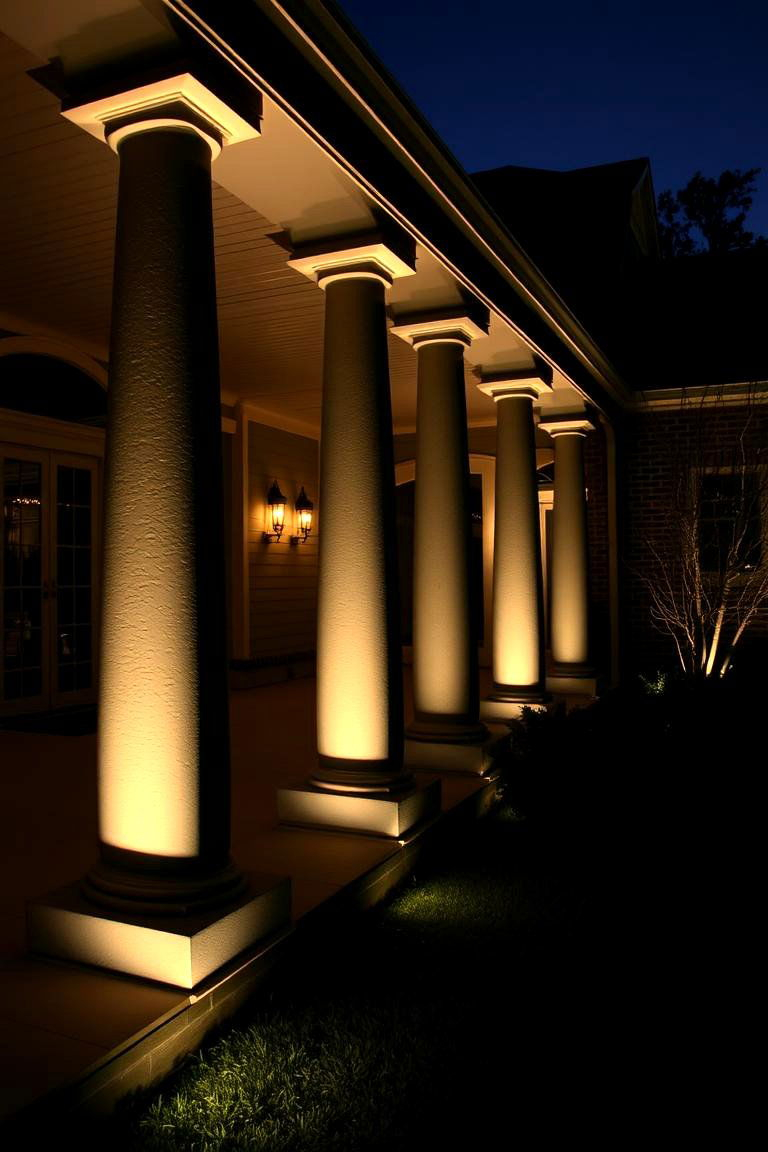
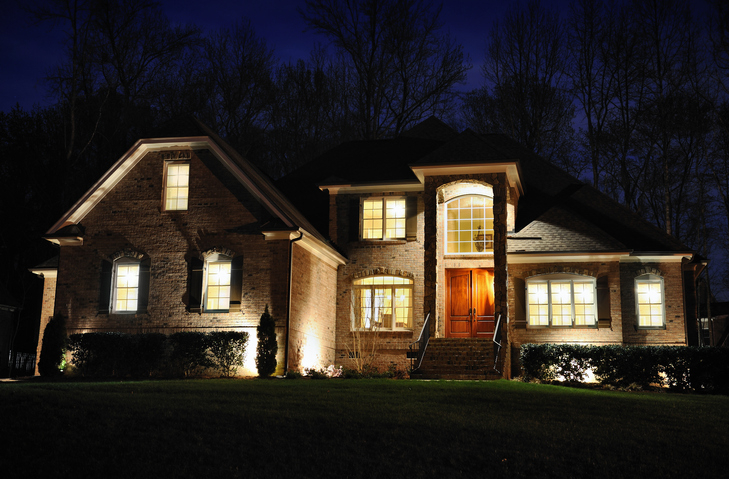
We often think of uplighting for trees. And yes, trees are fantastic candidates. But don’t stop there. Your home’s architecture is full of opportunities. Columns. Corners. Eaves. Arches. Uplighting these features adds grandeur. It makes your home look bigger. More impressive. It highlights the lines and shapes that define its style.
Walls are another huge opportunity. A plain stucco wall can become a canvas. Graze it with light to show off its texture. Illuminate a climbing vine to create a living tapestry. Light a water feature to make it sparkle. The possibilities are endless. Think about what features you love during the day. How can you showcase them at night?
In 2026, we’re also seeing more uplighting used for pathways and steps. Not just for safety, but for drama. Low-level uplights along a retaining wall create a floating effect. Lights under bench seats add a modern touch. It’s about layering. Combining different types of lighting to create a rich, complex scene. Uplighting is the backbone of this layering. It provides the vertical interest that ties everything together.
Consider your entryway. A pair of uplights flanking your front door creates a welcoming beacon. It guides guests. It says, "Come in." It’s hospitable. Warm. Or think about a pergola. Uplighting the posts and beams extends the life of your outdoor living space. You can enjoy it long after the sun sets. It transforms a daytime structure into a nighttime retreat. Don’t limit yourself. Look around. See the potential.
At the end of the day, landscape lighting is about emotion. It’s about how your space makes you feel. Uplighting, when done right, creates a sense of wonder. Of peace. Of luxury. It turns your backyard into a sanctuary. A place where you can unwind. Connect. Breathe.
Start small. You don’t need to light your whole property at once. Pick one tree. One wall. One feature. Experiment. See how it makes you feel. Adjust. Add more. Build your system over time. It’s a journey. And the rewards are immediate. Every night, you’ll step outside and be greeted by beauty. By depth. By drama.
Remember, the goal isn’t to turn night into day. It’s to celebrate the night. To work with the darkness, not against it. Uplighting is the tool that lets you do that. It’s accessible. Affordable. And incredibly effective. Whether you’re a DIY enthusiast or hiring a pro, the principles remain the same. Focus on texture. Create shadows. Hide the source. Keep it warm.
So, take a look at your yard tonight. What’s missing? What’s hiding in the dark? Grab a flashlight. Mimic the effect. See what speaks to you. Then, make it permanent. Transform your landscape. Add that depth. Create that drama. Your nighttime sanctuary is waiting. And it’s brighter than you think.