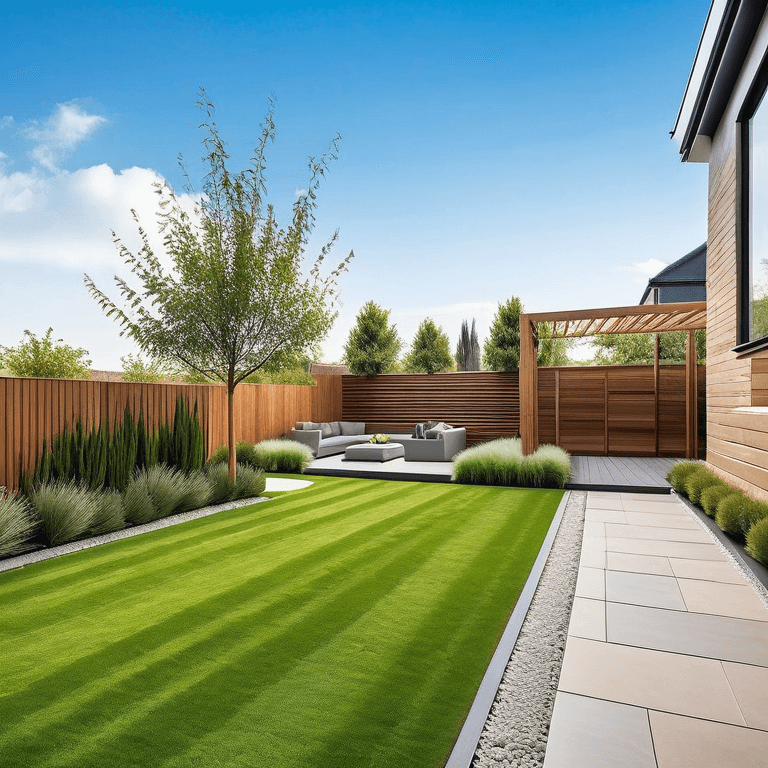

You’ve probably been there. You get that initial number from a landscaper, and it feels… manageable. Maybe even a little exciting. You start picturing the new patio, the lush green grass, the evening lights. But then the work starts, and suddenly, you’re hearing words like "grade adjustment" and "soil amendment," and your wallet starts to sweat. It’s not just you. In 2026, the gap between the quote on paper and the final bill has grown wider than ever.
It’s frustrating, right? You did your homework. You looked up averages. You thought you were prepared. But landscaping is one of those home projects where the surface-level price is rarely the whole story. It’s messy, unpredictable, and heavily dependent on things you can’t see until the first shovel hits the dirt. Let’s talk about what’s really going on with pricing this year, why those hidden costs keep popping up, and how you can protect your budget before you sign on the dotted line.
The Base Price Is Just the Tip of the Iceberg
When you look at a landscaping quote in 2026, that big bold number at the bottom usually covers the basics: labor, plants, and maybe some standard mulch. But here’s the thing—those are the easy parts. The real cost drivers are often buried in the fine print or left out entirely until they become unavoidable. For instance, a basic front yard makeover might start around $3,000, but a full property transformation can easily climb to $30,000 or more. Why the huge jump? It’s rarely just about adding more flowers.
Think about the site prep. Before a single shrub goes in, your yard might need clearing, grading, or even debris removal. If your soil is compacted or poor quality, you’ll need amendments. That’s not always included in the "planting" fee. And if you’re adding hardscaping—like patios or walkways—the price per square foot ranges from $15 to $50, depending on the material. But that doesn’t always account for the base layer of gravel and sand needed underneath, which can add hundreds to the total. It’s like buying a car and realizing the tires aren’t included.
Another common oversight is the cost of access. Can a truck dump soil right where you need it? Or does it have to be wheelbarrowed across the yard? Manual labor for moving materials is expensive and time-consuming. In 2026, with labor rates still high, this kind of logistical hurdle can inflate your bill quickly. Always ask: "Does this quote include all site prep and material delivery to the exact spot?" If they hesitate, you’ve found your first hidden cost.
Design Fees and The "Pretty Picture" Trap
We all want that magazine-worthy yard. But getting there often starts with a design fee that isn’t always clear upfront. In 2026, professional landscape design costs anywhere from $75 to $250 per hour, or a flat fee of $2,500 to $15,000 for a complete plan. Some companies bundle this into the installation cost, while others charge it separately. If you’re not careful, you might pay for a design only to find out the installation quote is way over your budget, leaving you with a beautiful plan you can’t afford to build.
Here’s a tricky part: revisions. Most design packages include one or two rounds of changes. After that? You pay extra. It adds up fast. And don’t forget about 3D renderings. They look amazing, but they’re not always accurate to what will actually grow in your specific microclimate. A plant might look great in the digital model but struggle in your shady corner. This leads to change orders later, which are almost always more expensive than planning it right the first time.
To avoid this trap, ask for a detailed breakdown of the design phase. How many revisions are included? Is the design fee refundable if you don’t proceed with installation? And perhaps most importantly, can the designer provide a realistic planting plan based on local nursery availability? In 2026, supply chain issues still pop up, so specifying rare plants in a design can lead to costly substitutions or delays. A good designer plans for reality, not just aesthetics.
The Dirt on Soil, Drainage, and Permits
Let’s get dirty. Literally. One of the biggest shockers in landscaping quotes is what’s happening underground. Grading adjustments and drainage work are rarely optional if you want your new landscape to survive. If your yard slopes toward your house, you’ll need regrading. If water pools in certain spots, you’ll need French drains or dry wells. These aren’t "extras"—they’re essentials. Yet, they’re often left out of initial quotes because they require excavation to diagnose properly.
Permit fees are another silent budget killer. Depending on where you live, you might need permits for retaining walls, electrical work for lighting, or even major tree removal. These fees vary wildly by municipality, and the paperwork takes time. Some contractors handle this for you, charging an administrative fee. Others expect you to do it. Either way, it’s a cost. And if you skip permits? You risk fines or having to tear out work later. Not worth it.
Then there’s the soil itself. Bulk soil, mulch, and gravel delivery charges can add 5-15% to your total bill. It sounds small, but on a $20,000 project, that’s up to $3,000 just for getting materials to your door. And don’t assume the soil they bring in is top-notch. Ask about the source and quality. Cheap fill dirt might save money now but cause settling and plant death later. Investing in good topsoil and proper drainage upfront saves thousands in repairs down the road. It’s unsexy, but it’s crucial.
Plant Prices, Sizes, and the Seasonality Squeeze
Plants aren’t like bricks. They’re living things with fluctuating prices. In 2026, the cost of a tree can range from $200 for a small sapling to $2,000 for a mature specimen. The size you choose dramatically impacts the price and the instant gratification factor. Want an immediate privacy screen? You’ll pay premium prices for larger trees. Willing to wait five years? You can save a fortune with smaller plants. But here’s the catch: smaller plants need more care and time to establish, which means higher maintenance costs early on.
Seasonality plays a huge role too. Buying plants in peak spring season means higher demand and higher prices. Shopping in the fall or late summer can yield discounts, but your selection might be limited. And if a contractor quotes you in winter but installs in spring, the plant prices might have jumped. Always ask if the quote locks in plant prices or if they’re subject to market fluctuation. In today’s volatile nursery market, this is a critical question.
Also, consider the "dead plant warranty." Many nurseries offer a one-year guarantee, but contractors might not pass that on to you. Or they might charge extra for it. If a $500 tree dies in month three, who pays for the replacement? Get this in writing. And remember, exotic or trendy plants cost more and often require more specialized care. Stickin’ with native species can save money on both the initial purchase and long-term maintenance. They’re adapted to your local climate, so they’re tougher and cheaper to keep alive.
Hardscaping, Lighting, and the Tech Upcharge
Hardscaping—patios, walls, paths—is where budgets really blow out. The material cost is just one part. Labor for cutting and setting stone or pavers is intensive. And let’s talk about irrigation. A basic system might run $3,000 to $8,000, but if you want smart controllers, weather sensors, or zone-specific drip lines, the price climbs. These tech features save water and money in the long run, but the upfront cost is steep. Are they included in your quote, or are they "add-ons"?
Landscape lighting is another area rife with hidden fees. The fixtures themselves might seem reasonable, but running low-voltage wiring requires trenching and electrical connections. If your quote doesn’t explicitly include trenching and transformer installation, you’re in for a surprise. And LED bulbs last longer, but they’re more expensive upfront. Cheaper halogen options burn out faster, costing more in replacements. It’s a trade-off between initial cost and long-term value.
Don’t forget about future-proofing. Are you pre-wiring for outdoor speakers or Wi-Fi extenders? Adding these later means digging up your new lawn. Including them in the initial install is cheaper, but only if you think to ask. Many homeowners forget until it’s too late. So, sit down and think about how you’ll use the space. Entertaining? Kids playing? Quiet reading nooks? Each use case might need different infrastructure. Plan for it now, or pay double later.
The job isn’t done when the crew leaves. In fact, that’s when the real costs begin. Weekly maintenance in 2026 runs $50 to $200 per visit, depending on the scope. Mulch needs replenishing. Plants need pruning. Irrigation systems need winterizing. If you don’t budget for this ongoing care, your beautiful new landscape will look ragged within a year. And neglected landscapes lose value. It’s an investment that requires upkeep, just like your house.
Warranties are another point of confusion. Does the contractor warrant their labor? For how long? What about the plants? As mentioned earlier, plant warranties vary. Some contractors offer a one-year labor warranty, meaning they’ll fix any installation issues. Others offer nothing. Get it in writing. And read the fine print. Often, warranties are voided if you don’t follow a specific maintenance schedule or if you hire someone else to do repairs.
Finally, consider the cost of changes. Maybe you decide you hate the placement of that tree after it’s in. Moving it isn’t free. Or maybe you want to add a fire pit later. Retrofitting hardscape or electrical is always more expensive than doing it initially. Try to visualize your long-term needs. It’s hard to predict everything, but thinking ahead can save you from pricey modifications. A little flexibility in the design phase can go a long way in avoiding regret—and extra bills—later on.
So, what’s the takeaway? Landscaping in 2026 is an investment, but it’s one fraught with potential pitfalls. The key is transparency. Ask questions. Demand detailed quotes. Understand what’s included and what’s not. Don’t be afraid to negotiate or walk away if the numbers don’t add up. Your yard should be a source of joy, not financial stress. By uncovering these hidden costs early, you can plan better, spend smarter, and end up with the outdoor space you’ve always dreamed of. It takes effort, but it’s worth every penny.