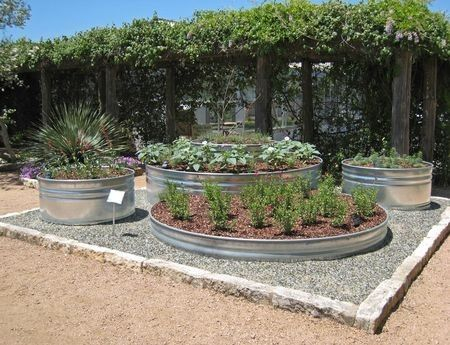

You walk into a garden center, or maybe you just scroll through your phone at night, and you see them. Those shiny, silver, corrugated metal tubs. They look sleek. Modern. Like something you’d see in a high-end magazine spread about urban farming. But then you look at the price tag. And you blink. Is it really that much for a metal box? It’s a question I hear all the time. Gardeners are tired of rotting wood. They want something that lasts. But nobody wants to overpay.
This year, the market is weird. Again. Supply chains have settled down mostly, but inflation has left its mark on steel prices. You can still find a deal if you know where to look, but the days of dirt-cheap metal beds are largely gone. We are looking at a landscape where quality costs money, but cheap options might cost you more in frustration. Let’s break it down. No fluff. Just the numbers and what they actually mean for your backyard.
Understanding the Metal Market Shifts
Steel isn’t just steel anymore. Well, it is, but the coating matters. In 2026, the big differentiator isn’t just the shape of the tub, it’s the gauge of the metal and the type of galvanization. You’ll see terms like "Aluzinc" or "Zinc-Alume" thrown around. These aren’t just marketing buzzwords designed to confuse you. They matter. Standard galvanized steel uses a zinc coating to prevent rust. The newer blends, often found in higher-end brands like Vego or Vegega, mix aluminum into the coating. This makes the bed last longer. Much longer. We’re talking 20 years instead of 10.
But this durability comes with a price premium. When you compare a basic galvanized tub from a big-box store to a branded Aluzinc bed, you might see a 40% to 60% price difference. Is it worth it? If you plan to move in two years, probably not. If you’re building a forever garden, absolutely. The cost per year of use drops significantly with the higher-quality metals. It’s a classic case of "buy nice or buy twice." Except in gardening, buying twice means hauling away rusty metal and replacing soil. Nobody wants that hassle.
Also, keep an eye on the thickness. Cheaper beds often use thinner gauge metal. It dents easily. A heavy rainstorm or an accidental kick from a garden hose can warp it. Thicker gauges hold their shape better and look sturdy. When you’re comparing prices, always check the specs for the gauge number. Lower number means thicker metal. A 22-gauge bed is standard for mid-range options. Anything below 24-gauge is getting into the "flimsy" territory, unless it’s reinforced well. Don’t let the shiny exterior fool you. Look at the details.
Big Box Stores vs. Specialty Brands
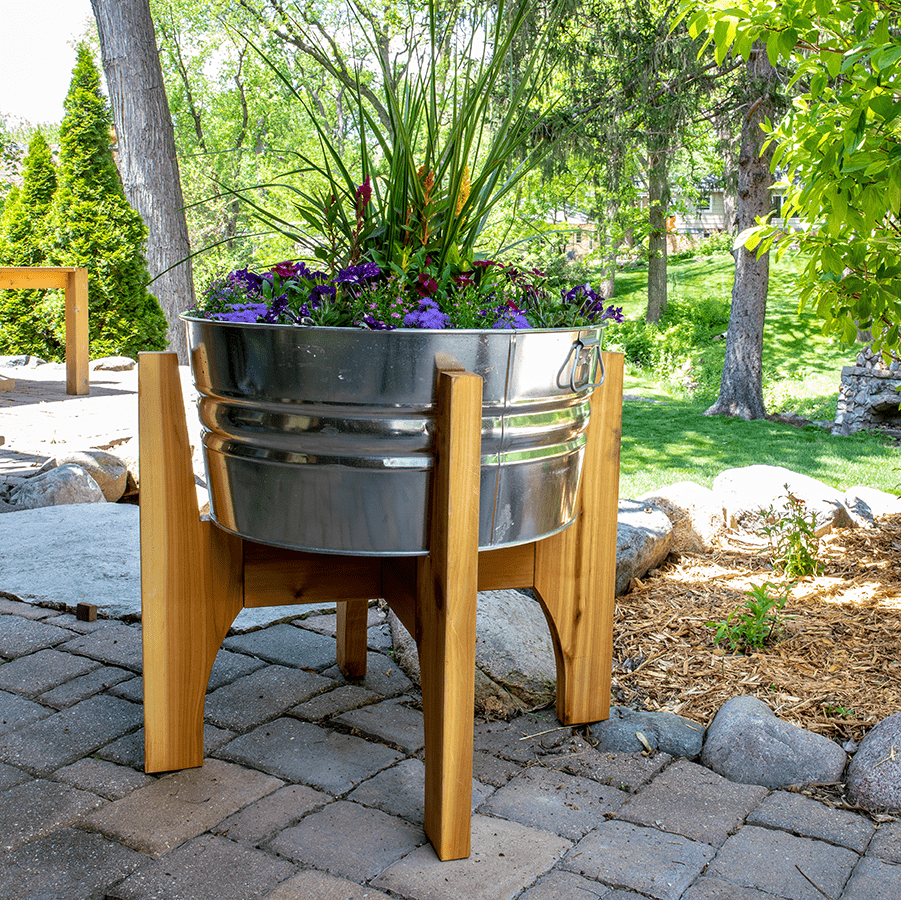
Walking into Home Depot or Tractor Supply Co. feels safe. You know the return policy. You can pick it up today. The prices here are competitive for entry-level models. You can find simple, round or oval galvanized tubs starting around $80 to $120 for smaller sizes. These are great for herbs or strawberries. They do the job. But don’t expect modular features. You get a tub. You fill it. That’s it. The convenience is the selling point. And frankly, for a beginner, that’s often enough.
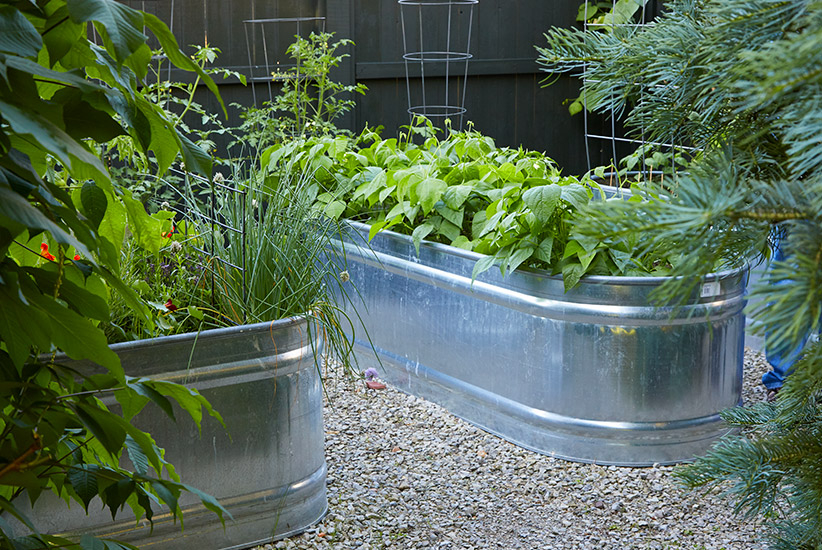
On the other hand, specialty brands like Epic Gardening, Veikous, or Vego Garden offer a different experience. Their prices start higher, often $150 to $300 for comparable sizes. Why? Because they offer modularity. You can connect them. You can add trellises. The corners are rounded for safety. The assembly is tool-free or uses simple Allen keys. It’s a premium product. In 2026, these brands have doubled down on customer service and warranty support. If a panel bends, they send a new one. Try getting that level of support from a big-box retailer after you’ve assembled it.
So, where does the value lie? If you need one single bed for a corner of your patio, the big-box store win. It’s cheaper and faster. But if you’re designing a whole garden layout, the specialty brands save you money in the long run by allowing you to expand without buying entirely new structures. You just add panels. It’s a subtle difference in pricing strategy. One sells units. The other sells a system. Know which one you’re buying into before you swipe your card.
The Hidden Costs of Assembly and Soil
Here’s the thing nobody puts on the price tag. The bed itself is only half the cost. The other half is what goes inside it. And how you put it together. Some of those cheaper tubs from Amazon or discount sites require significant assembly. We’re talking hours. If you value your weekend time, that’s a cost. Premium beds often boast "15-minute assembly." For many people, that time savings is worth the extra $50. It’s not just about laziness. It’s about energy. Gardening should be relaxing, not a construction project.
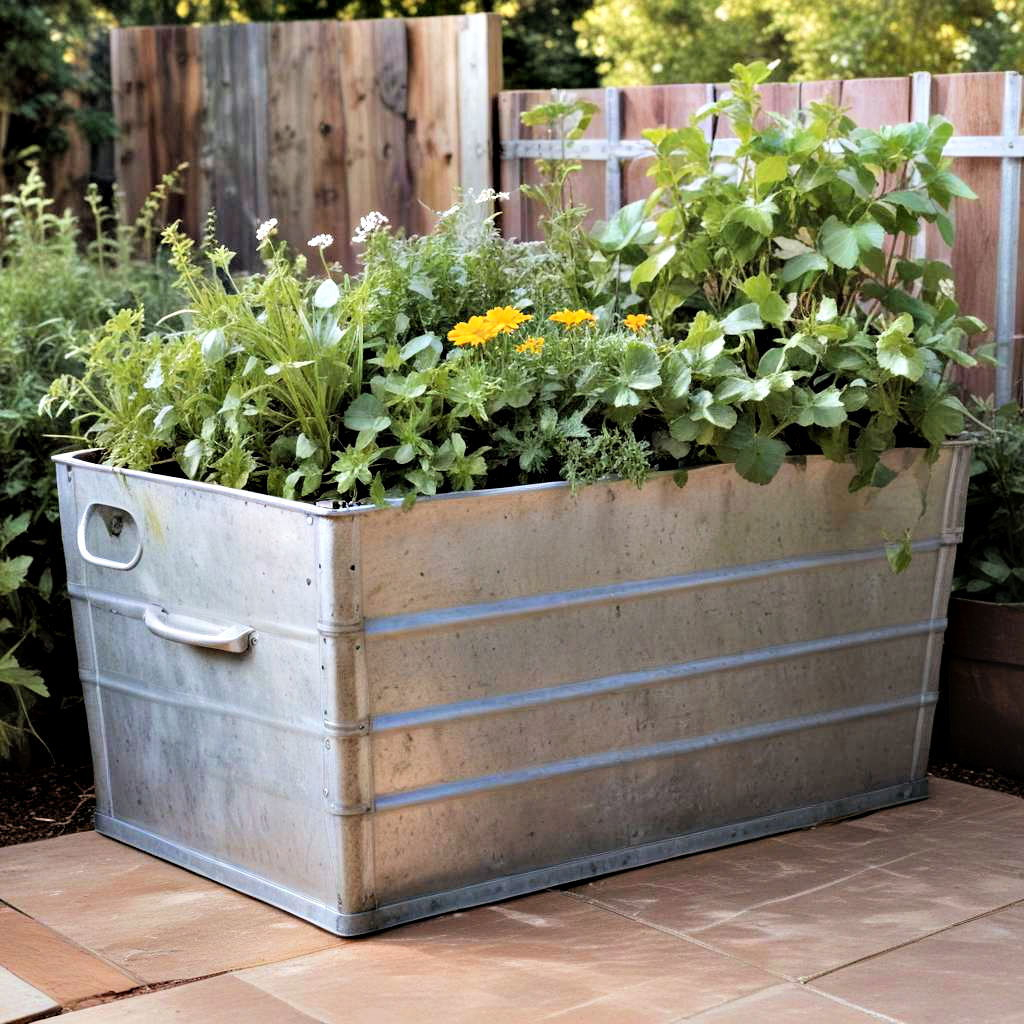
Then there’s the soil. Galvanized tubs, especially the taller ones, hold a lot of dirt. A 4×4 foot bed that is 17 inches deep holds roughly 18 cubic feet of soil. At current prices, good quality raised bed mix can run $5 to $8 per cubic foot if bought in bags. That’s nearly $100 to $150 in soil alone. If you buy a cheap bed, you might be tempted to skimp on soil. Don’t. The bed lasts 10 years. The soil feeds your plants every day. Budget for the fill. It’s often more expensive than the container.
Some retailers offer bundles. Be careful here. Often, the "soil included" deal uses lower-grade topsoil mixed with filler. It compacts quickly. Drainage suffers. It’s usually better to buy the bed and the soil separately. Source your soil from a local landscape supply yard if you can. They sell by the cubic yard. It’s cheaper and often higher quality than bagged mixes. Do the math. A cubic yard is 27 cubic feet. If you have multiple beds, bulk buying saves you a ton of cash. Don’t let the bundle deal blind you to the unit price.
Online Marketplaces and Deal Hunting
Amazon is a jungle. You can find galvanized tubs for $60. You can also find them for $400. The variance is wild. In 2026, the key to navigating Amazon is reading the recent reviews. Look for photos. Look for comments about rust appearing after one season. Many of the ultra-cheap options are drop-shipped from overseas manufacturers with inconsistent quality control. You might get a gem. You might get a lemon. The risk is part of the low price.
Klarna and other price comparison tools have become essential. They aggregate listings from dozens of smaller garden sites. Sometimes, a boutique garden store runs a sale that doesn’t show up on Google Shopping. Using these tools can save you 10-20%. But watch out for shipping costs. Metal is heavy. A "free shipping" deal might have the cost baked into the price. A lower-priced item with $40 shipping might end up costing more than a slightly higher-priced item with free delivery. Always check the final total at checkout.
Another trick? Off-season buying. Late fall and winter are slow for garden sales. Retailers want to clear inventory. If you see a deal in November, grab it. Store it in the garage. Assemble it in spring. You can often find last year’s models discounted by 30% or more. The designs don’t change much. A galvanized tub is a galvanized tub. Unless you need the latest color trend (matte black is popular this year), saving money on last year’s stock is a smart move. Patience pays. Literally.
Durability as a Price Factor
Let’s talk about rust. It’s the enemy. Galvanization protects the steel, but scratches happen. Tools slip. Rocks hit the sides. In humid climates, rust spreads faster. Higher-priced beds often have thicker coatings and better edge protection. They use powder coating on the outside for aesthetics and extra protection. This adds to the cost. But it extends the life. If you live in the Pacific Northwest or the Southeast, where moisture is high, investing in a higher-quality coated bed is wise.
Cheaper beds might start showing surface rust within two years. It’s not structural failure yet, but it looks bad. It stains your deck. It flakes into your soil. While small amounts of zinc aren’t toxic to plants, excessive rust degradation weakens the structure. You’ll be replacing the bed sooner. Calculate the annual cost. A $100 bed that lasts 5 years costs $20 a year. A $200 bed that lasts 15 years costs $13 a year. The expensive bed is actually cheaper over time. And it looks better while it’s working.
Consider the warranty too. Top brands offer 5 to 10-year warranties against rust-through. Budget brands offer none. Or they offer a vague "30-day satisfaction guarantee." That’s not a warranty. That’s a return window. When you’re comparing prices, factor in the peace of mind. Knowing that if the bed fails, the company will fix it, has value. It’s hard to put a dollar amount on it, but when you’re staring at a rusty patch in July, you’ll wish you had it.
So, what should you spend? It depends on your commitment. If you’re testing the waters, start small. Buy one mid-range tub from a reputable big-box store. See if you like gardening in it. See if you like the look. If you love it, upgrade later. If you hate it, you haven’t lost a fortune. Don’t go all-in on a $1,000 garden system until you know you’ll use it. Gardening is hard work. It’s dirty. It’s hot. Make sure you’re ready for it.
If you’re sure, go for quality. Look for Aluzinc or heavy-gauge galvanized steel. Check the reviews for ease of assembly. Measure your space carefully. Nothing hurts more than buying a bed that doesn’t fit. And remember, you can always start with one bed and add another next year. You don’t need to do it all at once. Gardens grow slowly. So should your investment. Spread the cost out. It makes the hobby more sustainable for your wallet.
In the end, the best price is the one that lets you sleep at night. Not worrying about rust. Not regretting the purchase. Whether you choose a $90 tub or a $250 modular system, make sure it fits your life. Gardening is supposed to bring joy. Not financial stress. Pick the bed that feels right. Fill it with good soil. Plant some seeds. Watch them grow. That’s the part that’s priceless. Everything else is just metal and dirt.