
You’ve probably been there. You’re standing in your garden, staring at a patch of bare dirt or weeds that just won’t quit. You decide it’s time for a refresh. Maybe some nice dark brown mulch for the flower beds, or perhaps rugged wood chips for the pathways. You hop online, check a few prices, and think, "Okay, this is doable." Then the truck arrives, or the final invoice hits your email, and your stomach drops. Why is the bill nearly double what you expected?
It’s not just you. In 2026, the landscaping supply chain has gotten complicated. While the base price per cubic yard for mulch and wood chips seems straightforward, the real story happens in the fine print. Specifically, the delivery fees. These aren’t just flat rates anymore. They are dynamic, tricky, and often wildly different depending on whether you’re buying premium dyed hardwood mulch or bulk arborist wood chips. Understanding these hidden costs isn’t just about saving money; it’s about avoiding that sinking feeling when the budget blows up.
Let’s pull back the curtain. We’re going to look at exactly where those extra dollars go, why wood chips might actually cost more to deliver than mulch (or vice versa), and how you can spot the traps before you sign on the dotted line. It’s time to get smart about the logistics, because the dirt on your driveway is only half the battle.
The Base Price Illusion
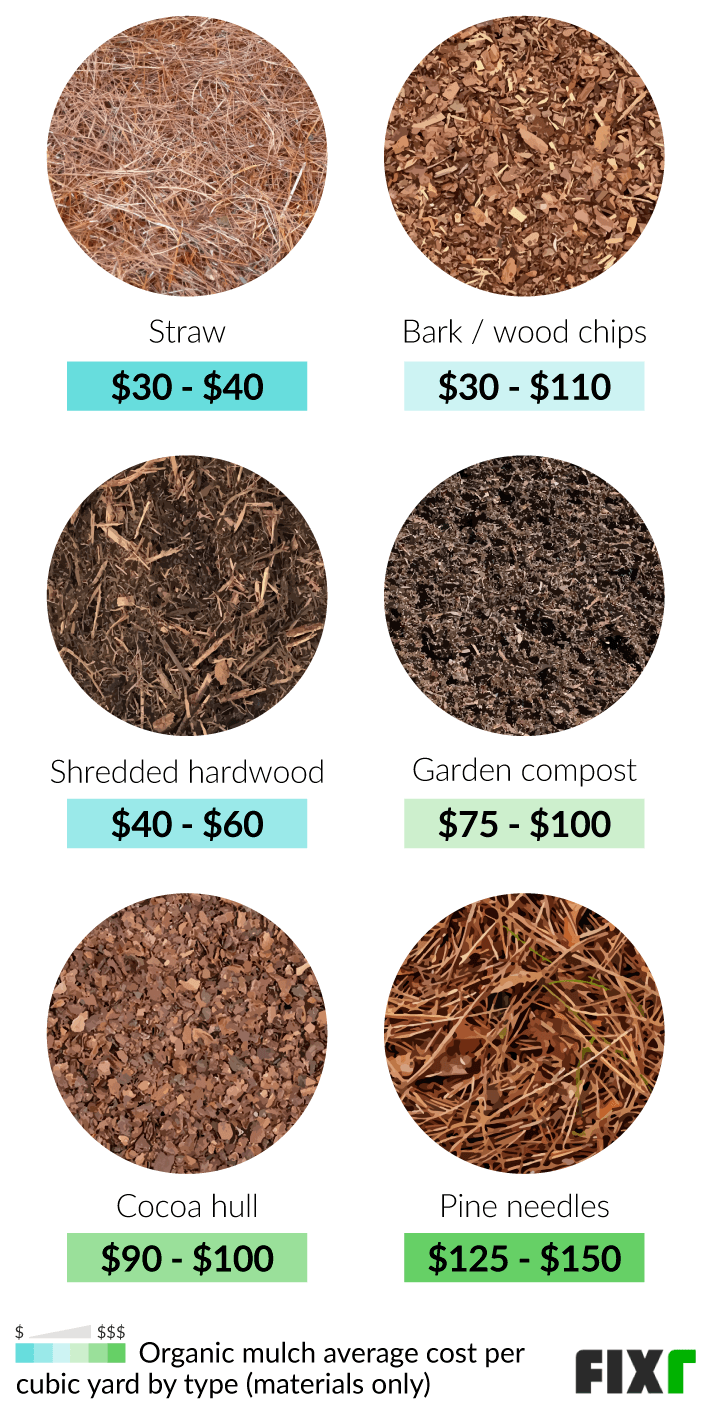
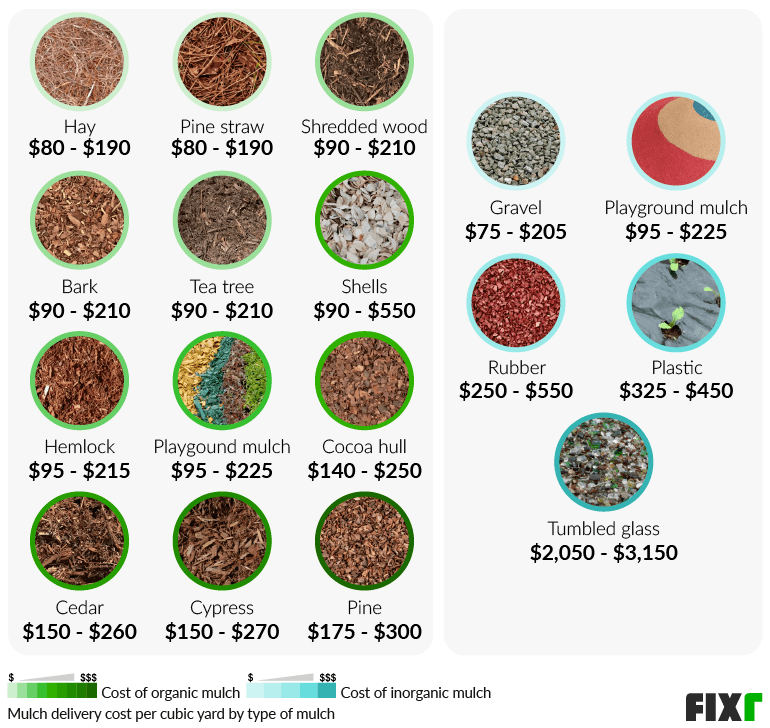
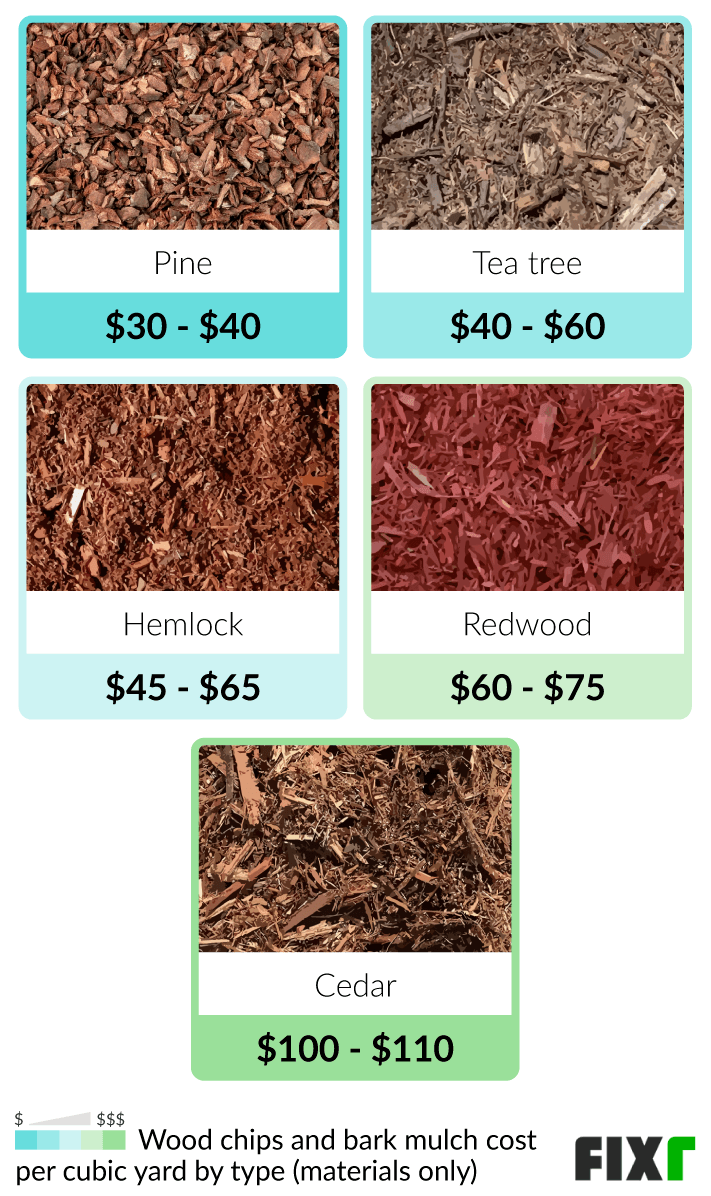
When you first start shopping, you look at the material cost. That’s natural. Mulch usually runs between $30 and $50 per cubic yard for standard varieties, while premium dyed options can hit $60 or more. Wood chips, especially if you’re getting them from a local arborist or tree service, can sometimes be free or very cheap, maybe $10 to $20 per yard if you’re buying from a yard waste center. On paper, wood chips look like the clear winner for your wallet. But this is where the illusion starts.
The base price assumes the material is sitting in a pile at the depot, waiting for you. It doesn’t account for the journey. In 2026, fuel surcharges and driver shortages have made delivery a major line item. Suppliers often separate material costs from logistics to make the product look cheaper. You might see a great deal on black hardwood mulch, but if the delivery fee is structured differently than it is for wood chips, that "deal" evaporates fast. For instance, some suppliers bundle delivery for large mulch orders but charge a flat, high rate for wood chips because they consider it a "waste product" rather than a retail good, even if you’re paying for it.
This disconnect creates confusion. You might call two different companies. One quotes you $40/yard for mulch with "free delivery over 5 yards." The other quotes $15/yard for wood chips but adds a $150 delivery fee regardless of volume. Suddenly, the cheap wood chips are expensive. You have to look at the total landed cost, not just the sticker price on the bag or the bulk bin. It’s a mental shift, but an necessary one.
Distance and Access Surcharges
Here is a thing that catches people off guard: distance isn’t the only factor. Sure, if you live 30 miles from the supply yard, you’re paying more than someone living 3 miles away. That’s standard. But in 2026, access fees have become a huge part of the equation. Do you have a steep driveway? Is there a low-hanging tree branch that a large dump truck can’t clear? Does your neighborhood have strict HOA rules about where heavy vehicles can park?
These logistical nightmares translate directly into cash. For mulch, which is often delivered in smaller, heavier loads (especially if it’s bagged or dense hardwood), trucks might need to get closer to the drop zone. If they can’t, you might need a "carry-in" fee, where laborers haul the material by wheelbarrow. This can add hundreds of dollars. Wood chips, being lighter and fluffier, are sometimes easier to blow into place using a hose-like attachment on the truck. But here’s the catch: not all trucks have blowers. If your supplier doesn’t have a blower-equipped truck, and you want the chips in a specific backyard spot, you’re looking at manual labor costs again.
Some suppliers also charge a "gate fee" or "site prep fee" if they have to wait for you to open a locked gate or move cars. It sounds petty, but these minutes add up for drivers on tight schedules. A ten-minute delay might incur a $50 charge. When comparing mulch vs. wood chips, ask specifically about access. Mulch deliveries are often more standardized, while wood chip deliveries can be more erratic depending on the source (e.g., a tree service vs. a landscape supply yard), leading to unpredictable access charges.
Volume Thresholds and Minimums
One of the sneakiest ways delivery fees bite you is through volume minimums. Most bulk suppliers have a sweet spot. Let’s say the minimum delivery is 3 cubic yards. If you order 2.5 yards, you still pay for 3. But worse, some companies have a "small load fee." If you’re doing a small garden bed and only need 1 yard of premium mulch, the delivery fee might be $75, which effectively doubles your per-yard cost.
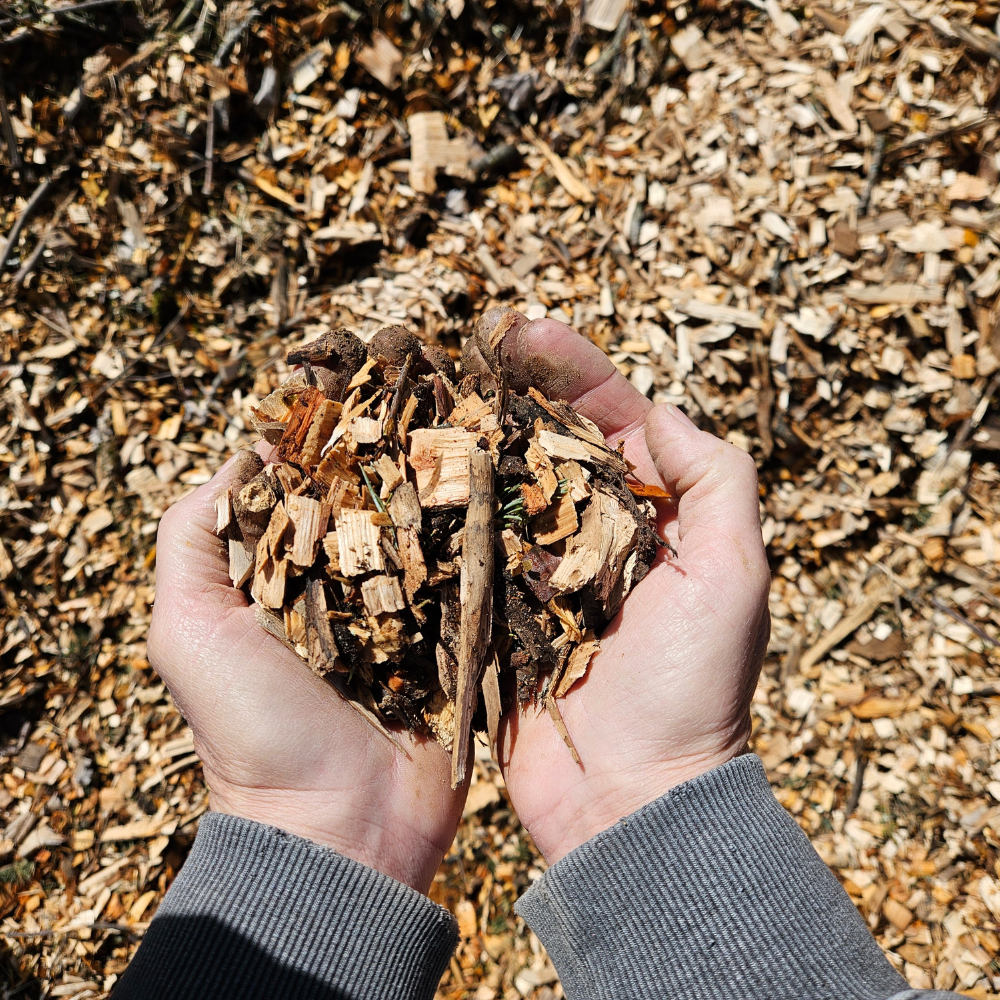
Wood chips face a different dynamic. Because they are often sourced from tree trimming operations, the volume can be inconsistent. You might want 5 yards, but the truck shows up with 7 because that’s what was in the chipper. Do you pay for the extra 2? Sometimes yes, sometimes no. But if you order less than a full truckload (which can be 10-15 yards), you might hit a "partial load" surcharge. This is less common with dedicated mulch suppliers who deal in precise retail volumes, but very common with wood chip providers who are essentially hauling waste.
In 2026, with inflation still lingering in the transport sector, these thresholds have tightened. Suppliers are less willing to absorb the cost of half-empty trucks. So, if you’re comparing prices, calculate your exact needs and then see how close you are to the next threshold. It might be cheaper to buy an extra yard of mulch you don’t immediately need just to avoid a small-load fee, whereas with wood chips, you might be forced to take whatever volume the truck offers, changing your budget calculations entirely.
Material Density and Weight Limits
This is a technical point, but it matters for your wallet. Mulch, especially wet hardwood mulch, is heavy. Wood chips are lighter and fluffier. Trucks have weight limits. A standard dump truck might be able to carry 15 cubic yards of dry wood chips but only 10 cubic yards of dense, wet mulch before hitting legal road weight limits.
Why does this change the price? If you’re ordering a large amount, the supplier might need to send two trucks for mulch where one would suffice for wood chips. That’s double the driver time, double the fuel, and double the delivery fee. Even if the material cost of mulch is competitive, the logistics of moving heavy, dense material can drive up the delivery component significantly.
Conversely, because wood chips are bulky, they take up space. If you have a narrow driveway, a fully loaded wood chip truck might not fit or might damage your lawn due to its size, whereas a smaller, heavier mulch truck could navigate easier. It’s a trade-off. In urban areas with tight streets, the sheer volume of a wood chip load can trigger "oversize vehicle" fees or require special permits, adding another layer of cost that rarely applies to standard mulch deliveries. Always ask if the quoted delivery fee assumes a single trip or if multiple trips are likely based on your address.
Seasonal Demand and Timing
Timing is everything. In spring and early summer, everyone wants mulch. The demand is insane. During these peak windows, delivery slots are scarce. Suppliers often implement "peak season surcharges" on delivery. You might see a $25-$50 adder just for delivering in May. Wood chips, however, have a different seasonal rhythm. Tree services are busy in storm seasons (late summer/fall) and spring cleanup.
If you order wood chips during a storm cleanup period, you might get a deal because tree companies are desperate to dump loads quickly. But if you try to order them in the dead of winter when tree work slows down, availability drops, and delivery fees might rise due to scarcity. Mulch prices tend to be more stable year-round regarding material, but delivery volatility is high in spring.
Planning your project for late fall or early winter can sometimes unlock lower delivery rates for mulch, as suppliers look to keep trucks moving. For wood chips, coordinating with local arborists during their busy seasons might yield free or cheap delivery if they’re already in your neighborhood. But relying on this requires flexibility. If you need it now during peak season, expect to pay a premium for the convenience, regardless of whether it’s chips or mulch.
So, what if you skip delivery? Pickup seems like the obvious way to save money. And it is, on the surface. You save the delivery fee. But let’s talk about the hidden costs of pickup. Do you have a truck? A trailer? If not, you’re renting one. Rental costs in 2026 have crept up. Plus, you’re paying for your own time and gas.
Then there’s the labor. Dumping a cubic yard of mulch from a trailer onto your driveway is easy. Getting it from the driveway into your garden bed is hard work. If you hire help to move it from the curb to the bed, that labor cost might exceed the delivery fee you saved. With wood chips, if you pick them up, you often need to spread them yourself. Mulch can sometimes be bought in bags, which are easier to handle but have a higher material cost per yard.
There’s also the risk of spillage and cleanup. If you spill mulch on the street, some municipalities fine you. If you spill wood chips, it’s a mess. The "hidden fee" here is your sweat equity and potential liability. For many homeowners, especially those with mobility issues or busy schedules, the delivery fee is actually a bargain for the convenience and speed. Comparing the total cost of pickup (rental + gas + time + labor) vs. delivery often shows that delivery is competitive, especially for larger jobs. Don’t assume pickup is always cheaper without doing the full math.
At the end of the day, the choice between mulch and wood chips isn’t just about aesthetics or soil health. It’s a logistical puzzle. The delivery fees are the wild card that can flip the script on your budget. By asking the right questions—about access, volume, weight, and timing—you can avoid those nasty surprises. Look beyond the per-yard price. Ask for the "landed cost." Check if there are surcharges for your specific driveway situation. And remember, sometimes paying a bit more for a smoother delivery process saves you headaches and hidden labor costs down the line.
In 2026, transparency is still lacking in this industry, so you have to be your own advocate. Don’t be afraid to negotiate or ask for a breakdown. A reputable supplier will explain these fees. If they’re vague, walk away. Your garden deserves better, and so does your bank account. With a little bit of digging into the details, you can get the look you want without the financial sting.