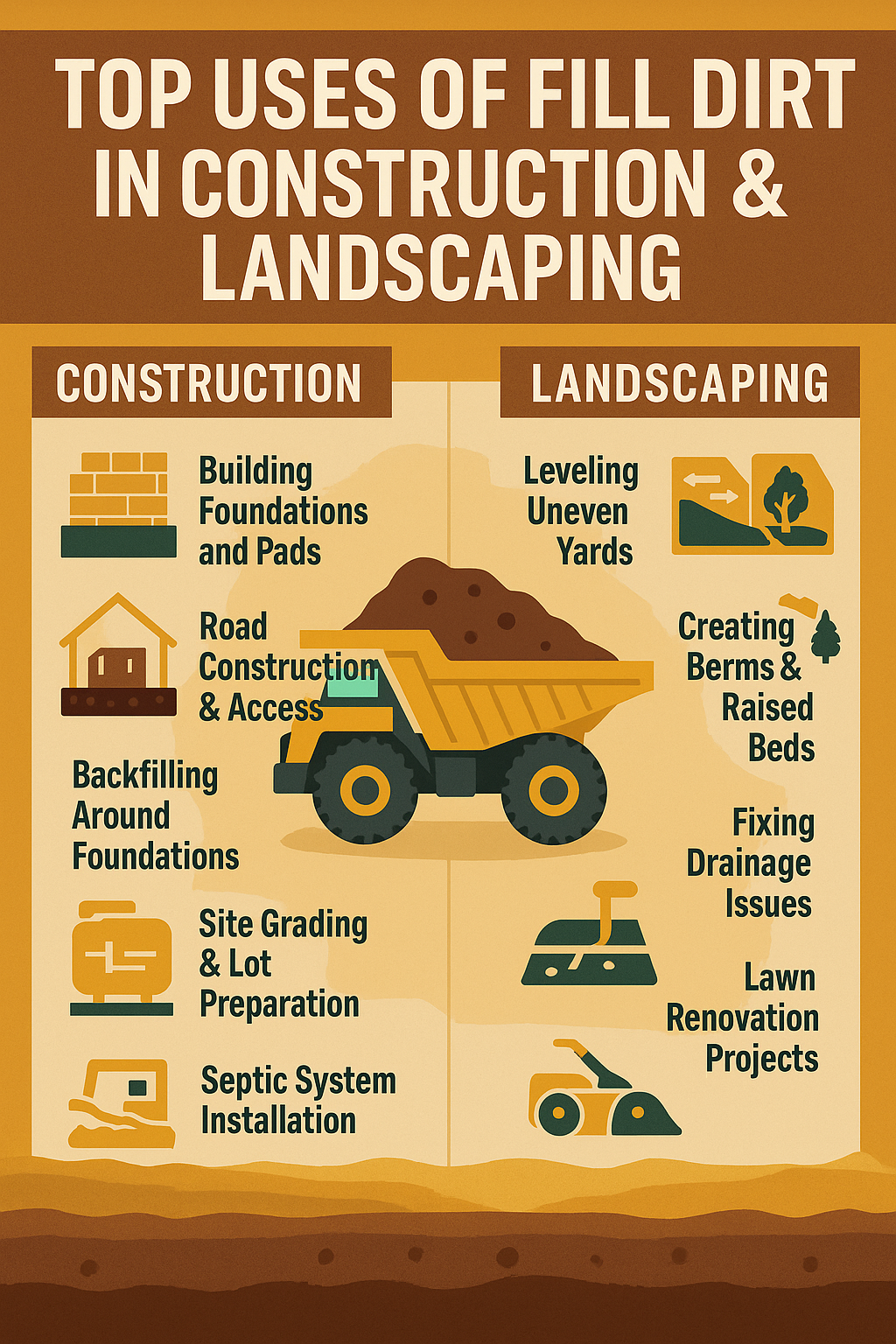

You’re standing in your backyard, staring at a hole that seems to have swallowed your budget whole. Maybe you’re building a patio, leveling a lawn, or prepping for a new driveway. You called three contractors. One quoted you $15 a yard. Another said $45. The third just shrugged and said, "It depends."
Sound familiar? It’s frustrating. Dirt is just… dirt, right? It’s everywhere. Why does it cost money to move earth from one place to another? And why does the final bill always seem to be double what you expected?
Here’s the thing nobody puts in the brochure: fill dirt isn’t a commodity like gas or milk. It’s messy, heavy, and regulated. The price tag you see on a website is rarely the price you pay. In 2026, with fuel prices fluctuating and environmental rules getting tighter, the gap between the "sticker price" and the real cost has never been wider. Let’s pull back the curtain.
The Sticker Shock: Breaking Down 2026 Prices
Let’s get the numbers out of the way first, because this is usually where the confusion starts. If you go online looking for "fill dirt cost," you’ll see a range that makes no sense. Some sites say $5 a cubic yard. Others say $50. Who is lying?
Nobody, exactly. But they aren’t telling the whole story.
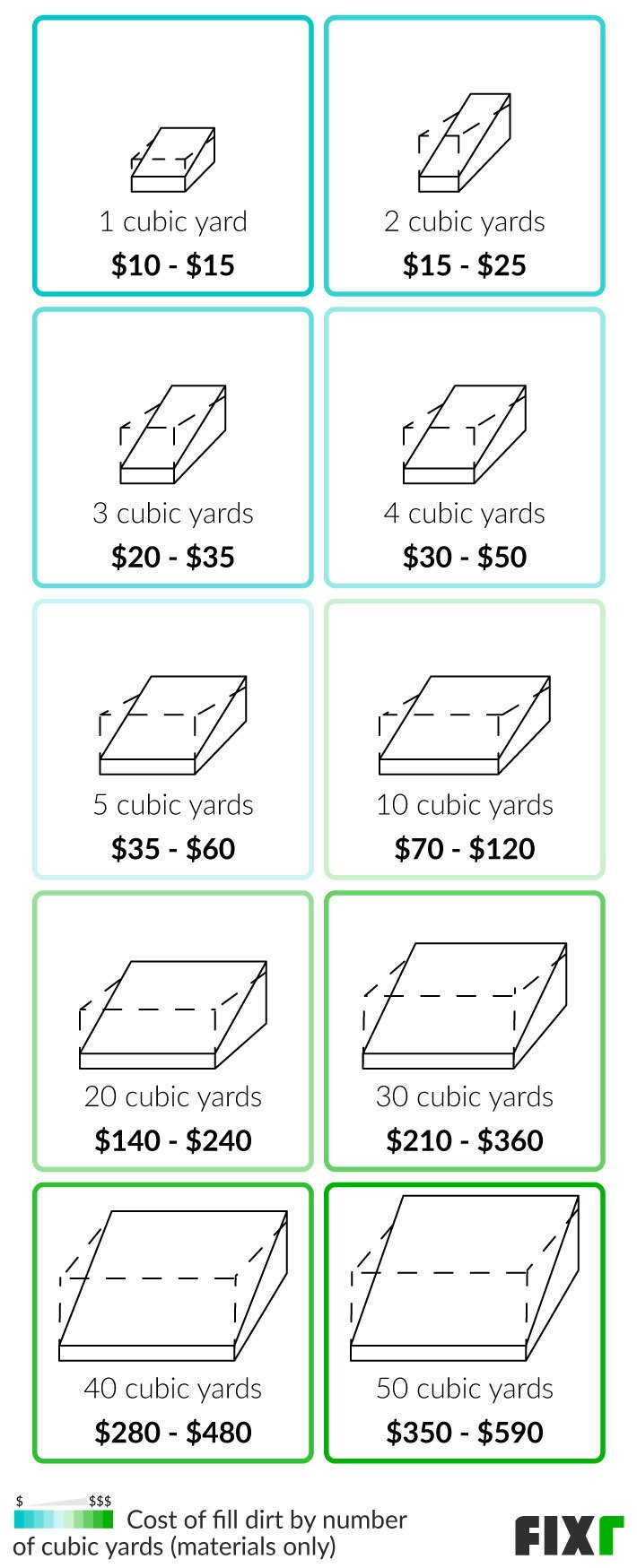
In 2026, the average homeowner or small contractor pays between $15 and $35 per cubic yard for standard clean fill. That’s the "bundled" price most people talk about. But that number is fragile. It assumes you’re close to the source, the dirt is dry, and you don’t need any special testing.
If you’re buying by the ton—which is how many quarries and large suppliers sell it—the price sits tighter, usually between $8 and $20 per ton. But here’s the kicker: a cubic yard of dirt weighs anywhere from 2,000 to 3,000 pounds depending on moisture. So if your dirt is wet (and it often is), you’re paying for water weight. That’s not a typo. You are literally buying expensive mud.
| Material Type | Avg Cost Per Cubic Yard (2026) | Avg Cost Per Ton | Best Use Case |
|---|---|---|---|
| Common Fill Dirt | $15 – $25 | $8 – $15 | Basic grading, filling holes |
| Structural Fill | $25 – $45 | $15 – $25 | Foundations, heavy loads |
| Clean Topsoil | $30 – $60+ | $20 – $40+ | Gardening, lawns |
| Crushed Stone | $40 – $70+ | $25 – $45+ | Drainage, driveways |
Notice the jump for structural fill? That’s because it’s not just dirt. It’s engineered. It has to pass tests. It has to hold weight without sinking. Common fill dirt? It’s just stuff they dug up somewhere else. It might have rocks. It might have clay. It might settle six months later and crack your patio. That’s the first secret: cheap dirt is expensive in the long run.
The Distance Trap: Why Hauling Costs More Than Dirt
You might think the dirt itself is the main cost. It’s not. The truck is.
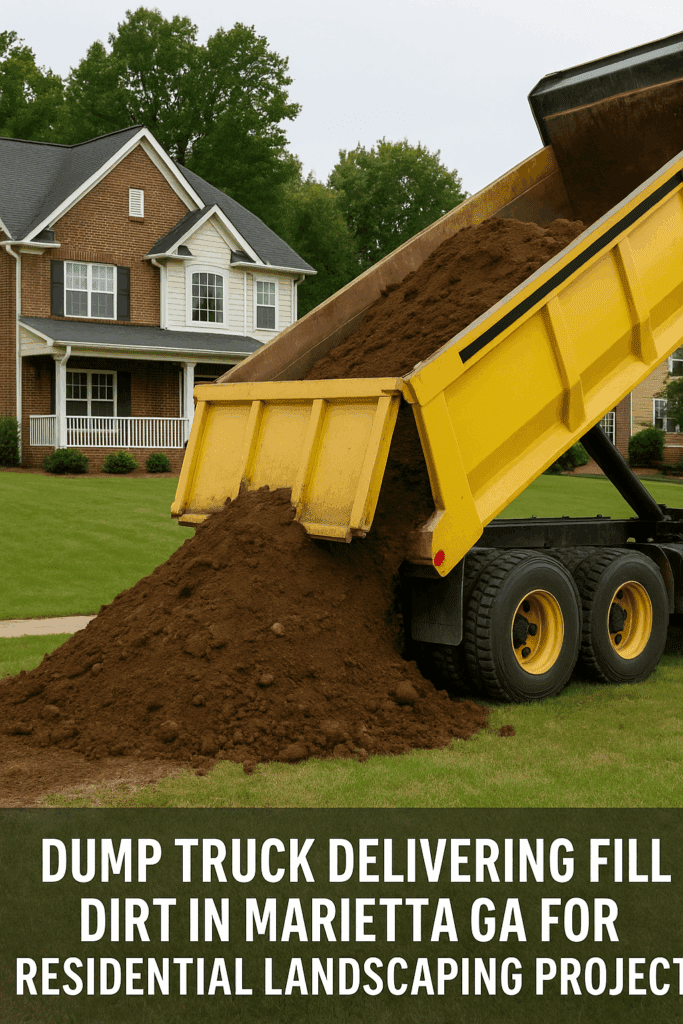
Moving earth is incredibly inefficient. A standard dump truck holds about 10 to 14 cubic yards. That’s it. If your project needs 50 yards, that’s four to five trips. Now, factor in the driver’s time, the diesel fuel, and the wear and tear on a $200,000 vehicle.
In 2026, delivery fees are the silent budget killer. Most suppliers include a certain number of miles in their base price—say, 10 or 15 miles. After that? You pay per mile. And it’s not cheap. We’re talking $3 to $5 per extra mile, per truck.
Let’s do the math. If your site is 20 miles from the quarry, and you need 5 trucks, that extra 5 miles costs you $25 per truck. That’s $125 just for distance. But wait, it gets worse. If the supplier has to drive back empty (which they almost always do), they’re factoring that "deadhead" mileage into your price too. They aren’t charities.
This is why local matters so much. A contractor who sources dirt from a pit two miles away can undercut a competitor sourcing from 20 miles away, even if the second guy charges less for the dirt itself. Without visibility into nearby supply and demand, contractors miss opportunities to reduce haul distance. Smart buyers ask: "Where is this coming from?" If the answer is vague, run.
Hidden Fees That Wreck Your Budget
You’ve got your quote. $20 a yard. Delivered. You feel good. Then the invoice arrives, and it’s $35 a yard. What happened?
Welcome to the world of hidden fees. These aren’t always scams; sometimes they’re just standard industry practices that nobody explains upfront. Here are the big ones to watch for in 2026:
- Spreading and Grading: The driver will dump the pile. That’s it. If you want it spread out evenly, that’s extra. Usually $50 to $100 per hour for a machine and operator.
- Compaction Testing: If you’re building something structural, you might need proof the dirt is packed tight enough. A soil engineer comes out, tests it, and charges $300 to $500 per visit. If it fails? You pay for more dirt and another test.
- Site Access Fees: Can a big dump truck fit down your driveway? If not, they might need a smaller truck (which costs more per yard) or a pump truck. Or maybe they charge a "difficult access" fee because the driver has to maneuver carefully.
- Moisture Surcharges: Remember the water weight issue? Some contracts allow them to adjust the price if the dirt is too wet. It’s rare for homeowners, but common in large commercial jobs.
- Tipping Fees: If you have excess dirt you need to remove, you pay to dump it. Tipping fees vary wildly by county and state, ranging from $15 to $50 per ton.
One reader, Sarah from Ohio, told me she saved $800 on her basement extension by asking about spreading fees upfront. The contractor had assumed she’d rent a bobcat herself. She didn’t know that was an option. Always ask: "What is NOT included in this price?"
Quality Matters: Not All Dirt Is Created Equal
"Dirt" is a lazy word. In the construction world, we have specific terms, and mixing them up is a costly mistake.
Common Fill: This is the cheap stuff. It’s subsoil. It might have roots, rocks, or debris. It’s fine for filling a huge hole in the back of your property where nothing will be built. But don’t use it under a slab. It settles. It shifts.
Structural Fill: This is screened. It’s tested. It has no organic matter (no roots, no leaves) because organic matter rots and creates air pockets. Air pockets mean sinking. This costs more because someone had to process it.
Topsoil: This is the black gold for gardens. It’s rich in nutrients. Never use topsoil as fill. It’s too expensive, and it compacts poorly. Conversely, never use fill dirt for your garden beds. Nothing will grow in it.
I’ve seen homeowners buy "fill dirt" for their vegetable garden because it was cheap. They spent the next year trying to amend dead, clay-heavy soil. It’s a classic mismatch.
Also, beware of "clean fill" vs. "dirty fill." Clean fill means no trash, no concrete chunks, no asbestos-laden debris. In 2026, environmental regulations are stricter. If a contractor dumps contaminated dirt on your site, you could be liable for cleanup. Yes, really. Ask for a guarantee that the material is "certified clean." It’s worth the peace of mind.
The Contractor’s Secret: Timing and Marketplaces
Here’s what contractors won’t tell you: they often guess on pricing because they don’t have real-time data. They call their usual guy, get a quote, add 20% for buffer, and give it to you.
But the market is changing. Transparent marketplaces are shifting fill pricing from guesswork to strategy. Platforms like DirtMatch or Soil Connect allow contractors to see nearby supply and demand.
Why does this matter to you? Because timing is everything.
If a large construction project downtown is digging a foundation, they have thousands of yards of dirt they need to get rid of fast. They might pay someone to take it. If you’re building a berm in the same city, you could get that dirt for free or very cheap, just paying for hauling.
Conversely, if everyone is building in the spring, dirt prices spike. Supply is tight. Trucks are booked. If you can schedule your project for late fall or winter (if the ground isn’t frozen), you might save 10-15%.
Ask your contractor: "Are you sourcing this from a pit, or is this from a local excavation site?" If it’s from an excavation site, you’re helping them solve a disposal problem, which should lower your cost. If they’re charging you premium prices for "waste" dirt from another job, you’re being overcharged.
How to Negotiate Like a Pro
So, how do you protect yourself? You don’t need to be a construction expert. You just need to ask the right questions.
First, get quotes in writing. Not verbal. Written. Ask for a breakdown: material cost, delivery cost, and labor cost. If they lump it all together, ask them to separate it. This lets you compare apples to apples.
Second, measure your own volume. Don’t trust their estimate blindly. Use a simple calculator: Length x Width x Depth (in feet) divided by 27 equals cubic yards. Add 10% for waste. If they quote you for 50 yards and you only need 30, you’ll catch it.
Third, check the access. Walk your site. Can a 40-foot truck turn around? If not, tell them upfront. Surprises on delivery day lead to surcharges.
Fourth, consider renting a dumpster or bin for small jobs. Sometimes, buying bagged fill or small loads from a home improvement store is cheaper than paying for a minimum truckload (usually 10 yards) when you only need 3.
Finally, build a relationship. Local suppliers love repeat business. If you’re doing multiple phases, tell them. They might throw in free delivery on the second load. It’s old school, but it works.
Fill dirt pricing isn’t just about dirt. It’s about distance, timing, material quality, and risk. In 2026, the margins are thin, and the hidden fees are plentiful. But you don’t have to be a victim of them.
By understanding the difference between common and structural fill, knowing how hauling distances impact your bill, and asking the tough questions about hidden fees, you take control. You stop guessing and start strategizing.
Remember, the cheapest quote is often the most expensive mistake. A slightly higher price for certified, clean, locally sourced dirt saves you from settling foundations, failed inspections, and environmental headaches down the road.
So next time you’re staring at that hole in your yard, don’t just look for the lowest number. Look for the clearest contract. Ask where the dirt comes from. Ask what’s included. And don’t be afraid to negotiate. After all, it’s just dirt. But it’s your dirt. Make sure you’re getting what you paid for.