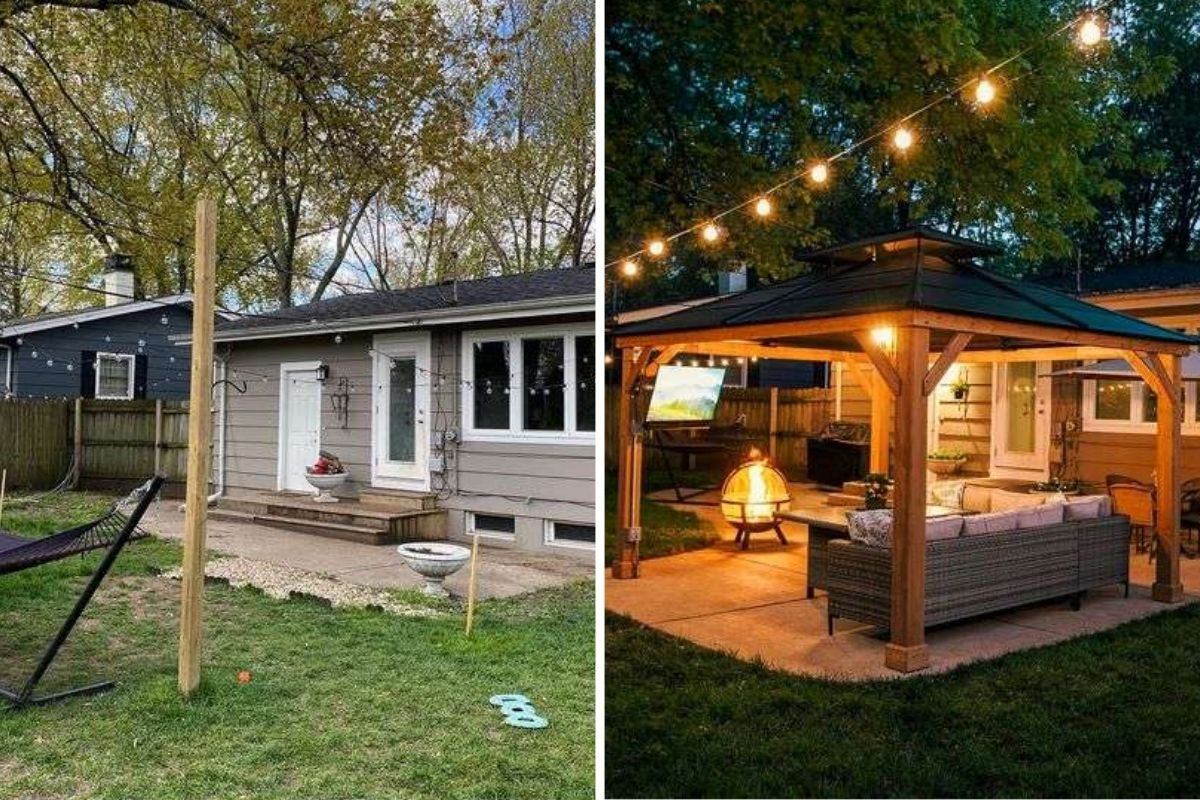

You know that feeling when you walk into your backyard and just… sigh? It’s not always a bad sigh. Sometimes it’s relief. But lately, maybe it’s been a little heavier. You look at that wooden barrier lining your property, the one that’s seen better days, and you wonder if it’s helping or hurting. We tend to think of fences as permanent fixtures. They’re there, so they stay there, right? But what if the best move for your home’s design this spring isn’t adding something new, but taking something old away?
It sounds counterintuitive. We spend so much time talking about curb appeal and landscaping upgrades. We buy new patio furniture. We plant fresh flowers. Yet, we ignore the skeletal structure holding the room together. An old fence can weigh down a space. It can make a yard feel smaller, darker, and dated. Removing it might feel like a loss of privacy or security, but often, it’s actually a gain in light, space, and potential. Let’s talk about why letting go could be the smartest design choice you make this year.
The Psychology of the Barrier
There’s a famous mental model called "Chesterton’s Fence." The idea is simple: don’t remove a fence until you understand why it was put there in the first place. It’s a warning against rash decisions. If you tear something down without knowing its purpose, you might create a problem you didn’t have before. Maybe that fence was keeping the dogs in. Maybe it was blocking a view of a neighbor’s unsightly shed. Or maybe it was just a boundary marker from thirty years ago that no longer serves a real function.
But here’s the twist. Understanding the original reason doesn’t mean the fence needs to stay. In fact, knowing why it’s there helps you decide if that reason still matters. In 2026, our lives look different than they did when many of these older fences were installed. We work from home more. We value outdoor living spaces as extensions of our indoors. A solid, six-foot wood privacy fence might have made sense in 1995, but today, it might just be blocking the sunlight your indoor plants are desperate for.
So, be curious. Ask yourself: What is this fence actually doing for me? Is it providing security, or is it just creating a visual wall? If the answer is mostly "it’s just there," then you’re already halfway to deciding to remove it. Don’t let the status quo dictate your design. Just because a barrier exists doesn’t mean it deserves to remain. Sometimes, the bravest design move is to clear the slate.
Spotting the Signs of Structural Fatigue
Let’s get practical for a second. Even if you love the idea of an open yard, you need to know if your fence is physically falling apart. And I don’t mean a loose board here or there. I’m talking about systemic failure. Recent guides from fencing experts highlight specific red flags that signal it’s time to say goodbye. Rotting posts are the big one. If the base of your fence posts is soft, spongy, or crumbling, the whole structure is compromised. No amount of stain will fix that.
Then there’s the lean. We all have that one section of fence that looks like it’s trying to escape to the neighbor’s yard. Wind damage, soil erosion, or just age can cause sections to shift. If you see warped boards, misaligned gates that won’t latch, or rusted hardware that’s eating into the wood, you’re looking at a system past its prime. In humid climates or areas prone to storms, like Sarasota or parts of Texas, moisture and wind accelerate this decay. Constant dampness leads to rot in wood and rust in metal faster than you’d think.
Here’s the hard truth: patching these issues is often a money pit. You fix one post, then another board warps. You replace a gate hinge, then the next panel cracks. It’s a cycle of short-lived repairs that add up to more than the cost of a replacement—or removal. If your fence is showing multiple signs of wear, it’s not just an eyesore; it’s a liability. Keeping it up might cost you more in maintenance headaches than taking it down ever would.
The Neighbor Factor and Property Lines
One of the trickiest parts of fence removal isn’t the physical labor; it’s the social dynamics. Who owns the fence? This question changes everything. In many places, fences on property lines are shared responsibilities. But "shared" can be a vague term. If the fence benefits you but technically belongs to your neighbor, they might refuse to help with repairs. Or worse, they might leave it in disrepair, forcing your hand.
If you decide to remove a shared fence, communication is key. You can’t just knock it down without talking to the people on the other side. Maybe they rely on it for their dog, too. Maybe they hate it as much as you do. Having an honest conversation can reveal surprising alignments. Perhaps you both agree it’s time for a change. Or, if they want to keep a barrier, you might negotiate building a new one entirely on your side of the property line. This ensures you own it, control it, and can design it exactly how you want.
Angi notes that clarifying ownership is crucial before making any moves. If you build a new fence on your land, you avoid the legal gray areas of shared structures. It gives you freedom. You can choose materials that suit your style, whether that’s sleek vinyl, natural cedar, or even a living hedge. Plus, it removes the ambiguity of who pays for what. Clear boundaries—both physical and legal—make for better neighborly relationships in the long run.
Reclaiming Light and Visual Space
Let’s talk about aesthetics. Because honestly, that’s why we’re here. An old, dark fence absorbs light. It makes your yard feel cave-like, especially in the corners. By removing it, you instantly open up the visual field. Suddenly, your backyard feels twice as big. The sunlight hits the grass in places it hasn’t touched in years. Your garden beds, previously shaded by the fence line, might finally get the exposure they need to thrive.
This doesn’t mean you have to live in a fishbowl. Removing a fence is an opportunity to rethink privacy. Instead of a solid wall, consider layered landscaping. Tall ornamental grasses, strategically placed trees, or trellises with climbing vines can provide screening without the heaviness of a wooden barrier. These elements breathe. They move with the wind. They change with the seasons. A static fence is dead weight; living barriers are dynamic design features.
Think about the view from your kitchen window or your back door. What do you see now? A weathered plank? Or do you want to see the sky, the trees, the horizon? Removing the fence shifts the focus from the boundary to the landscape itself. It invites the outside in. In 2026, design trends are leaning toward seamless indoor-outdoor living. A bulky, outdated fence interrupts that flow. Taking it down restores the connection between your home and the natural world around it.
Cost Considerations: Repair vs. Remove
Money talks. And in this economy, everyone is listening. One of the biggest misconceptions is that removing a fence is expensive. Sure, there’s labor involved. You have to pull posts, haul away debris, and fill holes. But compare that to the cost of a full replacement. High-quality materials aren’t cheap. Vinyl, composite, and premium hardwoods have seen price fluctuations in recent years. Labor costs for installation are also up.
If your current fence is beyond repair, replacing it with a like-for-like structure could cost thousands. Removing it, on the other hand, is a one-time expense. And once it’s gone, your maintenance costs drop to zero. No more staining every two years. No more replacing rotten pickets. No more fixing sagging gates. That savings adds up over time. You can redirect those funds into other parts of your outdoor design—maybe a new patio, a fire pit, or those perennial beds you’ve been dreaming about.
Also, consider the value of your time. How many weekends have you spent fighting with a power washer or hunting for matching wood stains? That time has value too. Removing the fence frees you from that chore list. It’s an investment in your future leisure. Instead of maintaining a barrier, you’re enjoying the space it used to occupy. That’s a return on investment you can actually feel every time you step outside.
Design Freedom for the Modern Yard
Finally, let’s look at the big picture. What do you want your yard to be? In the mid-20th century, fences were about enclosure. They defined property lines rigidly. Today, our design sensibilities are softer, more organic. We want spaces that feel curated, not confined. Removing an old fence allows you to redefine the edges of your property in a way that suits your lifestyle.
Maybe you want a low stone wall that doubles as seating. Maybe you want a wrought-iron accent that provides security without blocking views. Or maybe you want nothing at all, blending your yard with a community green space or a wooded area behind you. The absence of a fence is a design choice in itself. It says, "This space is open. It is welcoming."
Old-fashioned styles often fail to provide the visual appeal we desire today. Upgrading doesn’t always mean putting up a new version of the same old thing. It can mean stripping away the obsolete to make room for the essential. By removing the old, you create a canvas. You get to decide what comes next, if anything. And that freedom? It’s priceless. It transforms your backyard from a storage unit for old wood into a living, breathing part of your home.
So, where does this leave you? Standing in your backyard, staring at that tired old fence. It’s okay to feel hesitant. Change is scary. But remember, you’re not just tearing down wood and metal. You’re clearing away clutter, both physical and mental. You’re making room for light, for growth, for new possibilities.
Start small. Inspect the damage. Talk to your neighbors. Get a few quotes for removal versus repair. Look at your budget. But most importantly, imagine the space without it. Close your eyes and picture the sun hitting your face unobstructed. Picture the expanded view. If that image brings you peace, then you have your answer.
Spring is the season of renewal. It’s when we clean out the closets and plant new seeds. Why not extend that renewal to the boundaries of your home? Removing that old fence might just be the best design decision you make all year. It’s bold. It’s practical. And it’s liberating. Go ahead. Take it down. You might be surprised by how much space you’ve been missing.