
So, you have finally decided to transform that muddy patch of grass in your backyard into a beautiful stone patio. You call up a few local contractors, and a week later, the estimates start rolling into your inbox. But instead of feeling excited, your head is spinning. Why is one price double the other? What on earth does "base preparation and stabilization" actually mean.
It is completely normal to feel overwhelmed. Hardscaping—which is just the industry term for the hard stuff in your yard like stone, brick, and concrete—is a massive investment in 2026. If you do not know what to look for, you might end up picking the cheapest bid, only to watch your expensive pavers sink into the earth after the first heavy rain. Let’s talk about a straightforward way to grade these quotes like an absolute expert.
Slice the Estimates Into Three Buckets
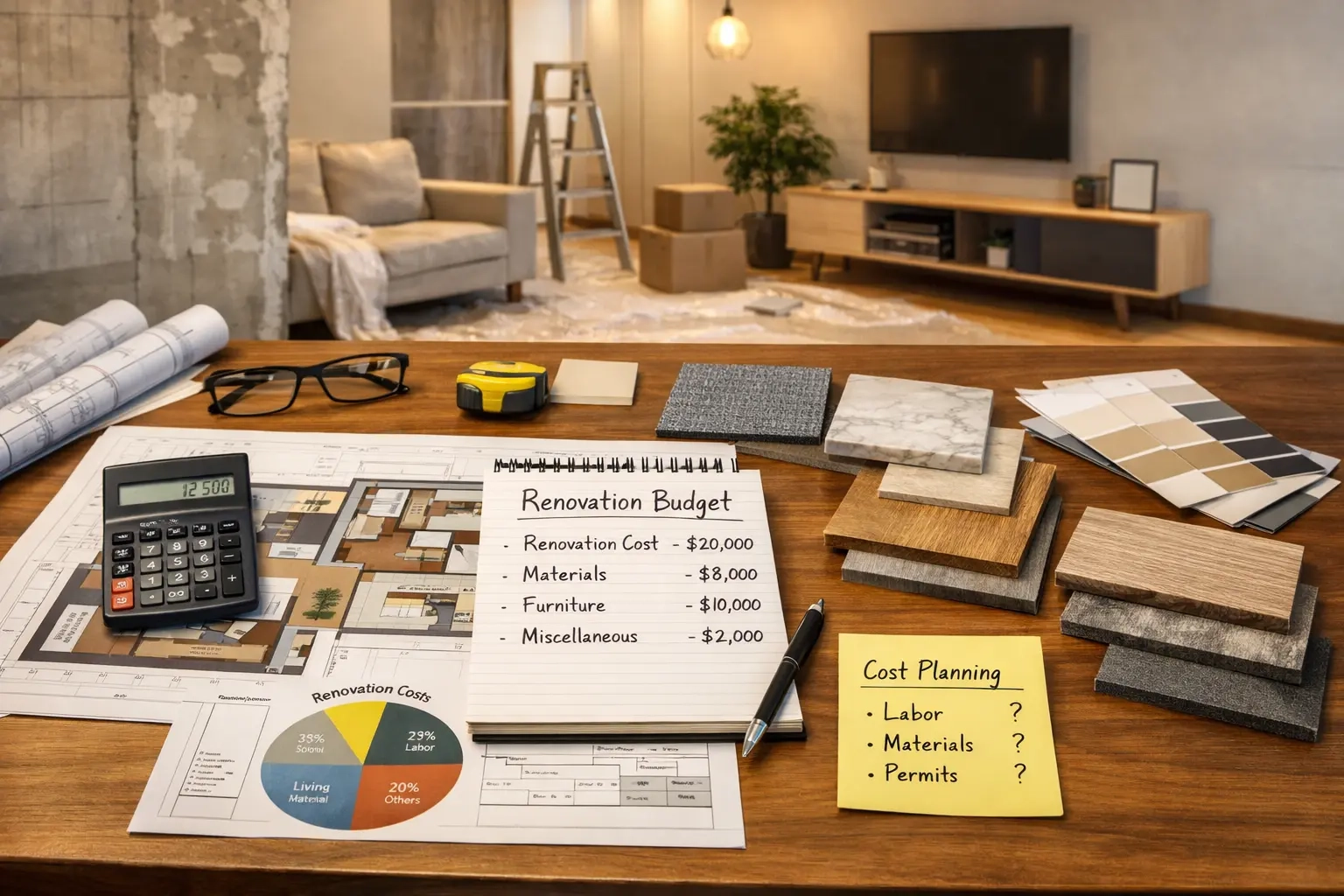
When you look at a sheet of paper with a giant number at the bottom, it helps to break it apart. Every single hardscaping job is made of three core pieces: stuff, labor, & time. The stuff means the physical blocks, the gravel, and the dirt. Labor is the crew’s sweat, and time is how long they occupy your driveway.
If a contractor just hands you a single lump sum without breaking these down, that is a massive red flag. You want to see exactly how much you are paying for the actual pavers versus the work to put them in. Ask them to split it up so you can compare apples to apples.
The Magic is Always Under the Dirt
Here is a little secret that shady contractors do not want you to know: the most critical part of your patio is the part you will never see. A lot of people focus on the pretty color of the stones. But if the foundation is trash, the patio will be trash too.
You need to check the depth of the excavated area. For a standard walk-way or patio, a crew needs to dig down at least six to eight inches. They need to fill that space with crushed gravel and compact it tightly. If one quote mentions a four-inch base and another says eight, the cheaper one is cutting corners that will cost you thousands down the road.
Look for the Hidden Extra Fees
Have you thought about what happens to all the old dirt and grass they dig up. Dirt is heavy, and dumping it costs real money. Some companies hide these disposal fees in the fine print, or worse, they leave a giant pile of mud on your front lawn and expect you to deal with it.
Check the paperwork for words like "hauling," "site cleanup," or "re-seeding." A truly great professional will explicitly state that they will restore your lawn to its original state once the heavy machinery rolls away. If it is not written down, it does not exist.
Check Their Insurance and Warranty Promises
Let’s be real for a second. Heavy machines can break things. What happens if a bobcat cracks your main water line or smashes your favorite fence? You need to make sure the contractor carries general liability insurance and worker’s compensation.
Furthermore, look closely at the warranty. In 2026, top-tier hardscapers should offer at least a two-to-five-year craftsmanship guarantee. This is completely separate from the manufacturer warranty on the stones themselves. If the patio shifts because they built it wrong, they should fix it for free.
Timeframes and the Payment Schedule Dance
We have all heard the horror stories of builders who start a project, tear up the yard, and then disappear for a month. A reliable quote must include an estimated start date and an expected completion window. Weather happens, sure, but you need a baseline.
Also, look at how they want their money. Never, ever pay more than 30% upfront. A standard, healthy payment schedule usually looks like a small deposit to secure the date, another chunk when materials arrive on your driveway, & the final payment only when you are 100% happy with the finished product.
Trust Your Gut on the Human Element
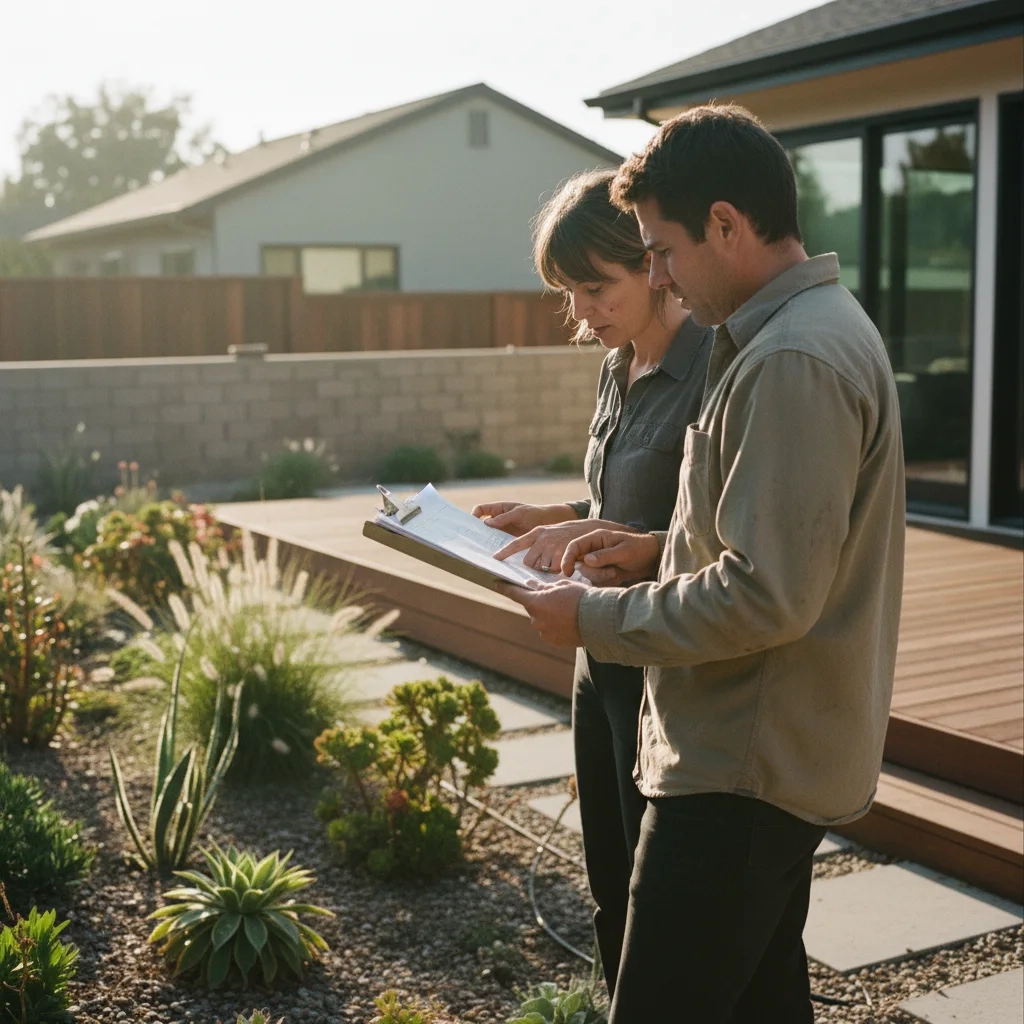
At the end of the day, numbers on a page only tell half the story. How did the contractor act when they came to measure your yard. Did they listen to your ideas, or did they try to push you into a design you did not really want?
Communication is everything during a messy home renovation. If a builder takes three weeks to send you a simple email response now, imagine how hard it will be to get a hold of them when your backyard is a giant hole in the ground. Pick the person who treats you with respect and answers your silly questions without making you feel dumb.
Grading a hardscaping quote does not require a degree in engineering. It just takes a little bit of patience and a willingness to look past the final price tag. By focusing on the depth of the base, the cleanup details, and the payment schedule, you can easily spot the difference between a subpar job and a true professional.
Take a deep breath, spread those papers out on your kitchen table, and take your time. Your future backyard oasis—and your wallet—will thank you for doing your homework.