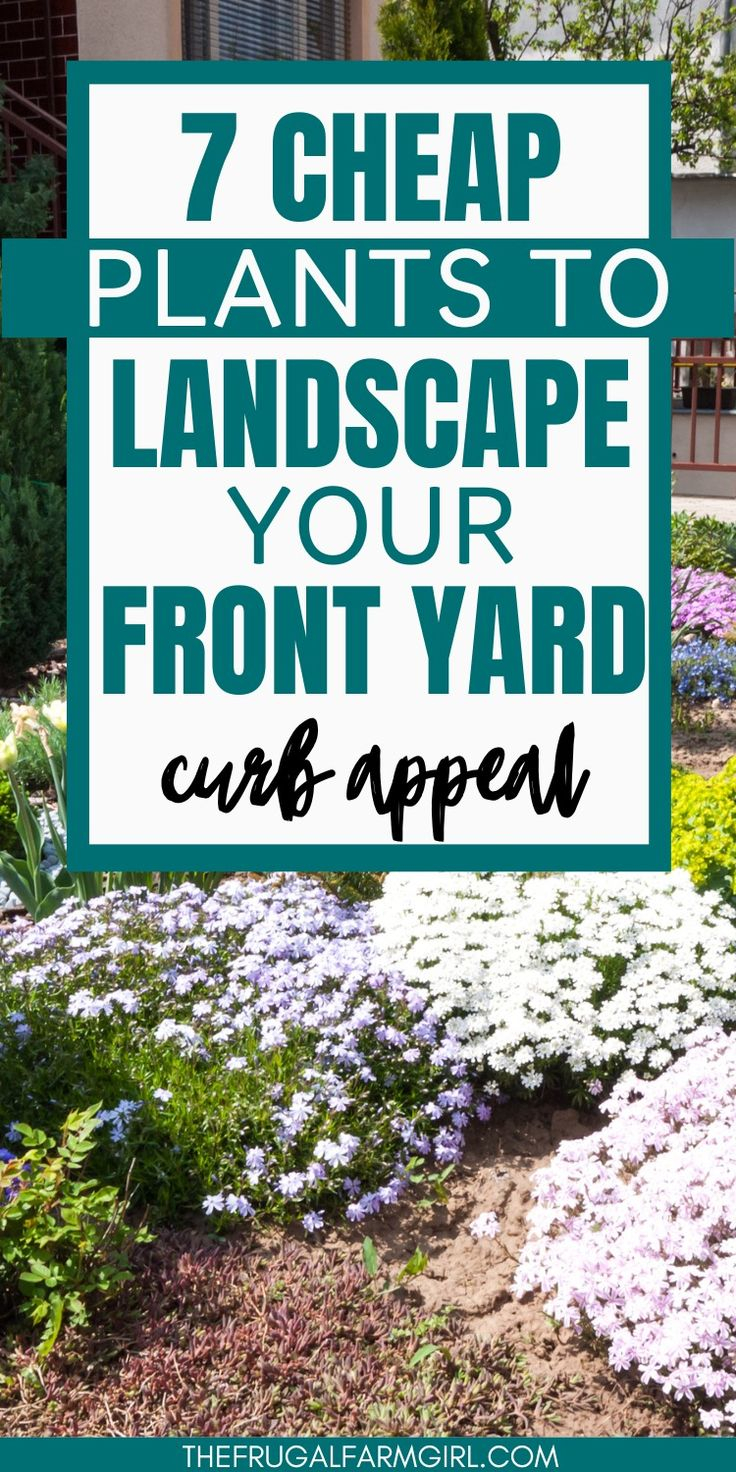

You pull into your driveway after a long day. The house looks fine. But does it feel like home? Or just a box you sleep in? In 2026, curb appeal isn’t about manicured lawns that cost a fortune to maintain. It’s about personality. It’s about that first glance telling a story before you even unlock the front door. And here is the secret nobody tells you: you don’t need a landscape architect’s budget to get that look. You just need the right plants in the right spots.
Think about it. We’ve all seen those houses with the sad, lonely shrub by the mailbox. It’s depressing, right? But swap that out for a textured combo of grasses and succulents, and suddenly, the place has vibe. It has life. This year, the trend is shifting away from perfection and toward resilience. People are tired of watering things to death. They want beauty that lasts. Good news is, nature is generous if you ask nicely. You can transform your entryway with pocket change and a little bit of dirt under your fingernails. Let’s dig in.
The Architectural Anchor: Ornamental Grasses and Succulents
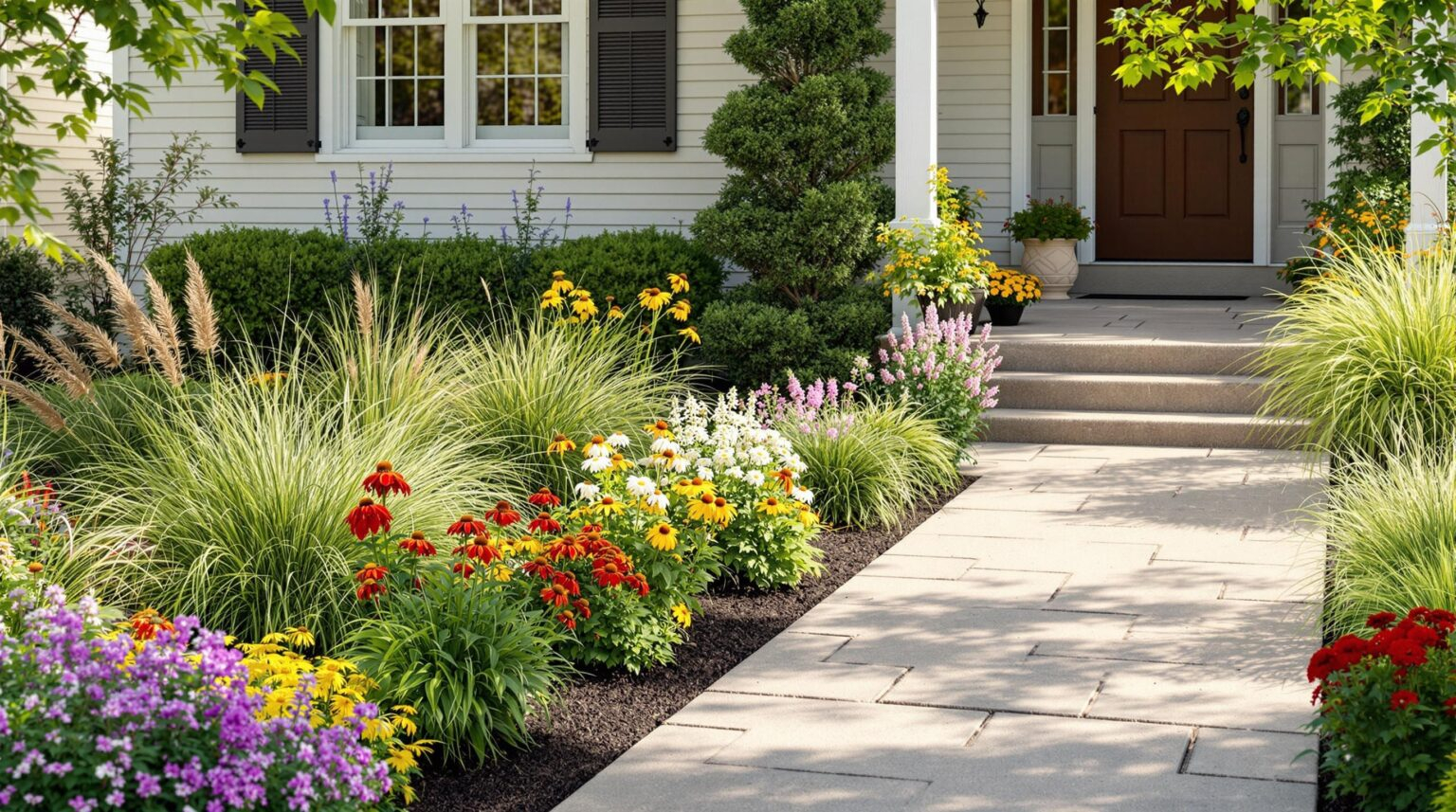
Start with structure. Modern design loves clean lines, but nature hates straight edges. So, how do you bridge that gap? You pair the rigid with the fluid. Ornamental grasses are the unsung heroes of budget landscaping. They are cheap, they grow fast, and they move beautifully in the wind. Think Fountain Grass or Blue Fescue. They add height and motion without demanding much attention. Now, contrast that softness with something sharp and solid. Succulents like Agave or Sedum ‘Autumn Joy’ provide that architectural punch.
This combo works because it plays with texture. The feathery plumes of the grass soften the spiky, geometric shapes of the succulents. It looks intentional. Designed. Yet, both plants are drought-tolerant beasts. In the heat of July 2026, when water restrictions might be tightening up again in many regions, this pairing thrives on neglect. You plant them once, mulch heavily, and let them do their thing. The visual interest lasts from spring through winter, especially if you leave the grasses standing for that snowy silhouette effect.
Practical tip: Don’t just scatter them. Group them in odd numbers. Three grasses behind two large succulents creates a triangular composition that draws the eye upward toward your front door. Use gravel as mulch instead of wood chips to keep that modern, crisp aesthetic. It’s cheaper too. And honestly, it looks sharper against the green foliage. You’re creating a mini desert oasis that says "I have style, but I also have a life."
The Color Pop: Purple Salvia and White Shasta Daisies
Color can be tricky. Go too bright, and it looks chaotic. Too muted, and it feels dull. The classic purple and white combination is a winner for a reason. It’s calming yet vibrant. Purple Salvia (like ‘May Night’) offers vertical spikes of deep violet that bloom repeatedly if you deadhead them. They are pollinator magnets, bringing bees and butterflies to your porch. Paired with the cheerful, open faces of White Shasta Daisies, you get a cottage-core feel with a modern twist.
Why does this work for curb appeal? Because it frames the entrance with warmth. White reflects light, making dark corners near the foundation feel brighter and safer. Purple adds depth and sophistication. It’s a high-contrast look that pops against brick, siding, or stone. Plus, these plants are incredibly affordable. You can often find flats of them at local nurseries for a fraction of the cost of larger specimen plants. They fill in space quickly, giving you that "established garden" look in just one season.
Care is minimal. Both are perennials, meaning they come back every year. Salvia loves full sun and well-drained soil. Daisies are tough cookies that handle a bit of shade and poorer soil. Just make sure not to overwater them. They prefer to dry out a bit between drinks. If you clip the spent flowers, you’ll get a second flush of blooms in late summer. Imagine sitting on your porch in August, watching the bees dance between the purple spikes and white petals. It’s simple joy. And it costs pennies compared to the value it adds to your home’s facade.
The Low-Maintenance Groundcover: Creeping Thyme and Dwarf Mondo Grass
Lawns are out. At least, traditional turf lawns are losing their grip. In 2026, people are realizing that mowing is a chore nobody actually enjoys. Enter the no-mow groundcover duo. Creeping Thyme and Dwarf Mondo Grass create a lush, carpet-like effect that feels luxurious underfoot but requires zero mowing. Thyme releases a lovely scent when stepped on, adding a sensory layer to your curb appeal. It’s not just about looks; it’s about experience.
Mondo grass provides the deep green, grass-like backdrop. It’s evergreen in many climates, so your yard doesn’t turn brown and dead in winter. Thyme spreads between the clumps, filling in gaps with tiny purple or pink flowers in early summer. This combination is perfect for narrow side yards, slopes, or areas around tree bases where regular grass struggles. It prevents erosion and suppresses weeds naturally. Less weeding means more time for you to enjoy your coffee on the front step.
Installation is straightforward. Buy plugs or small pots, space them out, and let them knit together. It takes a season or two to fully fill in, but the wait is worth it. Once established, it’s nearly indestructible. Foot traffic? No problem. Drought? It laughs at drought. This combo signals to visitors that you value sustainability and ease. It’s a subtle flex. You’re not trying too hard, but everything looks put together. And if you have pets, thyme is generally safe and durable enough to handle a bit of dog running. Win-win.
The Vertical Interest: Climbing Hydrangea and Hostas
Not everyone has a sprawling front yard. Many of us are working with tight spaces, narrow beds, or awkward corners next to the garage. Vertical gardening is the answer. But vines can look messy if not managed. Climbing Hydrangea is the elegant solution. It clings to walls and trellises without damaging masonry (unlike ivy, which can be destructive). Its lace-cap white flowers in early summer are stunning. And in winter, the peeling bark adds textural interest that few other plants can match.
Underneath the hydrangea, plant Hostas. These shade-loving giants fill the lower level with broad, lush leaves. Varieties like ‘Halcyon’ or ‘Patriot’ offer variegated colors that brighten up shady spots. The contrast between the delicate, airy flowers of the hydrangea high up and the bold, solid leaves of the hostas below creates a layered look. It makes a small space feel bigger and more complex. It draws the eye up, making your home appear taller and more grand.
This combo is ideal for north-facing entrances or shaded porches. Both plants thrive in cooler, moister conditions. Mulch heavily to retain moisture. While Climbing Hydrangea takes a few years to establish its climbing roots, once it goes, it goes. It’s a long-term investment that pays off in spades. In 2026, with more people working from home, having a beautiful view from your window matters. This pairing provides a living piece of art that changes with the seasons. Green in spring, white in summer, gold in fall, and sculptural in winter.
The Edible Edge: Kale and Ornamental Peppers
Who says curb appeal can’t be delicious? Mixing edibles with ornamentals is a huge trend this year. It’s practical, pretty, and unexpected. Ornamental Peppers come in shades of purple, orange, and red. They stand upright like little soldiers, adding vertical accents and vibrant color. Interplant them with flowering Kale or Swiss Chard. The curly, frilly leaves of kale in shades of green, purple, and cream provide a soft, textured base that contrasts beautifully with the smooth, glossy peppers.
This combo is perfect for container gardens flanking your front door or in raised beds near the walkway. It invites conversation. Neighbors walking by might stop to ask, "Can you eat those?" And the answer is yes. It breaks down the barrier between "decorative" and "functional." It shows that you’re grounded, practical, and creative. Plus, these plants are annuals, so you can change the look every year. Try different pepper colors or kale varieties to keep it fresh.
They are also surprisingly tough. Peppers love heat and sun. Kale tolerates cold and even frost, lasting well into late autumn. This extends your curb appeal season significantly. While other gardens are dying back in October, your entryway is still vibrant with purple kale and bright orange peppers. It’s a cheerful welcome during the gloomier months. Just ensure they get enough water, as containers dry out faster. A simple drip irrigation system can automate this, keeping them happy with minimal effort on your part.
Scent is the most overlooked element of curb appeal. Visuals grab attention, but scent creates memory. The classic pairing of Lavender and Boxwood is timeless for a reason. Boxwood provides the evergreen structure. Trimmed into neat spheres or low hedges, it offers a formal, tidy backdrop. Lavender spills over the edges, softening the rigidity with its silvery foliage and purple spikes. The fragrance is intoxicating, creating an invisible welcome mat that greets guests before they even ring the bell.
In 2026, mental wellness is a priority. Coming home to the scent of lavender reduces stress. It’s aromatherapy built into your landscape. Boxwood is slow-growing and low-maintenance, requiring only occasional trimming to keep its shape. Lavender needs good drainage and full sun, but once established, it’s drought-tolerant and deer-resistant. This combo works in almost any climate, provided you choose the right lavender variety for your zone. English lavender for cooler areas, French or Spanish for warmer ones.
Place this combination near seating areas or pathways where people will brush against the plants. The release of scent upon contact enhances the experience. It feels luxurious, like a spa resort, but it’s just your front yard. Keep the boxwood pruned to prevent disease issues, which have been a concern in recent years. Air circulation is key. Open up the center of the plants if they get too dense. This ensures they stay healthy and beautiful for decades. It’s an investment in tranquility.
So, there you have it. Five combos that don’t require a second mortgage. The key to modern curb appeal isn’t spending more. It’s thinking smarter. It’s about choosing plants that work together, support each other, and fit your lifestyle. Whether you go for the architectural drama of grasses and succulents or the fragrant calm of lavender and boxwood, you’re adding value to your home and joy to your daily life.
Don’t overthink it. Start small. Pick one corner. One bed. Try one of these pairings. Watch how it changes the feel of your space. You might find that the best part of coming home isn’t just opening the door, but seeing what’s grown while you were away. Nature is patient. It waits for us to catch up. And in 2026, catching up means slowing down, simplifying, and letting the plants do the heavy lifting. Your wallet—and your soul—will thank you.