
Have you ever wondered why your neighbor’s raised bed garden looks like a lush jungle while yours is struggling to keep a few tomato plants alive? You both bought the same bags of dirt from the local nursery, right. Well, it turns out that filling a raised bed isn’t a one-size-fits-all situation. Raised beds are amazing because they give you total control over what your plants grow in, but they also dry out faster, warm up quicker, and lose nutrients differently than the regular ground.
The big secret that experienced gardeners know is that your local weather should dictate what goes into your soil mix. If you live in a place where the sun bakes everything to a crisp by July, your dirt needs to hold onto water like a sponge. But if you are dodging rainstorms every other day, that same mix will turn into a swampy mess and rot your plant roots. Let’s look at how to build the ultimate foundation for your backyard setup.
The Classic Blueprint: The Mel’s Mix Base
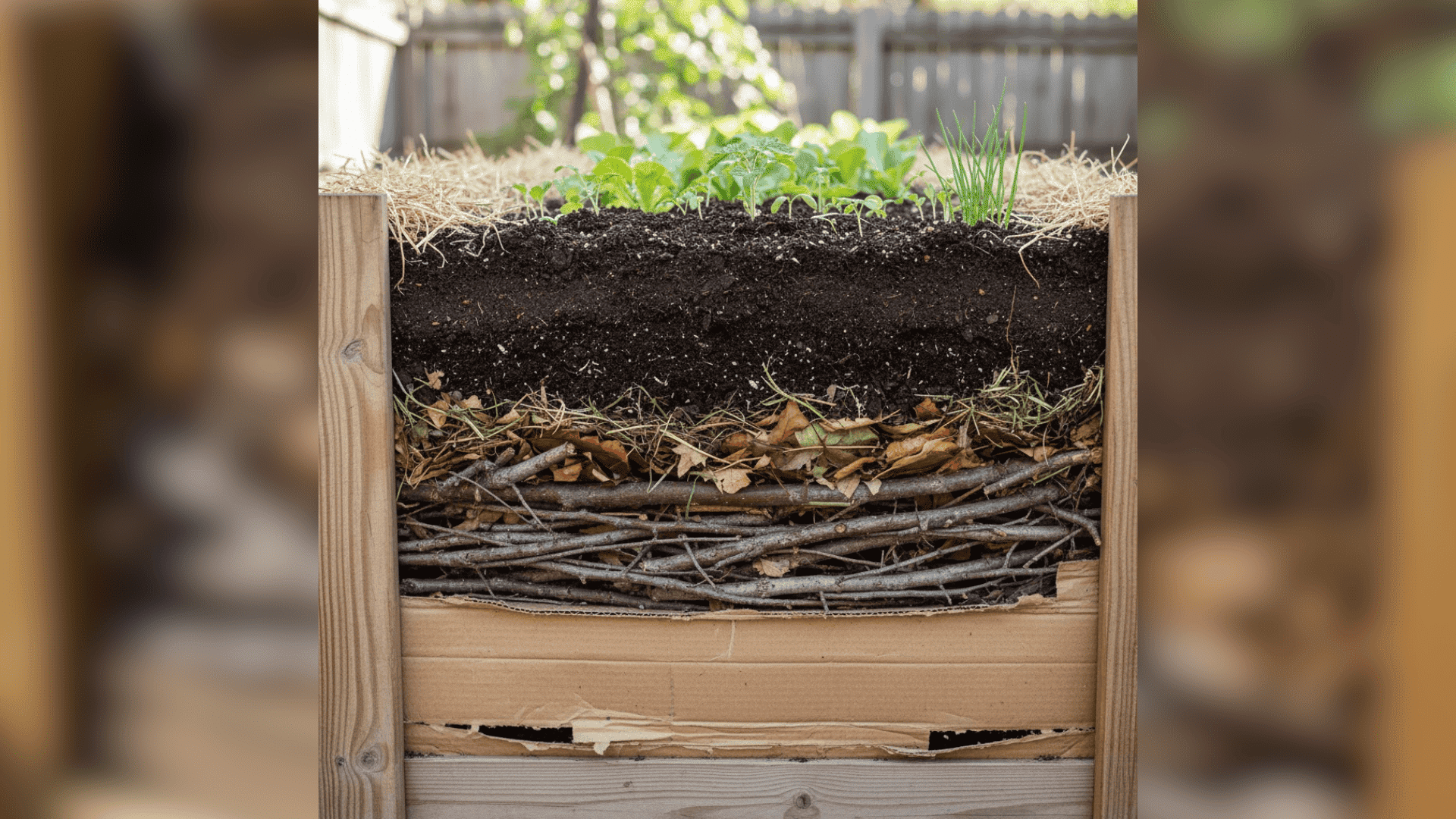
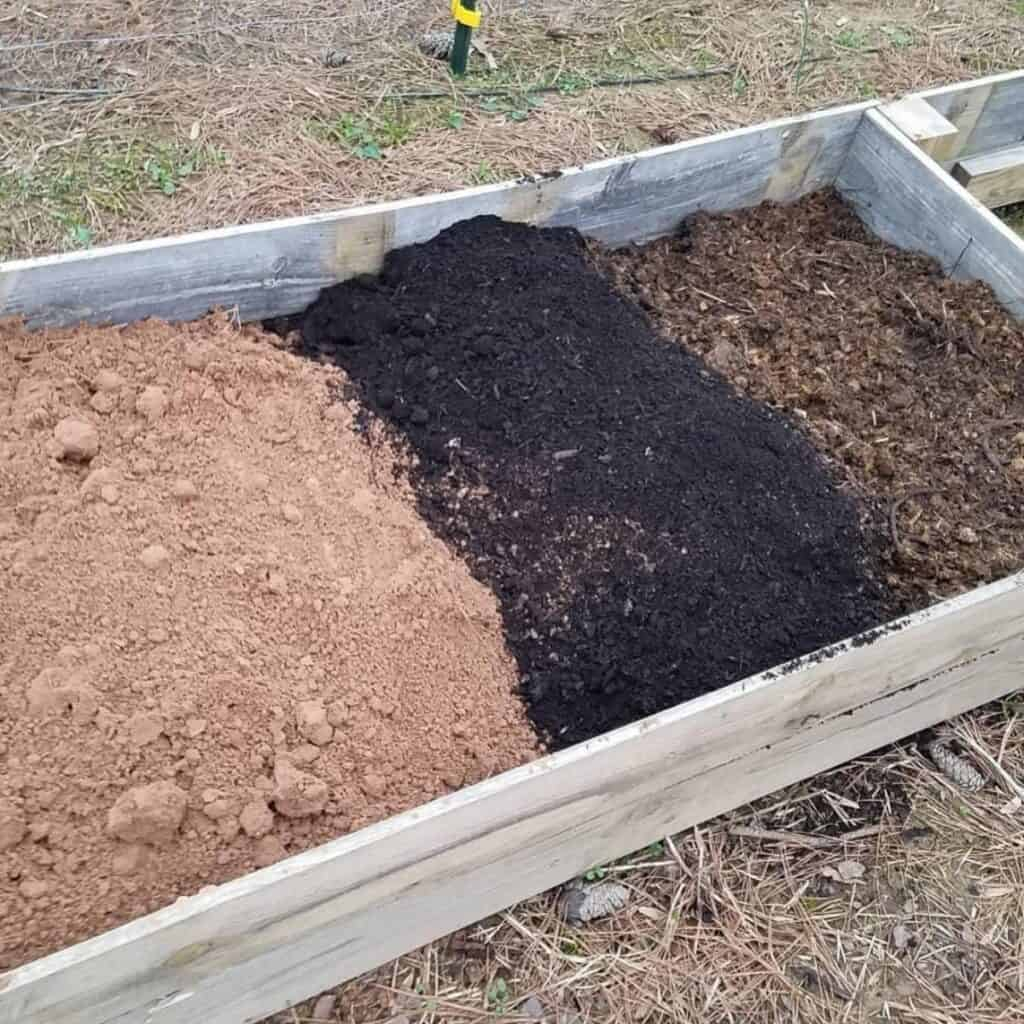
Before we talk about tweaking things for your specific weather, we need a solid starting line. Most garden folks use a classic three-part recipe. It is pretty simple: one-third fluffy peat moss or coconut coir, one-third vermiculite or perlite for aeration, and one-third rich blended compost. This classic trio gives you a light, springy texture that never feels sticky or soggy when you squeeze it.
This basic recipe works beautifully in moderate climates where the weather doesn’t get too extreme. The compost feeds the plants, the peat moss holds onto just enough moisture, and the vermiculite keeps the dirt from compacting into a brick. But let’s face it, very few of us live in a perfect climate capsule.
When the Sun Beats Down: Hot and Dry Adjustments
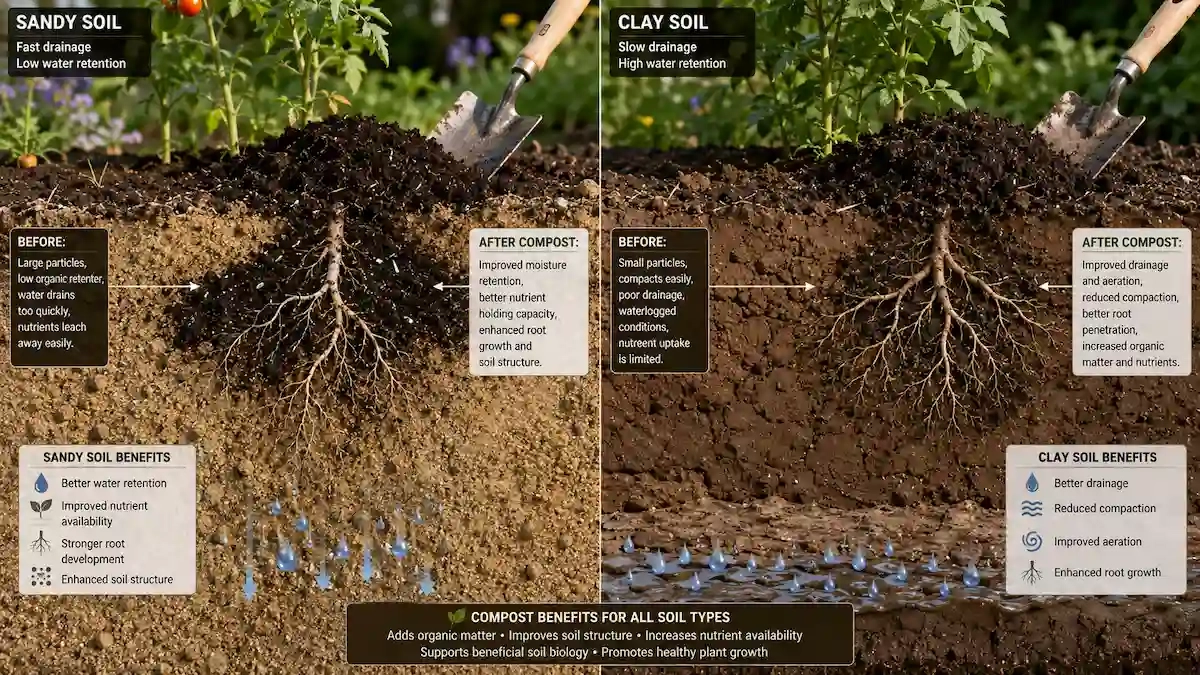
If you are gardening in an arid zone or dealing with intense summer heatwaves, your biggest enemy is evaporation. You fill your beds, water them, and an hour later the top few inches are bone dry again. To fix this, you want to lean heavily on water-retaining components. Swap out perlite for vermiculite because vermiculite acts like a tiny sponge that holds water, whereas perlite just lets it drain away.
You should also bump up the percentage of organic matter. Try a mix that is closer to 40% compost and coco coir, reducing the drainage elements slightly. Another lifesaver is adding a thick layer of wood chips or straw mulch right on top of the soil. This shades the dirt and keeps the moisture from escaping into the hot air.
Dealing with the Deluge: Wet and Rainy Climates
On the flip side, maybe you live somewhere like the Pacific Northwest where it feels like it rains for months on end. In soggy areas, your main goal is getting excess water out of the bed as quickly as possible so your plant roots can breathe. If roots sit in water for too long, they suffocate and die.
For rainy climates, you want to increase the coarse materials. Toss extra perlite, pumice, or even clean coarse sand into your mix. Try a ratio of 40% drainage material, 30% compost, and 30% peat moss. Monitoring how your bed handles a heavy storm will help you determine if you need to add more drainage channels or adjust the soil porosity for future seasons.
The Cold Shoulder: Short Summers and Northern Zones
In northern regions, the gardening season is frustratingly short. Raised beds are already great here because they elevated off the frozen ground and warm up faster in the spring. But you can give them an extra boost by adjusting your recipe to absorb more of the sun’s limited warmth.
To do this, use a higher concentration of dark, rich compost. Dark colors absorb heat from sunlight much better than light-colored peat or perlite. You can also mix in some well-rotted manure, which continues to break down slowly and actually generates a tiny bit of ambient warmth in the soil profile. Avoid heavy mulching early in the spring so the sun can hit the dark soil directly.
Keeping the Nutrition Alive: Managing Nutrient Leaching
Rain and frequent watering don’t just move water through your beds; they also wash away vital nutrients. This is called leaching. If you have a high-drainage mix because of heavy rains, your plants might start looking pale and yellow because their food is washing out the bottom of the box.
To counter this, you need to add ingredients that hold onto nutrients. Biochar is a fantastic tool for this—it’s essentially a special type of charcoal that has millions of tiny microscopic pores where nutrients and beneficial microbes can hide. Mixing a handful of worm castings or green sand into your seasonal routine also helps keep the food supply steady.
The best way to know if your recipe is working is to simply pay attention. Walk out to your garden after a big storm or a super hot afternoon. Dig your fingers a few inches into the dirt. Does it feel like a squeezed-out sponge? Perfect. Is it a muddy soup? You need more perlite next season. Is it dusty and dry? Time for more organic matter.
Gardening is a continuous experiment, and your soil will naturally settle and change over the months. Don’t be afraid to top off your beds every spring with a fresh layer of whatever your climate demanded the previous year.
Adjusting your raised bed soil recipe might sound a bit technical at first, but it really boils down to balancing water and air. By looking at your local weather forecast and tweaking your ingredients, you are giving your veggies the absolute best chance to thrive.
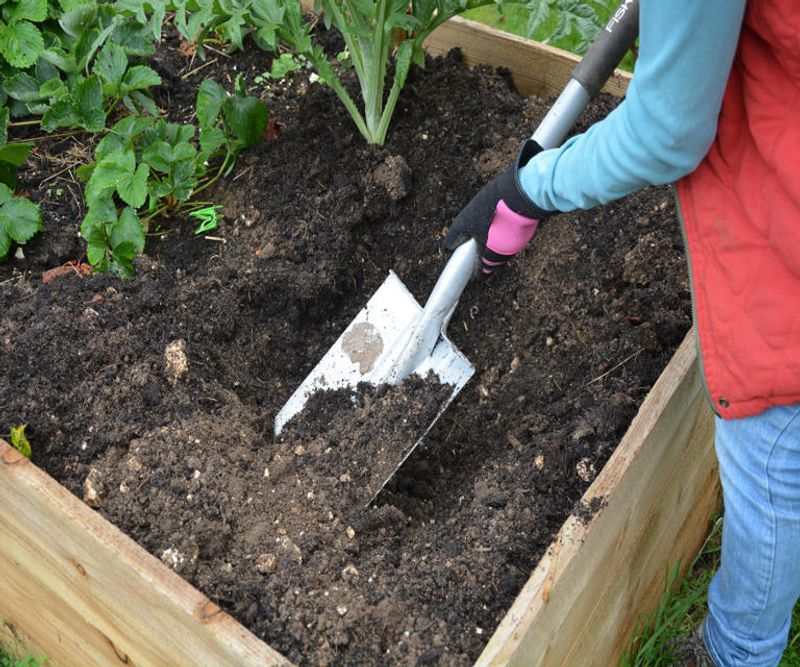
Remember that you don’t have to throw out your old soil to fix these issues. Just amend what you already have by stirring in what is missing. With a little bit of patience and some observations, you’ll have a custom dirt blend that handles whatever wild weather nature throws your way.