
Running a landscaping business right now feels a bit like trying to trim a hedge in a windstorm. The industry is booming, but the gear required to keep up is getting incredibly pricey. If you are staring at your yard full of aging trucks and commercial mowers, you are probably asking yourself a heavy question. Is it actually smarter to keep buying this stuff, or should we just rent and outsource it all.
It is a riddle that keeps plenty of business owners awake at 2 AM. On one hand, there is nothing quite like seeing your logo emblazoned on a fleet of shiny, brand-new trucks. It feels like real success. But then you look at the maintenance bills, the depreciation, and the sheer amount of cash tied up in steel and tires. Suddenly, leasing or renting on demand starts to look pretty attractive. Let’s break down how folks are navigating this mess in 2026.
The Cold Cash Reality of Ownership
Buying your gear outright used to be the gold standard. You saved up your profit, went to the dealer, and bought those zero-turn mowers. Owning means total control; nobody can tell you when or how to use your property. Plus, when the season gets incredibly busy, you never have to worry about a rental house running out of the specific aerator or excavator you need.
But ownership has a hidden trap, and it is a financial one. When you buy a machine, a massive chunk of your cash gets trapped in that asset. That is money you cannot use for marketing, hiring better crew leads, or expanding into a new territory. If a slow month hits, you still have to make those equipment loan payments. The pressure can get pretty intense when the rain won’t stop and the machines are just sitting idle in the shop.
The Rise of Flexible Sourcing
On the flip side, outsourcing—or renting and leasing—is gaining a ton of traction this year. Think of it as the "subscription model" for commercial landscaping. Instead of dropping $50,000 on a heavy-duty truck or specialized loader, you pay a predictable monthly or weekly fee only when you actually need it. This keeps your bank account fluid and ready for unexpected emergencies.
It also shifts the massive headache of maintenance onto someone else. If a leased mower blows a hydraulic line in the middle of a major commercial job, you simply call the supplier. They bring you a replacement, and you keep rolling. You don’t have to pay a full-time mechanic or watch your own crew waste hours trying to fix a complex engine in the field.
Tech Obsolescence is Speeding Up
Here is a big factor that a lot of people overlook: technology is moving incredibly fast now. The mowers and electric tools coming out in 2026 are miles ahead of what we used just a few years ago. Battery life is skyrocketing, and autonomous or robotic mowers are becoming totally normal on big commercial properties.
If you buy a massive fleet of gas-powered gear today, you might find yourself stuck with obsolete equipment in three years. Sourcing your fleet through short-term leases lets you upgrade constantly. You always get to use the newest, most efficient, and most fuel-efficient tools without taking a massive bath on resale value.
Crunching the Operational Numbers
So, how do you actually choose. A good rule of thumb that veteran owners use is the 60% rule. If a specific piece of equipment—like a standard 60-inch riding mower—is being used more than 60% of the working days out of the year, it usually makes sense to own it. The daily cost of ownership drops significantly the more hours you put on the machine.
+---------------------+-----------------------+------------------------+
| Equipment Type      | Best Choice (Usually) | Key Factor             |
+---------------------+-----------------------+------------------------+
| Core Daily Mowers   | Own                   | High daily utilization |
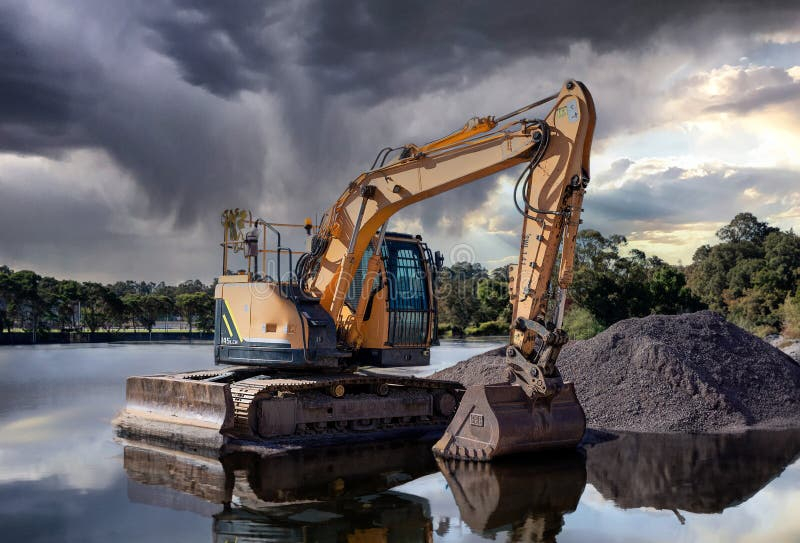
| Heavy Excavators    | Rent / Source         | High maintenance costs |
| Seasonal Snow Plows | Lease / Rent          | Idle during summer     |
+---------------------+-----------------------+------------------------+
For niche gear, like a heavy skid steer or a tree-stump grinder, renting is almost always the winner. Why let a $60,000 machine sit in your garage gathering dust for nine months out of the year just so you can use it for three weeks in the spring. It just doesn’t make sense for the bottom line.
The Crew and Culture Factor
There is a human element to this whole debate that data sheets ignore. Crews tend to treat equipment differently depending on who owns it. When a team knows the company owns a truck, and their boss spent hard-earned money on it, they often take better care of it. They clean the cabs and check the oil more reliably.
Rental gear sometimes gets treated like a stolen car. Since it goes back to the yard on Friday, workers might push it too hard or ignore minor warning signs. Managing a sourced fleet requires a lot more strict oversight and training to ensure your guys aren’t abusing the rented tools, which could lead to nasty damage fees from the rental agency.
The smartest outfits out there aren’t choosing just one way. They are blending both strategies together into a hybrid system. They own their "core" fleet—the reliable trucks and standard mowers that go out on jobs every single day. This gives them a stable foundation and predictable baseline costs.
Then, they source their "peak" capacity. When spring growth explodes and they need five extra crews for six weeks, they rent the extra gear. Once the crazy rush slows down, they return the equipment and stop paying for it. It gives you the best of both worlds: stability when times are normal, and extreme flexibility when things get wild.
Ultimately, solving this dilemma requires a deep, honest look at your books and your local market. Don’t buy gear just to look big and successful to your competitors down the street. Focus on cash flow, keep your operations lean, and choose the path that keeps your business agile and ready for whatever the season throws at you.