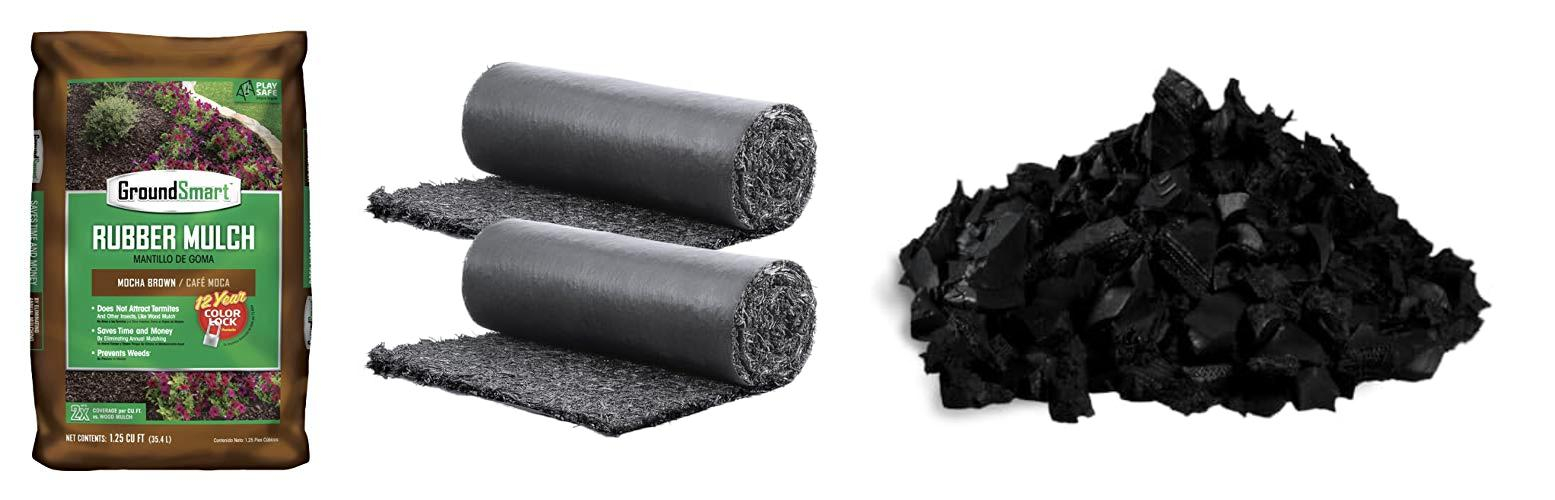

Step into any home improvement store this weekend and you are going to face a classic homeowner dilemma. On one side, you have stacks of budget-friendly wood mulch bags, smelling fresh and looking totally natural. On the other side, there are the heavy-duty rubber alternatives made from recycled tires, promising to last for a decade without fading. It looks like an easy math problem, right? Pay a little now, or pay a lot now to save later.
But out in the real world of wind, rain, and soil biology, the math gets complicated quickly. Many folks buy the synthetic stuff thinking they are making a smart, one-time investment that will save them cash by 2030. Is that actually true, though. Let’s grab a calculator and dig into what happens to your wallet—and your garden beds—when you choose one over the other.
The Upfront Sticker Shock
Let us look at the starting line. Buying shredded wood chips is undeniably cheap at checkout. You can usually cover a massive garden bed for the price of a nice dinner out. Rubber options, however, will make your jaw drop when the cashier rings it up. It can cost anywhere from three to five times more than traditional organic options right out of the gate.
For anyone working with a tight budget, that initial bill makes wood the instant winner. If you are trying to spruce up a large property all at once, the upfront cost of synthetic ground cover can feel completely impossible. Wood lets you get the job done today without draining your savings account.
The Ten-Year Math Mirage
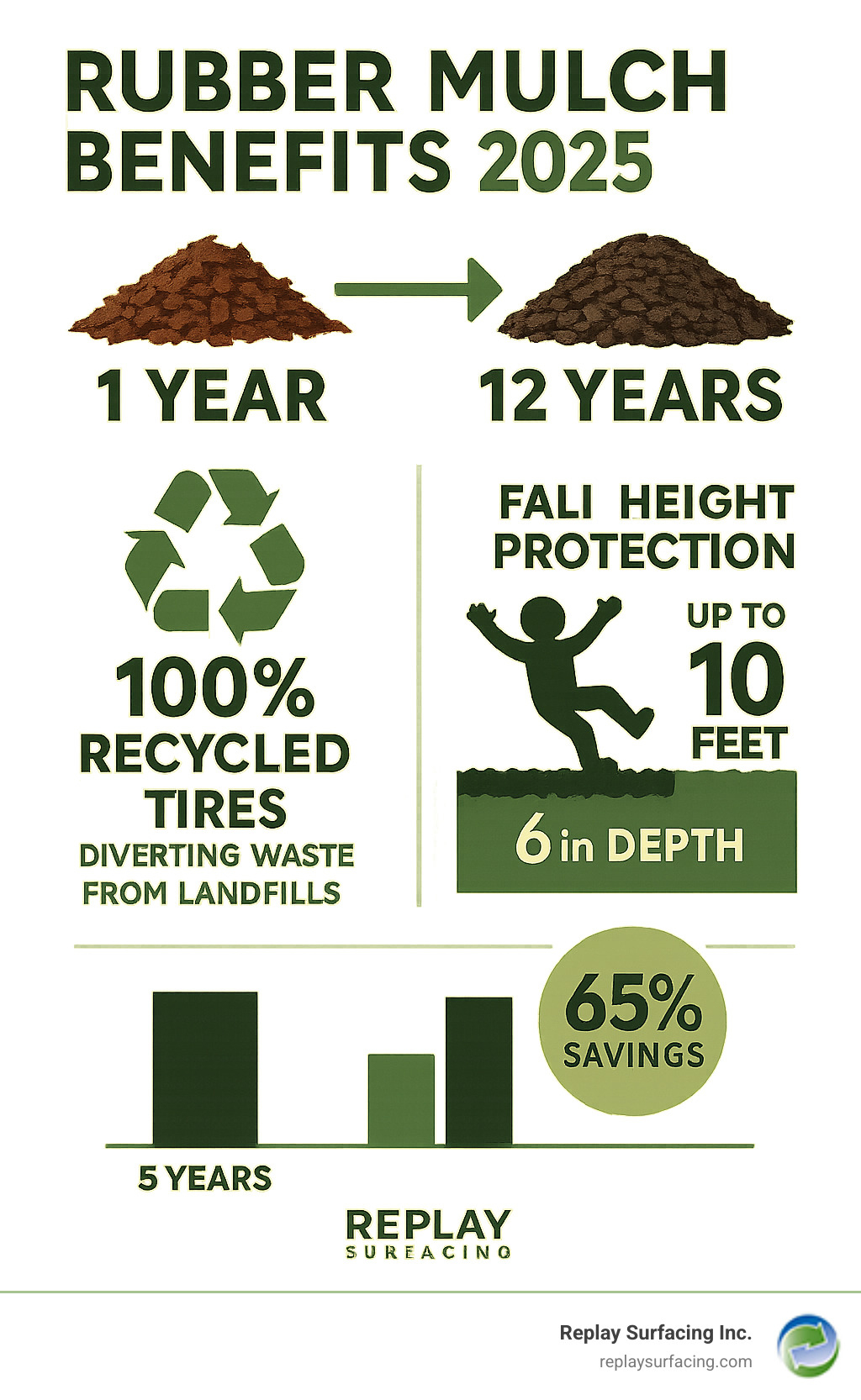
Proponents of recycled tire shards love to talk about the long game. They will show you charts proving that because rubber does not break down, it pays for itself after about three or four seasons. Since you aren’t buying new bags every spring, you start saving money, right. Well, that assumes your outdoor spaces stay perfectly frozen in time.
In reality, leaves fall, dirt blows in, and weeds still find a way to sprout on top of the synthetic layer. Real life squashes that perfect ten-year budget projection pretty fast. Many homeowners find they still have to refresh or spray their spaces anyway, which alters the financial equations.
Soil Health and the Invisible Cost
Here is a secret that experienced gardeners know: wood chips do something rubber simply cannot do. They rot. Now, rotting sounds like a bad thing, but for your dirt, it is pure gold. As organic fibers decay, they feed the tiny microbes and earthworms beneath the surface, turning poor dirt into rich, fertile ground.
When you use synthetic materials, your dirt gets starved of these natural nutrients. Over time, you might find yourself buying expensive chemical fertilizers and soil conditioners to keep your shrubs alive. That is a hidden expense that rarely gets added to the pro-rubber columns.
Maintenance Realities and Everyday Messes
People buy synthetic ground cover because they hate weekend chores. It does not wash away easily in a heavy rainstorm, and it stays heavy against the wind. That makes it awesome for steep slopes or areas right under your gutters where regular bark just floats away.
But what happens when autumn arrives. Trying to blow fallen leaves off synthetic tire pieces is an absolute nightmare. The lightweight leaves stick to the heavy bits, or the leaf blower blasts your expensive ground cover right into the lawn. Cleaning up organic bark is often much more forgiving.
Safety and Play Settings
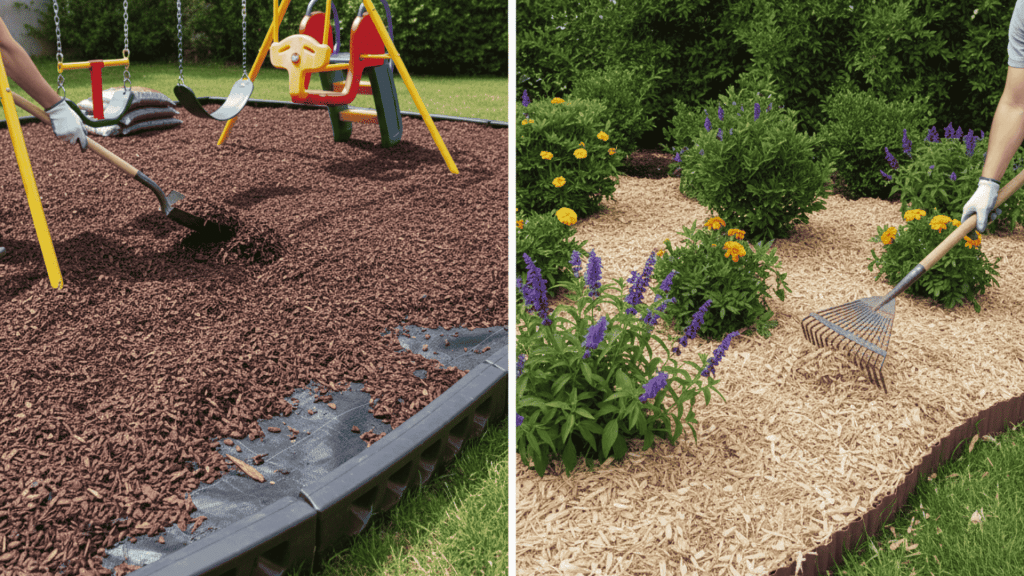
If you are building a backyard play spot for the kids, the math shifts toward safety instead of just dollars. Synthetic tire shreds offer incredible shock absorption. If a kid falls off the swings, bouncing off recycled tire bits is much safer than landing on hard earth or splintery pine bark.
However, there is a literal hot take to consider here. During scorching July afternoons, synthetic materials absorb heat like crazy. It can get incredibly hot to the touch, sometimes making it uncomfortable for bare feet or pets. Organic wood stays much cooler under the summer sun.
Odors, Fading, and Future Removal
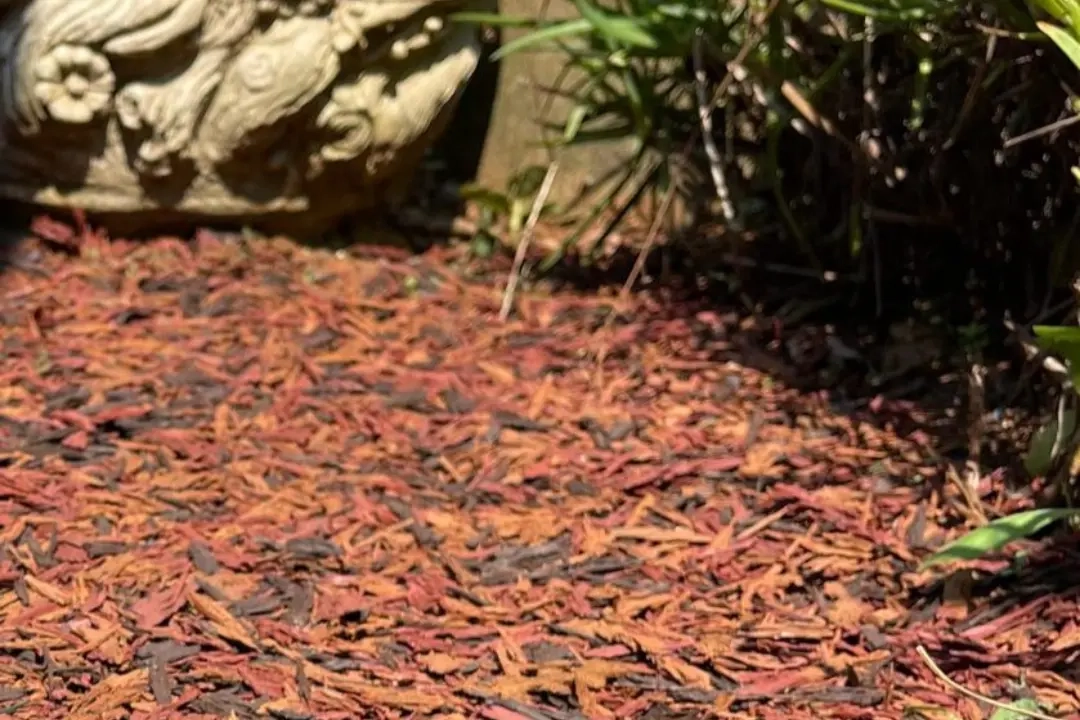
Let us talk about the sensory experience. Fresh wood chips give your yard that crisp, forest-like smell. Synthetic alternatives, especially when freshly laid out under a hot sun, can sometimes smell strongly of a tire shop. While that scent eventually fades, it is something to keep in mind.
Also, consider what happens if you change your mind down the road. Shoveling out old, heavy synthetic bits that have sunk into the dirt is grueling work. If you want to transform a bed into a vegetable patch later, removing every little piece of synthetic matter is nearly impossible, whereas old wood simply blends into the earth.
So, which option actually wins the fiscal battle? If you are working on a temporary spot, renting your home, or feeding a hungry garden that needs rich soil, cheap wood is the undisputed champion. It protects your plants and keeps your cash in your pocket today.
Synthetic options absolutely have a purpose, especially for permanent playgrounds or high-traffic paths where nothing else survives. But for the average front yard, the cheap, traditional route offers a natural rhythm that your wallet—and your earthworms—will appreciate for seasons to come.