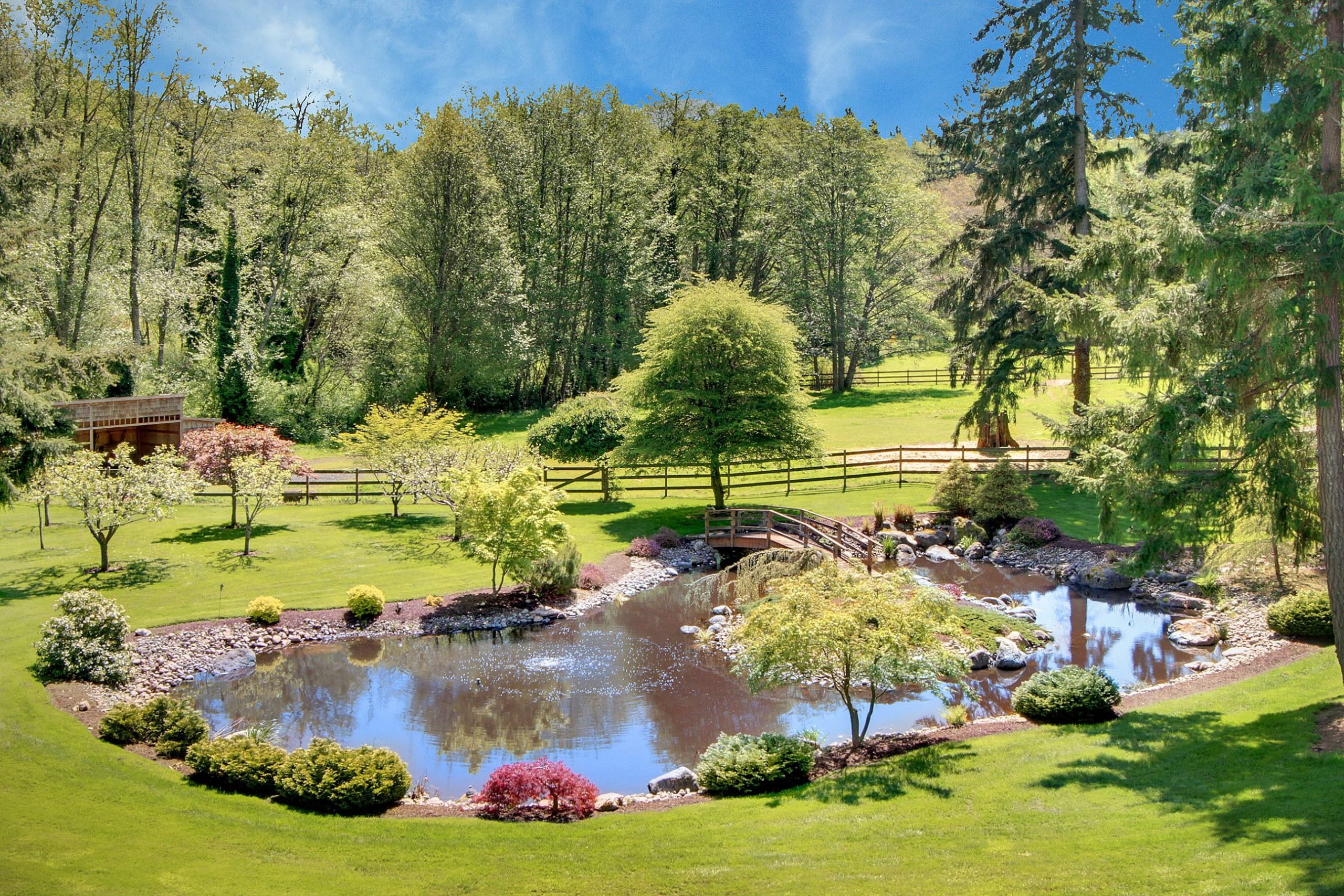

Ever feel like your backyard is just… too small? You look out the window and see a patch of grass, maybe a lonely patio chair, and think, "There’s no room for anything real here." It’s a common feeling. We tend to think of water features as grand affairs—massive koi ponds that swallow up half the lawn or elaborate waterfalls that require a construction crew. But what if I told you that the smallest spaces often hold the most potential for peace?
In 2026, the trend isn’t about bigger is better. It’s about smarter. A tiny splash of water can change the entire vibe of a garden. It brings life. It brings sound. It brings a mirror to the sky. You don’t need acres to create an oasis. You just need a corner, a planter, or even a forgotten spot by the fence. Let’s talk about how to squeeze big serenity into tight spots without breaking the bank or your back.
The Magic of Reflection and Corner Ponds
One of the best tricks in the book for small yards is using water as a mirror. When you have limited square footage, a reflective pond can make the space feel twice as big. By keeping the water surface smooth and calm, you capture the clouds, the trees, and the light. It creates an illusion of depth where there is none. These ponds are usually shallow, which makes them easier to maintain and safer if you have kids or pets running around.
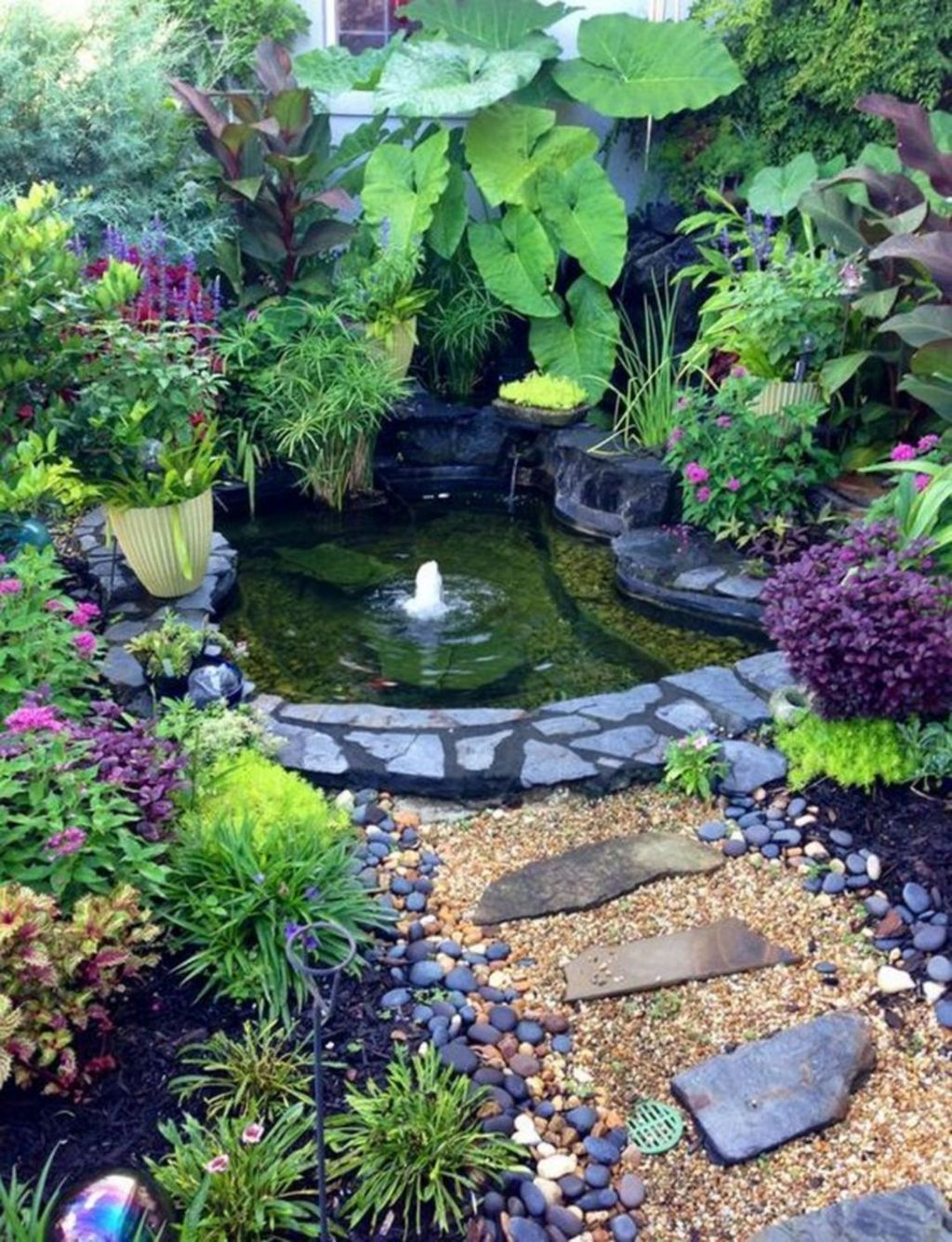
Corner ponds are another genius move for maximizing space. Most backyards have those awkward corners that never quite work for seating or planting. Tucking a pond into that unused nook turns a dead zone into a focal point. It doesn’t overwhelm the yard because it stays out of the main traffic flow. Plus, the angles of a corner naturally guide the eye toward the water, making it feel intentional and cozy rather than cramped.
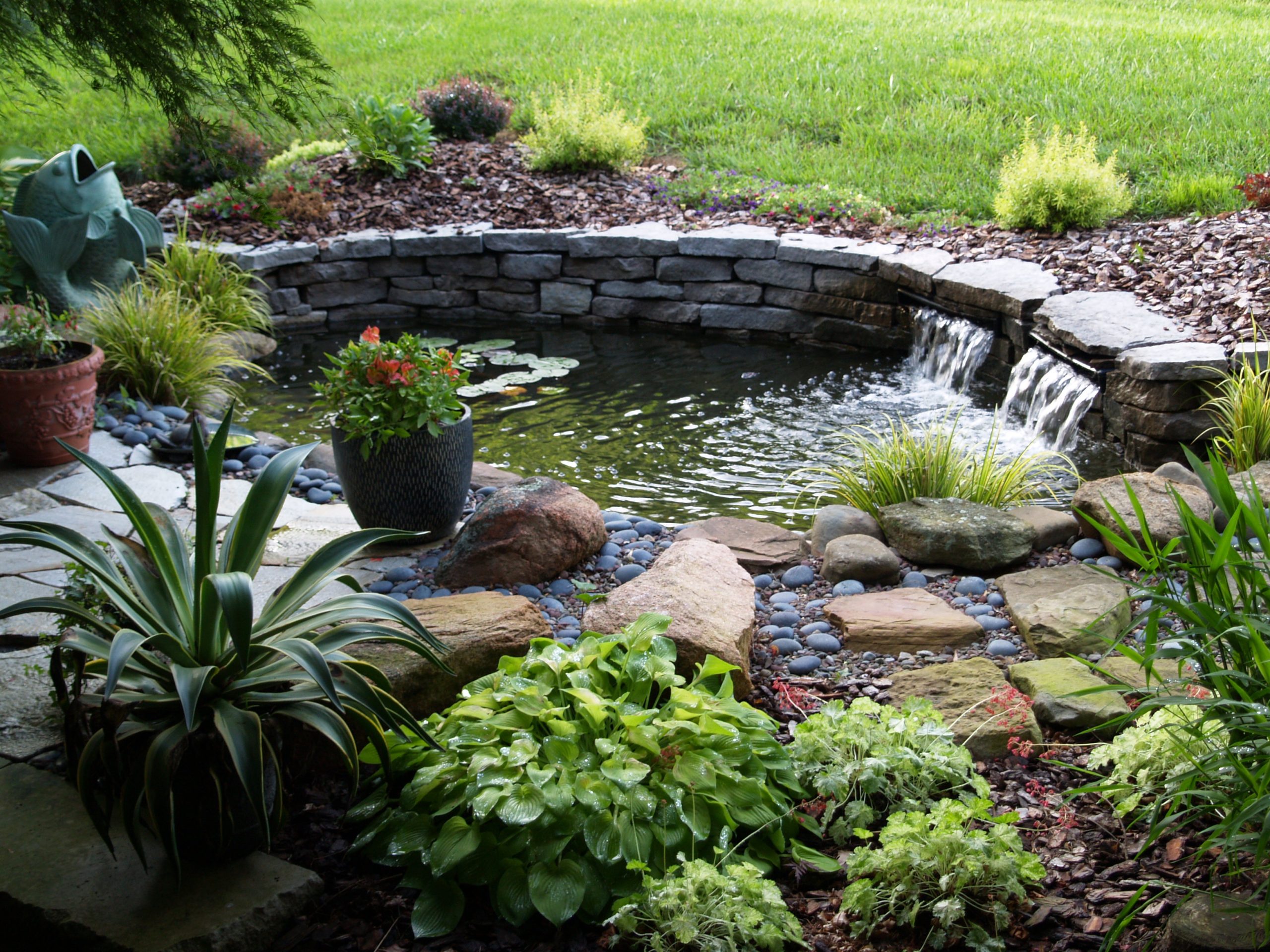
Think about the edges, too. Instead of a harsh plastic rim, use large flat rocks or natural stone to blend the pond into the surrounding soil. This softens the look and makes the water feature feel like it grew there naturally. A small stone path leading right up to the water’s edge invites you to sit and stare, turning a simple corner into a meditation spot.
Container Ponds and No-Dig Solutions
Not everyone wants to dig a hole. Maybe you’re renting, or maybe your soil is mostly clay and rock. That’s where container ponds come in. They are perfect for patios, decks, and tiny balconies. You can use anything from a half-barrel to a large ceramic pot. The key is choosing a vessel that holds water well and has enough surface area for plants. In recent years, we’ve seen a huge rise in "no-dig" setups because they are so flexible. If you move house, you take your pond with you.
These mini-ecosystems are surprisingly easy to set up. You just need a waterproof container, some aquatic soil, and the right plants. Don’t worry about fish in these smaller setups; the space is often too small for them to thrive comfortably. Instead, focus on the plants. Water lilies, dwarf papyrus, and creeping jenny look amazing spilling over the sides. They soften the hard lines of the container and add lush greenery.
A regency-styled stone fountain can add the perfect touch to these small setups. The water circulates from the fountain back into the basin, keeping it oxygenated and moving. The sound of trickling water masks neighborhood noise, creating a private bubble of calm. And since many of these fountains are now solar-powered, you don’t have to worry about running electrical cords across your patio. Just set it in the sun and let it go.
Vertical Interest and Waterfalls
When you can’t go wide, go up. Adding vertical elements to your small pond draws the eye upward and makes the garden feel taller and more expansive. A small waterfall doesn’t have to be a massive rock formation. It can be a simple spillway made from slate or a stacked stone column. The sound of falling water is incredibly soothing and helps drown out the hum of traffic or nearby neighbors.
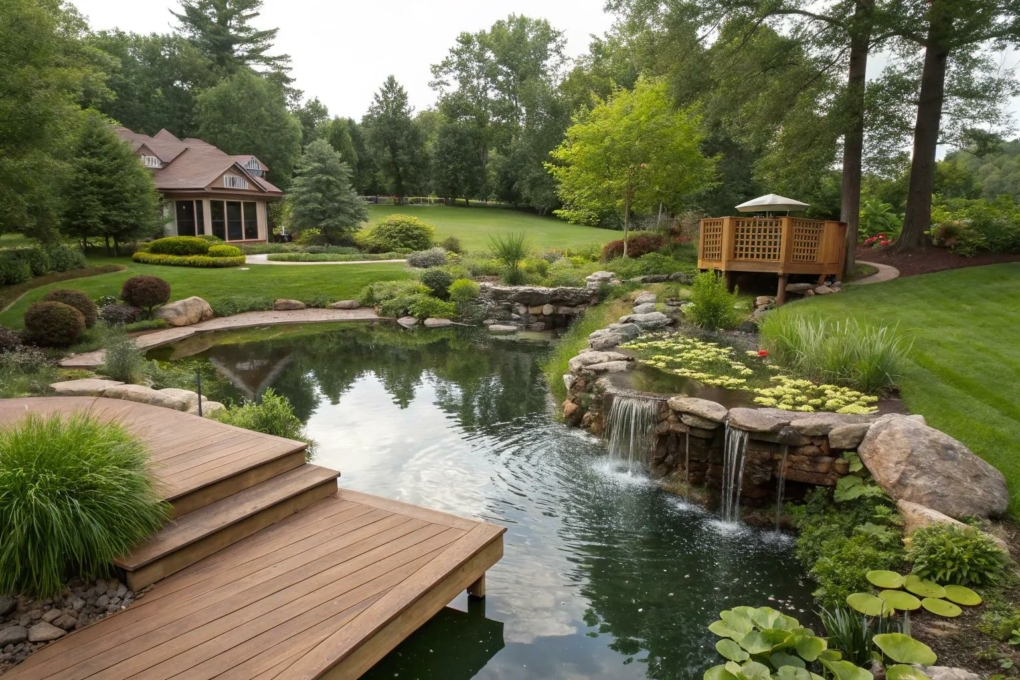
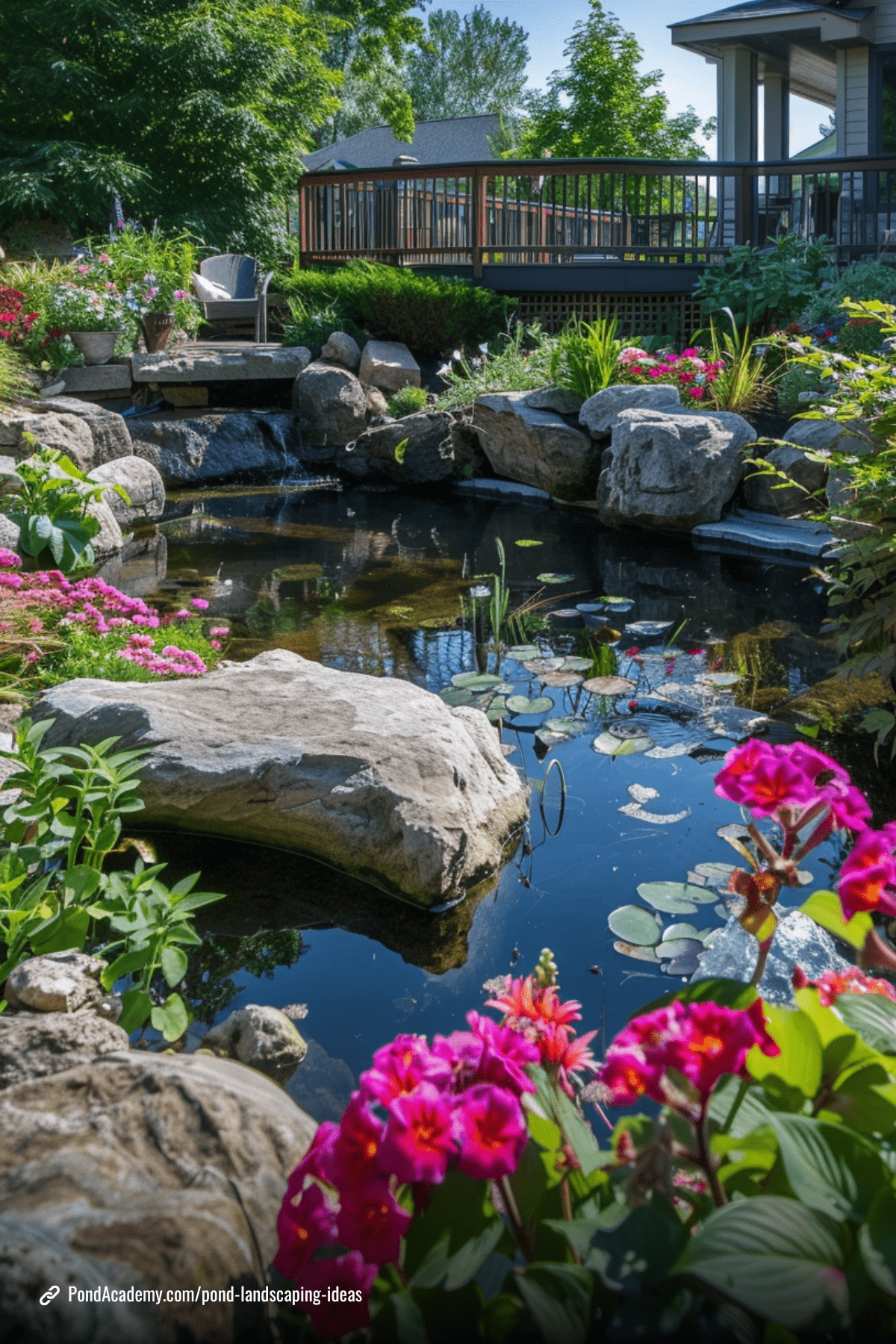
Even a tiny drop of water creates movement. Static water is nice, but moving water feels alive. You can build a simple ground-level layout that allows for maximum visibility of the rest of the yard while still having that gentle cascade. Planting vibrant flowers like pink painted daisies in the foreground of the waterfall creates a dramatic contrast. The bright blooms against the dark, wet stones pop visually, adding color without clutter.
Be careful not to make the waterfall too loud. In a small space, a roaring cascade can be overwhelming. Aim for a gentle gurgle or a soft trickle. You want it to be a background hum, not a distraction. Using smooth, rounded stones helps soften the sound, while jagged rocks might make it splashier and louder. Test it out before you seal everything in place.
Wildlife Havens in Miniature
You might think a small pond can’t support wildlife, but you’d be surprised. Even a tiny body of water acts as a magnet for birds, bees, and beneficial insects. Frogs love small, shallow edges where they can hop in and out. Dragonflies patrol the surface, eating mosquitoes and adding a flash of iridescent color. By welcoming these creatures, you lend a sense of tranquility and movement to your space that no statue ever could.
To boost this wildlife value, focus on native aquatic plants. They provide shelter and food for local species. Avoid invasive species that might take over your small ecosystem. A mix of submerged plants, floating leaves, and marginal plants around the edges creates layers of habitat. It’s like building a tiny apartment complex for nature.
Keep the water clean but not sterile. A little algae is actually good for tadpoles and insects. Avoid harsh chemicals. If you need to control mosquitoes, just ensure the water is moving slightly or add a few mosquito fish if the pond is large enough. But for most container ponds, the natural balance sorts itself out quickly. Watching a bee land on a water lily leaf is a small joy that adds up to a lot of peace.
Lighting and Nighttime Serenity
Don’t let your pond disappear when the sun goes down. Lighting transforms a small water feature into a magical nighttime retreat. Soft, warm lights placed underwater can illuminate the plants from below, creating eerie and beautiful shadows on the surrounding walls. Solar-powered lights are great here because they require no wiring. You can stick them right into the soil around the pond’s edge.
Uplighting nearby trees or shrubs also helps. It reflects their shapes into the water, doubling the visual impact. The interplay of light and shadow on the water’s surface is mesmerizing. It changes with the wind, making the scene feel dynamic even when everything else is still. In 2026, LED technology has become so efficient that you can leave these lights on all night without worrying about energy costs.
Avoid bright, white floodlights. They kill the mood. Stick to amber or soft white tones. You want the pond to feel like a secret garden, not a parking lot. Dimmers are a nice touch if you have wired lights, allowing you to adjust the brightness depending on whether you’re hosting friends or sitting alone with a book.
The biggest fear people have about ponds is maintenance. Will it become a swamp? Will it smell? The truth is, small ponds are actually easier to manage than big ones if you set them up right. The key is balance. Don’t overcrowd it with fish. Do overload it with plants. Plants are your best filter. They soak up nutrients that would otherwise feed algae.
In the spring, you’ll need to clean out any debris that fell in over the winter. Trim back dead plant stems and check your pump or fountain for clogs. It’s a quick job, usually taking less than an hour. During the summer, keep an eye on water levels. Evaporation happens fast in small volumes. Top it off with rainwater if possible, as tap water can contain chlorine that harms plants.
Fall is about preparation. Remove falling leaves before they rot in the water. This prevents sludge buildup. If you live in a cold climate, you might need to protect your pump from freezing. Some people bring small pumps indoors, while others use de-icers for larger setups. But for many container ponds, you can just drain them and store the empty pot if you don’t have hardy perennials. It’s not a burden; it’s a seasonal ritual that connects you to the rhythm of the year.
Creating a small backyard pond is less about engineering and more about intention. It’s about carving out a moment of stillness in a busy world. Whether you choose a corner reflector, a barrel on the deck, or a tiny waterfall tucked behind ferns, the result is the same: a space that breathes. So, don’t wait for the perfect yard. Start with what you have. Dig a little, plant a lot, and let the water do the rest.