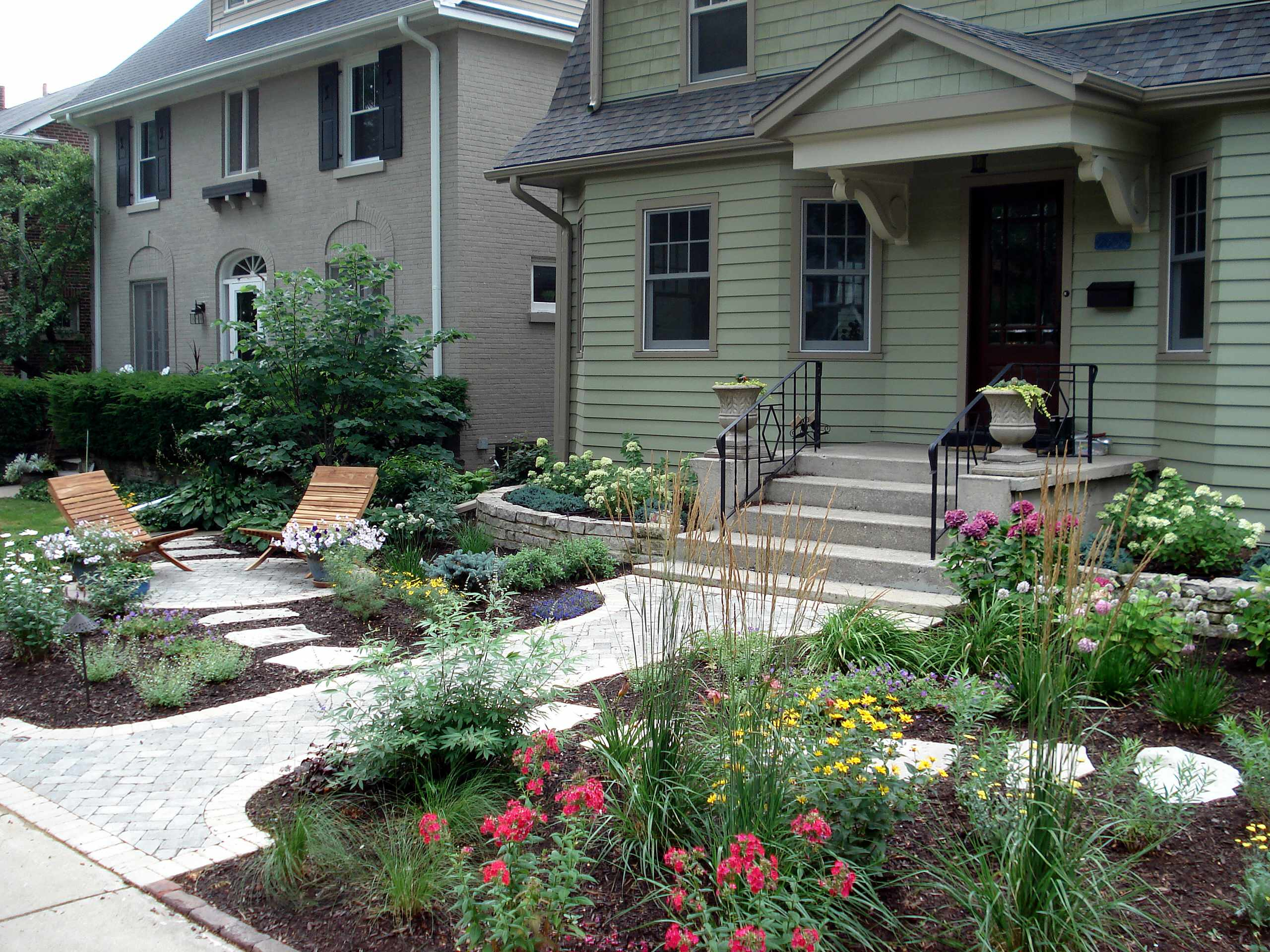

You know that sound. The roar of the gas mower on a Saturday morning. It’s become the soundtrack of suburbia, hasn’t it? But lately, things are shifting. Maybe you’re tired of the endless cycle of watering, fertilizing, and cutting. Or maybe you’ve looked at your water bill and winced. In 2026, with climate patterns becoming more unpredictable and water restrictions tightening in many regions, the traditional green carpet is starting to feel less like a status symbol and more like a burden.
It’s not just about saving money or effort, though. It’s about creating a space that actually works for you and the local ecosystem. Imagine stepping out onto a soft, fragrant tapestry of thyme and clover instead of sterile grass. Picture a yard that stays green during a dry spell without you lifting a hose. That’s the promise of a resilient ground cover mix. It sounds daunting, I know. Removing a lawn feels like a huge project. But it’s doable. And honestly? It’s kind of liberating.
Why Let Go of the Lawn?
Let’s be real for a second. Traditional turf grass is high-maintenance. It’s thirsty. It’s hungry for chemicals. And it offers very little support for local wildlife. In many parts of North America and Europe, homeowners are realizing that the "perfect lawn" is an ecological dead zone. By switching to a mixed ground cover, you’re reducing your carbon footprint significantly. No more gas mower emissions. No more runoff from fertilizers hitting the local streams.
But there’s a personal benefit too. Time. Think about how many hours you’ve spent pushing that mower over the years. Hundreds? Thousands? A well-chosen ground cover mix might need trimming once or twice a year, if that. Some varieties, like creeping sedum or certain fescues, barely grow tall enough to require cutting at all. You get your weekends back. You get peace. Plus, these plants often bring pollinators back to your yard. Bees love clover. Butterflies adore yarrow. It turns your yard into a living thing rather than a plastic-looking mat.
The resilience factor is huge, especially now. We’re seeing hotter summers and weirder weather patterns. Grass goes dormant and brown under stress. A diverse mix of deep-rooted perennials and hardy spreads can handle the heat better. They dig deep for moisture. They support each other. It’s a smarter way to garden that aligns with where we are in 2026. It’s not just trendy; it’s necessary adaptation.
Choosing Your Mix: Not One Size Fits All
Here’s where people get stuck. They think "ground cover" means one plant. It doesn’t. The secret to success is diversity. A monoculture is risky. If a pest targets one plant, it wipes out your whole yard. A mix creates a safety net. You want plants that complement each other in height, texture, and bloom time. Start by looking at your specific conditions. Do you have full sun? Deep shade? Clay soil that holds water like a sponge? Or sandy soil that drains instantly?
For sunny, dry spots, consider a blend of creeping thyme, sedum, and low-growing yarrow. Thyme smells amazing when you walk on it. Sedum stores water in its leaves, making it nearly indestructible in drought. Yarrow adds nice feathery texture and white or yellow flowers. For shadier areas, try mixing fine fescue grasses (which are much tougher than typical turf) with creeping jenny or pachysandra. These handle low light and still stay lush.
Don’t forget about foot traffic. If your kids or dog run around daily, you need tough players. Creeping thyme is surprisingly durable. So is Irish moss in mild climates. Avoid delicate succulents in high-traffic zones. They’ll turn to mush. A good rule of thumb for 2026 gardening is to aim for 3-5 different species in your mix. This ensures that if one struggles during a weird weather event, the others pick up the slack. Check with local nurseries for native options too. Native plants are already adapted to your area’s pests and climate, giving them a head start.
The Removal Phase: Killing the Grass
Okay, this is the part nobody likes. Getting rid of the existing lawn. You have a few options here, and the best one depends on your timeline and physical ability. The fastest way is sod removal. You can rent a sod cutter from a hardware store. It slices under the grass, letting you roll it up like carpet. It’s heavy work, but it’s done in a day. You can compost the sod (grass side down) or use it to fill low spots elsewhere. Just don’t throw it in the trash if you can help it.
If you’re not in a rush, solarization is a gentler, chemical-free method. In the hottest part of summer, cover your mowed lawn with clear plastic sheeting. Seal the edges with soil or rocks. The sun heats up the soil underneath, cooking the grass roots and weed seeds. It takes 4-6 weeks. It’s effective and kills everything, so be prepared for a blank slate. Another popular method in recent years is sheet mulching, or "lasagna gardening." You layer cardboard directly over the grass, then add compost and mulch on top. The cardboard blocks light, killing the grass below while decomposing into rich soil food.
Avoid using harsh herbicides if you can. They linger in the soil and can harm the new plants you’re trying to establish. If you must use something, look for organic, vinegar-based solutions, but know they might require multiple applications. Whichever method you choose, make sure the grass is truly dead before planting. Any surviving rhizomes will push through your new ground cover like weeds. Patience here pays off later. Take your time to prep the canvas properly.
Prepping the Soil for Success
Once the grass is gone, you might think you’re ready to plant. Not so fast. Look at your soil. Is it compacted? Hard as a rock? Most lawns have terrible soil structure because of years of mowing and foot traffic. Your new ground covers need room to breathe and root. Start by loosening the top 6-8 inches of soil. A broadfork is great for this—it aerates without flipping the soil layers upside down, preserving the microbial life. If you don’t have one, a garden fork works too. Just poke and wiggle.
Now, amend it. This is crucial. Mix in 2-3 inches of high-quality compost. This adds organic matter, improves drainage in clay soils, and helps sandy soils hold moisture. It’s like giving your plants a packed lunch for their first week. If your soil test shows extreme pH imbalances, adjust it now. Most ground covers prefer a slightly acidic to neutral pH (around 6.0-7.0). Don’t guess—get a simple test kit. It’s cheap and saves you from guessing why plants are yellowing later.
Also, consider the shape of your bed. Ground covers look best when they have defined edges. Install edging now if you haven’t already. Metal, stone, or even buried brick works well. This keeps the spreading plants from invading your flower beds or sidewalk. It also makes maintenance easier. You want a clean boundary so the wildness of the ground cover feels intentional, not messy. Smooth out the surface with a rake, removing any large rocks or debris. You want a nice, fluffy bed for those little plugs to settle into.
Planting Strategy and Installation
Here’s a pro tip: don’t buy flats of tiny seedlings if you can avoid it. Plugs or small pots (4-inch size) are better. They have established root systems and handle transplant shock better. Calculate your square footage. Most ground covers spread, so you don’t need to plant them touching each other. Check the spread rate on the label. For a fast fill, plant them 12-18 inches apart. For a slower, budget-friendly approach, go 24 inches apart and fill gaps with mulch initially.
Dig holes slightly larger than the root ball. Gently tease out the roots if they’re circling the pot. Place the plant so the top of the root ball is level with the soil surface. Backfill with soil and press down gently to remove air pockets. Water each plant thoroughly as you go. This settles the soil around the roots. If you’re mixing species, try grouping them in drifts or waves rather than checkerboarding them. Three thymes here, five sedums there. It looks more natural and helps each species establish its own micro-climate.
Mulch is your friend during this phase. Use a light layer of shredded bark or straw between the plants. It keeps moisture in and weeds out while the covers spread. Avoid heavy wood chips that might rot the stems of delicate plants like thyme. As the plants grow, they’ll shade out the mulch and the weeds. In the first few months, you’ll need to water regularly. Don’t let them dry out completely. Their roots are shallow at first. Once they establish, usually after one full growing season, they’ll become much more independent.
Maintenance and Long-Term Care
So, you’ve planted. Now what? The first year is the "babying" year. Keep an eye on weeds. Pull them early before they set seed. Your ground covers aren’t fully established yet, so they can’t compete with aggressive invaders like bindweed or crabgrass. Water deeply but infrequently once the initial establishment period is over. You want to encourage deep rooting. Shallow watering leads to shallow roots, which means less drought tolerance.
In spring, you might notice some winter damage or browning. Don’t panic. Give it a light trim or rake to remove dead material. This encourages fresh growth. Most resilient mixes don’t need fertilizer. In fact, fertilizer can make them leggy and weak. If they look pale, a thin layer of compost in the spring is plenty. Watch for pests, but remember that a diverse ecosystem usually balances itself out. Ladybugs will handle aphids. Birds will eat caterpillars. Try to resist the urge to spray anything.
By year two or three, your mix should be filling in nicely. You might need to divide some clumps if they get too crowded or die out in the center. This is free plants! Replant them in bare spots. Enjoy the changes. The look will shift with the seasons. Spring blooms, summer greens, autumn colors. It’s a dynamic landscape, not a static one. And if a patch fails? That’s okay. Nature is experimenting. Fill it with something else. Gardening is a conversation, not a command.
Switching from lawn to ground cover isn’t just a landscaping change. It’s a mindset shift. You’re moving from control to collaboration. You’re working with nature instead of fighting it. In 2026, this feels less like an alternative and more like the sensible path forward. You’ll save water. You’ll save time. And you’ll gain a yard that feels alive. It might look a bit wilder than your neighbor’s manicured strip. Let it. That wildness is beauty. It’s resilience.
Don’t worry if it’s not perfect immediately. Gardens take time. There will be bare spots. There will be weeds. There will be moments you wonder if you made a mistake. Keep going. Watch the bees arrive. Notice how the soil smells richer after a rain. Feel the softness under your bare feet. These are the rewards. You’re building a habitat. You’re creating a legacy of sustainability, one square foot at a time.
So grab a shovel. Or a cardboard box. Start small if you need to. Convert one corner. Then another. Before you know it, the mower will be gathering dust in the shed, and you’ll be out there, enjoying the quiet hum of a yard that finally makes sense. It’s easier than you think. And it’s worth every bit of effort.