

You step out the back door, coffee in hand, ready to enjoy the morning. But instead of feeling relaxed, you feel… exposed. The space is clean. It’s tidy. Maybe it’s even expensive. But it feels like a showroom, not a home. There’s no hum of life, no soft rustle of leaves, just the hard echo of wind against stone or glass. It’s a common complaint this year. We’ve spent the last decade stripping our gardens down to their bare bones, chasing that minimalist aesthetic, and now we’re realizing we stripped away the soul, too.
It’s not just about temperature, though the literal cold doesn’t help. It’s about emotional temperature. A garden that feels "cold" is one that doesn’t invite you to linger. It’s static. It doesn’t change with the seasons. It doesn’t whisper. In 2026, as we grapple with more unpredictable weather patterns and a collective desire for genuine comfort, the tide is turning. We are moving away from the sterile and toward the sensory. We want spaces that hug us back.
So, why does your modern plot feel so chilly? And more importantly, how do you fix it without tearing everything up and starting over? The answer isn’t always about adding more stuff. Sometimes, it’s about changing how you see what’s already there. It’s about layering, softening, and understanding the tiny climates hidden in your yard. Let’s dig in.
The Hard Surface Trap
Let’s be honest. Paving is easy. It’s low maintenance. It looks sharp in photos. But a garden made entirely of hardscaping—concrete, slate, large porcelain tiles—is essentially an outdoor parking lot. According to recent landscape analysis, these surfaces reflect sound rather than absorbing it, creating a harsh acoustic environment that feels unsettled. They also radiate heat differently. In the summer, they bake. In the spring and fall, they stay bone-chillingly cold because they lack the thermal mass of soil.
When you walk on grass or mulch, there’s a give. A softness. When you walk on stone, there’s a click. That sound signals "transit," not "stay." To warm this up, you don’t need to rip out the patio. You need to break it up. Think of planting as a rug. Layered greenery absorbs sound, reduces exposure to wind, and creates movement. Even small pockets of soil between pavers can make a difference. Try creeping thyme or moss. They soften the visual edge and provide a tactile contrast that makes the space feel cared for, not just constructed.
Another trick is to introduce materials that age gracefully. New concrete looks cold forever. Weathered wood, rusted steel (corten), or tumbled stone develops a patina. It tells a story. In 2026, we’re seeing a shift toward "imperfect" hardscaping. Irregular shapes. Mixed materials. These elements catch the light differently throughout the day, creating shadows and highlights that add depth. Depth equals warmth. A flat, uniform surface feels dead. A textured one feels alive.
Ignoring the Microclimates
You might think your whole yard is one temperature zone. It’s not. Landscapes are full of microclimates. Some spots, like low-lying areas where cold air settles, are frost pockets. Others, like the spot right next to a south-facing wall, are ovens. If you’re trying to grow tender plants in a cold pocket, they’ll struggle, look sad, and die. A struggling plant looks cold. A thriving plant looks warm.
Understanding these zones is key. Cold air is dense and heavy. It flows downhill like water. If your garden slopes, the bottom is always colder. Plant hardy shrubs there, not delicate perennials. Conversely, use those warm walls to your advantage. A brick wall absorbs heat during the day and releases it at night. This residual heat can be the difference between a plant surviving a late spring frost or getting wiped out. In 2026, with weather becoming more erratic, leveraging these natural buffers is smarter than fighting them.
Raised beds are another microclimate hack. They warm up faster in the spring than the ground does. This gives you a head start on the growing season. But beyond just vegetables, raised beds create vertical interest. They lift the eye. A garden that is all flat feels expansive but empty. A garden with varying heights feels enclosed and intimate. Intimacy is warm. Use raised planters to create "rooms" within your garden. This breaks up the wind and creates sheltered nooks where you can sit without feeling exposed to the elements.
The Monoculture Mistake
Modern landscaping often favors blocks of color. Ten lavender plants here. Five ornamental grasses there. It’s neat. It’s orderly. But nature isn’t orderly. Nature is messy. A monoculture lacks the complex web of life that makes a garden feel vibrant. When you have only one type of plant, you only attract one type of insect, if any. The silence is deafening.
To warm up the space, you need layers. Think of a forest floor. You have tall trees, understory shrubs, ferns, mosses, and fallen leaves. All coexisting. In your garden, try mixing textures. Pair the spiky structure of an ornamental grass with the soft, billowing clouds of baby’s breath or gypsophila. Add the broad, glossy leaves of a hosta. Contrast is visually stimulating. It keeps the eye moving. When the eye moves, the brain engages. Engagement feels like warmth.
Also, consider the seasonal arc. A garden that looks great in July but dead in October feels cold because it’s abandoned by nature. Choose plants that offer interest in multiple seasons. Ornamental grasses turn golden in the fall and hold their structure through winter. Berry-producing shrubs provide pops of red against the snow. Bark texture on dogwoods or birches shines in the gray light of January. By ensuring something is always happening, you create a sense of continuity. The garden feels like a constant companion, not a seasonal decoration.
The Greenhouse Paradox
Maybe you’ve tried to cheat the cold by adding a greenhouse. Good idea. But if it’s not managed right, it can feel like a sterile laboratory. Recent horticultural advice highlights a common mistake: focusing only on heat retention while ignoring ventilation. A warm, damp environment without airflow is a breeding ground for disease. Sick plants look ugly. They droop. They discolor. They bring the energy of the whole space down.
In 2026, the trend is toward "breathable" structures. If you have a greenhouse, make sure it has peak vents. Gabled or Gothic styles are better for cold climates because they trap heat efficiently but also allow snow to slide off, preventing structural stress and shading. But beyond the structure, look at what’s inside. Is it just rows of tomatoes? Add some herbs. Add some flowers. Make it a place you want to visit, not just a factory for produce.
Insulation is key, but so is connection. Use transparent or translucent materials that let in diffuse light. Harsh direct sun through glass can scorch plants and create hotspots. Diffused light is softer, gentler. It makes the space feel calmer. Also, consider placing seating inside or adjacent to the greenhouse. If you can sit among the plants, smelling the earth and the greenery, the space transforms from a utility to a sanctuary. The warmth becomes physical and emotional.
Lighting and Atmosphere
Lighting can make or break the mood. Many modern gardens use bright, cool-white LED floodlights. They illuminate everything evenly. And they feel like a hospital parking lot. Cool white light suppresses melatonin and feels alert, not relaxed. It highlights flaws in the paving and makes shadows look harsh. To warm up the garden, switch to warm-white bulbs (2700K or lower). This mimics the glow of candlelight or sunset.
Placement matters, too. Don’t just light the path. Light the plants. Uplight a textured tree trunk. Wash a stone wall with soft light. Create pools of darkness between the lit areas. Mystery is inviting. Total illumination is exposing. When you hide some corners in shadow, you create intrigue. You invite exploration. This psychological effect makes the garden feel larger and more engaging.
In 2026, smart lighting systems allow you to adjust intensity and color temperature based on the time of day. Dim the lights as the evening progresses. Let the garden fade into the night naturally. This rhythm connects you to the circadian cycle. It feels primal and comforting. Add some non-electric elements, too. Solar-powered lanterns with flickering flames. Real candles in hurricane jars. The slight irregularity of a flame adds a human touch that static LEDs can’t match.
Finally, look at the boundaries. High, solid fences create a sense of confinement. They block wind, yes, but they also block view and light. They can make a small garden feel like a box. If you’re stuck with a solid fence, soften it. Grow climbers. Clematis, jasmine, or honeysuckle. Their scent alone adds a layer of sensory warmth. The movement of leaves against the fence breaks up the solid mass.
If you have railings or glass balustrades, they can feel invisible but also stark. Add planters along the base. Let foliage spill over the edges. This blurs the line between the built environment and the natural one. The goal is to eliminate hard lines wherever possible. Nature doesn’t do straight lines. By curving your beds, allowing plants to self-seed into cracks, and letting grasses sway into pathways, you reduce the visual tension.
This approach aligns with the 2026 focus on resilience and adaptability. A softened garden is more forgiving. It handles wear and tear better. It adapts to weather changes. And it feels less like a project you have to maintain and more like a partner you get to enjoy. It’s about letting go of control. When you relax your grip, the garden relaxes too. And a relaxed garden is a warm garden.
So, take a look around. Where are the hard lines? Where is the silence? Start small. Add a pot of fragrant herbs. Change a lightbulb. Let a patch of clover grow in the lawn. These small acts of kindness to your space add up. They turn a cold, modern shell into a living, breathing home. And isn’t that what we’re all looking for? A place to land. A place to breathe. A place that feels, finally, like ours.
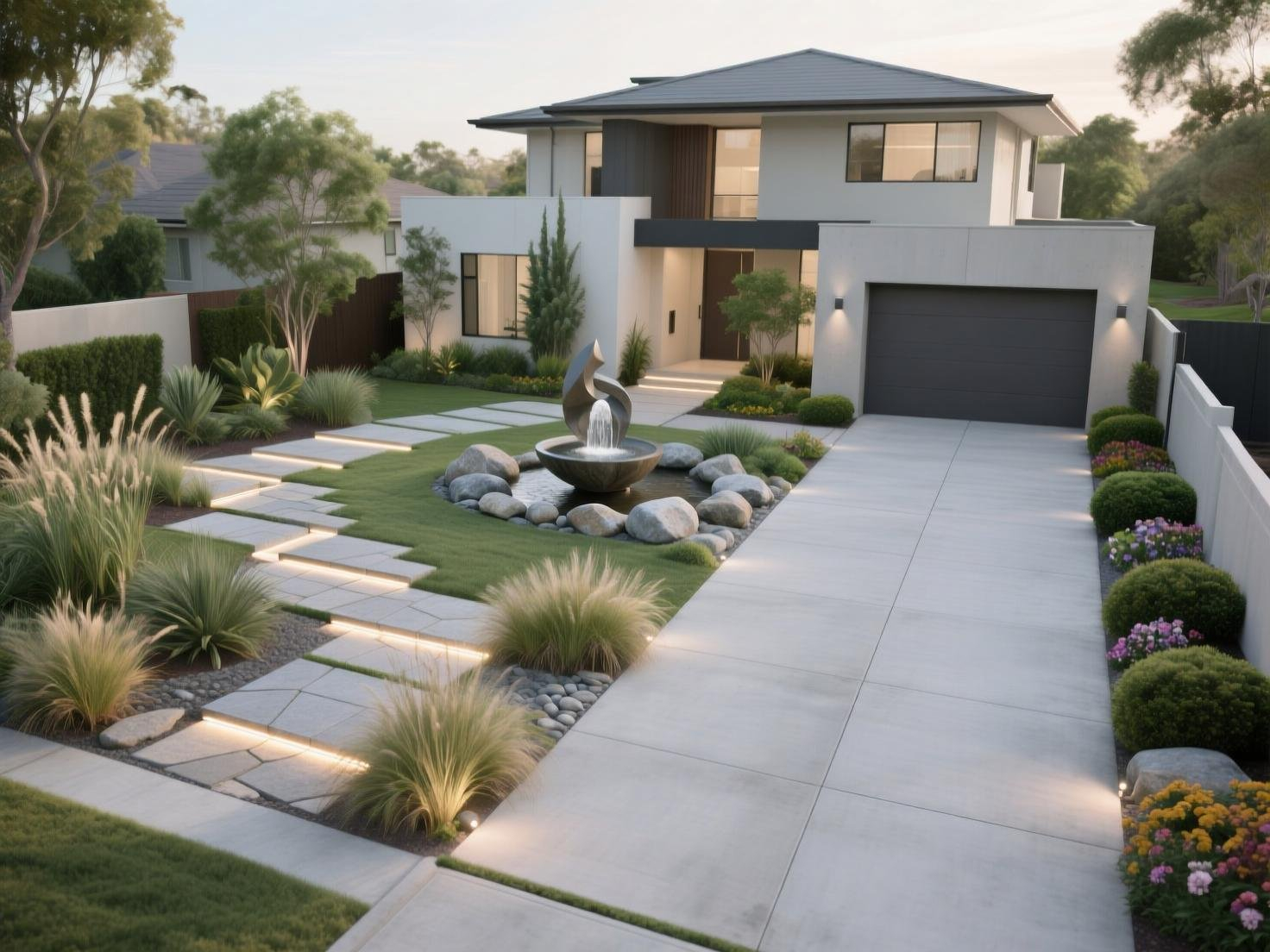
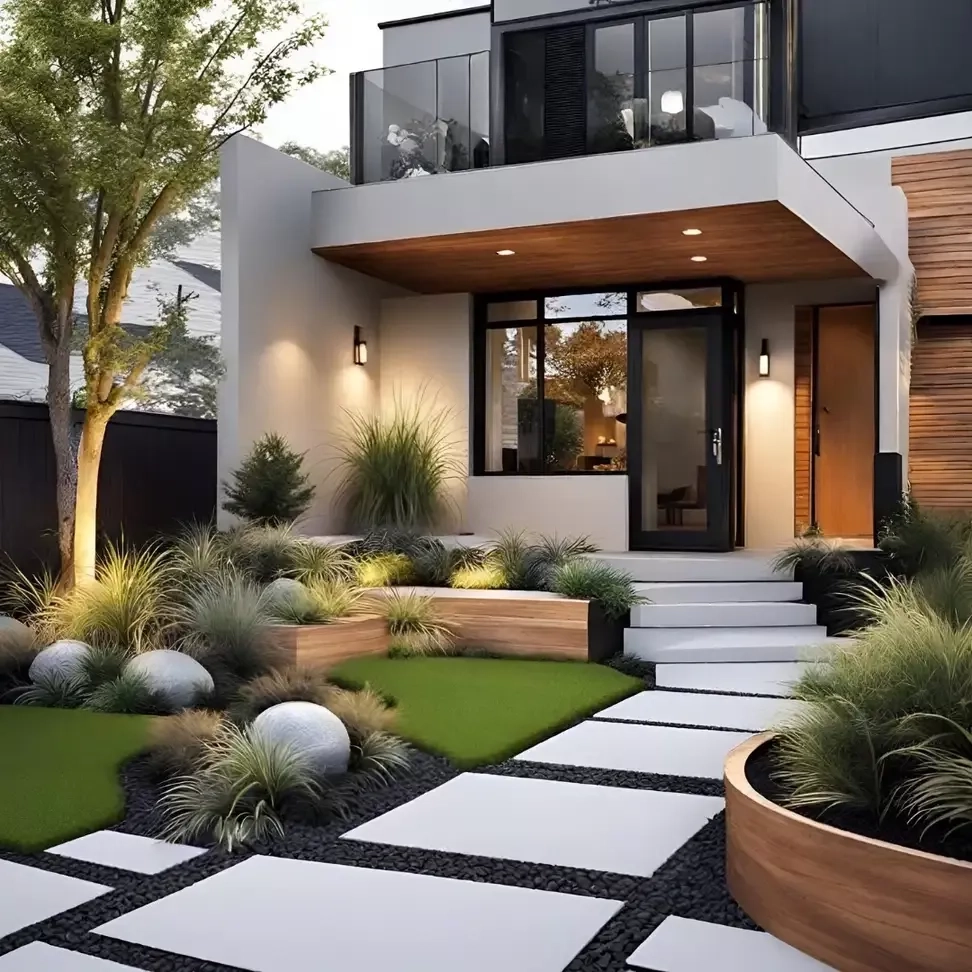
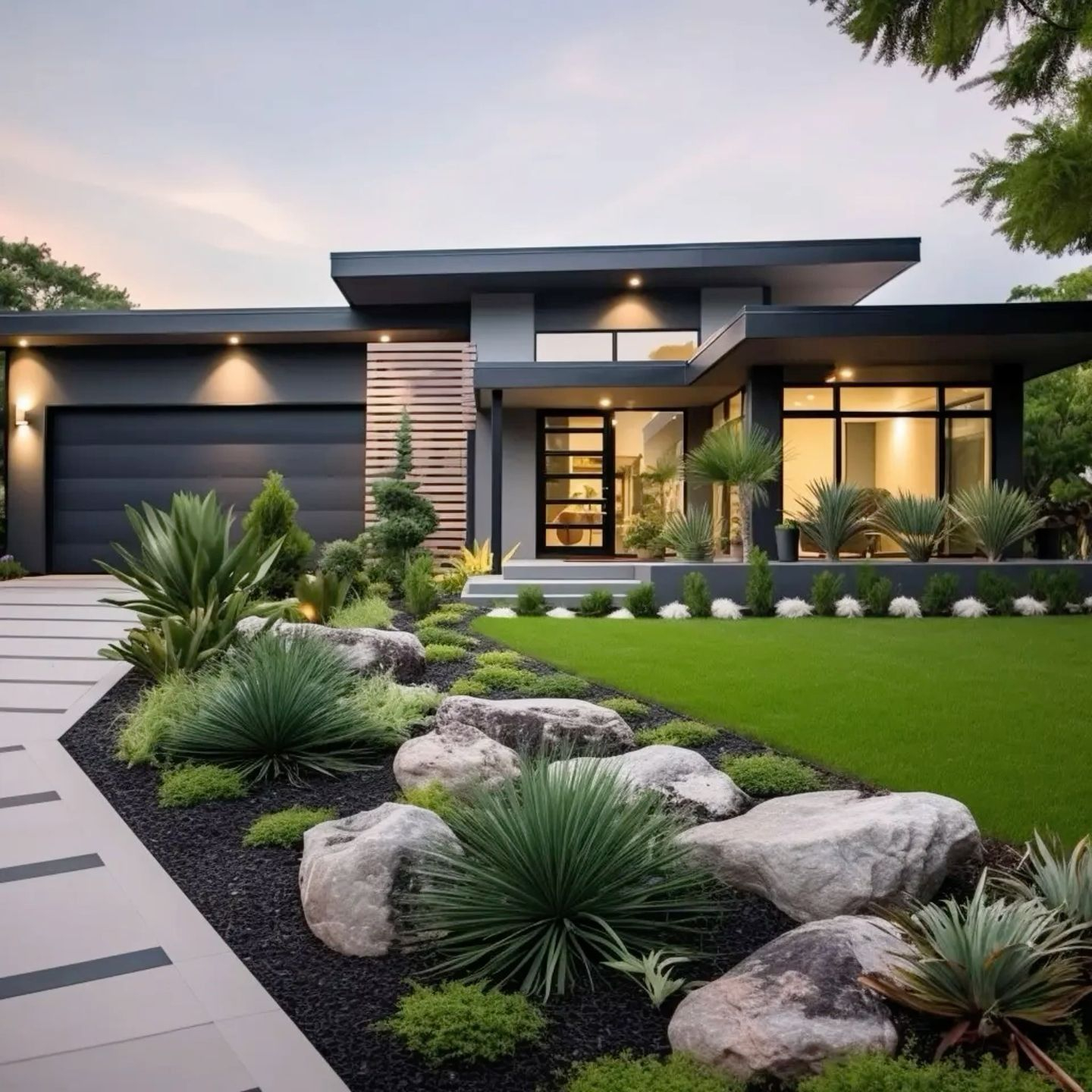
![25 Best Modern Landscape Designs For Your Home [2025] throughout Why Your Modern Garden Feels Cold and How to Warm It Up in 2026](https://cdn.dahomengarden.com/2026/05/25-best-modern-landscape-designs-for-your-home-2025-throughout-why-your-modern-garden-feels-cold-and-how-to-warm-it-up-in-2026.webp)
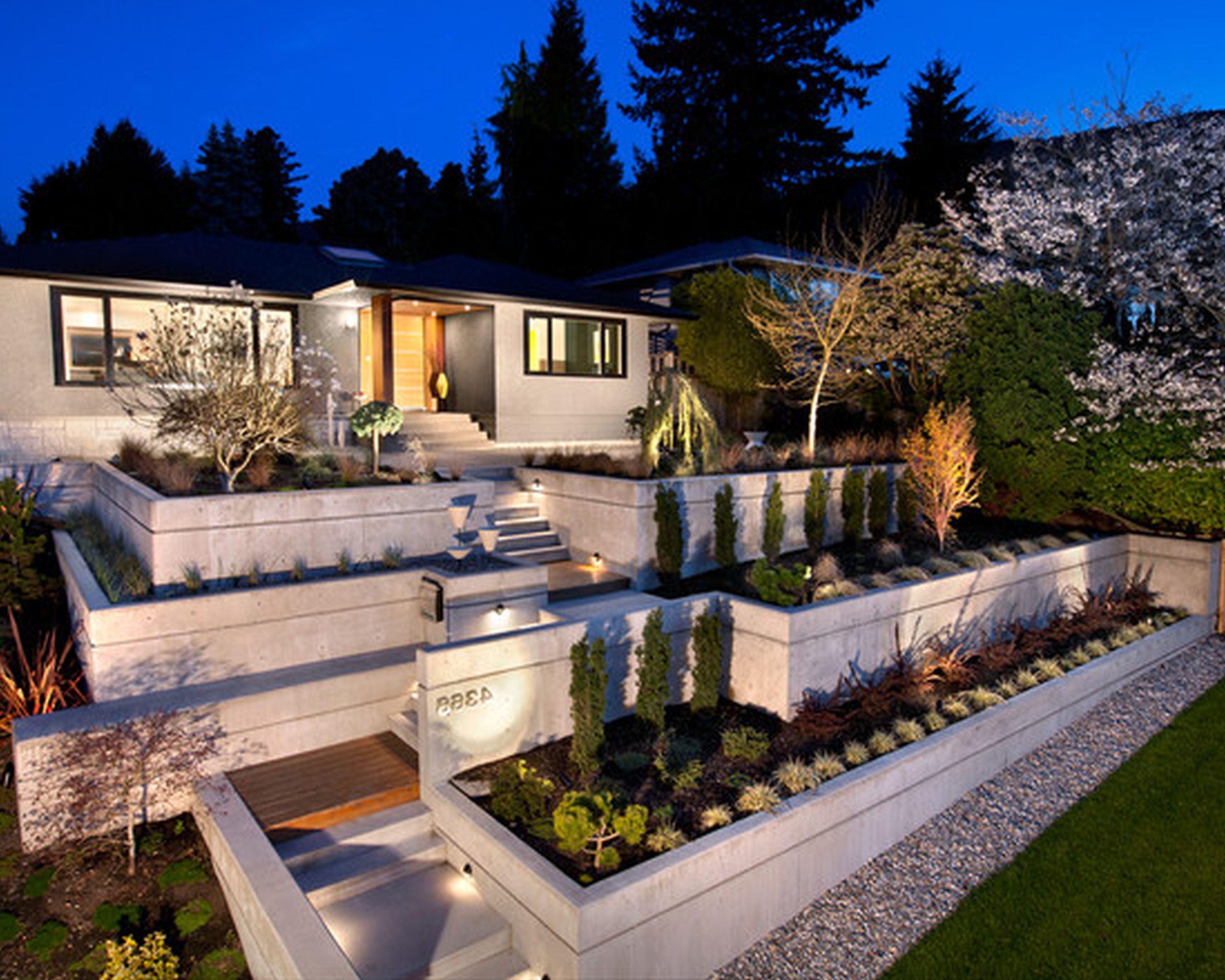

![25 Best Modern Landscape Designs For Your Home [2025] throughout Why Your Modern Garden Feels Cold and How to Warm It Up in 2026](https://cdn.dahomengarden.com/2026/05/25-best-modern-landscape-designs-for-your-home-2025-throughout-why-your-modern-garden-feels-cold-and-how-to-warm-it-up-in-2026.webp?width=992&f=jpg)


