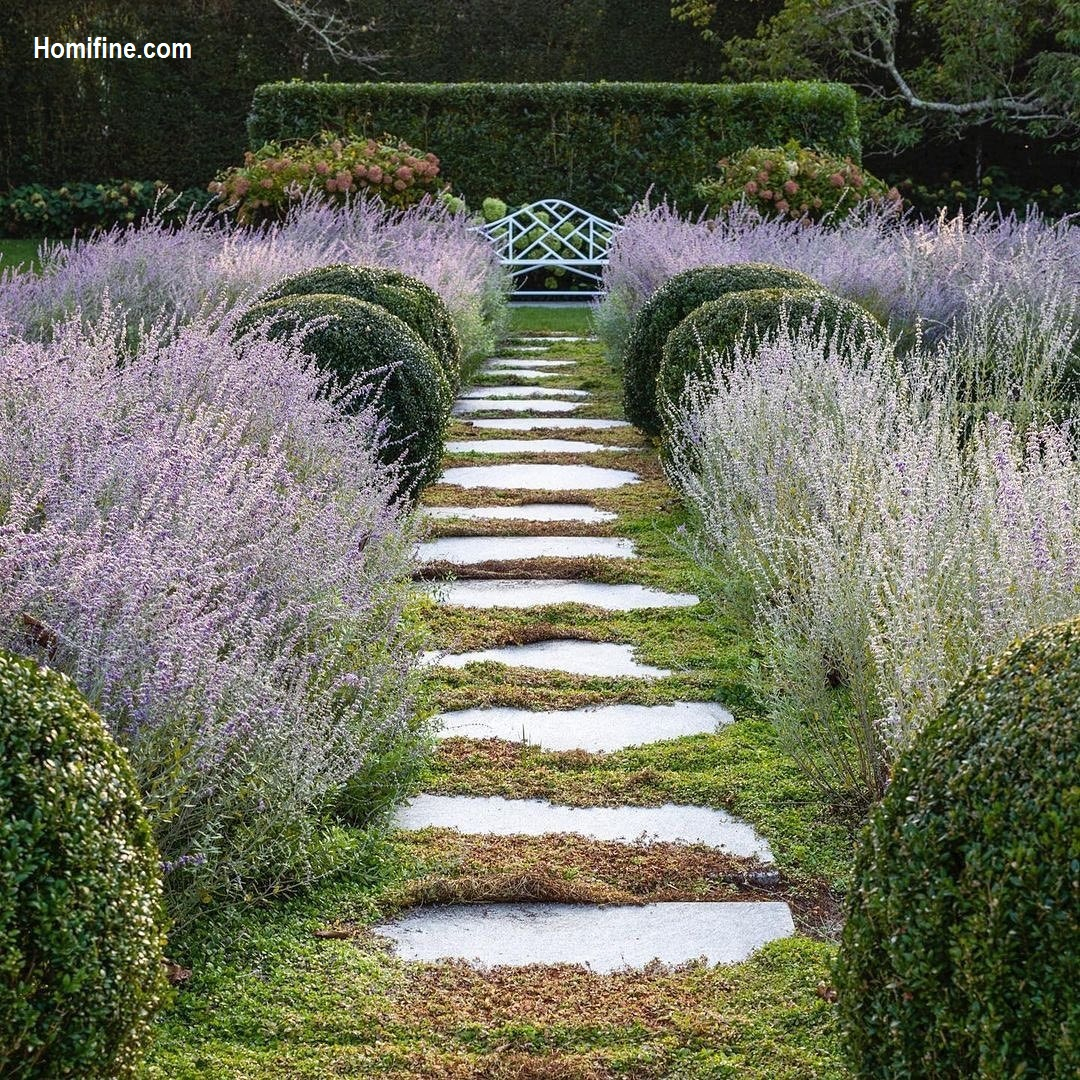

Standing in the middle of a blank, grassy expanse can feel a bit like staring at a blank canvas before you’ve even picked up a brush. It’s overwhelming. You know you want a garden, maybe a place to sip coffee or let the dog run, but right now? It’s just… empty. There’s no flow. No destination. Just open space that feels more like a void than a potential paradise. But here is the secret that landscape architects have known for decades, and which homeowners are rediscovering in 2026: the path is not just a way to get from point A to point B. It is the spine of your entire design.
Think about it. Without a path, your eye doesn’t know where to look. Your feet don’t know where to go. You end up creating desire lines—those muddy tracks worn into the grass because you’re taking the shortcut to the back gate. Instead of fighting those natural instincts, why not lean into them? By strategically placing pathways, you aren’t just laying down stone or gravel; you are choreographing movement. You are telling a story. You are defining rooms without building walls. This approach transforms a chaotic, empty lot into a purposeful, cohesive landscape that feels intentional and welcoming.
The trend in recent years, particularly looking at data from early 2026, shows a shift away from rigid, symmetrical grids. People are craving organic flows that mimic nature. They want paths that meander, that hide a little bit of what’s coming next, creating a sense of mystery and discovery. Whether you have a tiny urban side yard or a sprawling suburban backyard, the principle remains the same. The path is the organizer. It ties the architecture of your home to the wildness of your plants. Let’s dig into how you can use this powerful tool to turn your empty yard into the outdoor oasis you’ve been dreaming of.
Mapping the Flow Before You Dig
Before you buy a single bag of mulch or paver, you need to understand how you actually live. Or rather, how you want to live. Grab a notebook, or better yet, walk out into your yard with a spray paint marker (the kind that fades after a few weeks is perfect for this). Don’t think about aesthetics yet. Think about function. Where does the trash bin go? Where do you want to sit when the sun sets? Where does the dog need to run? These are your destinations.
Once you have your destinations marked, draw lines between them. But here is the trick: don’t just draw straight lines. Look at the existing features. Is there a beautiful old oak tree? Route the path around it, giving it space to breathe. Is there a awkward slope? Maybe the path becomes a series of gentle switchbacks. According to experts at Garden Design, starting with a basic plan that connects these key areas is crucial. You are essentially creating a skeleton for your landscape. If the skeleton is broken, the body won’t stand up right.
Consider the "rooms" concept. In interior design, we use rugs and furniture arrangements to define spaces. In landscaping, paths do the heavy lifting. A wide, straight path might suggest a formal entrance or a main thoroughfare. A narrow, winding trail suggests a private retreat or a journey through a woodland garden. By varying the width and direction of your paths, you create distinct zones. One area might be for dining, another for meditation, and another for play. The path is the hallway that connects these rooms, ensuring the transition feels natural rather than jarring.
Choosing Materials That Speak to Your Home
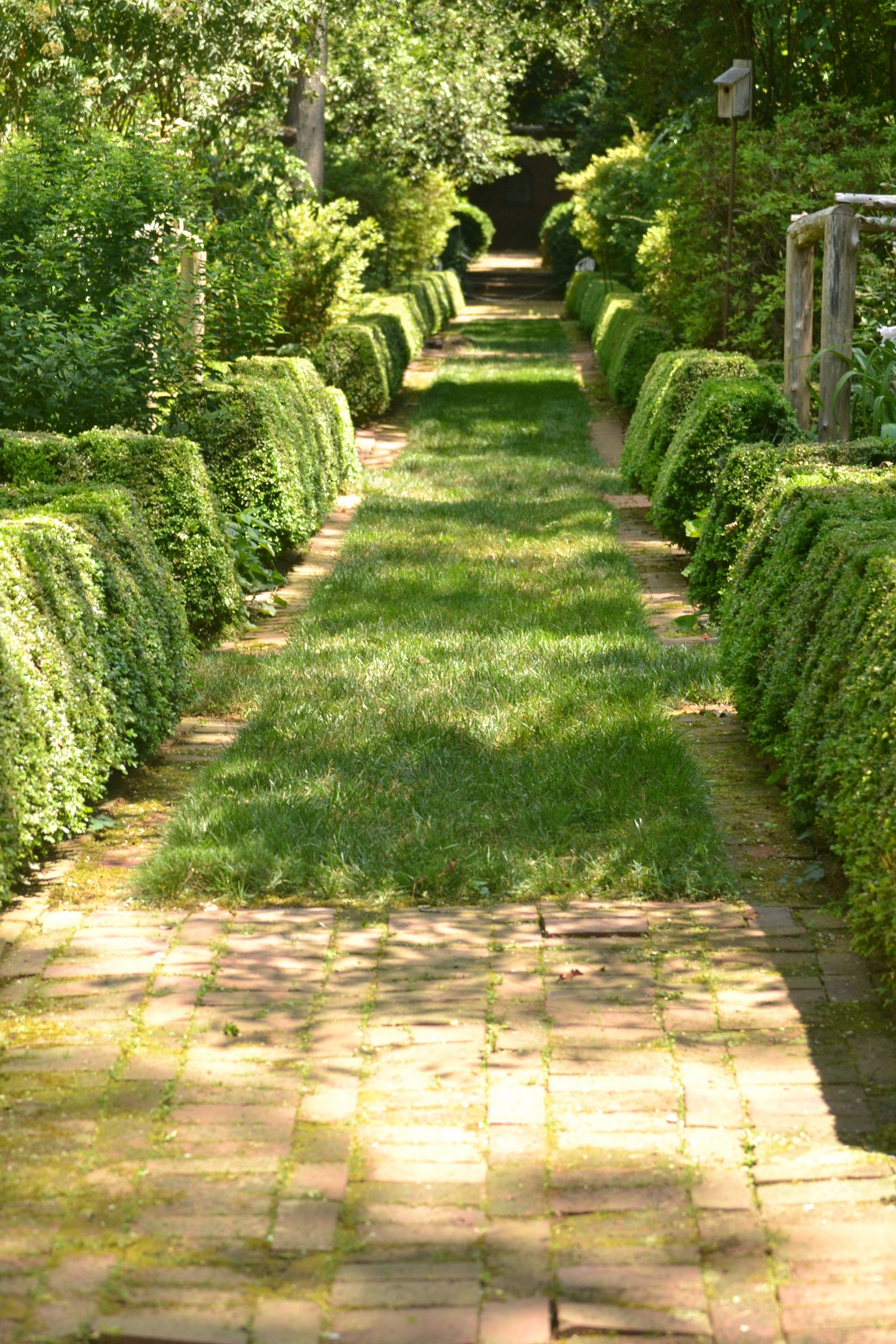
Materials matter. They set the tone. You wouldn’t put shag carpet in a modern minimalist living room, so why put rough, jagged flagstone in front of a sleek, mid-century modern home? Cohesion starts with matching the hardscape to the architecture. If your house has brick accents, consider using brick for your pathways. As noted in recent HGTV features from March 2026, a brick walkway can cleverly morph into a retaining wall, tying architectural elements together for a purposeful look. This repetition creates a visual rhythm that makes the whole property feel like a single, unified entity.
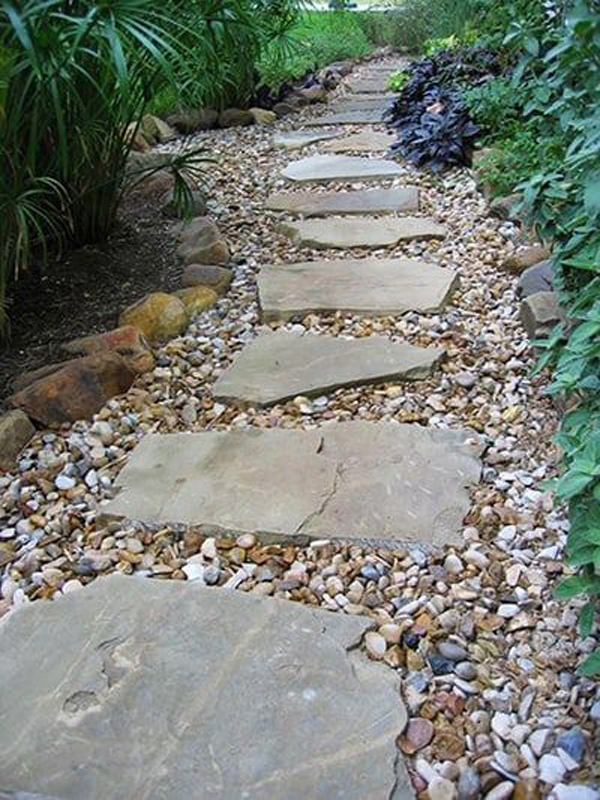
But what if you love the look of mixed materials? That’s totally fine, too. In fact, it’s quite popular right now. The key is balance. You don’t want a patchwork quilt that looks accidental. You want a curated transition. Imagine a path that starts with smooth river stones near the front door, transitions into wooden rounds as it enters a shaded garden area, and finishes with crushed granite near the vegetable patch. Each material signals a change in mood or function. To keep it cohesive, use consistent edging. Steel edging, for instance, can frame both the wood and the stone, providing a unifying line that tells the eye, "These different things belong together."
Durability is also a huge factor. Gravel is cheap and drains well, making it great for side yards or informal paths, as highlighted by Arch Foundation in 2025. But it kicks up dust and can track into the house. Stone is permanent and elegant but can be slippery when wet. Wood warms up the space but requires maintenance. Think about your climate. Do you get heavy rain? Snow? Extreme heat? Choose materials that will age gracefully in your specific environment. A path that looks good in year one but becomes a mud pit or a splinter hazard in year three isn’t a good path, no matter how pretty it looked in the catalog.
The Psychology of Curves and Straight Lines
Let’s talk about shape. It sounds simple, but the geometry of your path changes how people feel when they walk through your yard. Straight lines are efficient. They say, "Get there quickly." They are formal, authoritative, and often used in front yards to guide visitors directly to the door. But they can also feel a bit cold if overused. If your entire yard is a grid of straight lines, it might feel more like a warehouse than a home.
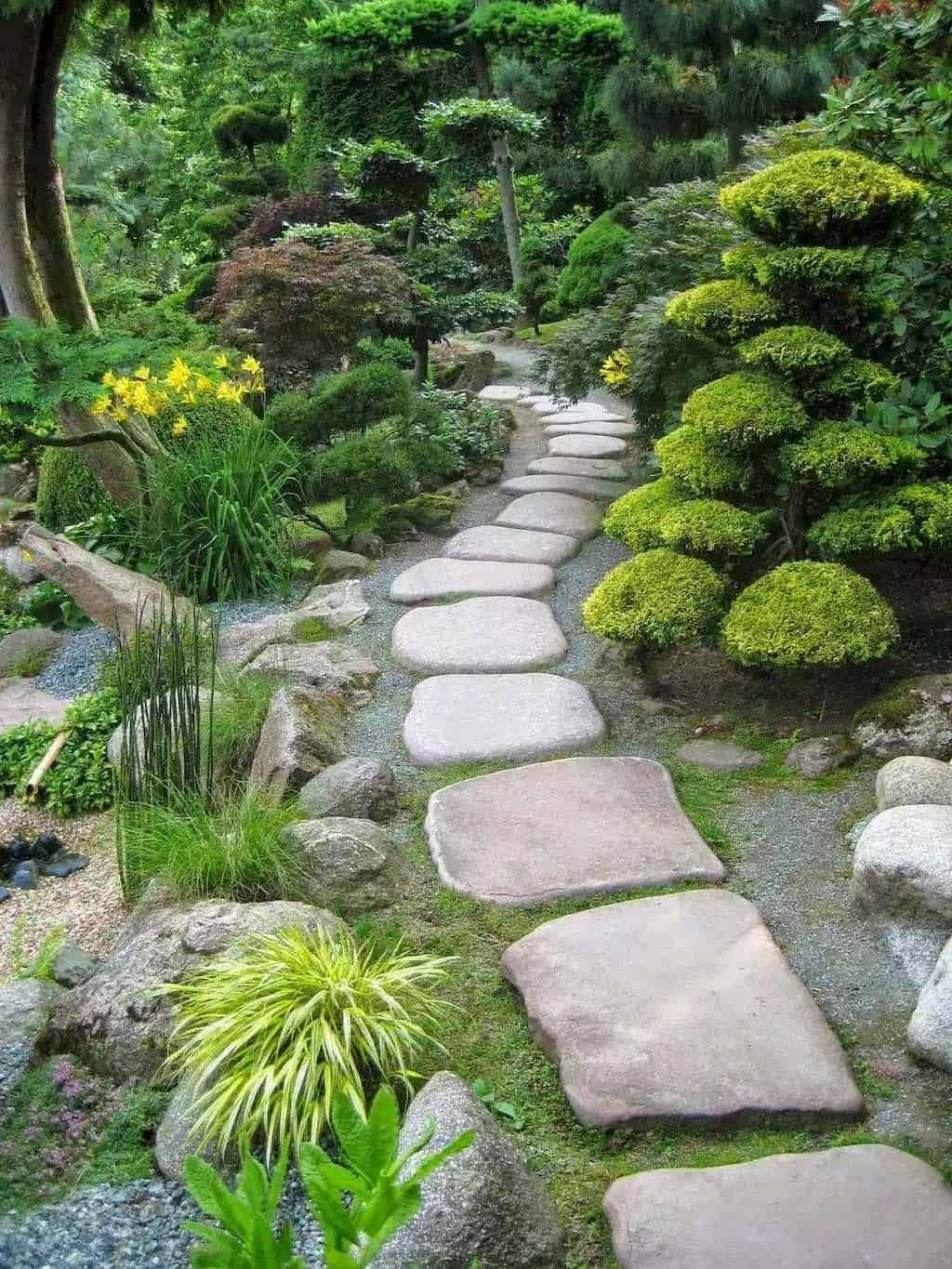
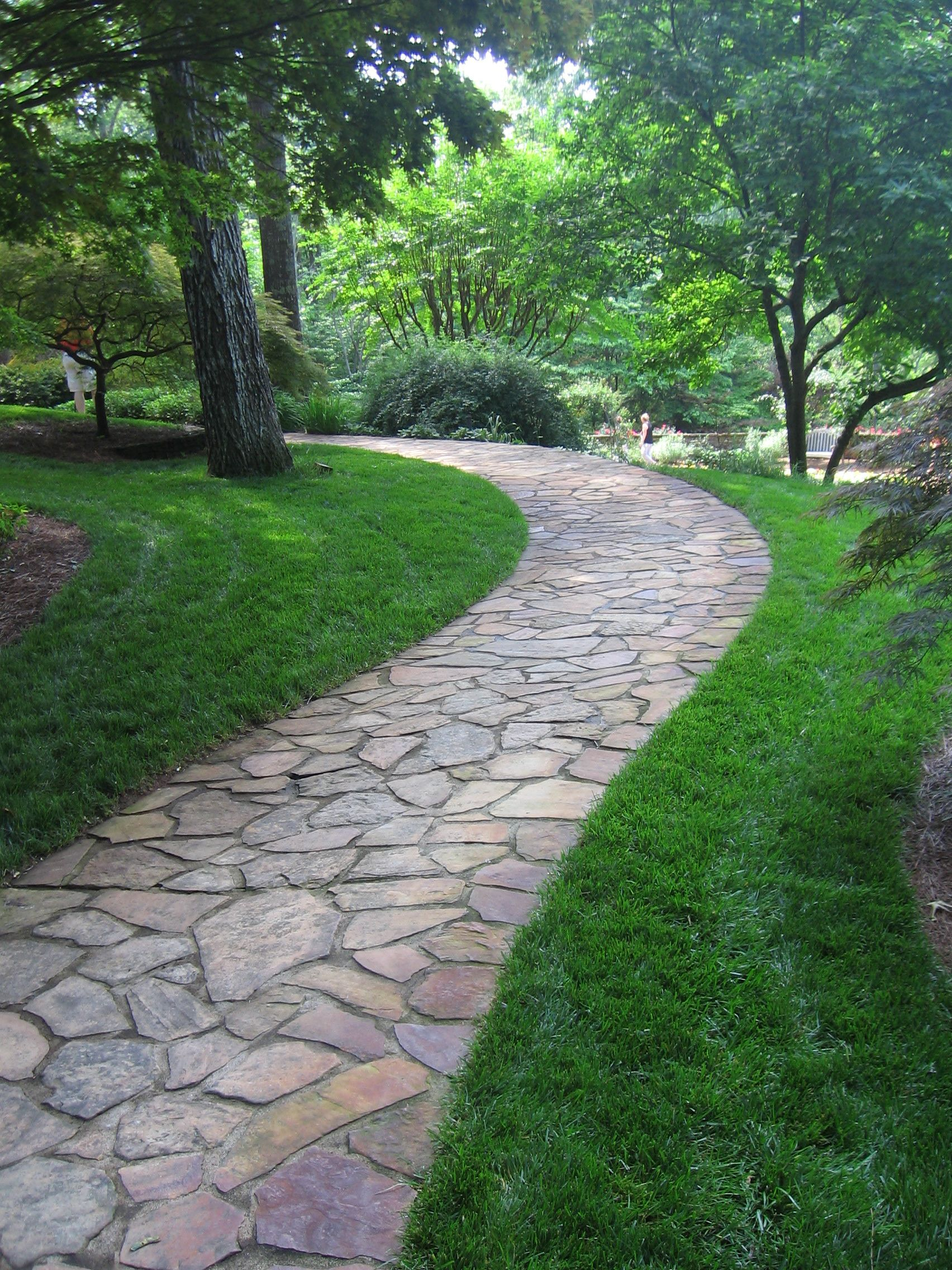
Curves, on the other hand, invite exploration. They slow you down. A curving path hides the destination, creating a sense of anticipation. What’s around that bend? Is it a bench? A fountain? A hidden garden bed? This element of surprise is powerful. It makes a small yard feel larger because you can’t see the end from the beginning. Roger Cook, a landscape contractor featured in This Old House guides, suggests that curves encourage a leisurely pace and lend mystery. They also help soften the hard edges of a home, blending the built environment with the natural one.
However, don’t force a curve if it doesn’t make sense. A path should follow the logic of the land. If you have a long, narrow side yard, a straight path might actually be the best choice to maximize space and avoid feeling cramped. The goal is intentionality. If you choose a straight line, own it. Make it bold. Use strong materials. If you choose a curve, make it generous. Tight, skinny curves can feel awkward to walk on, like you’re constantly adjusting your stride. Aim for arcs that feel natural to the human body. Test it out by walking the proposed route before you build. Does it feel good? Does it flow? Trust your gut.
Creating Depth with Layering and Edging
A path floating in a sea of grass looks unfinished. It needs context. This is where layering comes in. Think of your path as the main character, but it needs supporting actors. Edging is the most critical of these. It defines the boundary between the path and the planting beds. Without clear edging, grass creeps in, mulch spills out, and the whole thing looks messy. Steel edging is incredibly popular in 2026 for its clean, invisible look. It allows the plants to spill over slightly, softening the line, while keeping the path surface clear.
But edging isn’t just about containment; it’s about elevation. Raising the path slightly above the surrounding grade adds prominence. It says, "This is important." You can achieve this with a low retaining wall, as suggested by Better Homes & Gardens. A low wall not only separates the path from the yard but adds structure and style. It also provides a place to sit if it’s wide enough, or a ledge for displaying potted plants. This vertical element breaks up the horizontal plane of the yard, adding visual interest and depth.
Planting along the edges is the final layer. Don’t just plant a row of identical shrubs. Mix it up. Use tall grasses to screen views, low groundcovers to soften the hardscape, and bursts of color from perennials. The plants should frame the path, guiding the eye forward. In side yards, where space is tight, vertical gardening on fences or walls adjacent to the path can draw the eye up, making the space feel wider and taller. The path becomes the organizing line, as Homedit noted in their 2026 roundup, keeping edges fixed and plants contained, but allowing for a lush, layered look that feels abundant rather than cluttered.
Lighting the Way for Nighttime Magic
Your yard shouldn’t disappear when the sun goes down. In fact, some of the most magical moments happen at dusk. Strategic lighting can transform your pathways from functional necessities into dramatic design features. But beware the "runway effect." You don’t want a line of bright lights marching down the center of your path. That looks like an airport landing strip. Instead, aim for subtle, ambient glow.
Low-voltage LED fixtures are the standard now. They are energy-efficient and long-lasting. Place them sparingly. Light the steps, yes, for safety. But also light the trees adjacent to the path, or the texture of a nearby wall. Let the light spill onto the path indirectly. This creates pools of light and shadow, which adds depth and mystery. It makes the path feel like a journey through a landscape painting. Solar lights have come a long way, too. For remote areas where running wire is difficult, high-quality solar stakes can provide enough illumination to guide feet without requiring an electrician.
Consider the color temperature of your bulbs. Warm white (around 2700K to 3000K) is generally best for residential landscapes. It mimics the glow of incandescent bulbs and feels inviting. Cool white can feel sterile and clinical, like a hospital corridor. You want your yard to feel like a sanctuary, not a clinic. Also, think about motion sensors for security areas, but keep the main aesthetic paths on a timer or dimmer switch. The goal is to extend the usability of your space, allowing you to enjoy evening cocktails or night walks without stumbling in the dark.
Here is the truth: gardens are not static. They change. Plants grow, stones settle, weather happens. A cohesive landscape isn’t one that looks perfect forever without effort; it’s one that ages well. When designing your paths, think about maintenance. Gravel needs raking and topping up. Stone needs occasional weeding. Wood needs sealing. Be honest with yourself about how much time you want to spend on upkeep. If you hate weeding, maybe stone with polymeric sand (which hardens and prevents weeds) is better than loose gravel.
Also, leave room for evolution. You might not know exactly what you want to plant in that bed next to the path right now. That’s okay. Install the hardscape—the path, the edging, the lighting—as the permanent structure. Then, let the softscape—the plants—evolve over time. You can start with simple, hardy perennials and add more complex layers as you learn what works in your microclimate. This takes the pressure off. You don’t have to get it all right on day one. The path provides the stability; the plants provide the flexibility.
Finally, watch how people use the space. After a season, you might notice that everyone cuts across the corner of the lawn instead of following the curve you built. Don’t fight it. Pave that desire line. It means your original design didn’t quite match the natural flow of life in your home. Adjusting the path to match actual behavior is the ultimate sign of a successful landscape. It shows that the space is living, breathing, and serving its inhabitants. And isn’t that the whole point?
So, look at your empty yard again. Don’t see the emptiness. See the potential for connection. See the invisible threads waiting to be woven. Start with the path. Let it guide your hand, your eye, and your feet. Build it with care, choose materials that sing in harmony with your home, and let it lead you to a place of peace. You’ve got this. And honestly? It’s going to look amazing.