
Have you ever walked past a house and just stopped to look. Not because it was huge or fancy, but because it felt incredibly welcoming. That is the magic of great curb appeal. In 2026, the way we think about the front of our homes is changing big time. It is no longer about having a perfect, golf-course lawn and a neat row of matching shrubs.
Instead, we are seeing a shift toward spaces that feel real, warm, and deeply connected to nature. People want their front yards to tell a story and feel like an extension of who they are. If you are hoping to refresh your home’s look this year, landscape designers have some fantastic, practical advice to help you get started.
Moving Away From Overgrown Foundation Shrubs
For decades, the standard formula for a front yard was simple: plant a row of evergreen bushes right against the foundation and call it a day. But designers in 2026 are urging homeowners to move away from these heavy, overgrown blocks of green. When bushes grow too tall, they block windows and crowd walkways, making a house look dark and closed off. It instantly dates your home.
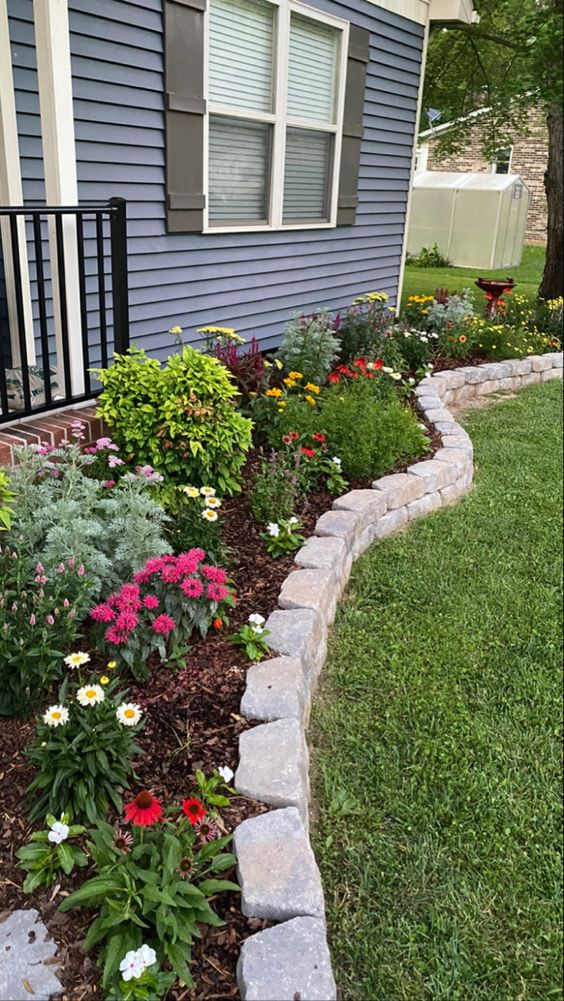
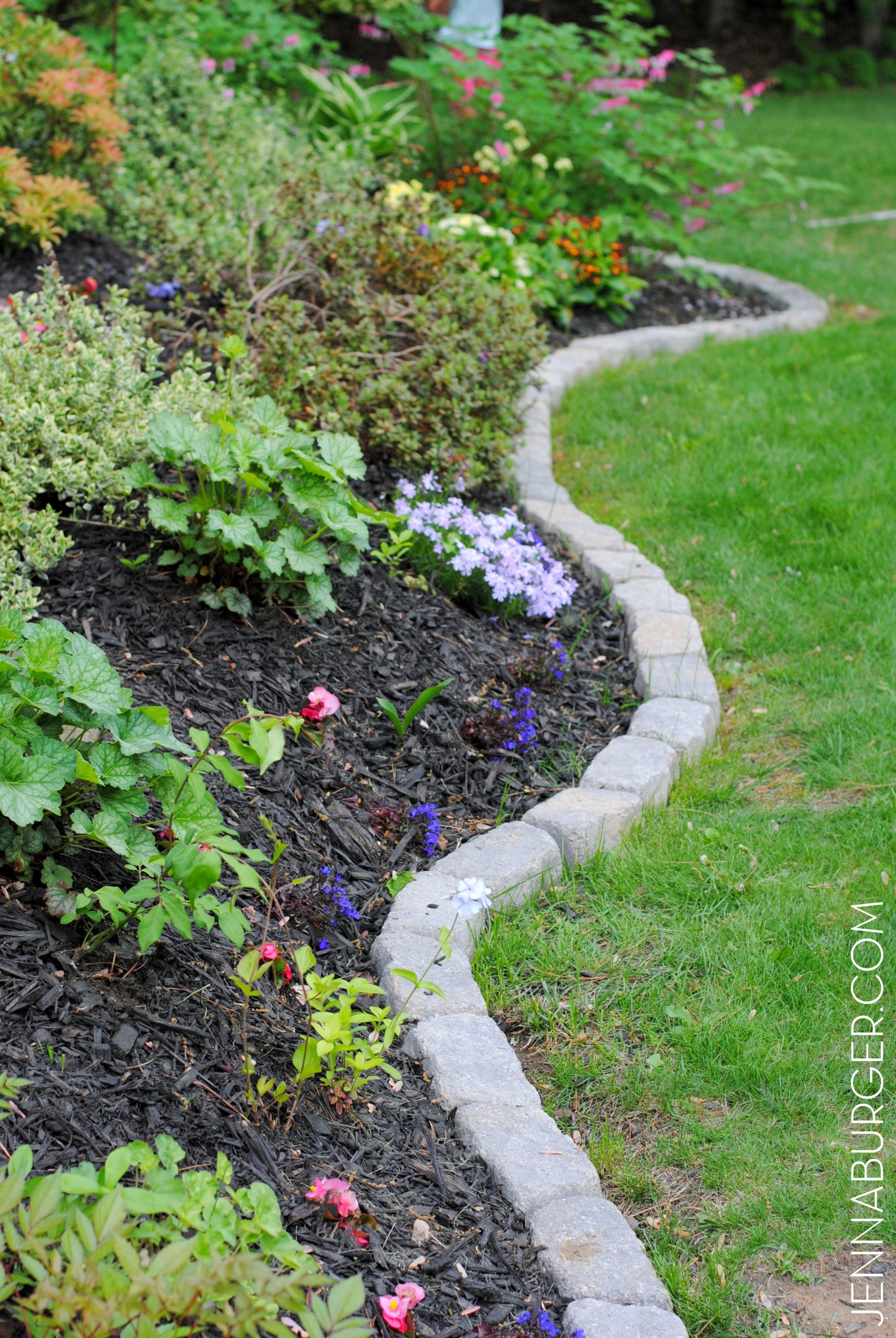
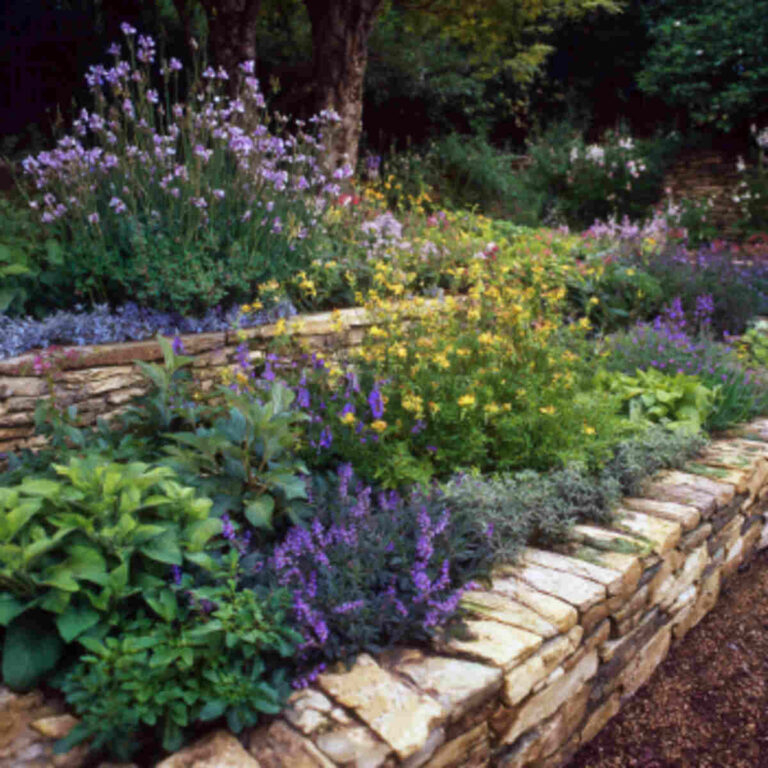
Instead of those stiff rows, the new trend is all about layering. Think of it like dressing in layers for autumn. You want a mix of soft ornamental grasses, flowering perennials, and smaller shrubs that create movement. When the wind blows, your garden should sway and feel alive. Mixing in a small, beautiful tree like a dogwood or serviceberry adds height and keeps things looking natural and relaxed.
Soft, Warm Neutrals and Natural Textures
The era of the stark, all-white modern farmhouse is fading out. While white siding was everywhere for a while, people are now craving colors that feel warmer and more grounded. Cool, bright whites can look a bit harsh under the bright sun, so designers are swapping them for gentle creams, soft bone shades, and warm greiges.
Alongside these softer paint colors, we are seeing a massive love for real, organic textures. Adding natural stone veneer, warm cedar accents, or textured siding makes a huge difference. These materials do not have to be perfect. In fact, their little imperfections are exactly what makes them feel so cozy and high-end. It is all about "quiet luxury"—creating a look that feels timeless and high-quality without shouting for attention.
Designing Walkways That Welcome the Neighborhood
Here is a common design mistake: a walkway that only connects your front door to your driveway. It basically tells visitors that your home is only accessible by car. In 2026, designers are focusing heavily on community and connection, which means walkways are getting a major rethink.
We are seeing a big push for pathways that lead straight from the front door down to the sidewalk or street. It makes your home feel incredibly open and inviting to neighbors. To make these paths even more special, try using mixed materials. Instead of a solid slab of concrete, you could use large stone pavers with tiny ground cover plants growing in between them. It softens the hard lines and coaxes guests to slow down and enjoy the walk to your door.
Smarter Water Management and Prety Drainage
Let’s talk about something a bit boring but totally necessary: rainwater. With weather patterns becoming more unpredictable, managing water in your yard is a huge priority. But drainage doesn’t have to look like a messy plastic pipe sticking out of the grass. In 2026, smart designers are making water management a key design feature.
For example, decorative linear drain covers with beautiful patterns are replacing ugly plastic grates along driveways and paths. Homeowners are also building rain gardens—shallow, planted areas that naturally catch and filter rainwater runoff. By choosing drought-tolerant, climate-ready plants like lavender or native grasses, your yard can handle heavy rainstorms and dry summer weeks without breaking a sweat.
Layered Lighting That Acts Like Jewelry
Outdoor lighting used to be just a security floodlight or a few solar stakes pushed into the grass. Today, designers view lighting as the "jewelry" of the home. It is what makes your landscaping shine long after the sun goes down.
The secret to great curb appeal at night is layered lighting. Instead of one bright light, you want to combine different types of soft illumination. Use low-voltage path lights to guide steps, uplights to highlight the texture of a stone wall, and soft spotlights to showcase the branches of a beautiful tree. With modern smart lighting systems, you can easily control all of this from an app on your phone, making your home look warm and secure with just a tap.
Why should the backyard get all the fun. One of the most exciting shifts in 2026 is that front yards are becoming active spaces for living. Peaple are realizing that the front of the house is a wonderful spot to sit, chat, and connect with neighbors passing by.
We are seeing more homes with cozy little seating nooks, small fire bowls, or beautiful stone planters placed near the entryway. Creating a small garden room or a quiet spot with a comfortable bench completely changes how you use your property. It transforms a simple patch of grass into a functional, lived-in space that feels deeply personal and incredibly welcoming.
Making a great first impression at the curb in 2026 isn’t about spending a fortune on high-gloss finishes or chasing short-lived trends. It is about embracing natural materials, thinking about how you actually use the space, and choosing plants that love your local environment.
By softening those stiff, outdated hedges, adding warm colors, and creating spaces where you can sit and enjoy the evening, you do more than just boost your home’s value. You create a place that truly feels like home, right from the very first step.