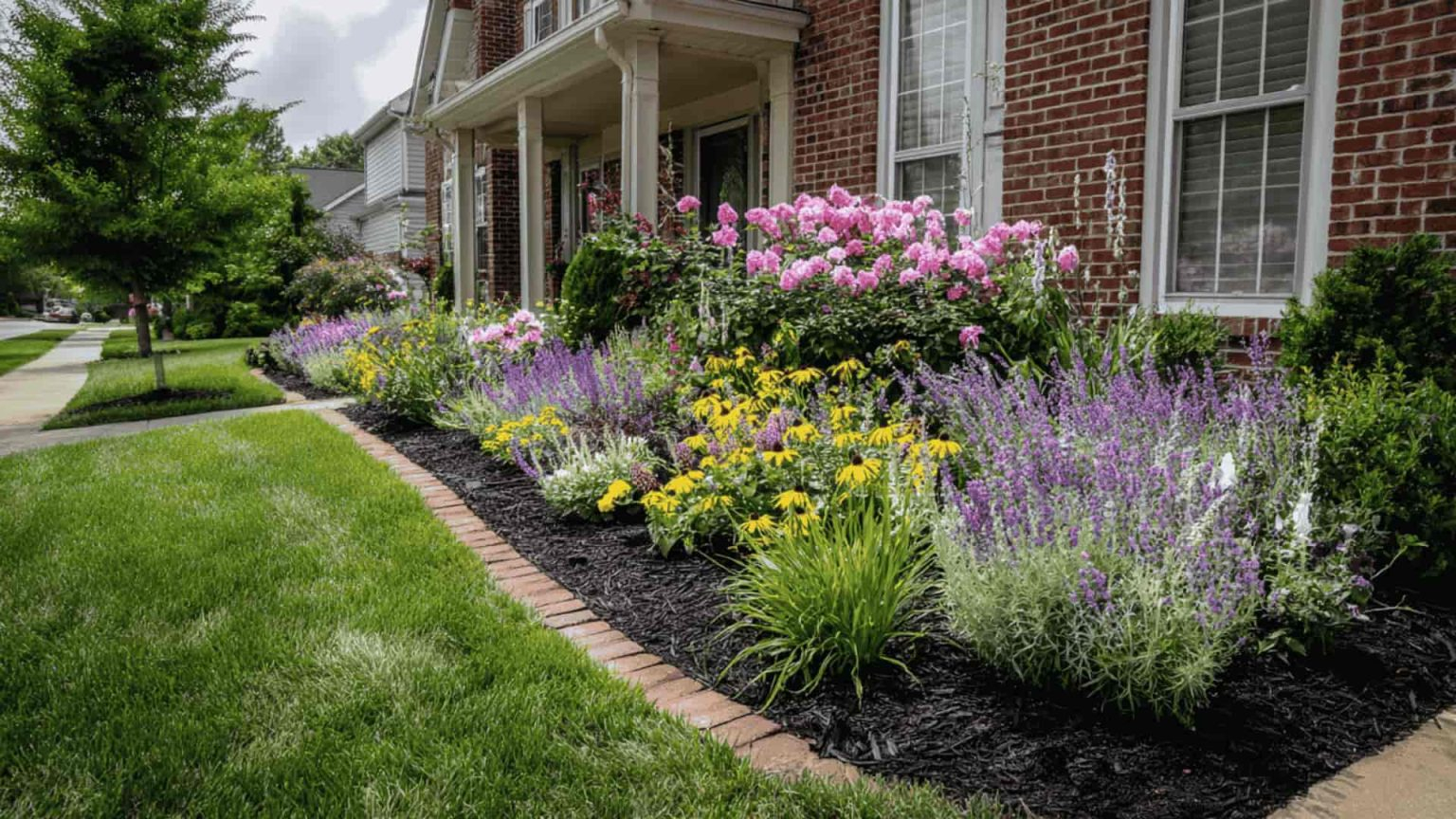

Ever looked at your front yard in late October and felt a little… blah? You’re not alone. Most of us dream of a curb appeal that wows neighbors from the first crocus of spring to the last holly berry of winter. But let’s be real. Life is busy. Who has time to deadhead petunias every Tuesday or fight a losing battle against crabgrass?
The good news? You don’t need a green thumb the size of a shovel to pull it off. In 2026, the trend isn’t about perfection. It’s about smarts. It’s about working with nature, not against it. By choosing the right plants and laying them out in a way that makes sense, you can create a front garden that looks stunning with barely any effort. Seriously. We’re talking minimal watering, almost no weeding, and zero stress. Let’s dig into how you can make your front yard the envy of the block without spending your weekends on your knees.
The Foundation: Planning for Less Work
Before you buy a single plant, stop. Take a breath. Look at your space. The biggest mistake people make is buying what looks pretty in the nursery pot without thinking about where it’s going to live. Low maintenance starts with good planning. It’s like building a house; if the foundation is shaky, everything else crumbles. Or in gardening terms, if you plant a sun-lover in the shade, you’ll spend all summer trying to keep it alive.
Start by mapping out your light. Where does the sun hit in the morning? Where are the shady spots under the eaves or trees? Be honest about your soil too. Is it clay that holds water like a sponge? Or sandy stuff that drains faster than a bathtub? Knowing this helps you pick plants that actually want to be there. When plants are happy in their environment, they thrive. They resist disease. They bounce back from drought. And guess what? That means less work for you.
Keep the design simple. Cluttered beds with fifty different tiny plants are a nightmare to maintain. Instead, think in blocks. Groupings of three, five, or seven of the same plant create a bold impact and make weeding easier because you know exactly what belongs there. Simple lines and clean edges also help. A curved bed might look soft, but straight edges are easier to trim with a edger. Choose what fits your style, but remember: simplicity is your best friend when you’re aiming for low upkeep.
Choosing Plants That Play Nice Together
Now for the fun part: picking the plants. But here’s the trick. Don’t just pick for flowers. Pick for resilience. Native plants are your secret weapon. They’ve evolved to handle your local weather, pests, and soil conditions. They don’t need fancy fertilizers or constant coddling. In 2026, more homeowners are turning to natives not just for ease, but for the environment. Birds and bees love them too.
Think about layering. You want something blooming in spring, something else in summer, and yet another thing in fall. But you also want structure. Evergreen shrubs provide the backbone of your garden. They look good even in January when everything else is dormant. Boxwoods, dwarf conifers, or native hollies can form the "bones" of your bed. Then, fill in the gaps with perennials that come back year after year. Sedum, coneflowers, and black-eyed Susans are tough cookies. They handle heat, cold, and neglect like champs.
Don’t forget about foliage. Flowers fade, but leaves stick around. Plants with interesting textures or colors—like hostas with their big, lush leaves, or ornamental grasses that sway in the wind—add visual interest even when nothing is in bloom. Mixing broad leaves with fine, feathery ones creates depth. It makes the garden look full and designed, not just random. And if you choose drought-tolerant varieties, you’ll save on water bills too. Win-win.
Smart Layouts That Reduce Chores
How you arrange your plants matters just as much as what you plant. A smart layout can cut your weeding time in half. One of the best strategies is the "thriller, filler, spiller" concept, but adapted for ground beds. Place taller, structural plants (the thrillers) in the back or center. Use medium-height bushy plants (the fillers) to cover the soil surface. And let trailing plants (the spillers) cascade over edges. This dense planting shades the soil, which stops weeds from germinating. Sunlight is what weed seeds need to wake up. No sun? No weeds.
Another pro tip: leave some breathing room. It’s tempting to pack plants in tight for instant gratification, but they’ll compete for resources and get sickly. Check the mature size on the tag. Give them space to grow into their adult selves. This improves air circulation, which reduces fungal diseases. Healthy plants mean less spraying and less pruning. It’s a long-game strategy, but it pays off.
Consider hardscaping too. Mulch is essential, but rock or gravel mulch around succulents or alpine plants can look modern and requires zero replacement. Edging materials like metal or stone strips keep grass from creeping into your beds. Grass invasion is one of the most tedious parts of garden maintenance. A physical barrier stops it cold. Spend a little extra on good edging now, and you’ll thank yourself every time you mow the lawn later.
Seasonal Interest Without the Hassle
Year-round color doesn’t mean you need fresh blooms every single day. That’s impossible without a greenhouse staff. Instead, think about seasonal highlights. Spring bulbs like daffodils and tulips pop up early, do their show, and then disappear. Plant them among perennials whose leaves will grow over the fading bulb foliage. This hides the ugly yellowing leaves and keeps the bed looking tidy. No digging up bulbs required. Just let them naturalize.
Summer is easy. That’s when most perennials shine. Coneflowers, salvia, and daylilies are workhorses. They bloom for weeks, sometimes months. Deadheading (cutting off spent flowers) can encourage more blooms, but many modern varieties are "self-cleaning." They drop their old flowers and keep going. Look for these labels when shopping. It’s a small detail that saves hours of snipping.
Fall and winter are where many gardens fail, but they don’t have to. Ornamental grasses turn golden and catch the low winter light beautifully. Seed heads from coneflowers and sedums provide food for birds and add architectural shape. Add some winter-blooming plants like witch hazel or hellebores. Hellebores, also called Lenten roses, bloom in late winter when everything else is asleep. Their evergreen leaves provide color all year. It’s like having a garden that never really quits.
Watering and Feeding: The Minimalist Approach
Let’s talk about water. The goal is to establish plants so they rarely need supplemental watering. Start by watering deeply but infrequently during the first year. This encourages roots to grow deep into the soil, where moisture lasts longer. Shallow, frequent watering keeps roots near the surface, making plants dependent on you. Once established, most native perennials and shrubs can handle typical rainfall patterns.
If you do need to water, use a soaker hose or drip irrigation. Sprinklers waste water through evaporation and wet the leaves, which can cause disease. Drip systems deliver water right to the roots. Set them on a timer, and you’re done. You can literally forget about watering for weeks at a time. In 2026, smart controllers that adjust based on local weather forecasts are affordable and easy to install. They prevent overwatering during rainy spells.
Feeding is similar. Less is more. Over-fertilizing causes rapid, weak growth that attracts pests. Most established perennials don’t need much. A top-dressing of compost in the spring is usually enough. It feeds the soil, which feeds the plants. Slow-release organic fertilizers are another option if your soil is poor. But avoid high-nitrogen synthetic fertilizers. They create a cycle of dependency and pollution. Healthy soil builds itself over time if you just let it be.
Even with the best plans, things go wrong. Maybe a plant dies. Maybe weeds sneak in. Don’t panic. Gardening is a process, not a perfect picture. If a plant struggles, ask why. Is it too wet? Too dry? Wrong light? Sometimes, the best move is to replace it with something better suited. Don’t cling to a plant that hates your yard. It’s okay to admit defeat and swap it out.
Weeds will happen. But if you’ve mulched well and planted densely, they’ll be manageable. Pull them when they’re small. It takes seconds. If you wait until they’re huge, it’s a chore. Keep a hand trowel nearby. Make it easy. Also, watch for invasive spreaders. Some beautiful plants, like mint or certain bamboos, can take over. Plant them in containers or use root barriers. Otherwise, you’ll spend years digging them out.
Pests are part of the ecosystem. Don’t reach for the spray bottle at the first sign of a bug. Most insects are harmless or even helpful. Ladybugs eat aphids. Birds eat caterpillars. Only intervene if a plant is truly threatened. Often, a strong blast of water from the hose is enough to knock off pests. Encourage biodiversity. A diverse garden is a resilient garden. It balances itself out.
So, there you have it. Creating a front yard that looks great all year doesn’t require a degree in horticulture or endless hours of labor. It requires a shift in mindset. Work with nature. Choose tough plants. Plan for simplicity. Accept that some seasons are quiet, and that’s okay. The beauty of a low-maintenance garden is in its ease. It’s there for you to enjoy, not to enslave you.
Start small. Pick one bed. Try a few native perennials. Add some mulch. See how it goes. You’ll likely find that less effort leads to more enjoyment. Your neighbors might wonder what your secret is. Tell them it’s not magic. It’s just smart gardening. And maybe, just maybe, you’ll find yourself spending less time working in the yard and more time sitting in it, watching the bees buzz and the seasons change. That’s the real reward.