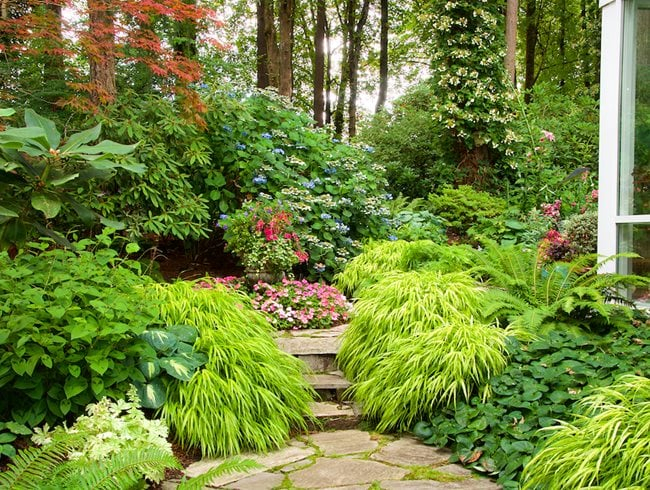

Have you ever walked into a shady corner of your yard and felt like it was just… waiting? Waiting for light, sure, but mostly waiting for life. It’s easy to think that because the sun doesn’t hit that spot, nothing much can happen there. You toss in a hosta or two, maybe a fern if you’re feeling adventurous, and call it a day. But then it looks sparse. Or messy. Or just kind of sad.
It doesn’t have to be that way. In fact, some of the most magical gardens are the ones tucked away from the direct glare of the midday sun. The trick isn’t just picking plants that survive the dark; it’s about arranging them so they sing together. It’s about layering. When you get the layers right, that shadowy nook transforms from an afterthought into a sanctuary. It feels intentional. Like someone cared enough to curate every leaf. And guess what? That someone can be you.
Let’s talk about how to make that happen. Because a lush shade garden isn’t an accident. It’s a design choice.
Understanding the Light and Soil Reality
Before we buy a single plant, we need to look at what we’re actually working with. "Shade" is a tricky word. It’s not just one thing. Is it deep, dark shade under a dense oak tree where grass refuses to grow? Or is it dappled shade, where sunlight filters through leaves like a strobe light? Knowing the difference changes everything. As noted in recent gardening guides from 2026, mapping your light levels for a full season is the first step. You can’t fix what you don’t understand.
Then there’s the soil. This is the silent killer of many shade dreams. Trees are thirsty beasts. They drink up the water and suck the nutrients right out of the ground before your delicate perennials even get a sip. This is called "dry shade," and it’s arguably the hardest condition to garden in. If you’re dealing with this, you have to accept a certain reality: it won’t look like a tropical rainforest. And that’s okay. Instead of fighting it, lean into it. Choose tough cookies like epimedium, brunnera, or vinca. These plants don’t just tolerate drought; they thrive in it once they’re established.
But if you have moist, rich soil? Oh, the possibilities. This is where you can go wild with lushness. Add compost. Open up pockets between roots. Water deeply but less often to encourage deep root growth. The goal here is to match the plant to the site, not the other way around. If you try to force a moisture-loving fern into a dry, root-choked spot, you’ll just end up frustrated. Work with the land, not against it. It’s a partnership.
The Vertical Strategy: Building Height and Structure
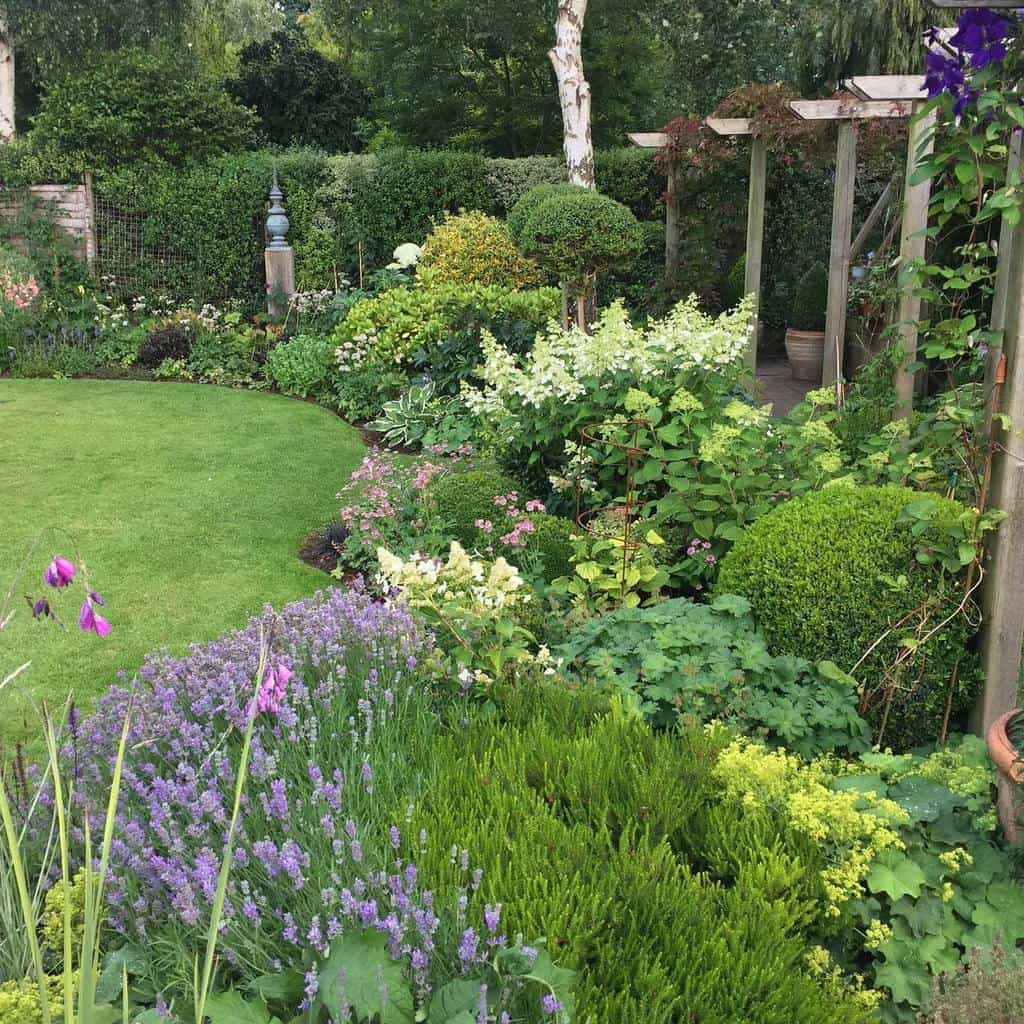
Think of your garden like a stage. You need actors in the back, the middle, and the front. If everyone stands in a straight line, it looks flat. Boring. To create depth, you need to arrange your plants forward and behind one another. This is the core of landscape layering. Start with the tallest elements. These are your anchors. In a shade garden, this might be a small understory tree like a Japanese Maple or a tall shrub. These provide the canopy and set the height limit for your space.
Next, bring in the upright perennials. These aren’t necessarily trees, but they have a vertical habit. Think of plants like Solomon’s Seal or tall astilbes. They draw the eye upward and break up the horizontal plane. According to design experts, these upright plants provide the necessary height that makes a garden feel substantial. Without them, your garden might feel like it’s hugging the ground too tightly. You want breathing room. You want structure.
Don’t forget the edges. Trailing vines or softening plants can spill over paths or walls. This blurs the hard lines of your hardscape and makes the garden feel like it’s overflowing with life. It’s a subtle touch, but it makes a huge difference. It says, "I didn’t just plant this here; I let it grow." The combination of tall anchors, mid-height fillers, and soft edges creates a cohesive look. It’s not just a collection of plants; it’s a composition.
Texture and Color: The Foliage First Approach
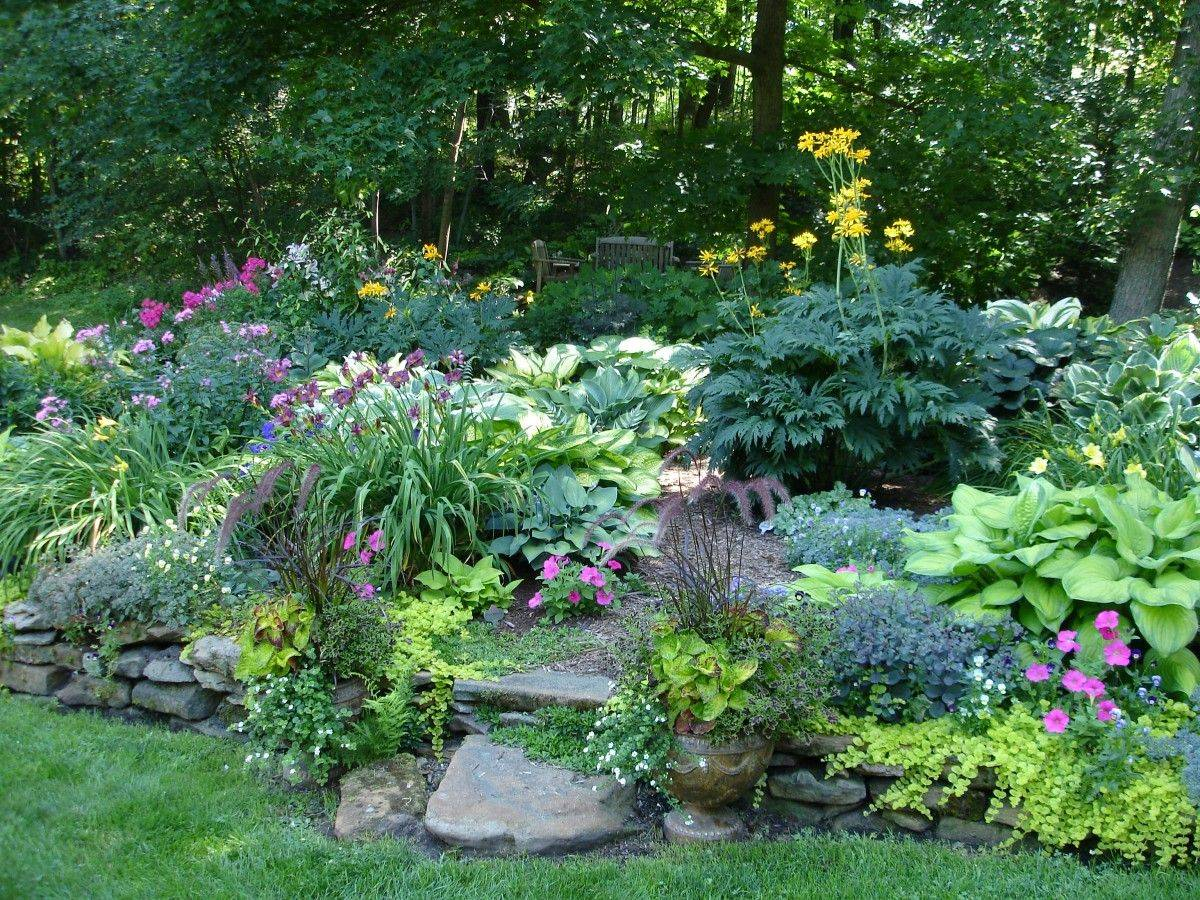
Here’s a secret: in the shade, flowers are secondary. Sure, they’re nice. A pop of white from a hellebore in early spring is delightful. But for the majority of the year, you’re looking at leaves. So, you have to make those leaves count. Rely on contrast. Mix bold, broad leaves with fine, feathery ones. Imagine a large, round hosta sitting next to a delicate, lacy fern. The contrast creates visual interest even when nothing is blooming. It’s about shape and form.
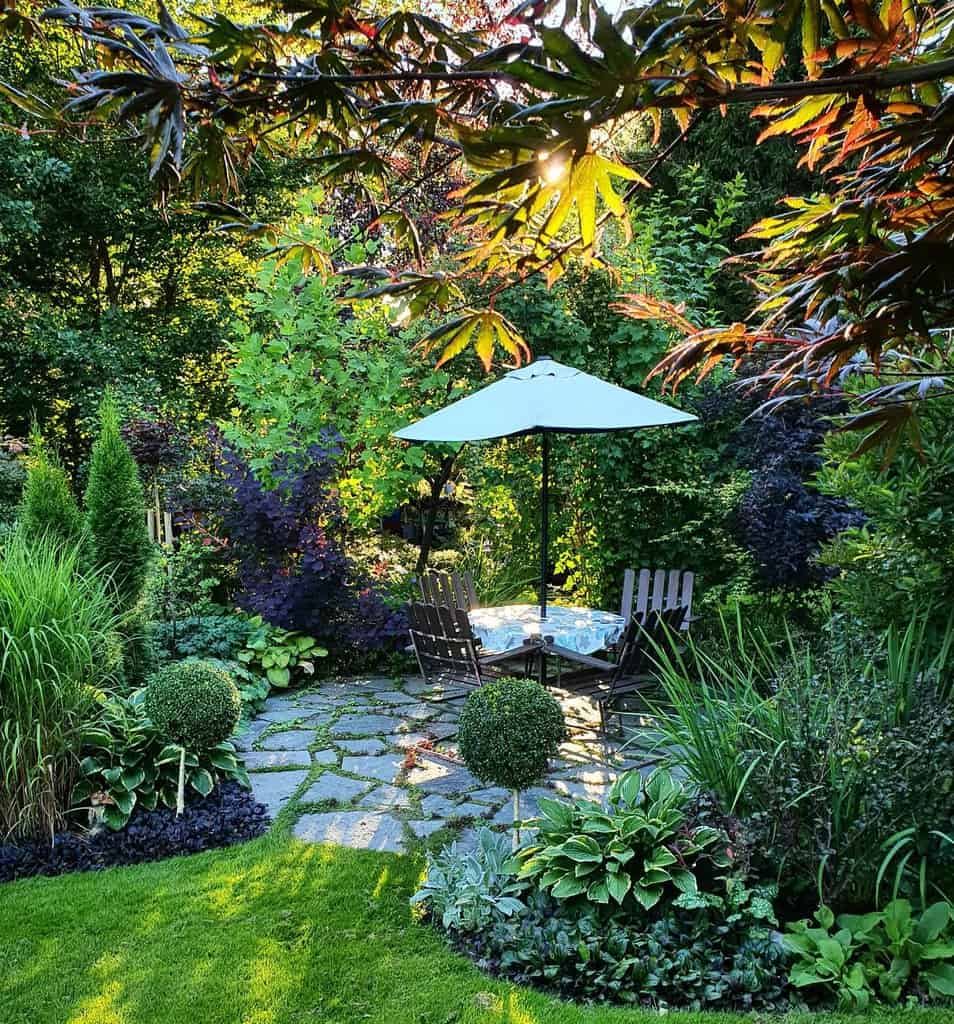
Color matters too, but not just green. Shade gardens can feel monotonous if everything is the same shade of emerald. Break it up. Use coral bells (heucheras) for pops of burgundy, chartreuse, or even deep purple. These colors glow in the low light. They catch what little sun there is and reflect it back. It’s like adding lamps to a dim room. Recent trends in 2026 emphasize using foliage color to create mood. A bed of dark-leaved plants feels mysterious and cool. A bed of bright lime-green ferns feels energetic and fresh.
Don’t be afraid to mix styles. You can combine the structured look of a formal garden with the wilder feel of a woodland edge. The key is repetition. Repeat a color or a texture throughout the bed to tie it all together. If you have a burgundy heuchera in the front, put another one in the middle. It creates a rhythm. Your eye travels through the garden instead of getting stuck on one spot. It’s a simple trick, but it makes the design feel professional. Intentional.
Thinking in Waves: Seasonal Succession
One of the biggest mistakes people make is planting for a single moment in time. They go to the nursery in May, see everything in bloom, and buy what looks good right then. But by August, that garden is empty. Brown. Sad. To avoid this, you have to think in waves. Every plant has a seasonal role. Some wake up early in spring, like trilliums and Virginia bluebells. They do their show and then go dormant. That’s fine. But you need other plants to wake up as they go to sleep.
This is where planning pays off. Mix plants with different bloom times. Ensure that something is always coming into its prime. When the spring ephemerals fade, the hostas should be unfurling. When the hostas are fully grown, the astilbes might be starting to bloom. By late summer, the Japanese Anemones take over. It’s a relay race. One plant hands off the baton to the next. This ensures your garden never looks empty. It always feels full and alive.
Stacy Ling, a noted garden designer, suggests thinking about these roles before you dig. Understand when each plant peaks. Then, layer them so that as one wave recedes, another crashes in. This approach transforms a flat, uninspiring area into a dynamic space that changes throughout the year. It keeps you engaged. You’re not just looking at a static picture; you’re watching a movie. And who doesn’t love a good plot twist?
The Ground Level: Softening the Edges
We often forget the floor. The ground level is crucial. It’s the foundation of your layered look. If you leave bare soil, it looks unfinished. It looks like you forgot to plant something. Use groundcovers to knit everything together. Plants like wild ginger, creeping phlox, or even moss (if you have the right conditions) act like a living carpet. They suppress weeds, retain moisture, and soften the transition between plants.
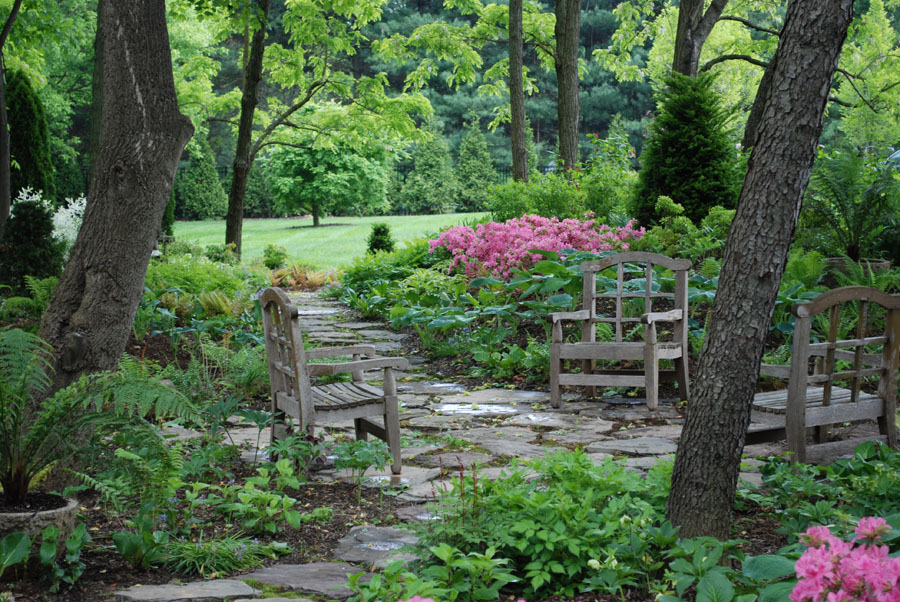
But don’t just pick one groundcover and blanket the whole area. That can look monotonous too. Mix it up. Use different textures at the ground level. Maybe a patch of ferns here, a clump of liriope there. Create vignettes. A vignette is a small, curated scene within the larger garden. It could be a fern-and-mulch setup with a bench nearby. It looks intentional. It invites you to sit and stay awhile.
Mulch is your friend here, too. A good layer of organic mulch keeps the soil cool and moist. It also gives a finished look to the beds. But don’t over-mulch. Let some of the groundcovers peek through. The goal is a seamless blend of plant and earth. It should look like the plants emerged naturally from the soil, not like they were plugged into a grid. This naturalistic approach is key to making a shade garden feel lush and cared for, rather than manicured and stiff.
A lush garden doesn’t happen by magic. It happens by care. But here’s the good news: shade gardens are generally lower maintenance than sun gardens. Less weeding, less watering (if you’ve chosen the right plants). But they still need attention. Water regularly, especially in the first year. Keep the soil evenly moist. This is critical for establishing those deep roots. Once established, many shade plants are quite drought-tolerant, but they prefer consistent moisture.
Pruning is another key task. Don’t be afraid to cut back. If a fern looks ragged by mid-summer, give it a trim. It will often flush out with new growth. Remove dead leaves from hostas to prevent slugs and diseases. Keep the air circulating. This prevents fungal issues, which can be a problem in damp, shady spots. A little airflow goes a long way.
And finally, observe. Watch your garden. See what’s working and what’s not. If a plant is struggling, move it or replace it. Gardening is an experiment. It’s okay to fail. It’s okay to change your mind. The best gardens are the ones that evolve over time. They reflect the gardener’s journey. So, get your hands dirty. Dig in. And enjoy the process. Because at the end of the day, it’s not just about the plants. It’s about the peace you find among them.
Creating a layered shade garden is a journey of patience and observation. It’s about understanding the unique conditions of your space and choosing plants that not only survive but thrive. By focusing on height, texture, seasonal waves, and ground coverage, you can transform a dark, empty corner into a lush, intentional retreat. It takes effort, yes. But the reward is a space that feels alive, curated, and uniquely yours. So go ahead. Start layering. Your shade garden is waiting to wake up.