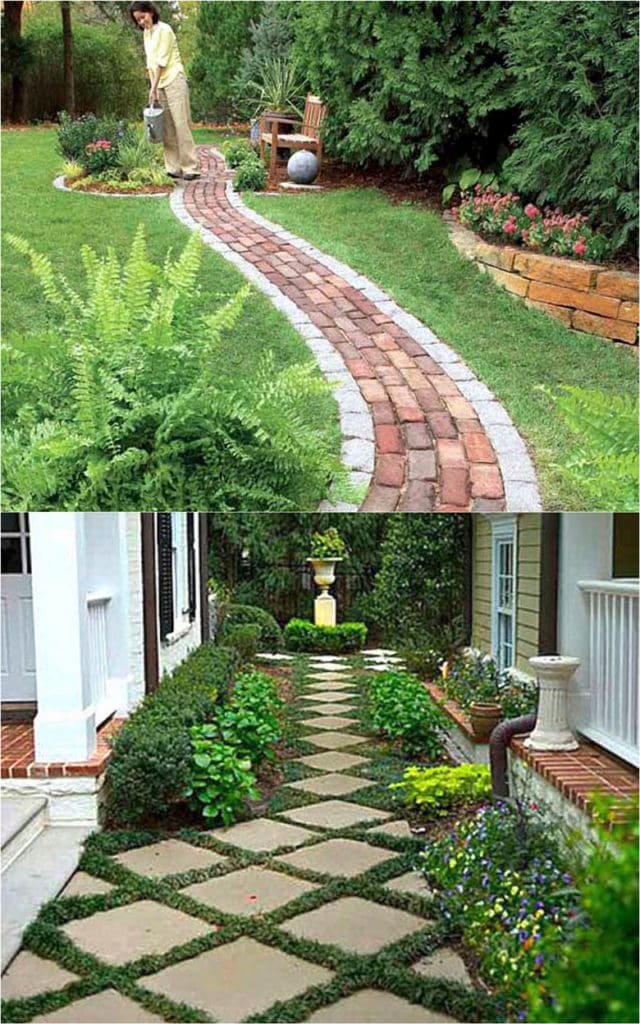

Ever notice how the world feels just a little bit louder these days? It’s not just the traffic or the notifications pinging on our phones. It’s the clutter. Visual noise. We look out our windows and see chaos—overgrown beds, muddy patches after a rainstorm, or just bare, hard dirt that offers no invitation to linger. But what if the answer to that inner restlessness wasn’t a vacation or a meditation app, but something right under your feet?
There is a profound, almost primal calm that comes from walking a path that feels intentional. Not paved over with cold concrete, but soft, natural, and forgiving. Creating a trail using simple mulch and strategically placed stepping stones isn’t just about landscaping. It’s about carving out a space for your mind to breathe. In 2026, as more of us seek refuge in our own backyards, this low-cost, high-impact approach has become a definitive way to bring tranquility home. It’s messy, it’s real, and it works.
The Psychology of the Winding Path
Why do we feel different when we walk on stone versus asphalt? It’s about pace. A sidewalk demands efficiency. You walk straight, you walk fast, you get there. A garden path, especially one made of irregular stepping stones, demands attention. You have to look down. You have to choose where to place your foot. This forced mindfulness slows your heart rate. It pulls you out of your head and into your body.
Recent design trends in 2025 and 2026 have leaned heavily into this concept of "mindful movement." Experts note that defining pathways through a garden encourages a meditative state. When you use natural materials like gravel, mulch, or stone, you aren’t just building a road; you are creating a sequence of experiences. The curve of the path hides what’s coming next, creating a sense of mystery and discovery. This isn’t accidental. It’s designed to keep you present.
Think about the last time you walked through a forest. You didn’t rush. You noticed the light filtering through the leaves. By bringing that same organic, imperfect structure into your yard, you replicate that feeling of escape. The path becomes a boundary between the "doing" world inside your house and the "being" world outside. It’s a threshold. And crossing it signals to your brain that it’s time to let go.
Choosing Your Materials: Earth Tones and Textures
Let’s talk about the stuff itself. Mulch isn’t just one thing. In the past, people grabbed whatever bag was cheapest. But today, the color and texture matter immensely for the vibe you’re trying to create. For instance, cypress mulch offers a lighter, golden hue that brightens up shady corners. Hardwood mulch is darker, richer, and provides a stark, elegant contrast to green foliage. Using both can add depth. It stops the ground from looking like a flat, monotonous blanket.
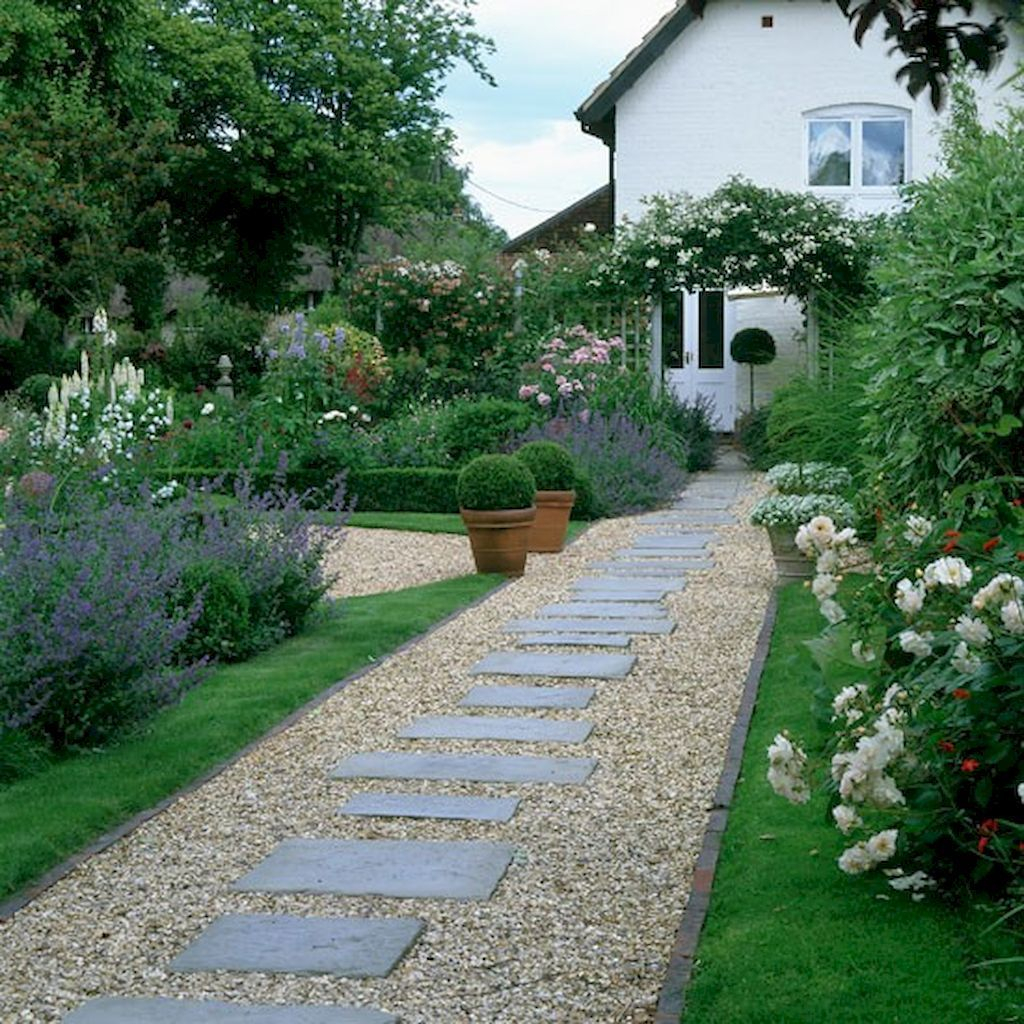
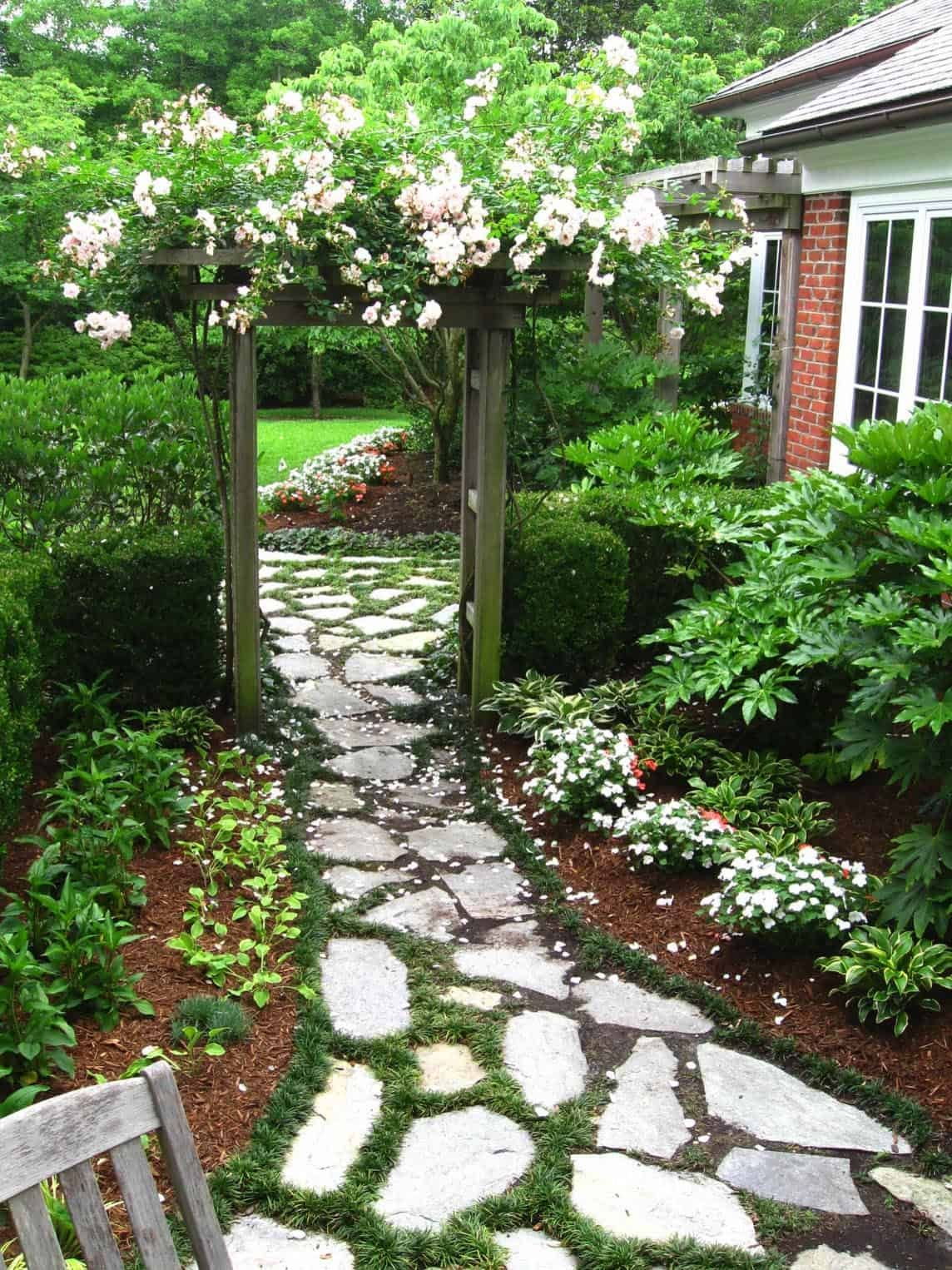
Then there are the stones. You don’t need expensive cut granite. Irregular gray slate, fieldstone, or even repurposed concrete pavers can work wonders. The key is the shape. Round stones often symbolize harmony and unity, enhancing a Zen-like atmosphere. Flat, irregular stones feel more wild and natural, hugging the earth rather than sitting on top of it. In 2026, the trend is moving away from perfect symmetry. We want things that look like they’ve been there forever.
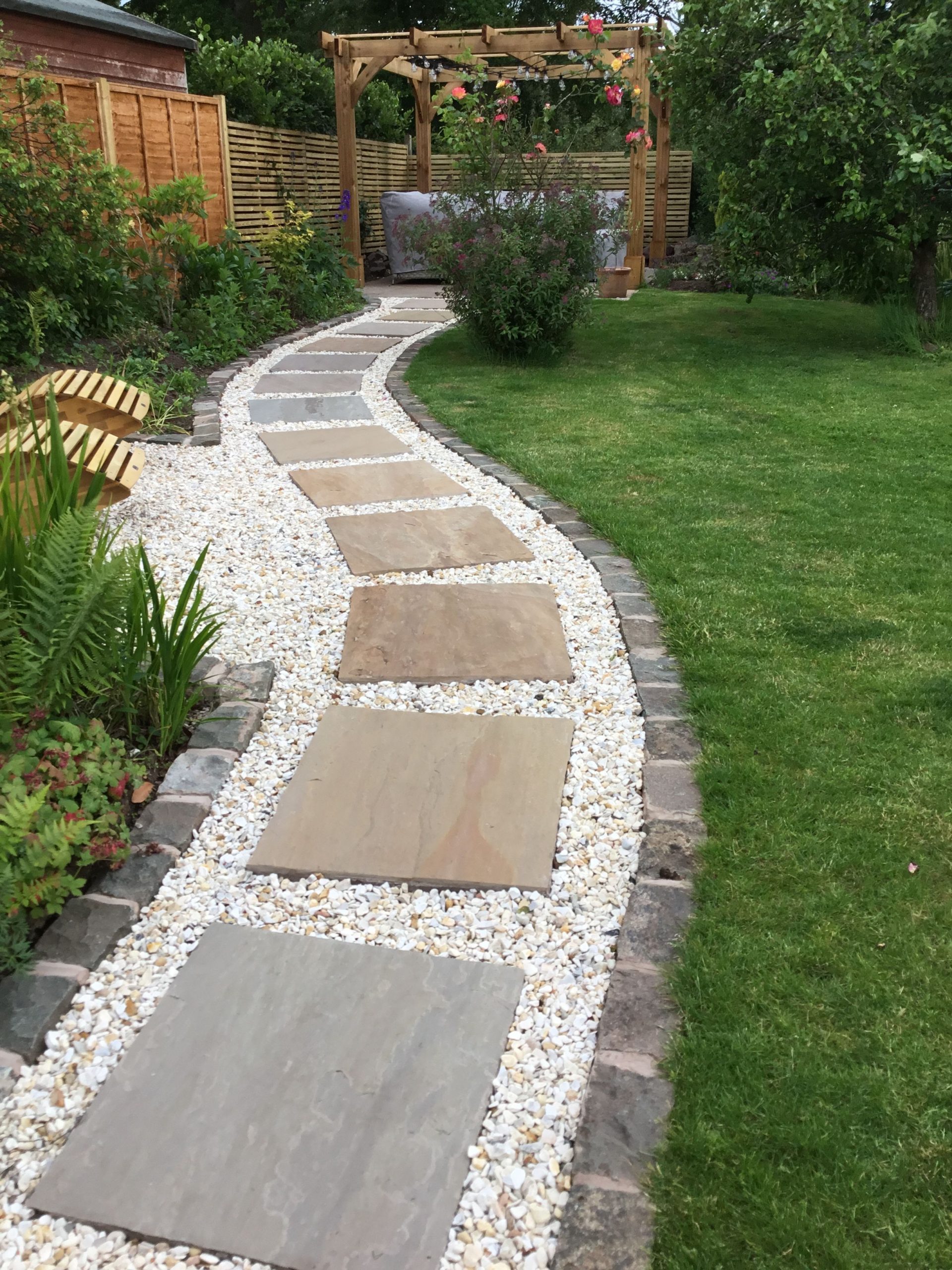
Consider the tactile experience too. Smooth river rocks feel cool and polished underfoot. Rougher flagstone provides grip and a sense of rugged permanence. When you combine these with the soft, spongy give of mulch, you create a sensory landscape. It’s not just visual. It’s about how the ground feels beneath your soles. This connection to the earth is grounding, literally and figuratively. Don’t be afraid to mix textures. A bed of white pebbles around a dark stone creates a striking, minimalist aesthetic that feels clean and serene.
Layout Strategies: Curves, Gaps, and Flow
Here is where most people mess up. They line the stones up like soldiers. Don’t do that. Nature doesn’t do straight lines, and neither should your path if you want it to feel peaceful. Start by laying out your stones without any adhesive or digging. Just place them on the grass or dirt. Step on them. Do they wobble? If they do, you need to dig a little deeper and add some sand or dirt underneath to stabilize them. A wobbly stone breaks the spell. It makes you anxious instead of relaxed.
The spacing is crucial. The gap between stones should match your natural stride. If you have to stretch or hop, it’s not relaxing. It’s an obstacle course. Aim for a distance that feels effortless. And please, let the path curve. A winding path takes longer to traverse, which is the point. It forces you to slow down. As noted in recent landscaping guides, a path that hugs a low moss-covered wall or curves through thick ferns looks infinitely more natural than a straight shot across the lawn.
Also, think about width. A meditation garden path doesn’t need to be wide enough for two people to walk abreast. In fact, narrower paths feel more intimate. They encourage single-file movement, which is inherently more contemplative. However, ensure it’s wide enough to walk comfortably without brushing against thorny bushes. The goal is ease. If the layout fights you, you won’t use it. And if you don’t use it, it can’t heal you.
The Role of Mulch in Mud Control and Aesthetics
Let’s be practical for a second. One of the biggest complaints about garden paths is mud. Especially in places with heavy spring rains, like parts of New England, a dirt path turns into a swamp. This is where mulch shines. It acts as a sponge. It absorbs moisture and keeps the surface walkable. Implementing a mulch and stepping stone walkway is an excellent strategy to maintain cleanliness. It prevents mud from tracking into your home, which is a small victory that brings disproportionate peace of mind.
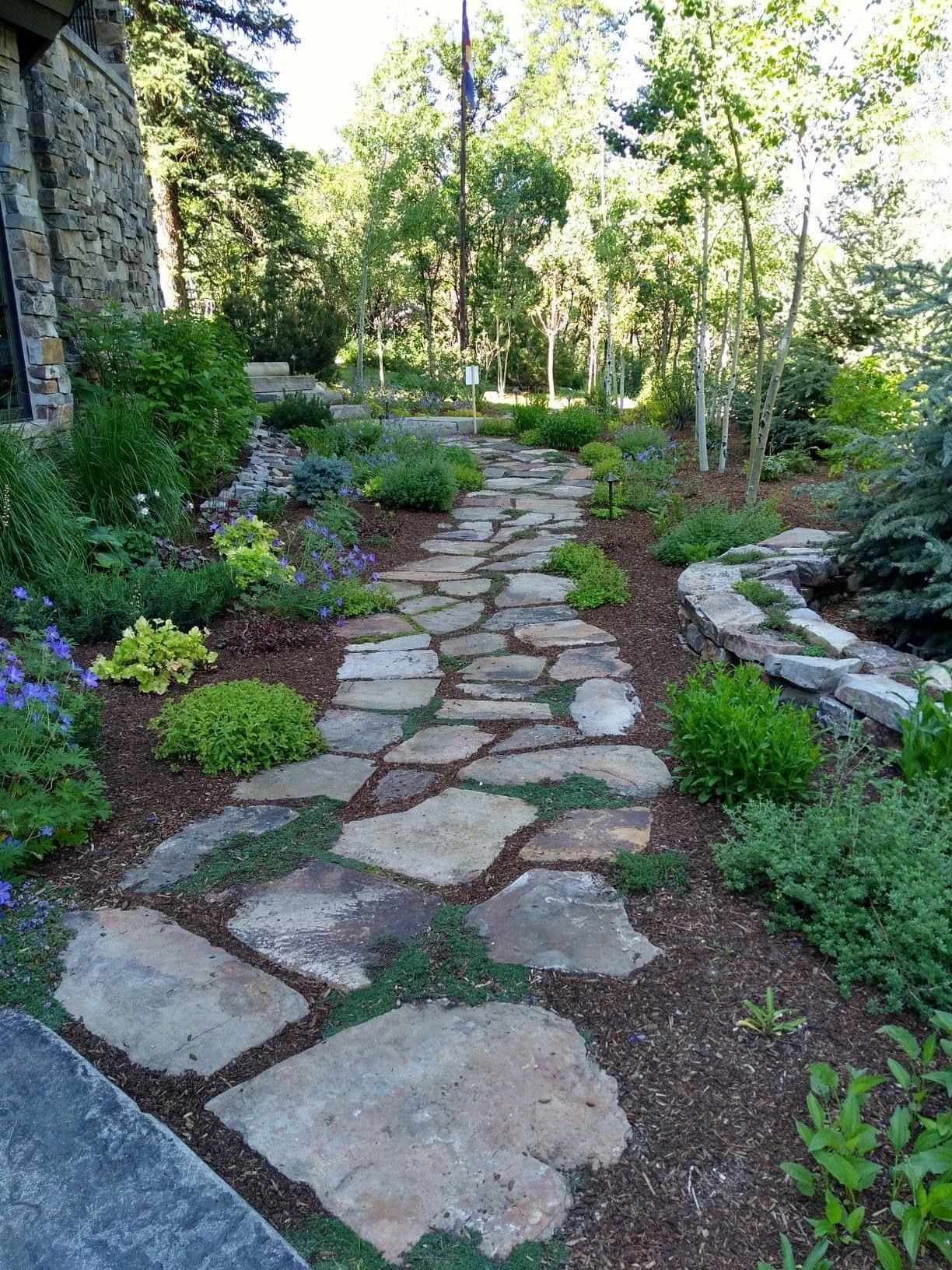
But beyond utility, mulch frames the stones. It acts as the negative space in a painting. Without it, the stones just look like they were dropped randomly. With a deep, consistent layer of mulch (aim for 2-3 inches), the stones pop. They become intentional features. The dark backdrop of hardwood mulch makes the green of surrounding plants vibrate with life. It adds a much-needed color contrast to areas that might otherwise look barren or tired.
Maintenance is part of the ritual. Mulch breaks down. It needs replenishing. Instead of viewing this as a chore, view it as tending to your sanctuary. Every spring, adding a fresh layer of mulch is like making your bed. It resets the space. It shows care. And that care reflects back on you. When you see a tidy, defined path, you feel a sense of order in your external world, which helps cultivate order in your internal world. It’s simple, but it’s powerful.
Integrating Native Plants for a Living Mosaic
A path doesn’t exist in a vacuum. It’s surrounded by life. To truly enhance the tranquility, you need to soften the edges. Hard lines between mulch and lawn can feel rigid. Instead, let native wildflowers or low-growing perennials spill over the edges. By sowing a mix of native plants along the sides, you create a living mosaic that changes with the seasons. This isn’t just pretty; it supports local wildlife, connecting your small patch of peace to the larger ecosystem.
Imagine walking a path lined with ferns in the spring, transitioning to blooming coneflowers in summer, and ending with golden grasses in autumn. The path becomes a timeline of the year. It reminds you of the passage of time in a gentle, non-threatening way. In 2025 and 2026, there has been a huge surge in using native species for this exact purpose. They require less water, less care, and they look like they belong.
Don’t overcrowd the path, though. Leave breathing room. The mulch needs to be visible. Think of the plants as accents, not the main event. A few clumps of hostas here, a patch of creeping thyme there. The scent of thyme underfoot when you step near the edge adds another layer to the experience. Smell is a powerful trigger for memory and emotion. Engaging all your senses makes the walk more immersive. It stops being just a walk and starts being an experience.
Maintenance as a Meditative Practice
We often think of garden maintenance as work. Chores. Something to get done so we can relax. But what if the maintenance was the relaxation? Pulling a few weeds from around a stepping stone is a focused, quiet activity. It requires attention to detail. It’s repetitive. These are the qualities of meditation. When you tend to your mulch trail, you are engaging in a act of care. You are saying, "This space matters."
Keep it simple. You don’t need heavy machinery. A rake, a shovel, and maybe a wheelbarrow. Check your stones occasionally. If one sinks, lift it and add more base material. If the mulch looks thin, top it off. These small acts keep the path functional and beautiful. They prevent the small problems from becoming big headaches. A well-maintained path invites you to walk it every day. A neglected one becomes an eyesore that you avoid.
This regular interaction with your space builds a relationship. You notice when the moss starts to grow on the north side of a stone. You notice which flowers come up first. You become attuned to the rhythms of your own little world. In a life that often feels out of control, this small patch of earth is yours. It responds to your care. It gives back peace. That exchange is the core of why we garden. It’s not about the perfect lawn. It’s about the connection.
So, where does this leave us? With a shovel, some bags of mulch, and a few stones. It sounds too simple to be transformative. But that’s the secret. Tranquility isn’t found in grand gestures or expensive renovations. It’s found in the small, intentional choices we make every day. Creating a mulch and stone path is a tangible step toward reclaiming your outdoor space as a place of rest. It’s affordable, it’s DIY-friendly, and it yields immediate results.
As you plan your own path, remember that imperfection is welcome. The stones don’t need to be uniform. The mulch doesn’t need to be perfectly level. Let it be organic. Let it evolve. Over time, the path will settle. Plants will grow. It will become more yours. And every time you walk it, you’ll feel that shift. The slowing down. The breathing. The quiet.
Start small. Maybe just a few steps from your back door. See how it feels. Add more later. The journey to a tranquil garden isn’t a race. It’s a stroll. And with every step on those steady stones, surrounded by the soft scent of mulch and the whisper of leaves, you’ll find that the peace you were looking for was waiting there all along. Just beneath your feet.