
Ever look out at a flat, boring stretch of green grass and wonder if your outdoor space could work a bit harder for you? You are definitely not alone. Traditional yards take a lot of work to keep neat, and they often leave us craving more color, life, and homegrown flavor.
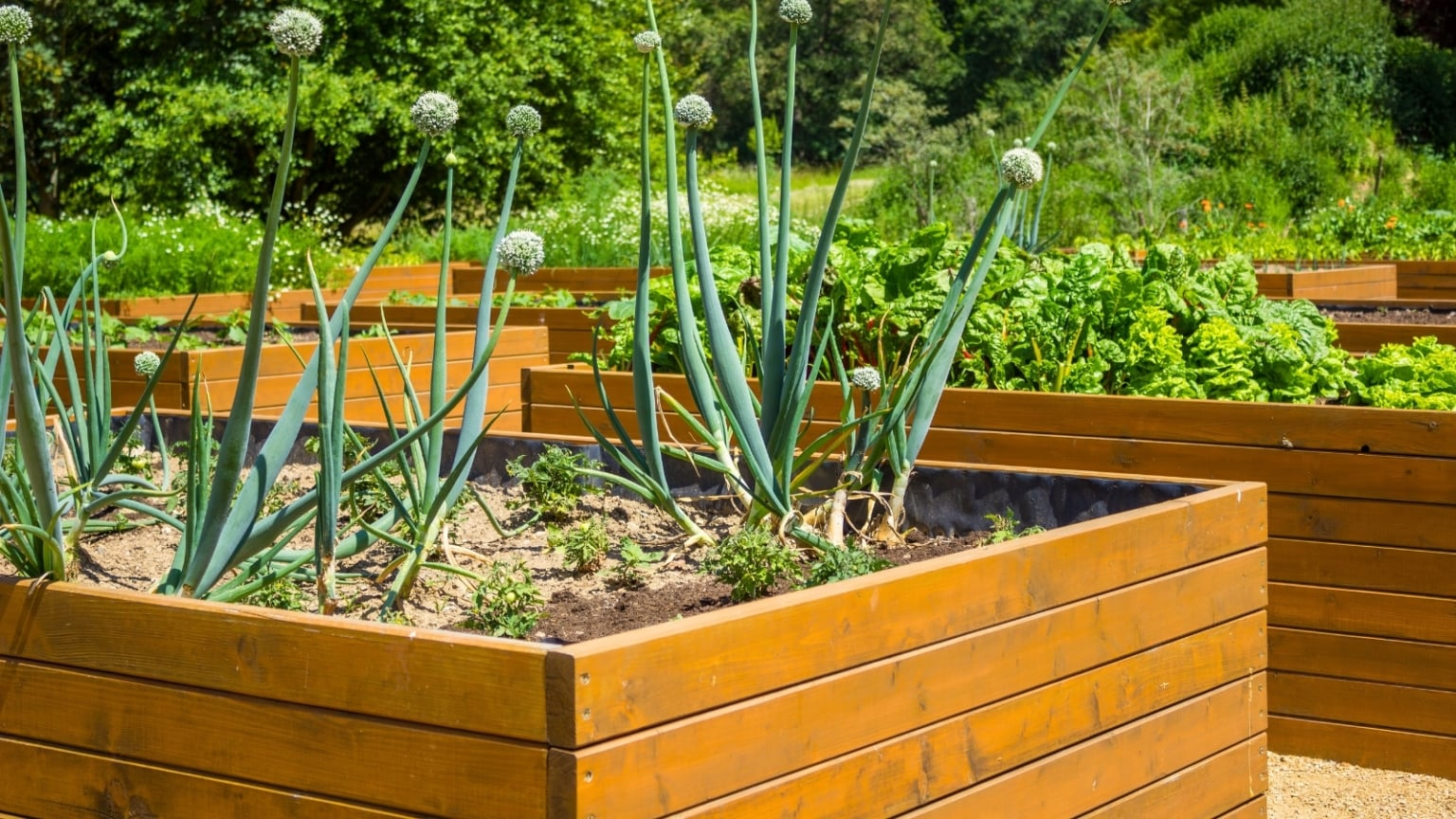
Changing how we view our outdoor spaces is becoming a huge trend this year in 2026. Instead of spending endless hours mowing a plain lawn, folks are tearing up turf to build smart, raised growing boxes. It is a total game changer for backyard farming and landscaping alike.
Why Flat Lawns Are Out
The standard grassy yard has ruled suburbia for decades, but it comes with hidden costs. Keeping that turf green requires tons of water, fertilizer, and weekend hours pushing a loud machine. Plus, flat ground makes it tough to grow vegetables because the soil gets packed down tight.
When you build up instead of planting flat, everything changes. Water drains better, roots breathe easier, and you never have to worry about accidentally stepping on your precious seedlings. It just makes practical sense for anyone wanting an easier gardening routine.
Designing Your New Layout
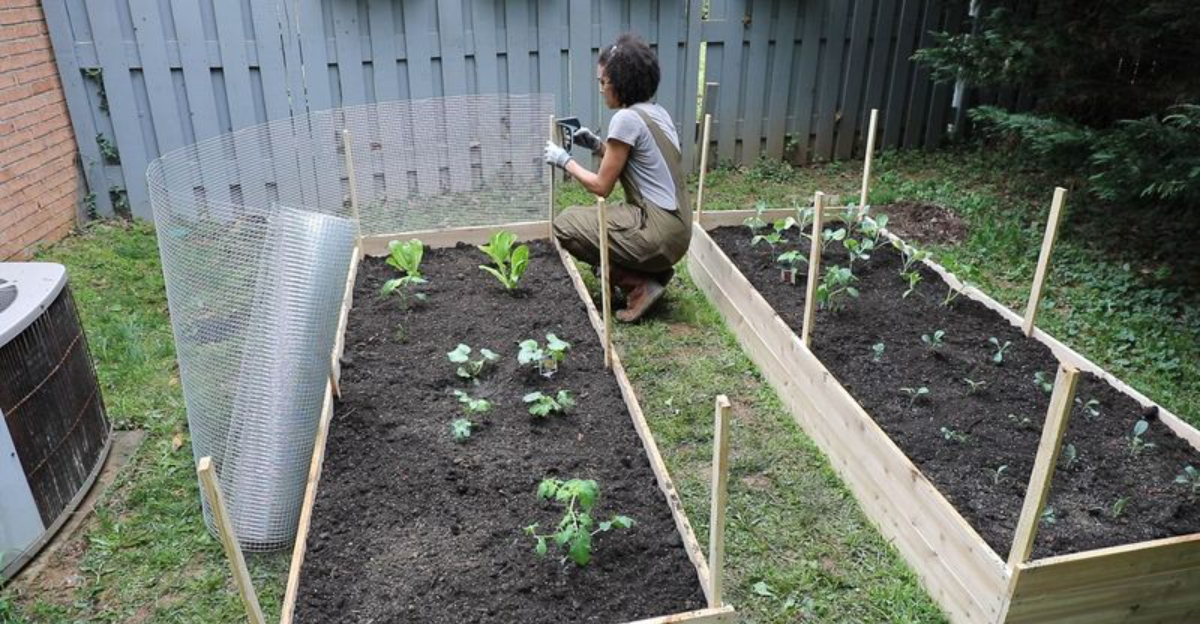
Laying out elevated frames across your yard takes a little planning. You want to make sure your boxes get plenty of sunshine throughout the day. Try arranging them in neat rows with wide walking paths between them so you can easily push a wheelbarrow or pull a cart.
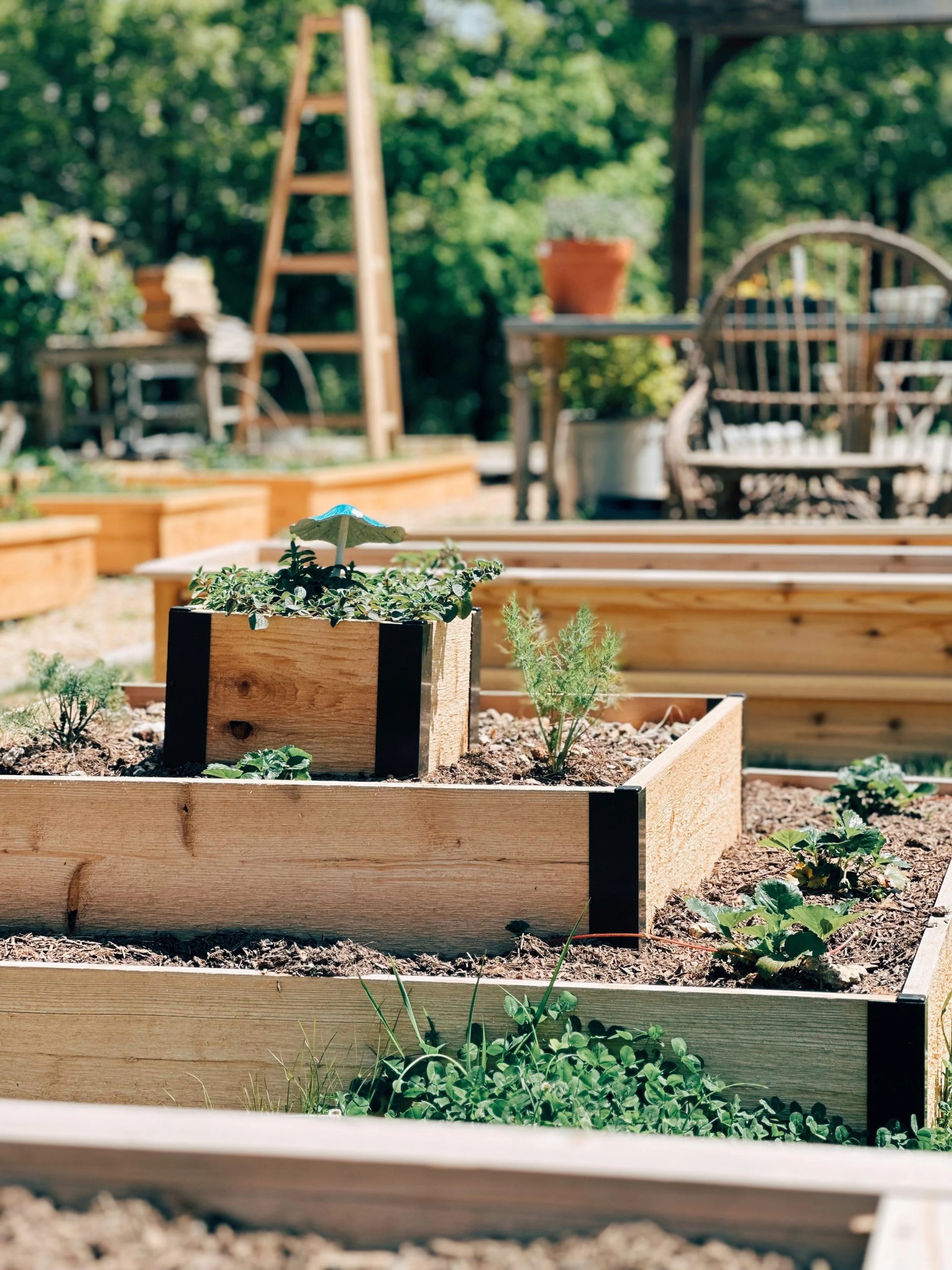
Do not feel pressured to stick to boring squares. Mixing up long rectangular beds with square corners or even circular plots adds wonderful visual depth. Your yard instantly goes from a dull green carpet to a dynamic, layered landscape.
Choosing the Best Materials
Building your frames does not require fancy tools or expensive lumber. Untreated cedar and redwood hold up wonderfully against rot, while galvanized metal troughs offer a sleek, modern look that lasts for years. Some gardeners even use stacked stone blocks for a rustic vibe.
Whatever material you pick, make sure it is safe for growing edible plants. Avoid old railroad ties or pressure-treated wood that might leach unwanted chemicals into your homegrown tomatoes and herbs. Keeping things natural ensures your harvest stays pure and healthy.
Filling and Enriching Your Soil
The secret sauce to any great raised setup is what goes inside the box. Since you are starting fresh, you get to build the ultimate custom soil blend. Layering twigs and leaves at the very bottom helps with drainage and adds organic matter over time.
Top that off with a rich mix of compost, topsoil, and peat moss or coconut coir. This fluffy concoction holds moisture while staying loose enough for delicate roots to spread out. Your plants will take off much faster than they ever would in hard native dirt.
Smart Planting Strategies
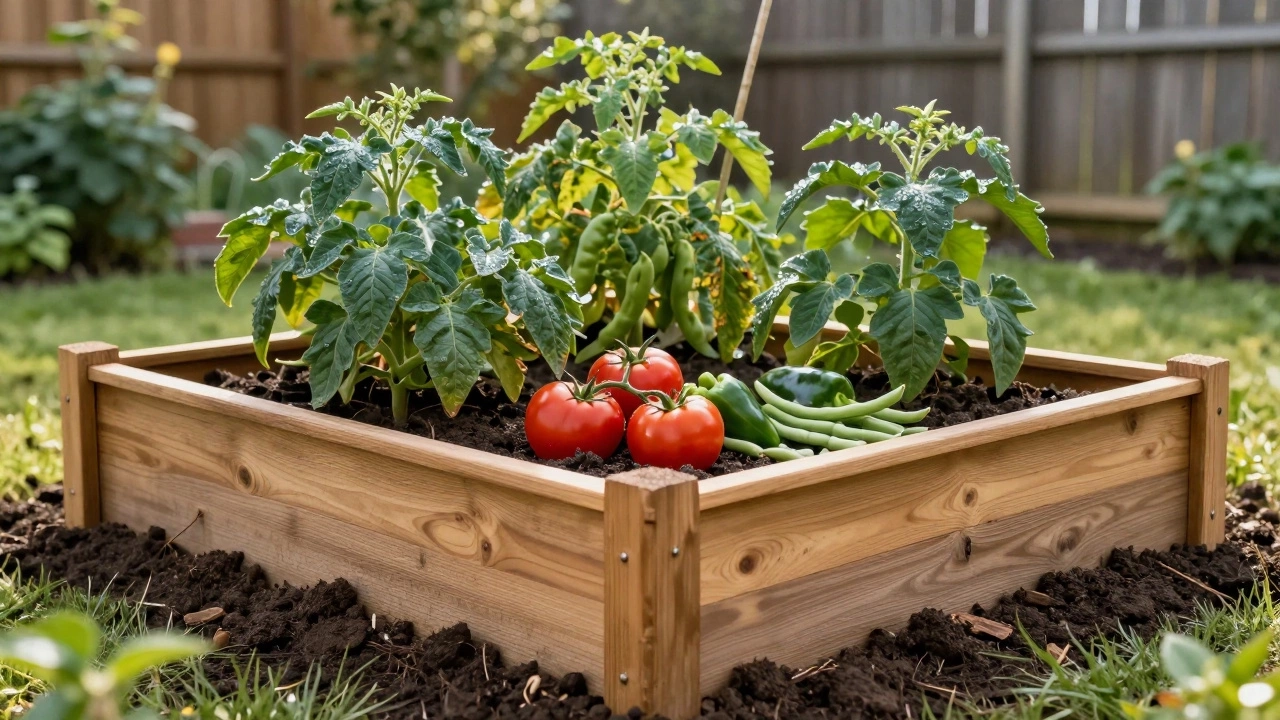
Maximizing your harvest means thinking about companion planting. Placing basil next to your tomatoes or marigolds near your peppers keeps pesky bugs away naturally. It is an old trick that works wonders in compact raised layouts.
Try staggering your planting schedule too. Once the spring lettuce finishes up, drop in some summer squash or autumn greens to keep the space productive. Rotating your crops keeps the earth healthy and your kitchen supplied with fresh veggies all season long.
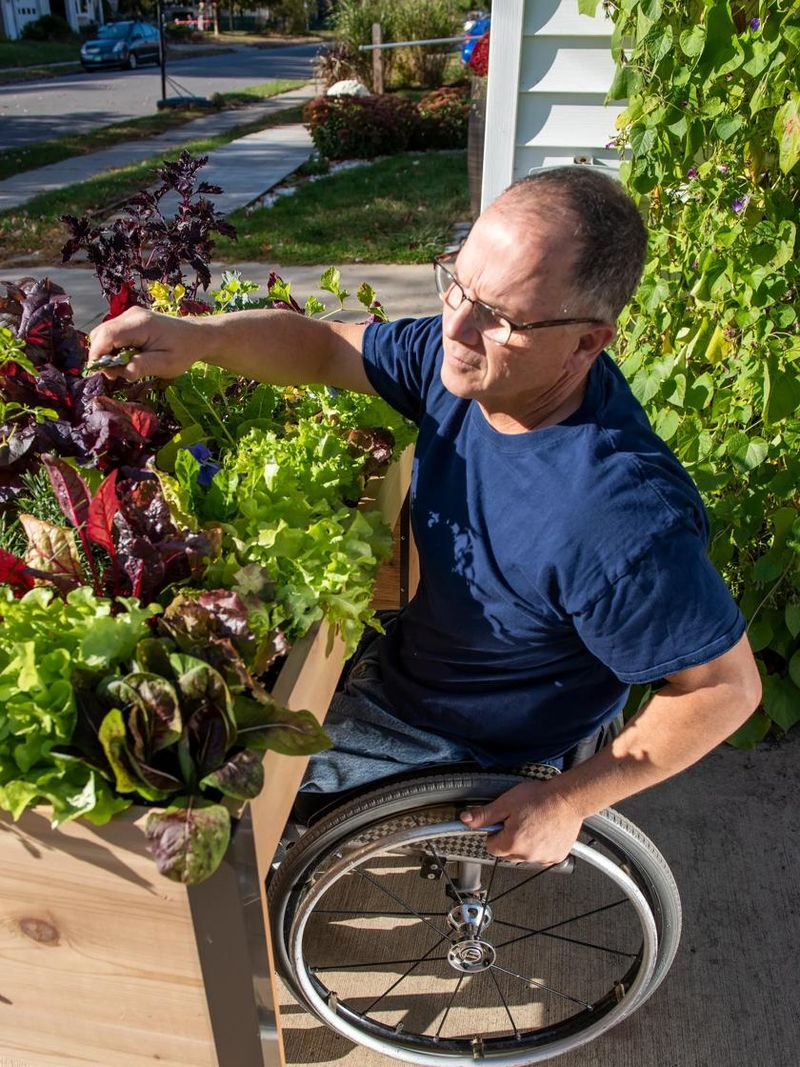
One of the best parts about elevated boxes is how easy they are on your back. No more kneeling in the dirt or dealing with endless backaches after a afternoon of weeding. The height brings the work right up to a comfortable level.
Mulching the top of your soil with straw or wood chips also cuts down on watering chores. It locks in moisture during hot summer weeks and stops weeds from sprouting. Less time weeding means more time actually enjoying your gorgeous outdoor sanctuary.
Stepping away from traditional lawn care opens up a whole new world of backyard possibilities. By building simple elevated plots, you save water, protect your back, and harvest fresh produce right outside your back door.
Give it a try this season and watch your yard transform into something truly special. A little bit of planning and some fresh soil are all you need to create a vibrant outdoor oasis that works for you.