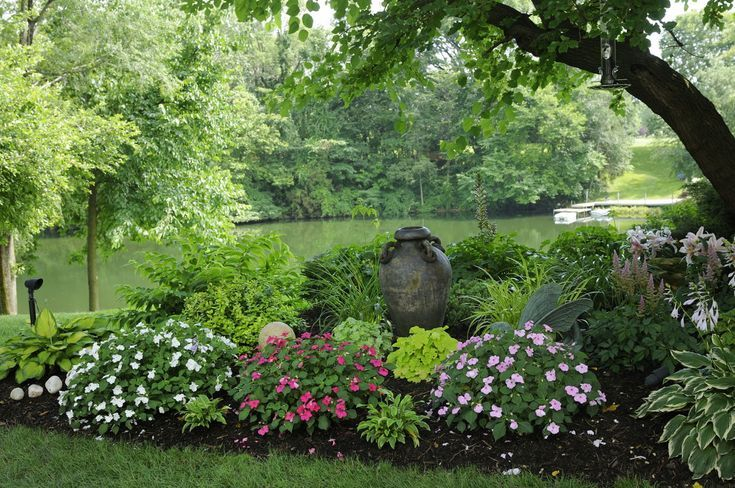

Let’s be honest. Life is loud right now. Between the endless pings on our phones, the commute, and just trying to keep dinner on the table, who actually has time to baby petunias? Not you. And certainly not me. We want outside spaces that feel like a breath of fresh air, not another item on the to-do list. You want a garden that looks good, smells nice, and maybe even brings in some butterflies, but doesn’t demand your every spare minute.
Good news. It’s 2026, and the gardening world has finally caught up with our busy lives. We aren’t fighting nature anymore; we’re working with it. The old way—fighting clay soil, watering daily, and stressing over a single brown leaf—is out. The new way is about choosing plants that are tough as nails and designing spaces that basically take care of themselves. Imagine stepping out onto your patio, coffee in hand, and seeing a vibrant, colorful landscape that hasn’t asked you for a drop of water in weeks. That’s not a dream. It’s just smart design.
This isn’t about giving up on beauty. It’s about redefining what a "good" garden looks like. It’s messy, it’s wild, and it’s alive. By picking the right players for your sunny stage, you can create a space that thrives on neglect. In fact, these plants often do better when you ignore them. Too much love, especially in the form of water and fertilizer, can actually kill them. So, let’s talk about how to build a garden that loves being left alone.
The Mindset Shift: Why Neglect is the New Care
For decades, we were told that a good gardener is one who is constantly doing something. Pruning, deadheading, watering, weeding. But recent shifts in horticultural science, particularly data from 2024 and 2025, show that native and adapted perennials require 50-70% less water than traditional garden plants once they are established. This is a huge deal. It means the more you step back, the stronger your garden becomes.
Think of it like this. When you coddle a plant, its roots stay lazy. They hang out near the surface where the water is easy. But when you withhold that constant attention, those roots have to dive deep into the soil to find moisture. This creates a plant that is drought-resistant and wind-proof. It’s survival of the fittest, but in your backyard. By embracing a "hands-off" approach, you are actually building a more resilient ecosystem.
This mindset also saves you money. With water bills rising in many parts of the country, cutting out the need for daily irrigation is a smart financial move. Plus, think of the time. If you aren’t dragging hoses around or trimming hedges every Saturday, what are you doing instead? Probably enjoying the garden. That’s the point. The goal isn’t to have a museum exhibit; it’s to have a living, breathing space that supports local wildlife and lowers your stress levels.
Choosing the Right Plants: The Tough Guys of the Garden
The secret sauce to a low-maintenance garden is plant selection. You can’t put a diva in a rough neighborhood and expect it to survive. You need plants that shrug off heat, humidity, and poor soil. In 2026, the top picks for full sun areas are still the classics, but with a focus on native varieties that support local pollinators. Let’s look at some heavy hitters.
First up, Sedum. These succulents are practically indestructible. They store water in their leaves, so they laugh at droughts. Varieties like ‘Autumn Joy’ provide structure and late-season color when everything else is fading. Then there’s Euphorbia. It’s architectural, weird, and wonderful. It doesn’t need much water and pests generally leave it alone. Salvia is another superstar. It blooms for months, attracts bees and hummingbirds, and if you forget to water it, it just gets tougher.
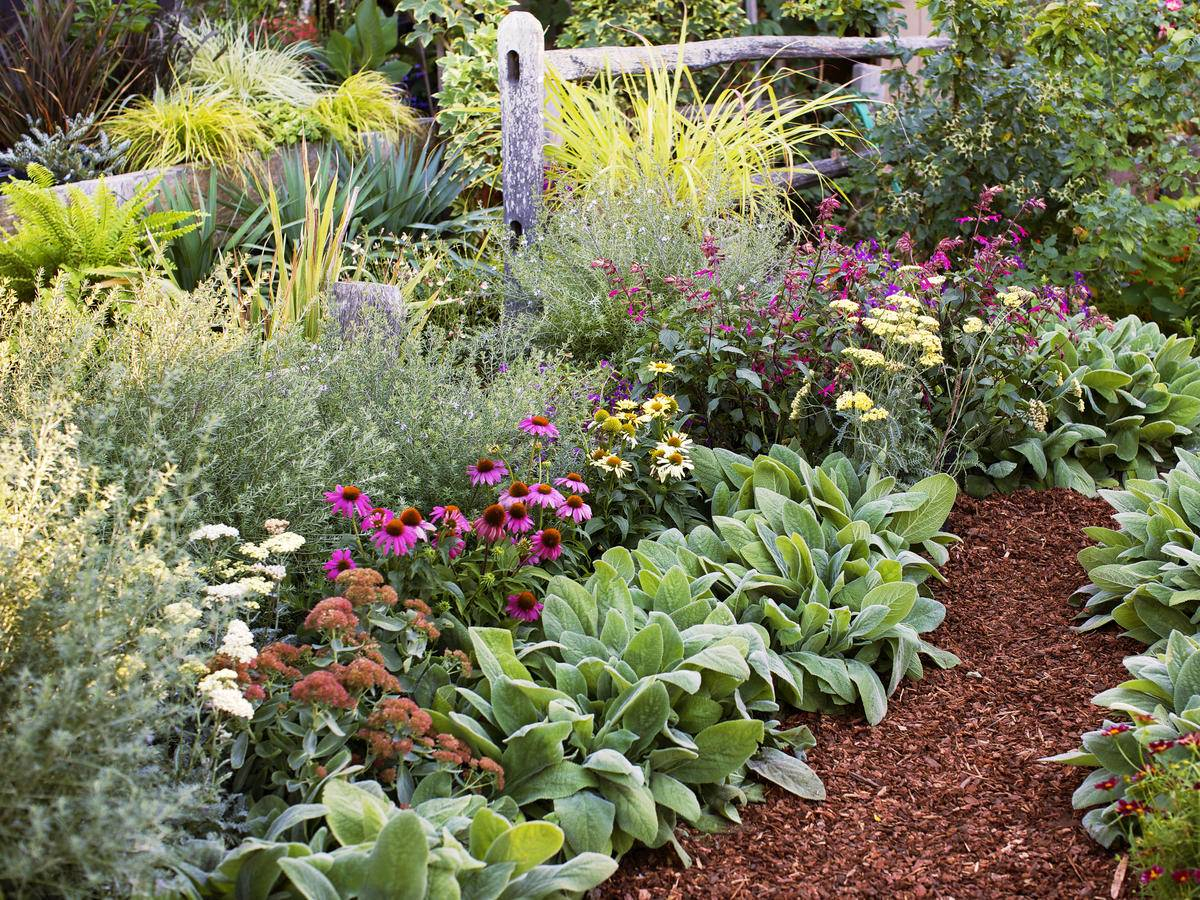
Don’t sleep on Coneflowers (Echinacea) and Black-eyed Susans (Rudbeckia). These are the workhorses of the sunny garden. They handle clay soil, which is common in places like Ohio and the Midwest, without complaining. Recent guides from regional experts highlight that these perennials thrive with minimal care, coming back year after year stronger than before. They self-seed, meaning you get free plants. Just let them go to seed in the fall, and next spring, you’ll have new babies popping up where you least expect them. It’s chaos, but the good kind.
Design Strategies: Grouping for Impact and Ease
Planting isn’t just about sticking things in the ground. It’s about composition. In a low-maintenance garden, we use a technique called "mass planting." Instead of buying one of this and one of that, you buy three, five, or seven of the same plant and group them together. Why? Because it looks better, and it’s easier to maintain. A big clump of Purple Coneflower makes a bold statement. A single one looks like a mistake.
Mass planting also helps with weed suppression. When plants grow together, their leaves touch, creating a canopy that shades the soil. Weeds need light to germinate. No light, no weeds. It’s simple physics. This reduces the amount of time you spend on your knees pulling invaders. Plus, when you water, you water the whole group efficiently, rather than trying to target individual sparse plants.
Another key strategy is layering. Think of your garden in three dimensions. You need tall plants in the back (or center, if it’s an island bed), medium plants in the middle, and groundcovers in the front. Groundcovers like Creeping Thyme or Sedum act as living mulch. They cover the bare earth, keeping moisture in and weeds out. This layered approach creates a lush, full look that feels intentional, even if it’s growing wildly. It mimics how plants grow in nature, in communities, not in isolation.
Soil and Mulch: The Foundation of Laziness
You can have the best plants in the world, but if your soil is dead dirt, you’re going to struggle. Healthy soil is the engine of a low-maintenance garden. In 2026, the focus is on building soil health upfront so you don’t have to fix it later. If you have heavy clay, like many gardeners in the Buckeye State, don’t fight it. Amend it with compost once, heavily, before planting. Then, let the plants’ roots do the work of breaking it up over time.
Mulch is your best friend. But not just any mulch. Organic mulch, like shredded bark or leaf mold, breaks down over time and feeds the soil. Apply a two-to-three-inch layer around your plants. This keeps the soil cool, retains moisture, and stops weeds from sprouting. It’s like putting a blanket on your garden beds. In the first year, you might need to top it up. After that, as the plants fill in, you’ll rarely need to add more.
Avoid rock mulch in full sun areas if you can. Rocks absorb heat and can bake the roots of your plants, making them thirstier. Organic mulch breathes. It allows water to penetrate easily and encourages earthworms and beneficial microbes. These little guys are the unseen workforce of your garden, aerating the soil and recycling nutrients. Let them do their job, and you can keep your hands clean.
Watering Wisely: Setting It and Forgetting It
The biggest myth about low-maintenance gardens is that they never need water. They do, but only at the beginning. The first season is critical. You need to water your new plants regularly to help them establish their root systems. This is the "investment" phase. Once those roots go deep, usually by the second year, you can largely walk away.
If you must water, do it smartly. Drip irrigation or soaker hoses are far better than sprinklers. They deliver water directly to the roots, where it’s needed, and minimize evaporation. Set them on a timer for early morning, and you’re done. But honestly, in a well-designed neglect garden, even this might be overkill. Rain barrels are a great addition too. Capturing rainwater is free, and plants prefer it because it’s devoid of chlorine and other chemicals found in tap water.
Pay attention to the weather, not the calendar. Just because it’s Tuesday doesn’t mean you need to water. Stick your finger in the soil. Is it dry an inch down? Then water. Is it damp? Walk away. Overwatering is the number one killer of drought-tolerant plants. They rot. They get fungal diseases. They get weak. Letting them dry out between drinks makes them hardy. It’s tough love, but it works.
So, what do you actually do in this garden? Not much. But there are a few key moments. In early spring, before new growth starts, cut back the dead stalks of your perennials. This tidies things up and makes room for the new shoots. Leave the seed heads on during winter, though. Birds eat the seeds, and the hollow stems provide shelter for beneficial insects. It’s ecological gardening 101.
Mid-summer might require a tiny bit of deadheading if you want to encourage more blooms, but many modern varieties are "self-cleaning." They drop their old flowers and keep blooming without your help. If you’re okay with a slightly messier look, just leave them. The garden will still look vibrant. And if a plant gets too big? Cut it back. Or divide it. Many perennials, like Daylilies and Hostas (in partial sun), can be dug up, split, and replanted. It’s free landscaping.
Fall is for leaving things alone. Resist the urge to clean up every leaf. Those leaves are insulation for your plants’ roots and food for the soil. Let nature do its thing. The only real "chore" is enjoying the change of seasons. Watch the colors shift. Watch the birds arrive. Your garden is a habitat, not just a decoration. By doing less, you allow the complex web of life to flourish. It’s a small act, but it matters.
Creating a garden that thrives on neglect isn’t about laziness. It’s about intelligence. It’s about understanding that nature knows what it’s doing. By choosing the right plants, preparing the soil, and stepping back, you create a space that is not only beautiful but also sustainable. In 2026, this is the gold standard. It’s a garden that gives back more than it takes.
So, go ahead. Put down the hose. Step away from the pruners. Trust the process. Your garden will thank you, and so will your schedule. You’ll find that the less you interfere, the more life bursts forth. It’s a liberating feeling. And honestly, isn’t that what we’re all looking for? A little bit of wild beauty, right outside our door, asking for nothing but space to grow.