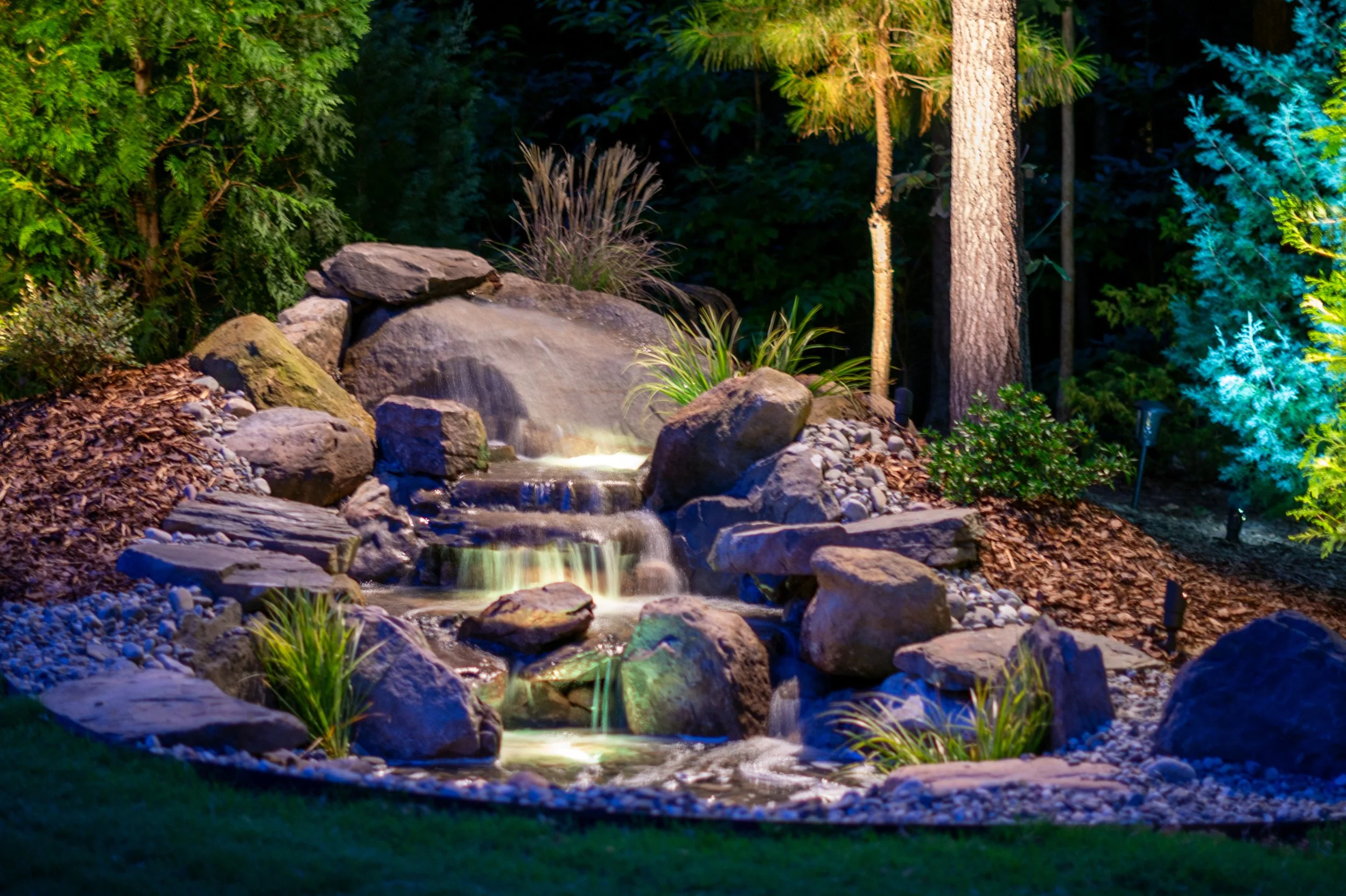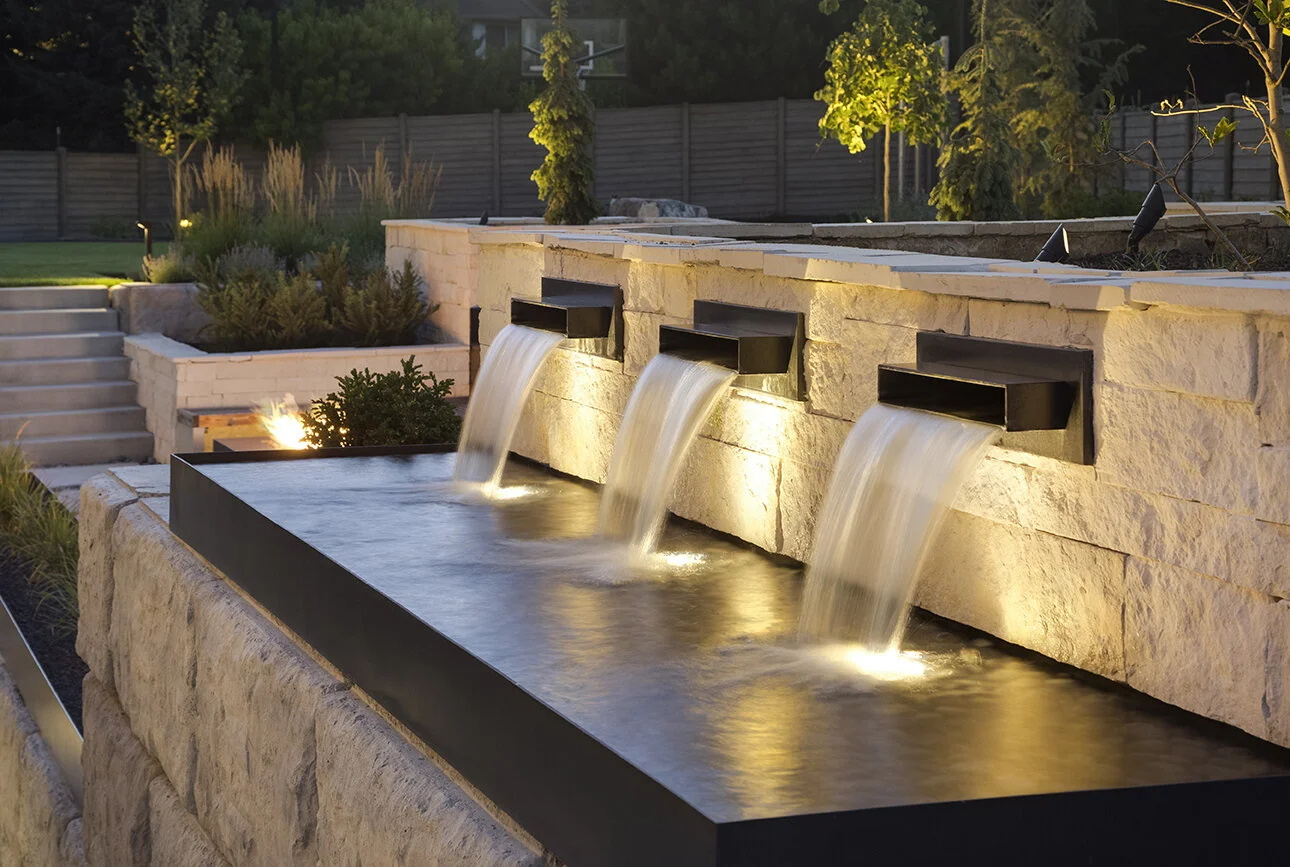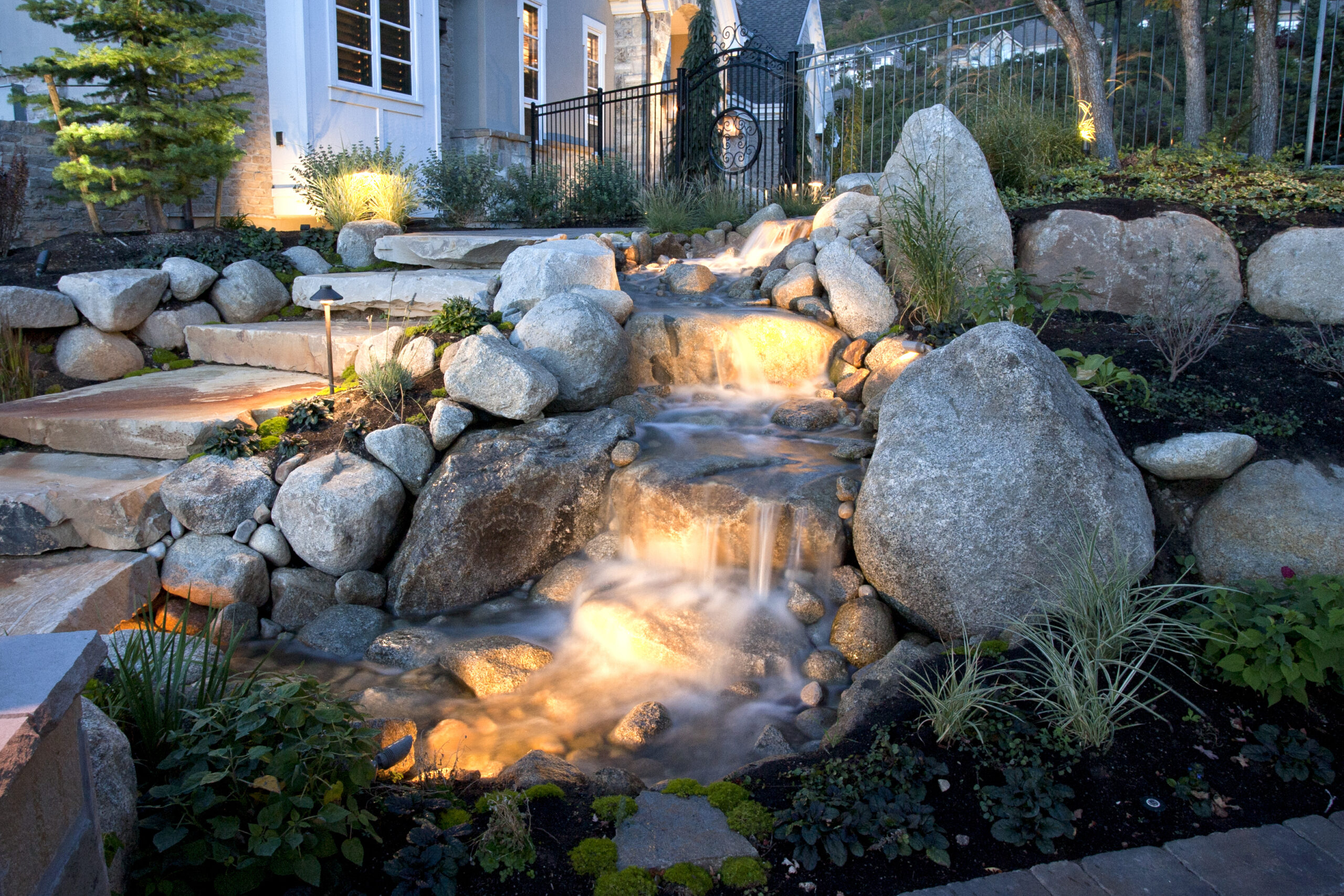

You’ve seen it on Pinterest. That perfect, moss-covered stone basin trickling water into a bed of ferns. It looks so peaceful. So easy. You think, "I can do that this weekend." So you buy a pump, grab some rocks from the hardware store, and spend Saturday afternoon wrestling with PVC pipe. By Sunday evening, you’re standing in a puddle of mud, listening to a pump that sounds like a dying helicopter, wondering where it all went wrong.
It happens. More often than you’d think. In 2026, with so many tutorial videos promising a "one-hour install," we forget that water is heavy, messy, and relentless. It finds every crack. It amplifies every mistake. But here’s the good news: building a fountain isn’t rocket science. It’s just plumbing with better aesthetics. And most of the disasters I’ve seen over the years come down to the same few oversights.
Let’s talk about how to get it right. Not just functional, but beautiful. The kind of feature that makes your neighbors pause on their evening walk and sigh. We’re going to walk through the traps that catch beginners, so you can skip the frustration and get straight to the zen part.
Ignoring the Sound Profile Before You Buy
Most people shop for fountains with their eyes. They look at the shape, the material, the color. That’s fine, but you live with a fountain with your ears. A fountain that looks like a serene Japanese garden but sounds like a coffee grinder is not a fountain. It’s a nuisance. And once it’s installed, changing the sound is hard.
The height of the water drop matters more than you realize. A high, thin stream hitting a shallow pool creates a sharp, splashing noise. It’s exciting for a minute, then annoying. A low, wide spill over a rough stone creates a soft, bubbling hum. That’s the sound you want for relaxation. If you’re putting this near a patio where you’ll be talking or reading, go for the gentle spill. Save the dramatic jets for the center of a large lawn where the sound can dissipate.
Also, consider the wind. If you live in a breezy area, a tall, slender spray will get blown sideways, wasting water and making a mess on your deck. In 2026, smart pumps are more common, allowing you to adjust flow rates via an app. This is a game-changer. You can turn the volume down when the wind picks up or when you’re hosting a dinner party. Don’t skip this feature if your budget allows. It saves you from having to manually tweak valves every time the weather changes.
Skimping on the Foundation and Leveling
Here is a hard truth: water always finds the lowest point. If your fountain basin isn’t perfectly level, the water will pool on one side. It looks sloppy. Worse, if the pump intake is on the high side, it will suck air instead of water. That causes the pump to overheat and burn out. Fast. I’ve seen $200 pumps die in a week because the installer didn’t use a spirit level.
Don’t just dig a hole and drop the basin in. You need a solid, flat base. Sand shifts. Dirt settles. Use a layer of compacted gravel, then a layer of sand, and check it with a level in multiple directions. Not just left-to-right, but front-to-back and diagonally. It feels pedantic. It is. But it’s the difference between a fountain that works for ten years and one that fails by next spring.
If you’re using a pre-formed resin or fiberglass basin, be careful not to rest it on sharp rocks. One pressure point can crack the shell over winter when the ground freezes and thaws. Create a smooth bed. For larger, custom-built fountains using liner, the stakes are even higher. A tiny tear in the liner means a slow leak that drains your water bill and kills your plants. Take the extra hour to get the base right. Your future self will thank you.
Choosing the Wrong Pump for the Job
Pumps are the heart of your fountain. And just like a human heart, if it’s too weak, the system fails. If it’s too strong, it causes damage. The biggest mistake here is guessing. People look at the box, see "1000 GPH" (gallons per hour), and assume that’s enough. But that rating is for zero lift. As soon as you push water up a pipe, the power drops.
You need to calculate the "head height." That’s the vertical distance from the pump to the top of the spout. Then, check the pump’s performance chart. Most manufacturers provide a graph showing how flow rate decreases as height increases. If your spout is three feet up, a pump rated for 1000 GPH might only deliver 400 GPH at that height. If your design needs 500 GPH to look good, you’ve got a problem. The water will trickle pathetically instead of flowing.
And don’t forget about debris. Outdoor fountains collect leaves, pollen, and bug parts. In 2026, many new pumps come with built-in pre-filters, but they clog fast. Choose a pump with an external filter box or a large intake screen that’s easy to clean. If you have to dismantle the entire fountain to clean the pump intake, you won’t do it. And then the pump will clog. And then it will burn out. Make maintenance easy, or it won’t happen.
Neglecting Water Quality and Algae Control
Clear water is pretty. Green slime is not. Yet, almost every first-time builder ignores water chemistry until it’s too late. Sunlight hits standing water. Algae grows. It clogs the pump. It stains the stone. It smells bad. You can scrub it, but prevention is way easier.
First, shade helps. If you can position the fountain under a tree or an awning, you reduce algae growth significantly. But you can’t always control the sun. So, you need to treat the water. Avoid bleach. It damages pumps and harms any plants or wildlife nearby. Instead, use a fountain-specific algaecide or barley straw extract. These are safe for birds and pets and keep the water clear without harsh chemicals.
Also, consider a UV clarifier. These are small units that sit in line with your plumbing. They zap algae spores with ultraviolet light before they can bloom. It’s like a sunscreen for your water. In recent years, these have become cheap and energy-efficient. Adding one costs maybe fifty bucks but saves you hours of scrubbing. If you’re building a koi pond-style fountain, this is non-negotiable. Fish waste feeds algae. Without a clarifier, you’ll have pea soup in a month.
Overlooking Electrical Safety and Access
Water and electricity don’t mix. We know this. But in the excitement of building, people cut corners. They use indoor extension cords. They leave connections exposed. They bury wires without conduit. This is dangerous. And in many places, it’s against code. If you’re plugging into an outdoor outlet, make sure it’s a GFCI (Ground Fault Circuit Interrupter). This trips the breaker if any current leaks, preventing shock.
But think about access, too. You will need to unplug this thing. Maybe to clean it. Maybe to winterize it. If you bury the cord under a pile of heavy rocks, you’re creating a nightmare for yourself. Leave a service loop. A little slack in the cord near the plug, coiled neatly and protected from rain. Use waterproof connectors if you have to splice anything. Heat-shrink tubing with sealant is your friend here.
And if you’re running power from far away, voltage drop becomes an issue. Long, thin cords lose power. Your pump might run slow or hot. Use a heavy-gauge outdoor-rated cord. Or better yet, hire an electrician to install a dedicated low-voltage line. Low-voltage systems (12V or 24V) are safer and often more efficient for small fountains. They use less energy and pose minimal shock risk. It’s a smarter, safer route for DIYers who aren’t comfortable with high-voltage wiring.
You built it. It looks great. You forget about it. Then winter comes. Water freezes. Ice expands. It cracks your pump. It splits your pipes. It shatters your ceramic basin. I’ve seen beautiful fountains turned into piles of shards because the owner didn’t drain them.
In colder climates, you must winterize. This means draining all the water. Removing the pump and storing it indoors in a bucket of water (so the seals don’t dry out). Covering the basin to keep rain and snow out. If you can’t remove the pump, use a submersible heater or air bubbler to keep the water moving, but this is risky and uses energy. Better to just shut it down.
But maintenance isn’t just for winter. Check the water level weekly. Evaporation happens faster than you think. If the water level drops below the pump intake, the pump runs dry and dies. Top it off. Clean the filter monthly. Wipe down the stones to prevent mineral buildup. It’s not much work. Ten minutes a month. But if you skip it, you’re looking at costly repairs or replacements. Treat your fountain like a pet. It needs a little care to stay happy.
So, there you have it. The pitfalls are real, but they’re avoidable. Plan for sound. Level your base. Size your pump correctly. Keep the water clean. Wire it safely. And winterize it properly. Do these things, and you won’t just have a fountain. You’ll have a sanctuary. A place to sit, breathe, and listen to the water. And that’s worth getting right.