
Have you ever stood in your backyard on a scorching July afternoon, hose in hand, watching water pool on the pavement while your grass still looks brown and crispy? It feels like a losing battle. For decades, we’ve been told that a “good” yard is a flat, green carpet of monoculture grass. But something is shifting. Quietly. Slowly. And it’s happening in front yards across the country.
People are tired of the mowing. They’re tired of the chemical smell after a fertilizer truck rolls by. Most importantly, they’re waking up to the fact that our traditional lawns are ecological dead zones. In 2026, the conversation isn’t just about saving money on water bills—though that helps—it’s about reconnecting with the land beneath our feet. It’s about letting nature do the heavy lifting.
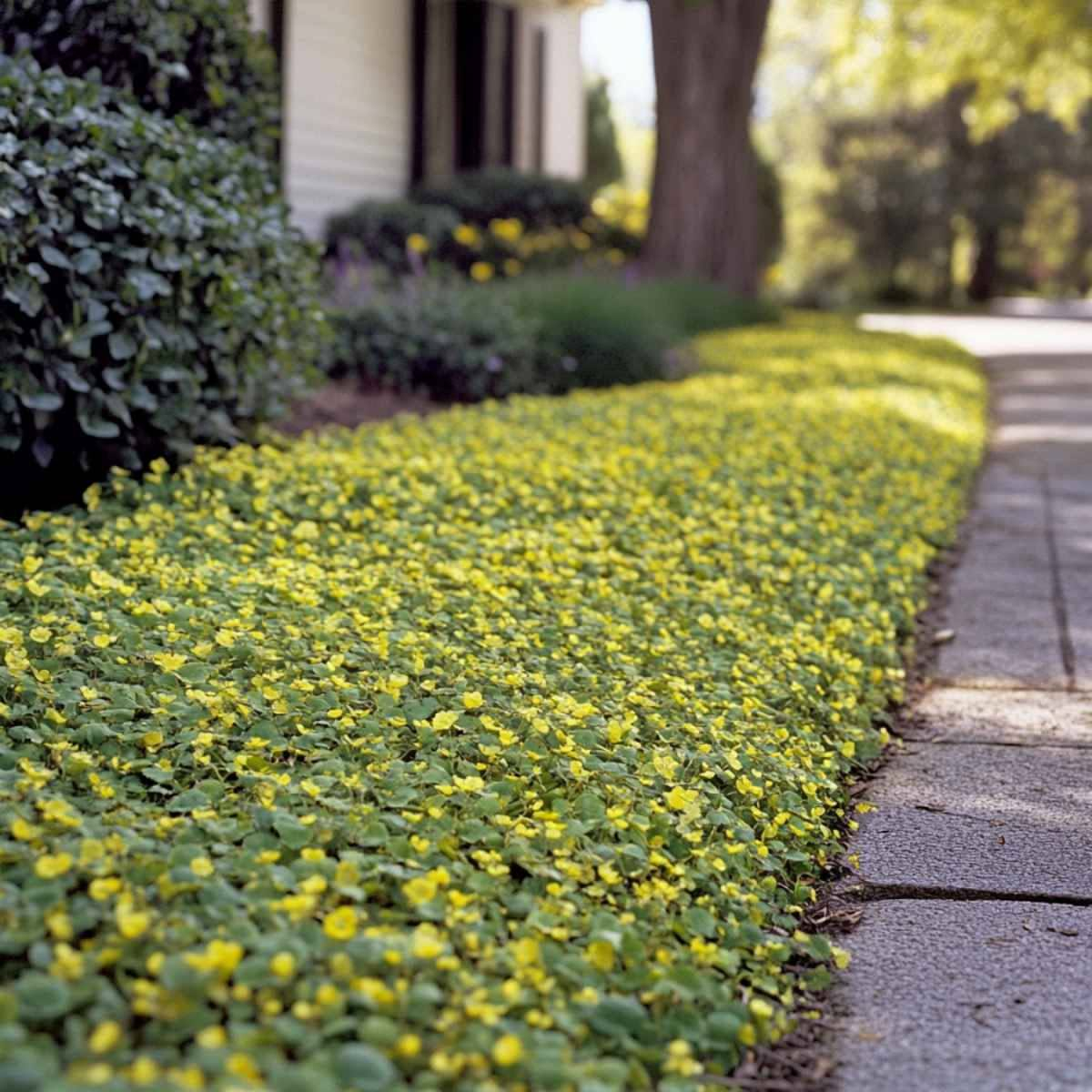
This isn’t about letting your yard go wild and untidy. It’s about intentionality. It’s swapping out high-maintenance turf for plants that actually want to be there. Native ground covers are tough, resilient, and beautiful in ways grass never could be. They bloom, they change with the seasons, and they invite life back into our suburbs. If you’ve been thinking about making the switch, or if you’re just curious why your neighbor stopped mowing, you’re in the right place. Let’s dig in.
The Hidden Cost of the Perfect Lawn
We need to talk about what that perfect green square actually costs us. It’s not just the price of gas for the mower or the weekly landscaping fee. The environmental toll is staggering. Traditional turf grass is one of the largest irrigated crops in the United States. Think about that. We use more water on our ornamental lawns than we do on all the wheat, corn, and cotton combined in some regions. In an era where droughts are becoming more frequent and severe, pouring potable water onto a plant that offers no food for pollinators feels increasingly hard to justify.
Then there’s the chemical load. To keep non-native grass species looking pristine, we dump millions of pounds of fertilizers and pesticides onto our soil every year. These chemicals don’t just stay in the yard. They run off into storm drains, ending up in local streams and rivers, causing algal blooms and harming aquatic life. It’s a cycle of dependency. The grass gets weak because it’s not suited for the local climate, so we feed it more chemicals, which kills the soil biology, making the grass even weaker. It’s a trap.
But beyond the stats, there’s the human cost. How many weekends have you lost to push-mowing? How much noise pollution do we tolerate from leaf blowers and mowers on Saturday mornings? The "perfect lawn" demands constant attention. It’s a job that never ends. By contrast, native ground covers are designed by evolution to thrive in your specific region. They don’t need weekly haircuts. They don’t need synthetic food. They just need a chance to grow.
What Exactly Are Native Ground Covers?
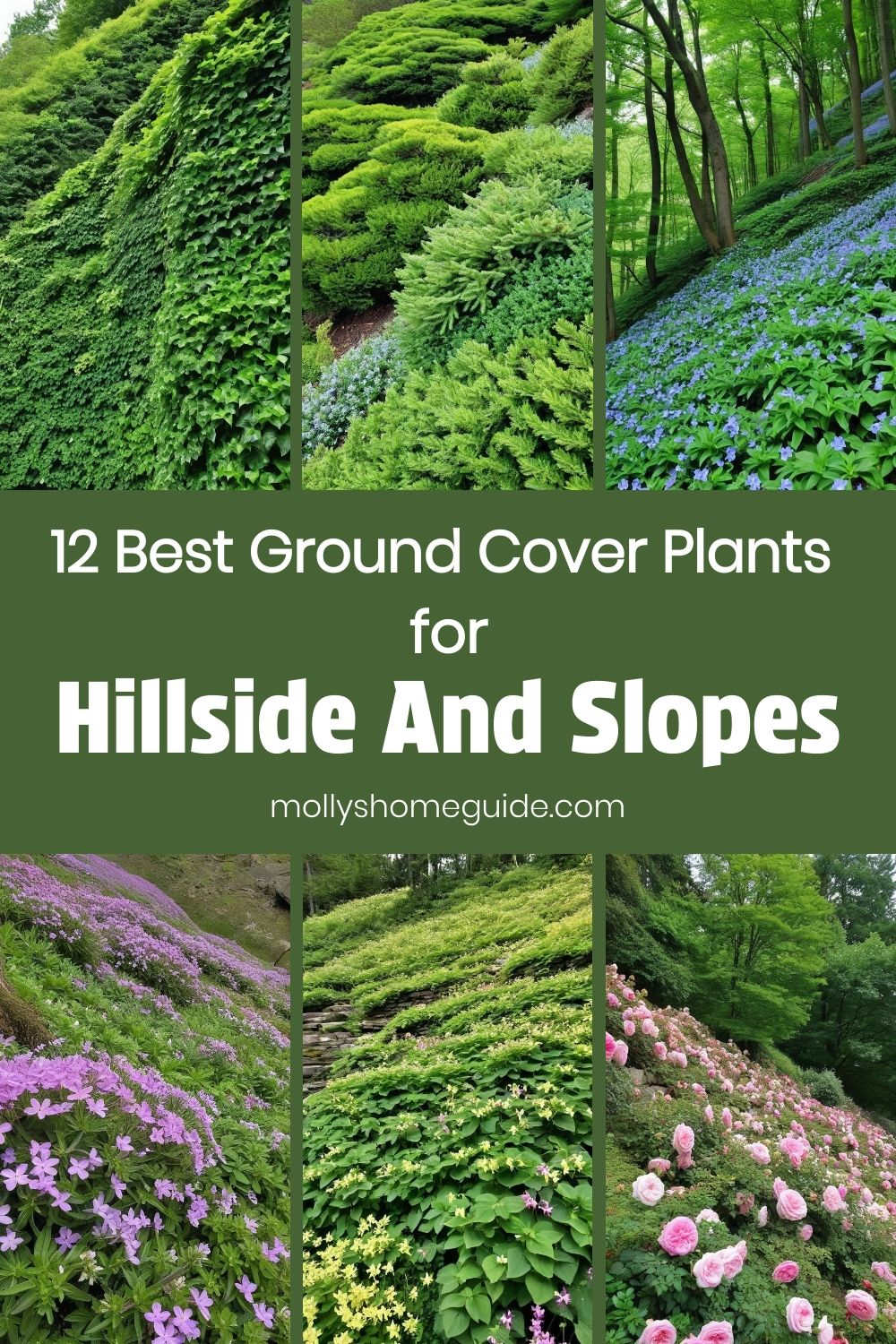
So, if you aren’t planting grass, what are you planting? Native ground covers are low-growing plants that are indigenous to your specific geographic area. They spread horizontally rather than vertically, creating a dense mat that suppresses weeds and holds soil in place. Unlike grass, which is essentially a single species repeated over and over, ground covers offer diversity. You might mix creeping phlox with wild ginger, or sedum with native thyme.
The key word here is native. This matters because these plants have co-evolved with local insects, birds, and soil microbes for thousands of years. A butterfly doesn’t just see a pretty flower; it sees a host plant for its caterpillars. A bee doesn’t just see pollen; it sees a reliable food source that blooms when it needs it most. When you plant natives, you’re plugging back into a local network. You’re restoring a tiny piece of the ecosystem that existed before suburban sprawl.
There’s a common misconception that native plants look "weedy" or unkempt. That might have been true thirty years ago when the only options were poorly sourced wild seeds. But today? The variety is stunning. You can find native sedges that look like fine fescue but require zero mowing. You can find mosses that create a lush, velvet carpet in shady spots. You can find flowering creepers that turn your yard into a purple or white sea in spring. It’s gardening, but smarter.
Choosing the Right Plants for Your Zone
You can’t just pick any plant off the shelf and expect it to work. Context is everything. The first step in this revolution is knowing your USDA Hardiness Zone, but that’s just the start. You need to look at your microclimate. Is your yard mostly sun or shade? Is the soil clay-heavy and wet, or sandy and dry? Do you have deer roaming through at night? Answering these questions will save you from heartache later.
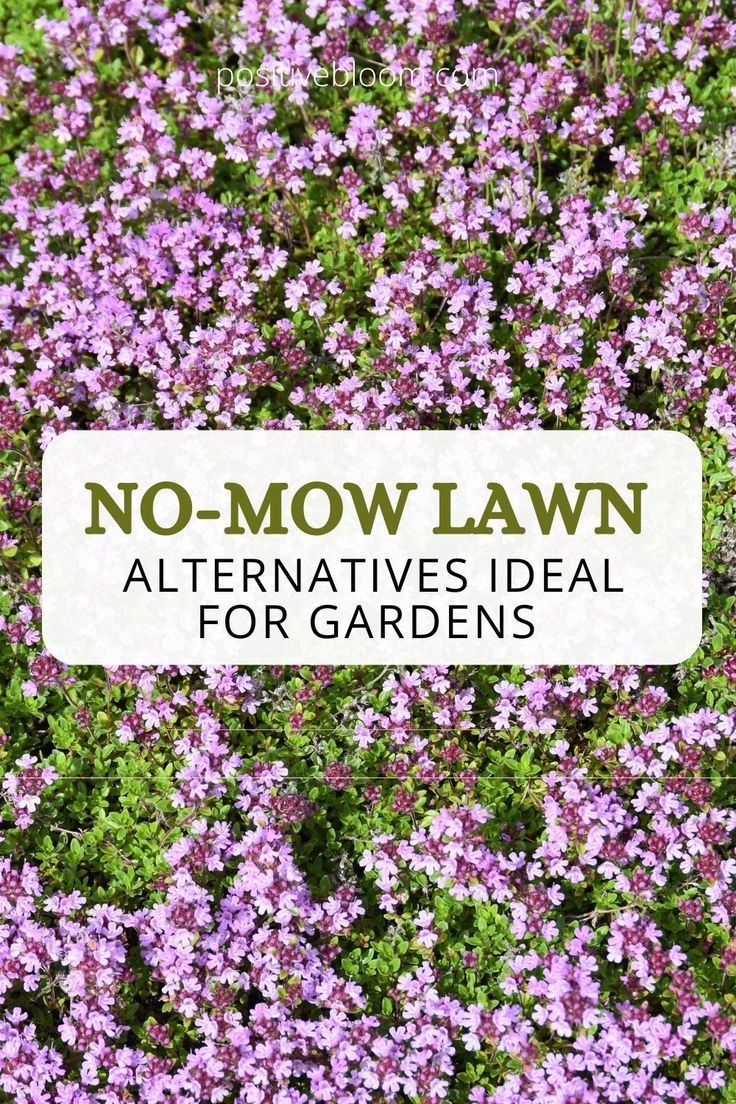
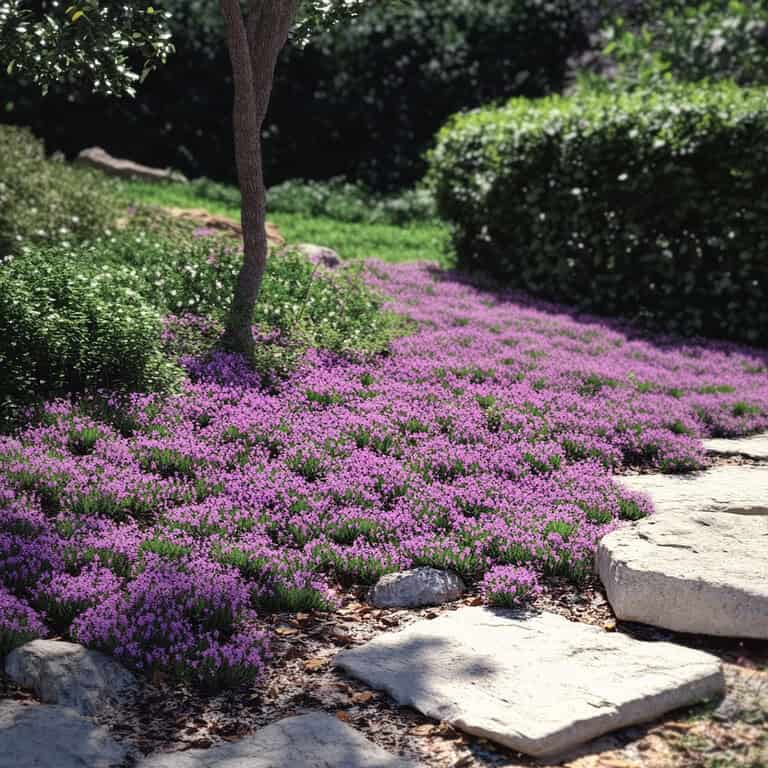
For sunny, dry spots, consider plants like Creeping Thyme or Native Sedums. These are drought-tolerant workhorses. They handle foot traffic reasonably well and smell amazing when you step on them. In shadier, moister areas, Wild Ginger or Pachysandra (make sure it’s the native variety, not the invasive Asian kind) can create a lush, green floor that keeps mud at bay. If you live in the Pacific Northwest, Kinnikinnick is a fantastic option. In the Southeast, Frogfruit is gaining popularity for its durability and appeal to butterflies.
It’s also wise to think about texture and color. Don’t aim for a monochrome look. Mix fine-textured plants with broader leaves. Combine evergreen ground covers with those that die back in winter to ensure year-round interest. And please, check your local extension office or native plant society websites. They often have lists of recommended species for your exact county. Avoid big-box store "native" labels without verifying the scientific name. Sometimes, what’s sold as native is actually a cultivar from three states over, which might not support local wildlife as effectively.
The Transition: How to Kill the Grass Without Losing Your Mind
This is the part that scares people. How do you get rid of the existing lawn? You have options, and none of them involve tilling if you can help it. Tilling brings weed seeds to the surface and disrupts soil structure. The most popular method in 2026 is sheet mulching, also known as lasagna gardening. You mow the grass as short as possible, then layer cardboard (remove tape and staples) directly over the turf. Wet it down thoroughly. Then, add layers of compost, leaf mold, and wood chips.
Over the next six to twelve months, the cardboard smothers the grass, blocking sunlight. The grass dies and decomposes, feeding the soil biology. The worms move in. The cardboard breaks down. By the time you’re ready to plant, you have a rich, weed-free bed. It takes patience, but it’s incredibly effective and requires zero herbicides. If you’re in a hurry, solarization is another option. Cover the area with clear plastic during the hottest part of summer. The heat cooks the grass and weed seeds. It’s less gentle on the soil than sheet mulching, but faster.
Once the site is prepped, planting density matters. Don’t space plants too far apart hoping they’ll fill in quickly. Plant them closer together to suppress weeds from the get-go. Use a mulch of shredded leaves or arborist wood chips between the plants to retain moisture and regulate soil temperature. Remember, the first year is about establishment. Water regularly. The second year is about adjustment. Water during extreme droughts. By the third year, your native ground cover should be self-sustaining.
Wildlife Will Come: The Ecological Payoff
When you stop treating your yard as an outdoor living room and start treating it as habitat, magic happens. You’ll notice it first in the sounds. The silence of a sterile lawn is replaced by the buzz of bees, the chirp of sparrows, and the rustle of chipmunks. In 2026, we know more than ever about the decline of insect populations. Our yards can be refuges. Native ground covers provide shelter for ground-nesting bees, which are crucial pollinators often overlooked in favor of honeybees.
Birds benefit too. Many songbirds rely on insects to feed their young. No insects, no baby birds. By planting native ground covers that host caterpillars and beetles, you’re directly supporting the local bird population. You might see chickadees, wrens, or towhees foraging in your new garden. Even small mammals like box turtles find safety in the dense cover of native plants, protected from predators and harsh weather.
It’s not just about the animals you can see. It’s about the soil. Native plants have deep, complex root systems that build soil health. They sequester carbon more effectively than shallow-rooted turf. They filter rainwater, reducing runoff and preventing erosion. Your yard becomes a sponge, absorbing heavy rains and releasing water slowly. This resilience is critical as climate change brings more extreme weather events. You’re not just gardening; you’re participating in local climate adaptation.
Overcoming HOA Hurdles and Neighbor Skepticism
Let’s be real. Not everyone will applaud your decision immediately. Homeowners Associations (HOAs) and neighbors accustomed to uniform green lawns can be obstacles. In recent years, however, the tide has turned. Many states have passed "right to garden" laws that protect homeowners from HOA restrictions on native landscaping, especially if it’s framed as water conservation or wildlife habitat. Check your local statutes. Knowledge is power.
Communication is key. Talk to your neighbors before you start. Explain your goals. Show them pictures of what the mature garden will look like. Emphasize that it won’t be a jungle of weeds. Use terms like "low-water landscape" or "pollinator garden" rather than "anti-lawn." Invite them over once the plants are established and blooming. Beauty is the best argument. When they see the butterflies and the vibrant flowers, their skepticism often melts away.
If you’re dealing with a strict HOA, consider a phased approach. Start with a small section of your yard, perhaps a side yard or a corner of the front. Keep the edges crisp and defined. Mowed strips along the sidewalk or property lines can signal intent and maintenance. This "frame" helps the eye accept the naturalistic planting within. As more people in your neighborhood make the switch, the social norm shifts. What looked strange five years ago is becoming the standard for responsible stewardship in 2026.
Replacing grass with native ground cover is more than a landscaping trend. It’s a shift in mindset. It’s about letting go of control and trusting nature’s design. It’s about accepting that a few chewed leaves mean a caterpillar is eating, and that’s a good thing. It’s about finding joy in the seasonal changes—the early spring blooms, the summer lushness, the autumn colors, and the winter structure.
You’ll save money. You’ll save time. But more importantly, you’ll gain a connection to the living world around you. You’ll learn the names of plants and insects. You’ll notice the subtle shifts in weather. Your yard will become a place of rest and wonder, not just another chore on your to-do list. The quiet revolution isn’t loud or aggressive. It’s gentle. It’s persistent. And it’s growing, one yard at a time.
So, where will you start? Maybe it’s a small patch under a tree. Maybe it’s the strip along your driveway. Take that first step. Pull up a square of grass. Lay down some cardboard. Plant something native. Watch what happens. The earth will thank you, and so will your future self.