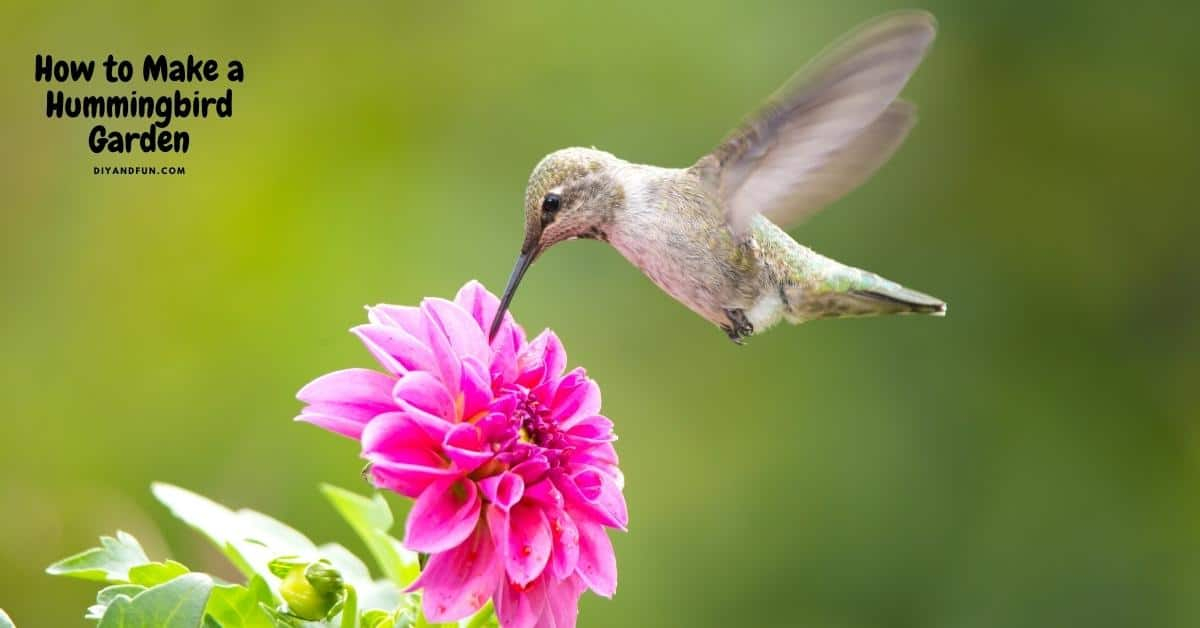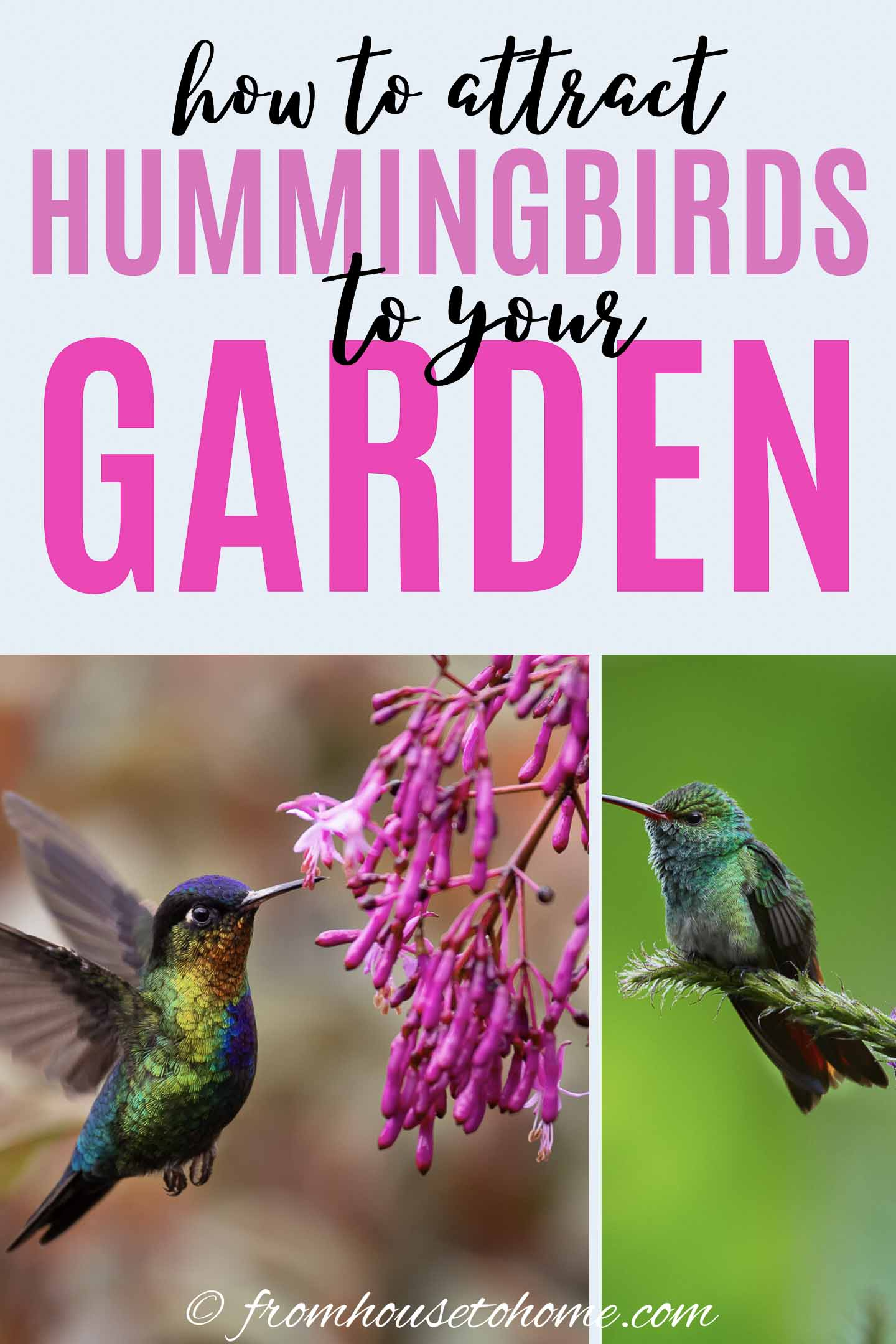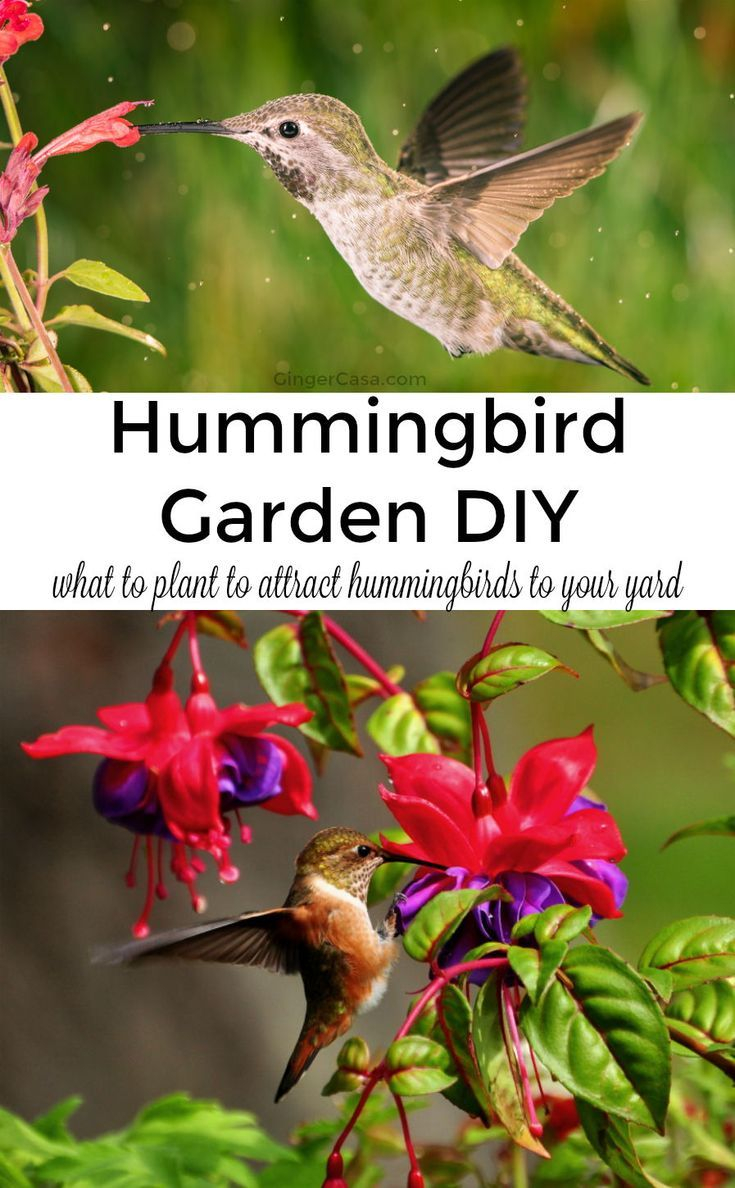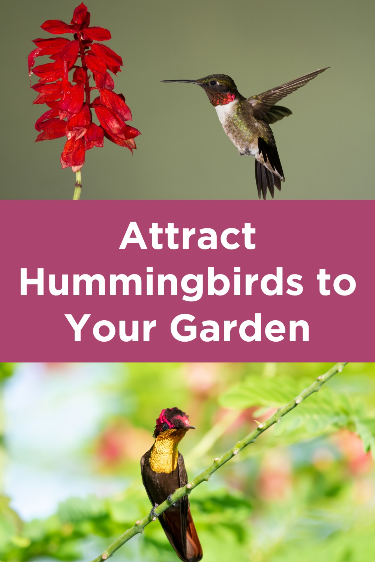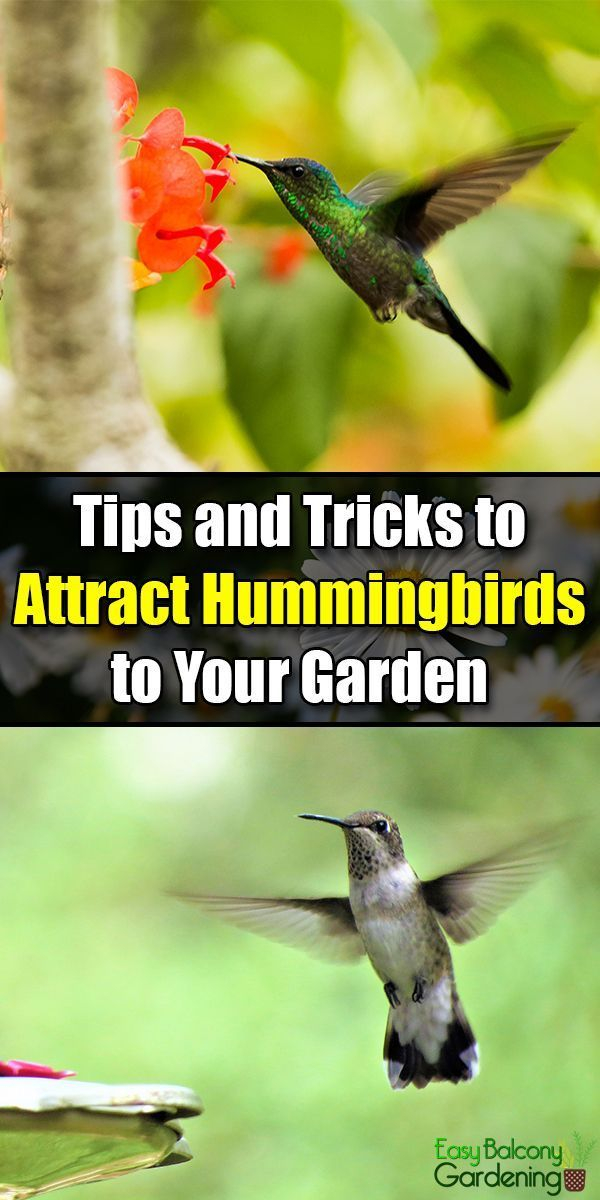

There’s something almost magical about watching a hummingbird hover mid-air, its wings a blur of iridescent motion as it sips nectar from a bright red flower. It feels like a secret moment, doesn’t it? Like nature has paused just for you. If you’ve ever found yourself holding your breath, hoping not to scare away one of these jewel-like visitors, you know the pull they have on us. In 2026, more people than ever are turning their yards into sanctuaries for these tiny birds, and it’s not just about hanging a feeder anymore. It’s about creating a whole ecosystem.
Creating a garden that truly supports hummingbirds goes way beyond sticking a plastic tube with sugar water on a hook. While feeders have their place, the most effective habitats layer native tubular flowers through the full growing season, offer clean reliable nectar sources, and provide the structural diversity these birds need for perching, nesting, and hunting insects. This guide will walk you through exactly how to transform your outdoor space into a hummingbird haven, using insights from recent gardening trends and expert advice that actually works in real backyards.
Choosing the Right Plants for Year-Round Appeal
The foundation of any great hummingbird garden is, without a doubt, the plants. But here’s the thing: not all flowers are created equal when it comes to attracting these specific birds. Hummingbirds are drawn to tubular-shaped blooms because their long beaks and tongues are perfectly evolved to reach deep inside them. Think of plants like bee balm, cardinal flower, and trumpet vine. These aren’t just pretty; they’re functional fuel stations. In 2026, there’s a huge push toward using native species because they’ve co-evolved with local hummingbird populations, offering the right nectar concentration and blooming at the right times.
You’ll want to aim for a succession of blooms so there’s always something flowering from early spring through late fall. Start with early bloomers like columbine or coral bells to welcome migrants back, then move into summer staples like salvia and fuchsia. Don’t forget the late-season heroes like goldenrod or asters, which provide crucial energy before migration. A common mistake is planting everything that blooms at once. Instead, stagger your choices. Check resources like the Hummingbird Gardening Guide for All 50 States to see exactly what native plants work best in your specific region. It makes a huge diference.
Also, consider the color palette. While hummingbirds can see a wide spectrum, they are particularly attracted to red, orange, and pink hues. You don’t need to paint your whole garden red, but clustering these warm tones helps signal food sources from a distance. Try grouping three or five of the same plant together rather than scattering single specimens. This creates a visual target that’s easier for a fast-moving bird to spot. And remember, leaves matter too. Some plants offer soft foliage that hummingbirds use for nesting material, adding another layer of utility to your garden design.
Designing Layers and Structure for Safety
Hummingbirds are tiny, which means they’re vulnerable. A garden that looks nice to humans might feel like an exposed highway to a bird if it lacks proper structure. To make your yard inviting, you need to think in layers. Start with the canopy—tall trees or large shrubs that offer high perches for scouting territory. Below that, add mid-level shrubs where they can hide from predators like hawks or cats. Finally, include low-growing ground covers and flower beds for easy access to nectar. This vertical diversity mimics natural forests and edges, giving hummingbirds the confidence to linger.
Perching spots are essential. Hummingbirds spend a surprising amount of time sitting still, conserving energy between feeding bouts. They need thin branches, wire fences, or even the tips of tall flower stalks to rest on. Without these, they’ll fly right past your garden to find a place that offers both food and safety. In 2026, gardeners are increasingly leaving dead snags or installing simple wooden dowels specifically for this purpose. It’s a small detail, but it turns a feeding stop into a home base.
Don’t overlook the importance of open sightlines. While cover is crucial, hummingbirds also need clear paths to approach flowers without fear of ambush. Avoid cluttering your planting beds with too many dense, thorny bushes right next to feeding zones. Instead, create "clearing" effects where flowers are visible from multiple angles. This balance between concealment and visibility is key. As noted by experts at Planting Atlas, the most effective habitats provide structural diversity for perching, nesting, and hunting insects, not just eating nectar. Think of your garden as a multi-room house, with different areas for different activities.
Beyond Sugar Water: Natural Nectar Sources
Let’s talk about feeders for a second. Yes, they’re popular, and yes, they can help supplement natural food sources, especially during migration or drought. But relying solely on a feeder is like asking someone to live on candy bars. It’s not sustainable or healthy long-term. The goal in 2026 is to create a feeder-free paradise, or at least one where feeders are secondary to abundant natural blooms. Native plants provide nectar that’s perfectly balanced with proteins and amino acids that sugar water lacks. Plus, flowers attract the tiny insects and spiders that hummingbirds eat for protein—crucial for feeding their chicks.
If you do use feeders, keep them clean. Dirty feeders can spread disease, which is a growing concern among bird enthusiasts. Use a simple ratio of one part white sugar to four parts water, and avoid red dye—it’s unnecessary and potentially harmful. Change the nectar every few days, or daily in hot weather. But really, focus your energy on planting. Coral honeysuckle, for example, is a native vine that produces tons of nectar and doesn’t require refilling or cleaning. It’s a set-it-and-forget-it solution that benefits bees and butterflies too.
Another tip is to avoid pesticides. Even organic ones can kill the small insects hummingbirds rely on for protein. A chemical-free garden is a thriving garden. Let some aphids stay; they’ll bring ladybugs, which become bird food. It’s a delicate web, and pulling one thread can unravel the whole thing. Backyard Focus emphasizes creating a chemical-free environment to support year-round attraction. When you stop spraying, you’ll notice more life overall, not just hummingbirds. It’s a win-win for your health and theirs.
Water Features and Bathing Spots
Hummingbirds don’t just drink nectar; they need water for bathing and drinking. But unlike larger birds, they won’t use a deep birdbath. They prefer shallow, moving water. Think misters, drippers, or very shallow dishes with stones in them so they can perch without getting soaked. In 2026, solar-powered misters are becoming incredibly popular because they’re easy to install and create that sparkling effect hummingbirds love. The sound of dripping water also attracts them from a distance.
Place water features near cover but not directly under it, so predators can’t hide nearby. A mister attached to a hose or a small fountain with a gentle flow works wonders. You might see them darting through the mist, shaking their feathers to clean off dust and parasites. It’s one of the most entertaining behaviors to watch. If you don’t have space for a fountain, even a simple spray nozzle set to a fine mist for a few minutes a day can turn your garden into a hotspot.
Keep the water clean. Stagnant water breeds mosquitoes, which nobody wants. Change it frequently or ensure it’s circulating. Some gardeners use small pumps to keep water moving, which also prevents algae growth. Remember, hummingbirds are meticulous about cleanliness. If the water looks murky, they’ll skip it. A clear, sparkling source is an invitation they can’t resist. It’s a small addition that adds a huge amount of value to your habitat.
Seasonal Care and Migration Support
Timing is everything. Hummingbirds are migratory in most of North America, arriving in spring and leaving in fall. Your garden needs to be ready before they get there. Start planting early, and put out feeders (if you use them) about two weeks before the expected arrival date in your area. Resources like HowToEnjoyHummingbirds.com offer state-specific dates, which are invaluable for planning. Missing the window means they might establish territories elsewhere and not return to your yard.
During peak summer, maintain your blooms by deadheading spent flowers. This encourages new growth and more nectar production. Keep an eye on water levels, especially during heatwaves. Drought-stressed plants produce less nectar, so supplemental watering might be necessary. In late summer and early fall, focus on late-blooming plants like sedum or aster to help birds build fat reserves for migration. This is a critical time; they need extra energy to fly thousands of miles.
In winter, if you live in a mild climate, some species may stay year-round. Provide cold-hardy plants like camellias or witch hazel. If you’re in a colder zone, clean and store your feeders to prevent mold, and plan your spring garden while you wait. Observing when they leave and return each year helps you refine your strategy. Keep a journal. Note which plants they visit most, what times of day they’re active, and any changes in behavior. This personal data is gold for improving your garden year after year.
Even well-meaning gardeners make mistakes. One big one is planting non-native invasives. While trumpet vine is attractive, some varieties can take over your yard and choke out other plants. Stick to native cultivars or controlled varieties. Another error is overcrowding. Hummingbirds are territorial. If your feeding stations are too close together, dominant birds will chase others away, reducing the number of visitors you see. Space out your plants and feeders to allow multiple birds to feed comfortably.
Ignoring insect life is another pitfall. As mentioned, hummingbirds eat bugs. If your garden is sterile, it’s not a complete habitat. Allow some leaf litter to remain; it harbors spiders and small insects. Avoid using broad-spectrum insecticides. Also, don’t assume red plastic flowers work. They don’t produce nectar, and birds quickly learn they’re fake. Stick to real, living plants. AvianBliss notes that layered planting and nectar-rich flowers are key to keeping them coming back, not gimmicks.
Finally, be patient. It might take a season or two for hummingbirds to discover your garden. Don’t give up if you don’t see them immediately. Keep adding diverse plants, maintain clean water sources, and avoid chemicals. Over time, word spreads among the hummingbird community. They talk, in their own way. Soon, you’ll have regular visitors who recognize your yard as a safe, reliable stop. It’s a rewarding process that connects you deeper to the natural world.
Creating a vibrant hummingbird garden in 2026 isn’t about perfection; it’s about intention. It’s about choosing native plants that bloom in sequence, designing layers for safety, providing clean water, and avoiding harmful chemicals. It’s about understanding that these tiny birds need more than just sugar—they need a home. By focusing on natural nectar sources, structural diversity, and seasonal care, you create a space that supports not just hummingbirds, but the entire ecosystem they’re part of.
So start small. Pick one corner of your yard and plant a cluster of bee balm. Add a mister. Watch what happens. You might be surprised by how quickly life fills the space. And when you finally see that first flash of ruby throat or emerald green hovering near your window, you’ll know it was worth every minute. It’s a connection that reminds us of the beauty and fragility of nature, and our role in protecting it. Happy gardening.