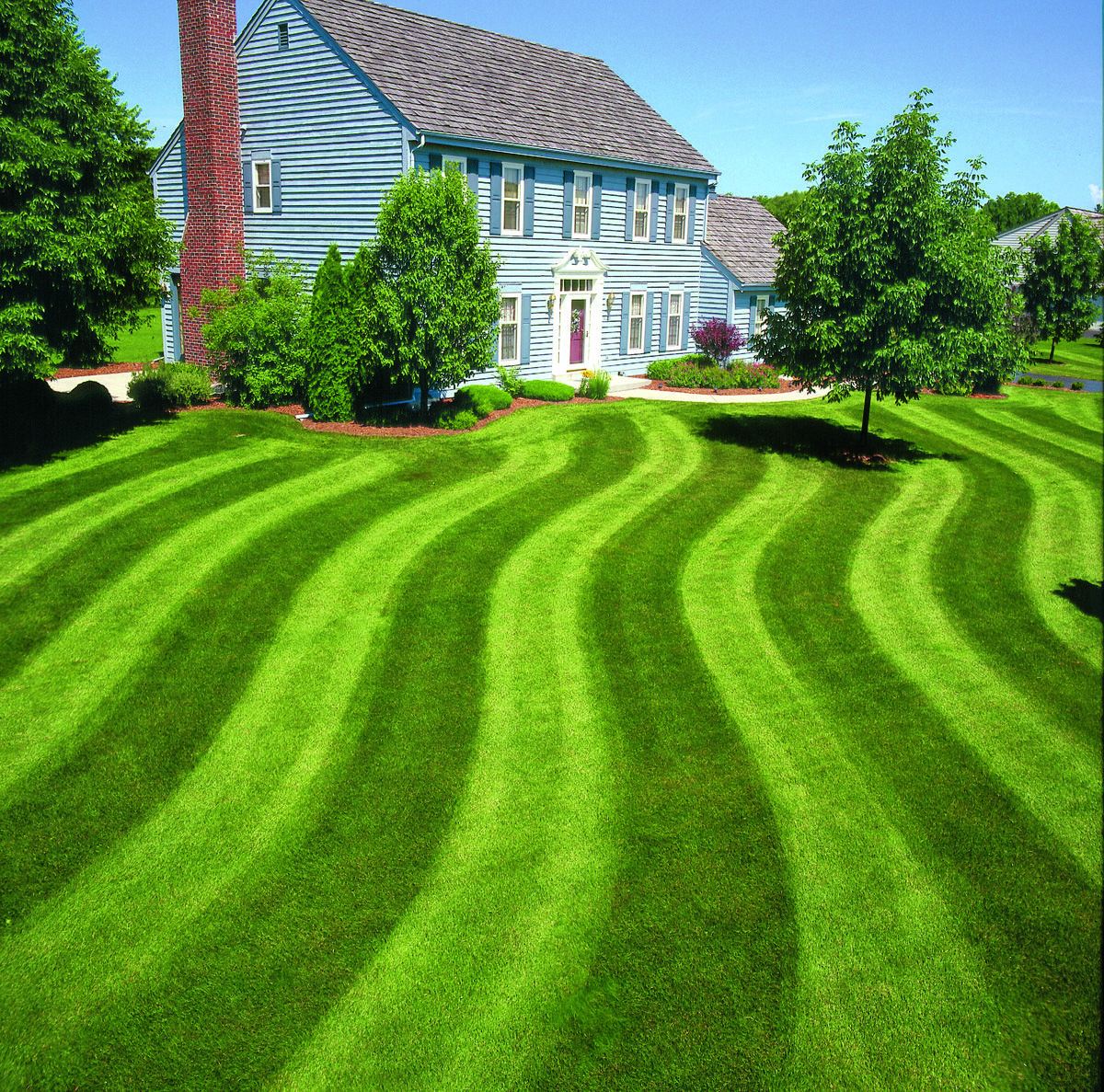

Step onto a pristine major-league baseball outfield in the dead of summer, and your eyes are immediately drawn to the geometric masterpiece beneath your feet. Alternating bands of deep emerald and brilliant lime-green stretch across the dirt-free turf, creating an optical illusion so sharp it looks like it was painted by hand. You glance down at your own residential lawn, wondering why your weekly mowing routine leaves behind a tired, monotone patch of green instead of a work of art.
The good news is that achieving that legendary stadium look requires far less magic and far more mechanical physics than most homeowners realize. Major league groundskeepers do not possess secret genetic strains of grass or high-tech pigment sprays; they simply understand how light interacts with bent blades of grass. When you strip away the mystique, the secret to mastering ballpark-quality lawn stripes in your own backyard boils down to an intimate understanding of turfgrass biology, the right mechanical downward force, and a commitment to precision geometry.
Striping a yard has quietly evolved from an industrial groundskeeping secret into a badge of suburban honor. Property owners and homesteaders across the country are ditching standard mowing patterns in favor of checkerboards, diamonds, and crisp parallel lines that instantly elevate curb appeal. Yet, turning an uneven backyard into a major league-worthy carpet demands more than just a random push mower and a hopeful attitude. It requires an actionable blueprint, an eye for detail, and a willingness to look at your turf not as a chore to finish, but as a living canvas.
The Optical Physics Behind Stadium-Quality Turf Lines
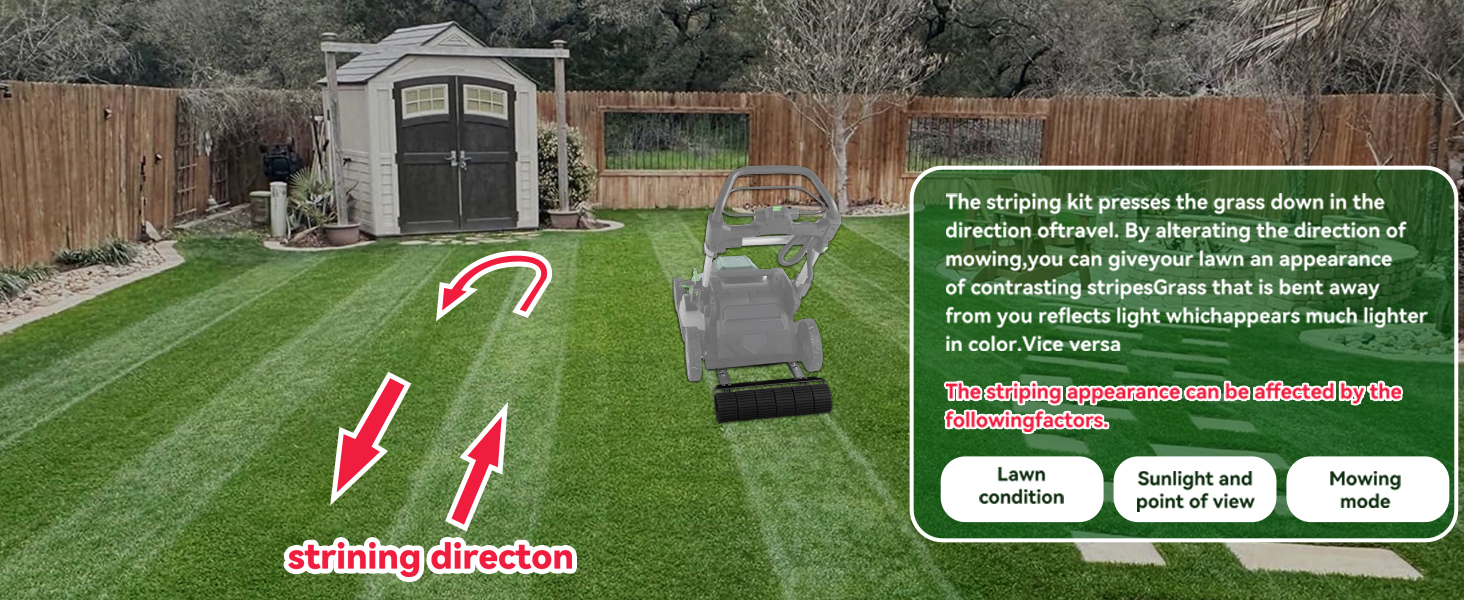
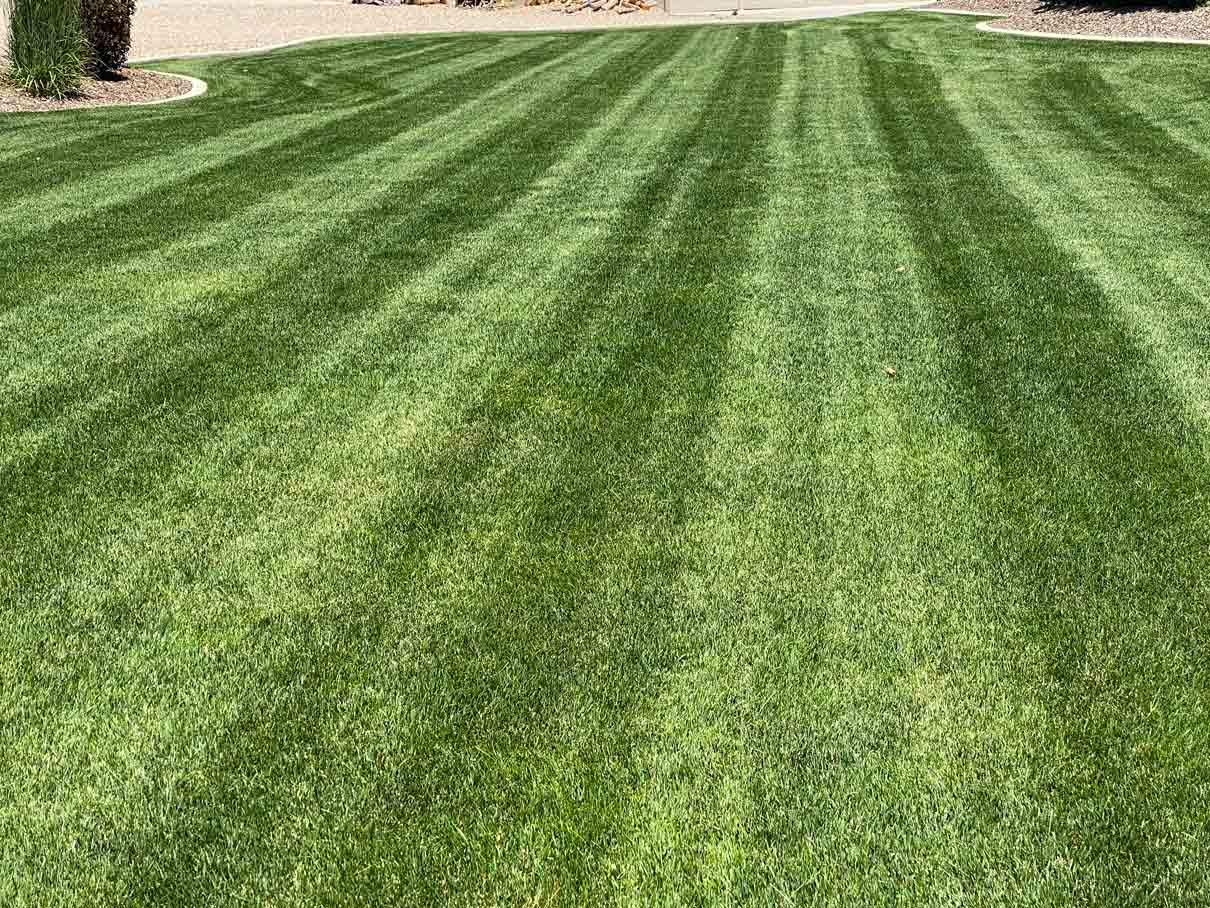
The fundamental secret to lawn striping is surprisingly simple: it is all an optical illusion created by bent light. When you look at a professional baseball field, the grass blades themselves are not dyed different colors. Instead, the stripes appear dark or light depending entirely on the direction the grass is leaning relative to your line of sight.
When a heavy lawn roller bends the grass blades directly away from you, light hits the flat surface of the blades and reflects straight back into your eyes, creating a bright, luminous green stripe. Conversely, when the mower bends the grass blades toward you, you are looking at the tips and sides of the blades rather than a flat reflective surface. Shadows pool between the individual stems, absorbing the light and creating a rich, dark emerald hue. If you walk to the opposite side of the lawn and look back, the light and dark stripes instantly reverse their appearance.
This optical phenomenon relies heavily on the physiological flexibility of your turfgrass species. Cool-season grasses like Kentucky Bluegrass, Perennial Ryegrass, and Tall Fescue are absolute champions when it comes to striping. Kentucky Bluegrass possesses exceptional resilience and a natural dark green pigmentation that holds a bend remarkably well. Perennial ryegrass responds instantly to rolling due to its pliable, high-tensile cell walls. Warm-season grasses, on the other hand, present a tougher challenge. Varieties like Zoysia and Bermuda have stiffer, more rigid runners and upright growth habits that resist bending, requiring heavier commercial-grade rolling equipment to achieve a comparable visual contrast.
Equipment Essentials: Choosing Your Striping Arsenal
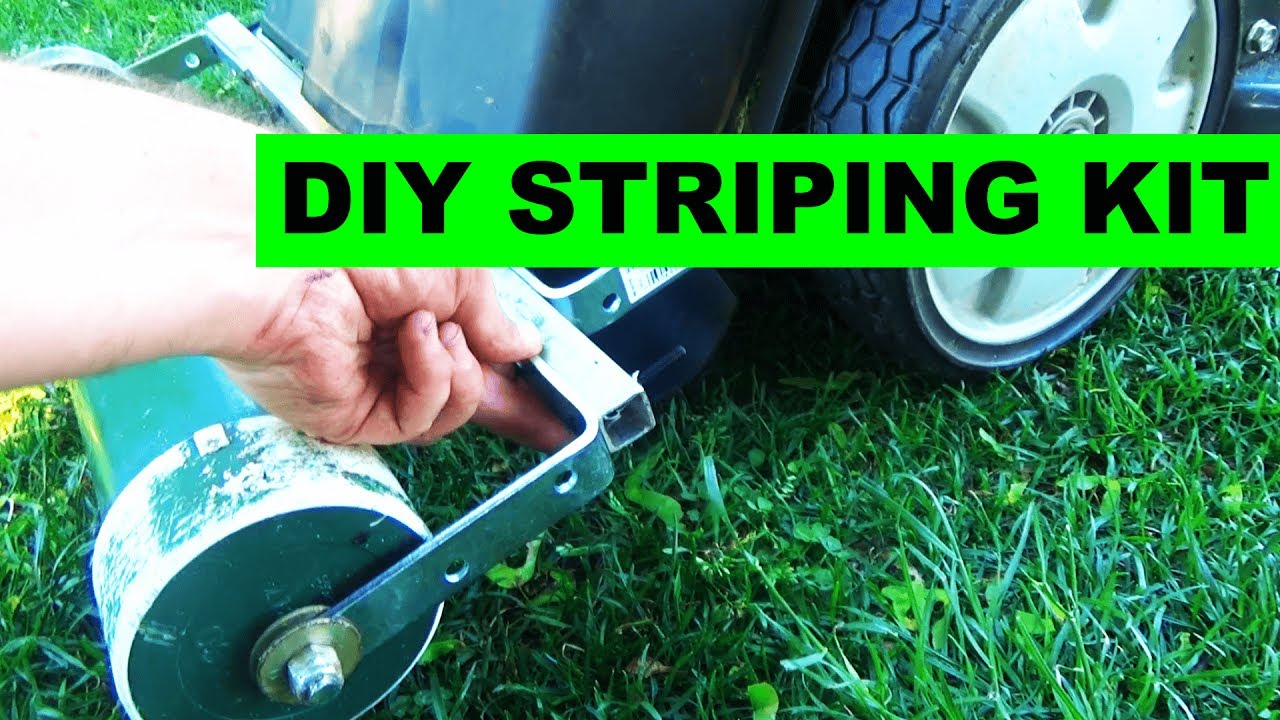
You do not need a multi-thousand-dollar zero-turn commercial tractor to achieve professional results, but you do need equipment designed to manipulate the grass canopy. The single most important hardware addition to your shed is a lawn striping kit, or a dedicated rear roller attached to your mower deck. While some adventurous DIYers build custom homemade rollers using sections of PVC pipe filled with concrete or sand, commercial kits offer adjustable downforce springs that apply consistent pressure regardless of terrain undulations.
Mower deck design plays an equally critical role in the final aesthetic outcome. Rotary mowers create airflow that lifts grass blades upward just before the high-speed blade shears the tip, and a trailing roller must immediately catch those freshly cut blades while they are still pliable and direct them downward. If your mower deck creates too much chaotic turbulence, the grass will bounce back haphazardly before the roller ever makes contact, resulting in washed-out, fuzzy lines.
Engine horsepower and drivetrain reliability are secondary considerations, though self-propelled or rider mowers drastically reduce operator fatigue when measuring out long, straight parallel passes. Furthermore, keep your cutting blades aggressively sharp. A dull mower blade tears the grass tissue rather than slicing it cleanly. Torn, frayed grass tips quickly turn brown and dry out, scattering a hazy, faded cast over your crisp patterns that ruins the sharp contrast of your freshly rolled stripes.
Step-by-Step Practical Implementation Guide for Flawless Lines
Transforming a messy suburban lawn into a geometric showpiece requires patience, a strategic layout plan, and strict adherence to a repeatable mowing routine. Follow this detailed methodology to lay down your very first set of major league-caliber stripes.
- Step 1 (Establish Your Baseline Master Edge): Select the longest, straightest boundary of your lawn—such as a driveway, sidewalk, or property fence line—to serve as your primary reference guide. Never try to eyeball your first pass across an open yard, as minor deviations compound over distance and ruin the entire pattern.
- Step 2 (Mow the Perimeter Headlands): Before cutting any stripes across the main body of the turf, mow two complete passes around the entire perimeter of your yard. This creates a clean turnaround zone, or headland, allowing you to lift your deck, pivot smoothly, and line up for your next parallel pass without tearing up the turf corners.
- Step 3 (Execute the First Primary Pass): Align your mower with your master reference edge, drop the deck to your preferred height—typically between 2.5 and 3.5 inches for cool-season turf—and begin moving forward at a steady, moderate pace. Keep your eyes focused 15 to 20 feet ahead on a fixed point in the distance rather than staring directly down at your front wheels to ensure a laser-straight line.
- Step 4 (Alternate Directions on the Return Trip): Reach the edge of your perimeter headland, lift the deck, turn 180 degrees, and align your outside wheels to slightly overlap the edge of your previous wheel track. Engage the mower and travel back in the exact opposite direction, allowing the rear roller to bend this new batch of grass the opposite way.
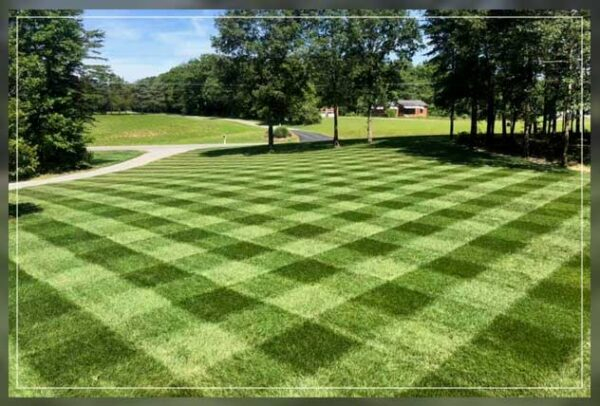
- Step 5 (Cross-Hatch and Maintain the Pattern): Once you have completed parallel stripes across the entire yard, you can elevate your design by mowing perpendicular lines to form a classic checkerboard, or at 45-degree angles to create a dynamic diamond pattern. Stick to the exact same alternating direction routine every single time you mow to deepen the turf memory and enhance color contrast over the growing season.
Common Pitfalls and Field-Tested Practitioner Workarounds
Even experienced homeowners often run into frustrating roadblocks when attempting to achieve stadium-quality turf. Anticipating these common mistakes saves hours of frustration and prevents turf damage.
- Pitfall 1 (Wandering, Crooked Lines): Staring directly at the front of your mower causes natural steering drift over long distances. The practitioner workaround is to pick a permanent landmark—like a tree, fence post, or window frame—at the far end of the yard and drive directly toward it with your upper body relaxed.
- Pitfall 2 (Scalping on Uneven Ground): Rigid rollers or low-slung mower decks can dig into high spots and dips, gouging bare dirt patches into your turf. The practitioner workaround is to adjust your deck height slightly higher during early spring and install anti-scalp wheels or floating roller attachments that contour smoothly over rolling terrain.
- Pitfall 3 (Faded, Washed-Out Striping Contrast): Mowing in the exact same tracks week after week can rut the soil and stress the grass plants in heavy traffic zones. The practitioner workaround is to rotate your striping direction by 90 degrees every month, giving the root zones time to recover while training the blades from a fresh angle.
- Pitfall 4 (Dull Blade Shredding): Ripped, jagged grass blades turn gray-white in the sun, dulling the dark-green reflective contrast of your stripes. The practitioner workaround is to inspect and sharpen your mower blades every 10 to 12 hours of active mowing time using a bench grinder or file.
- Pitfall 5 (Compacting Heavy Clay Soils): Adding heavy commercial steel rollers to a residential push mower can severely compact damp clay soils, restricting root oxygenation. The practitioner workaround is to core-aerate your lawn annually in the fall and avoid striping when the soil is waterlogged or saturated after heavy rainfall.
The Broader Impact: Horticultural Health and Aesthetic Value
Beyond the undeniable curb appeal and neighborhood bragging rights, committing to a consistent lawn-striping regimen offers hidden horticultural benefits. When you systematically alter your mowing direction with every single cut, you prevent the turfgrass from leaning or leaning perpetually in one direction, a destructive phenomenon known as grain. Grain causes uneven vertical growth, crowds out lateral tillers, and creates a spongy thatch layer that suffocates root systems.
Furthermore, the mechanical rolling action required to produce crisp stripes forces increased physical contact between the stolons of spreading grasses and the underlying soil surface. This enhanced soil contact encourages tighter, denser lateral rooting, naturally crowding out aggressive broadleaf weeds like dandelions and crabgrass without requiring excessive chemical herbicides. A densely knit, actively maintained turf canopy also regulates backyard microclimates, absorbing summer heat radiation and cooling the surrounding air far more effectively than patchy, neglected lawns.
Economically, mastering advanced lawn aesthetics transforms ordinary outdoor real estate into an inviting extension of your living space. Homeowners routinely find that investing time in professional property detailing yields outsized returns in property value and personal satisfaction. When your backyard looks like a professionally curated athletic stadium, outdoor entertaining takes on an entirely new level of pride, turning family barbecues and weekend gatherings into events hosted on your very own field of dreams.
Actionable Recommendations and Key Takeaways for Long-Term Success
Achieving and maintaining ballpark-quality lawn stripes is a marathon, not a sprint. It requires a balanced synchronization of biology, timing, and mechanical maintenance that evolves across the changing seasons.
- Prioritize Proper Turf Height: Never scalp your lawn to make stripes pop; maintaining a healthy height of 3 to 3.5 inches ensures the grass blades have enough physical length and flexibility to bend without snapping or scorching in summer heat.
- Invest in Quality Rolling Hardware: Whether purchasing a manufactured striping kit compatible with your exact mower model or engineering a custom weighted roller, ensure your equipment exerts even, downward pressure across the entire width of the cut.
- Establish a Disciplined Mowing Schedule: Consistency is king. Mow your cool-season turf every 4 to 5 days during peak spring growth phases to keep the grass at an optimal height for maximum light reflection and contrast.
- Manage Soil Moisture Wisely: Stripe your lawn when the soil is firm and slightly dry. Mowing and rolling wet turf damages the soil structure, creates unsightly ruts, and spreads fungal lawn diseases across your pristine property.
- Embrace Seasonal Adjustments: Transition your striping patterns and mowing heights as seasons shift, raising your deck during scorching mid-summer dry spells to protect root systems from thermal stress.
The transformation from a neglected patch of patchy green grass to a major league-caliber masterpiece is one of the most rewarding home improvement projects you can undertake. It demands patience, acute attention to detail, and a willingness to learn the subtle language of your yard’s unique topography and soil composition. Each time you fire up your mower, line up your master reference point, and watch those crisp emerald bands unfold behind you, you are engaging in a timeless craft that bridges agriculture, art, and engineering.
As you step back to admire your handiwork under the golden light of a late afternoon sun, remember that perfection is an ongoing practice rather than a permanent destination. Weather patterns, seasonal dormancy, and unexpected pest pressures will test your resolve along the way. Yet, with the foundational techniques and equipment strategies outlined here, your backyard will stand ready to rival any professional ballpark in the country, season after stellar season.