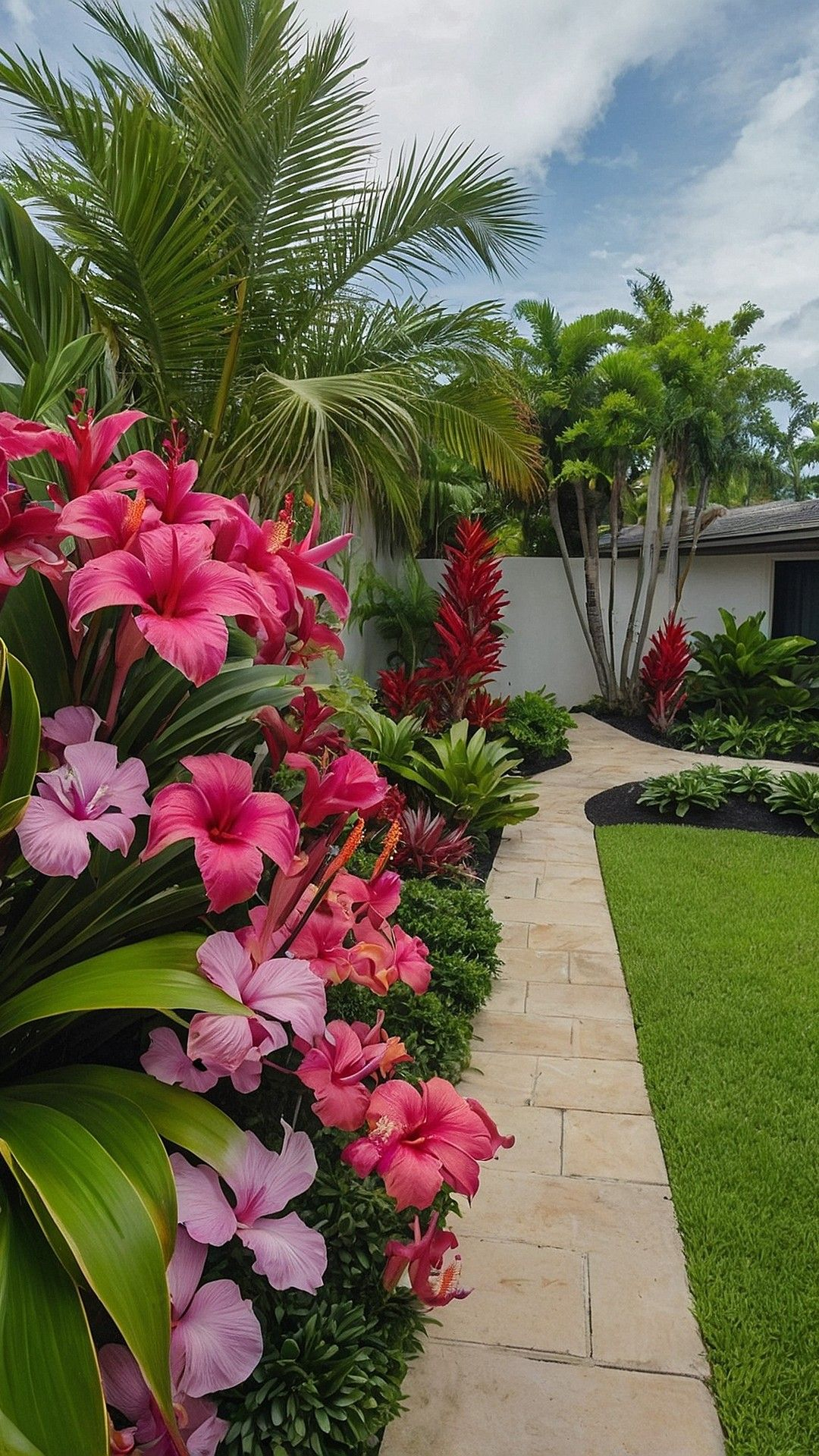

You know that feeling when you finally kick off your shoes after a long, stressful week? Now imagine if that feeling didn’t just happen inside your house, but the moment you stepped out your back door. The air smells like rain and hibiscus. There’s a gentle rustle of leaves that drowns out the neighbor’s lawnmower. For a second, you aren’t in suburbia anymore. You’re somewhere else. Somewhere warm.
It sounds like a dream reserved for people with deep pockets and huge estates, doesn’t it? We’ve all seen those glossy magazine spreads with infinity pools and imported stone. But here is the secret nobody tells you: you don’t need a massive budget to create that vibe. In 2026, with inflation still making us wince at price tags, the idea of a luxury backyard might seem out of reach. But it’s not. It’s actually easier than ever to fake it till you make it.
The trick isn’t spending more money. It’s spending less, but smarter. It’s about understanding how light works, which plants give you the most bang for your buck, and how to use simple materials to create a sense of enclosure and mystery. You can turn a patchy lawn into a verdant sanctuary without taking out a loan. Let’s dig into how you can build your own slice of paradise, one affordable step at a time.
The Illusion of Density: Layering Plants for Maximum Impact
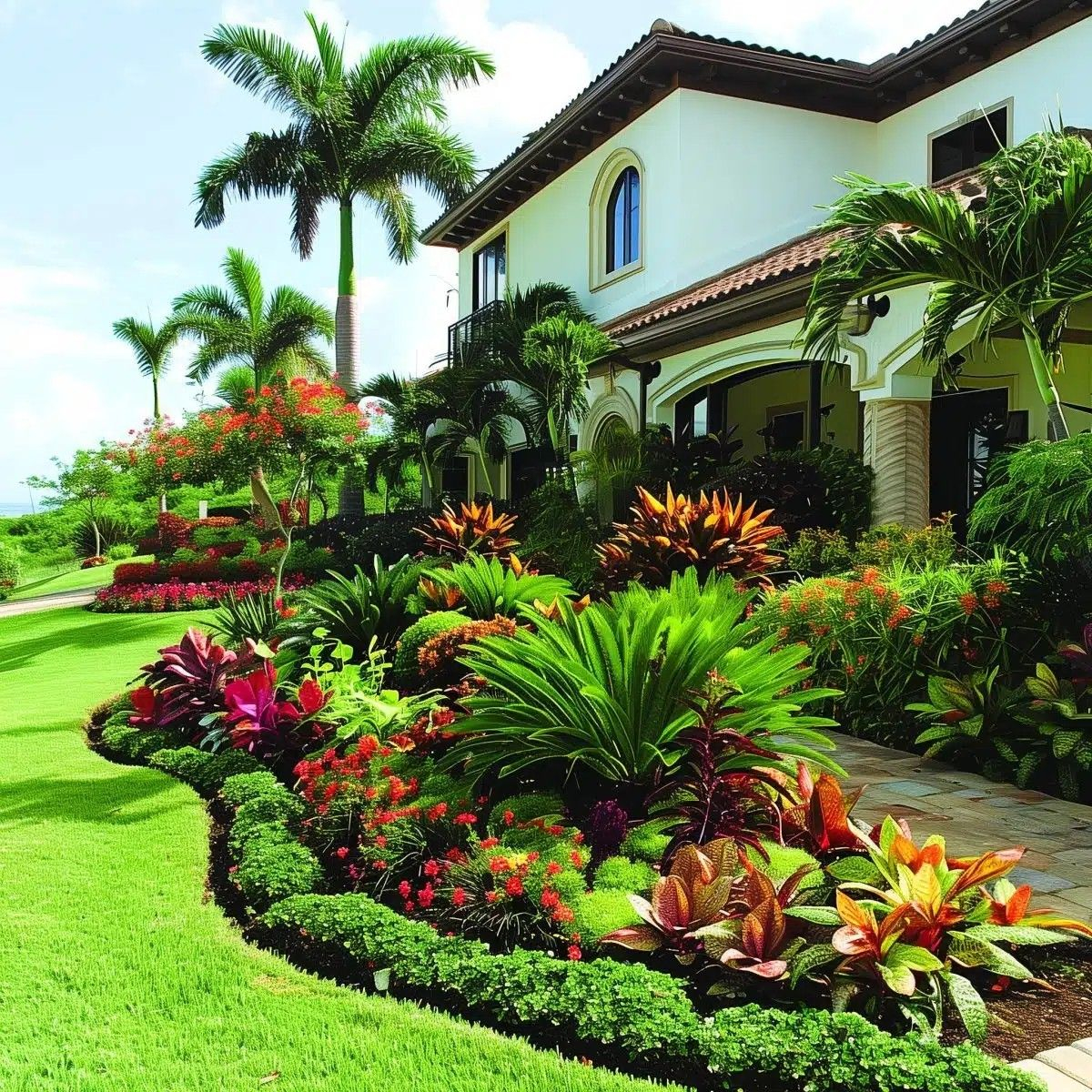
The biggest mistake people make when trying to go tropical is buying one or two big, expensive palm trees and sticking them in empty dirt. That looks sparse. It looks expensive in the wrong way. Real jungles are messy. They are layered. To get that lush look without buying fifty plants, you have to master the art of layering. This means planting in groups and using height variations to fill space visually.
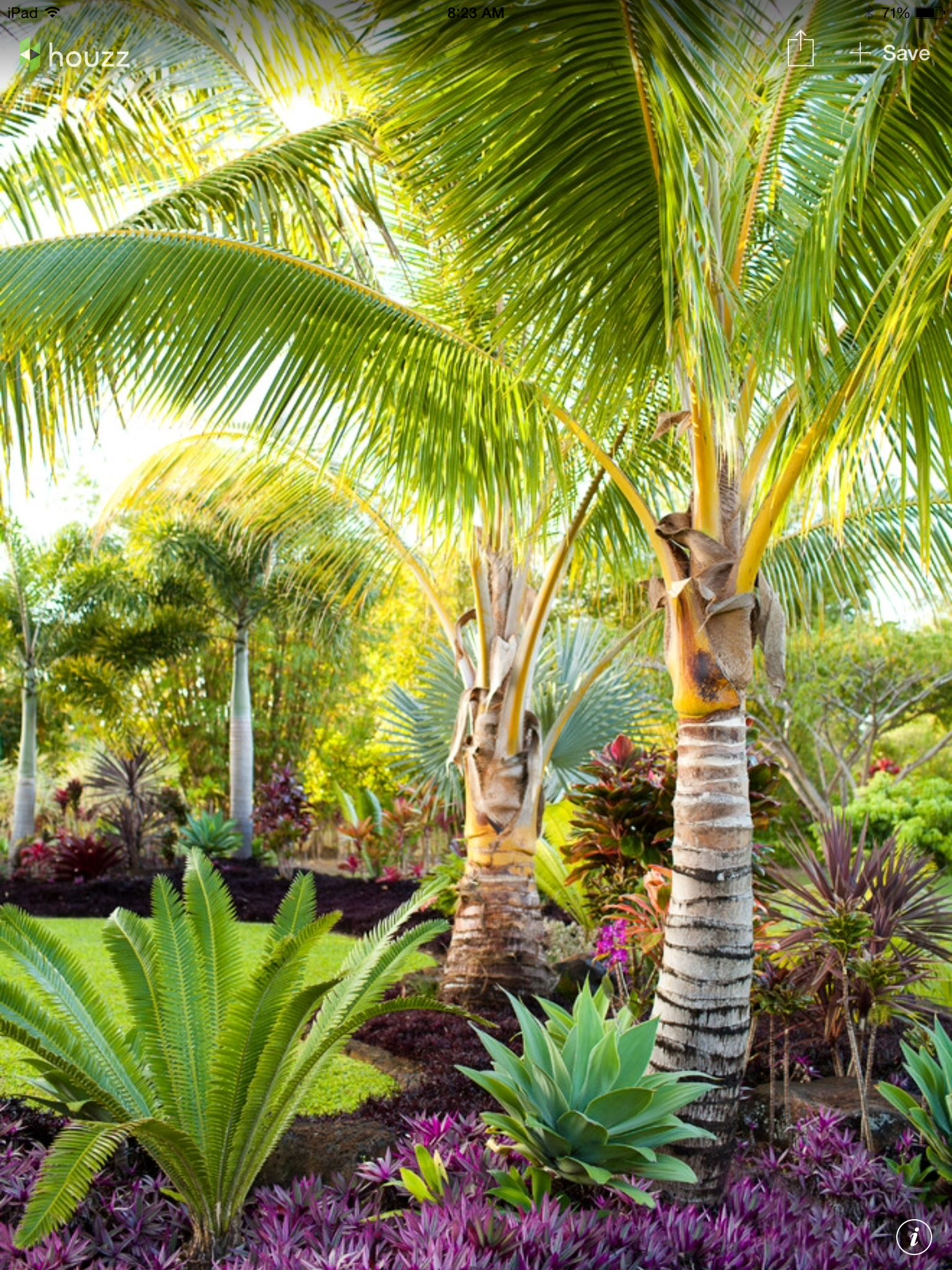
Start with your "thrillers," the tall focal points. You don’t need rare specimens. Look for hardy, fast-growing options like Bamboo palms or even large ornamental grasses if you’re in a cooler zone. These create the ceiling of your room. Then, fill the middle ground with mid-sized shrubs. Elephant ears (Colocasia) are incredible for this. They grow huge leaves quickly from small, cheap tubers. One tuber can become a massive plant in a single summer, creating a wall of green that hides your fence line.
Finally, spill over the edges with ground covers. Creeping jenny or sweet potato vines are dirt cheap and grow like weeds. They soften the hard lines of pots and patios. By stacking these three layers—tall, medium, and low—you create depth. Your eye travels through the garden instead of stopping at a flat view. It tricks the brain into thinking the space is larger and denser than it actually is. And since you’re using fast growers, you get instant gratification without the instant price tag.
Foliage Over Flowers: The Secret to Year-Round Green
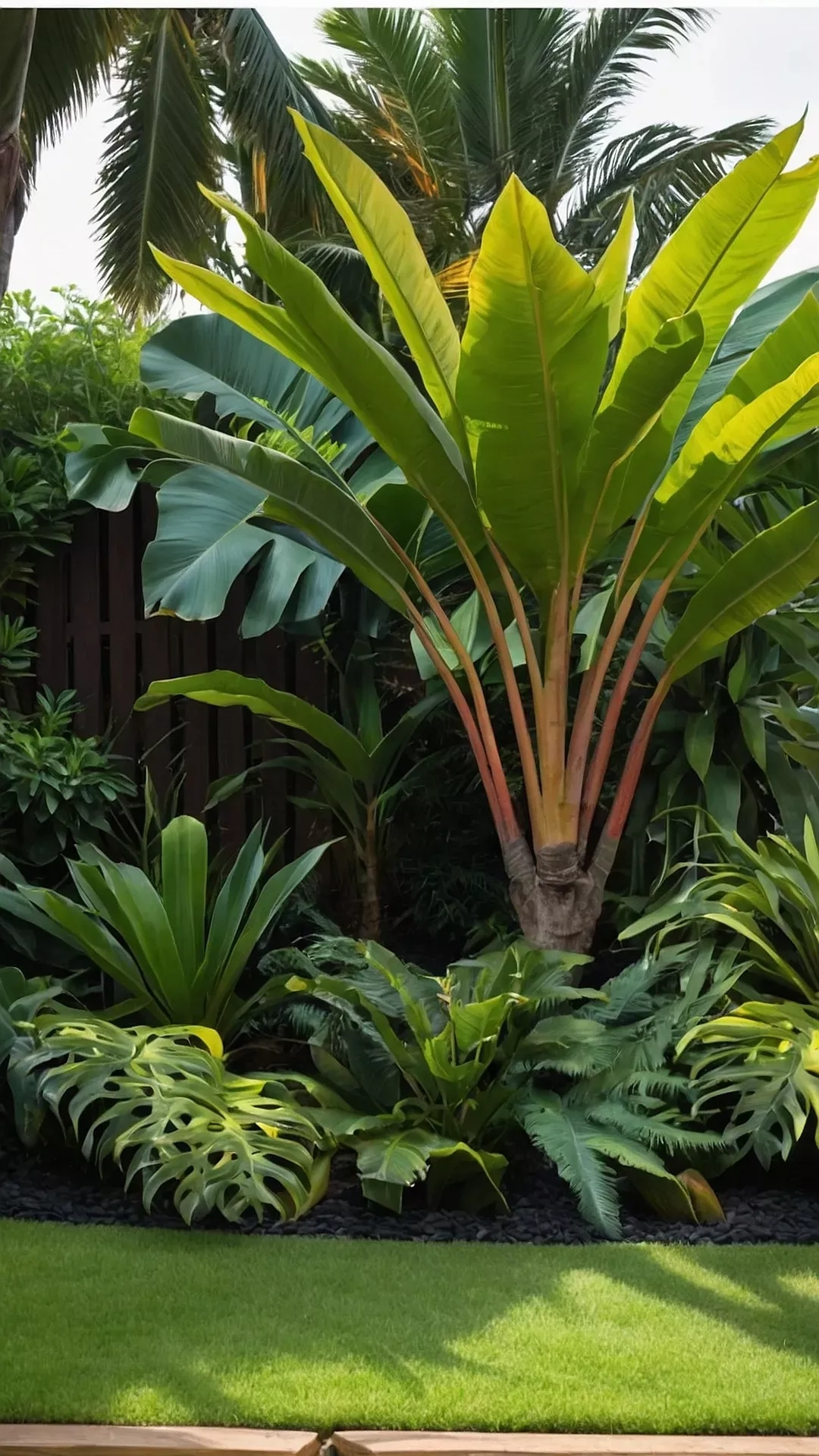
We often obsess over blooms. We want bright reds and yellows popping everywhere. But flowers are fleeting. They last a week, maybe two, and then they’re done. Tropical vibes, however, are about the green. It’s the constant, humid feel of endless foliage. If you focus 80% of your budget on leafy plants and only 20% on flowers, your garden will look lush every single day of the year, not just during bloom season.
Think about texture. This is where the magic happens. Mix broad, glossy leaves with feathery, fine textures. A Monstera next to a fern creates visual interest even though they are both green. In 2026, many nurseries are offering "tropical-hardy" varieties that can survive mild winters or are easy to bring indoors. Hostas, for example, aren’t technically tropical, but their huge leaves mimic the look perfectly and they are incredibly affordable.
Don’t be afraid of variegation, either. Plants with white or yellow streaks in their leaves catch the light and brighten up shady corners. Caladiums are a great example. They come in wild colors and patterns, acting like flowers but lasting much longer. By prioritizing foliage, you reduce the need for constant replanting. You’re building a structure of green that stays put. It’s lower maintenance and higher impact. Plus, green is calming. It lowers your heart rate. Isn’t that why we’re doing this in the first place?
Hardscaping Hacks: Creating Paths and Zones on a Dime
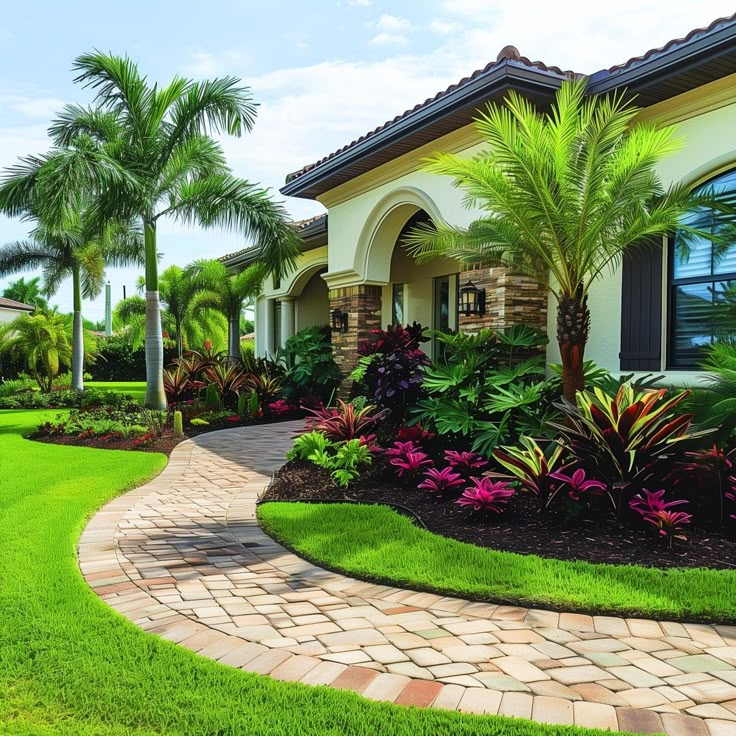
A tropical escape needs structure. You need places to sit, paths to walk, and boundaries to define the space. But stone pavers and custom decking cost a fortune. So, what’s the alternative? Gravel and mulch. Seriously. A thick layer of dark brown or black mulch instantly makes green plants pop. It looks rich and finished. It’s also cheap. You can buy it in bulk bags or even get free wood chips from local tree trimming services if you’re willing to pick them up.
For pathways, consider stepping stones set in gravel. You don’t need perfect squares. Irregular flagstones or even broken concrete (urbanite) found on recycling sites can work beautifully. The gaps filled with creeping thyme or moss add to the overgrown, natural feel. This approach is forgiving. If a stone shifts, it’s part of the charm. It feels organic, not manufactured.
Water features are another huge draw, but pumps and ponds are pricey. Try a simple recirculating fountain made from a large ceramic pot and a submersible pump. The sound of trickling water masks street noise and adds that sensory layer of a real resort. You can hide the mechanics with rocks and plants. It’s a small detail, but the auditory experience changes everything. It makes the space feel alive. And if you’re handy, building a simple bamboo screen for privacy costs a fraction of a wooden fence and adds instant exotic flair.
The Power of Containers: Flexibility and Frost Protection
Not everyone has perfect soil. Some of us have clay that won’t drain, or rocky ground that breaks shovels. Containers are your best friend here. They allow you to control the environment completely. Plus, they offer flexibility. If a spot isn’t working, you can move the plant. In colder climates, this is essential. You can’t leave a banana plant outside in January, but you can wheel its pot into the garage.
Thrifting is key for containers. You don’t need matching terracotta pots. In fact, mismatched looks more authentic. Look for old galvanized tubs, wooden crates, or even cracked ceramic bowls. Drill holes in the bottom for drainage, paint them in bold colors like teal or mustard if you want a pop, and plant away. Grouping pots of different heights creates a mini-landscape on your patio.
Use the "thrill, fill, and spill" method for each container. One tall plant (thrill), some bushy mid-level plants (fill), and a trailing vine (spill). This ensures every pot looks full and intentional. It prevents that sad, lonely plant in a big pot look. And because you’re containing the roots, you can use cheaper, faster-growing annuals that might otherwise take over your whole yard. It’s controlled chaos.
Lighting and Ambiance: Extending the Escape into the Night
Your tropical oasis shouldn’t disappear when the sun goes down. Evening is often when we have the most time to enjoy our backyards. Lighting sets the mood. But avoid the harsh, blue-white floodlights. They kill the vibe. You want warm, soft, golden light. Think fireflies, not stadium lights.
Solar lights have come a long way in recent years. In 2026, you can find high-quality solar path lights and string lights that last all night on a single charge. String lights draped overhead create a canopy effect, mimicking the dense cover of a jungle roof. Wrap them around tree trunks or along fences. It’s inexpensive and instantly cozy.
Don’t forget fire. A simple fire pit, even a portable one, draws people in. It provides warmth on cooler nights and a focal point for gathering. Surround it with comfortable, weather-resistant seating. You don’t need expensive outdoor sofas. Pallets with thick cushions and outdoor-rated pillows work just fine. Add some citronella candles or torches to keep the bugs at bay. The flickering flame adds movement and warmth, making the space feel intimate and safe. It’s the ultimate invitation to relax.
The final piece of the puzzle is knowing where to look. Never pay full price if you can help it. Plant swaps are goldmines. Join local gardening groups on social media. People are often desperate to get rid of excess hostas, ferns, or spider plants. You trade a cutting from your mint plant for a division of their elephant ear. Everyone wins. It’s community building, too.
Check out end-of-season sales. Nurseries mark down tropicals heavily in late summer and early fall. Buy them then, keep them alive indoors over winter, and you’ll have a head start next spring. Also, look for "imperfect" plants. A bent stem or a few yellow leaves don’t mean a plant is dead. Often, a little trim and some good soil will bring it back to life for half the cost.
And don’t underestimate the power of propagation. Many tropical plants, like pothos, philodendrons, and monsteras, root easily in water. Ask friends for cuttings. Start your own nursery on a windowsill. It takes time, but it’s free. By being patient and resourceful, you build a garden that has history and meaning, not just a receipt. It becomes a project of love, not just consumption.
Creating a tropical escape isn’t about perfection. It’s about feeling. It’s about the smell of damp earth, the sound of leaves, and the sight of green that soothes your soul. You don’t need a lot of money to find that peace. You just need a little creativity, some sweat equity, and the willingness to let things grow wild. So grab a shovel. Your paradise is waiting.