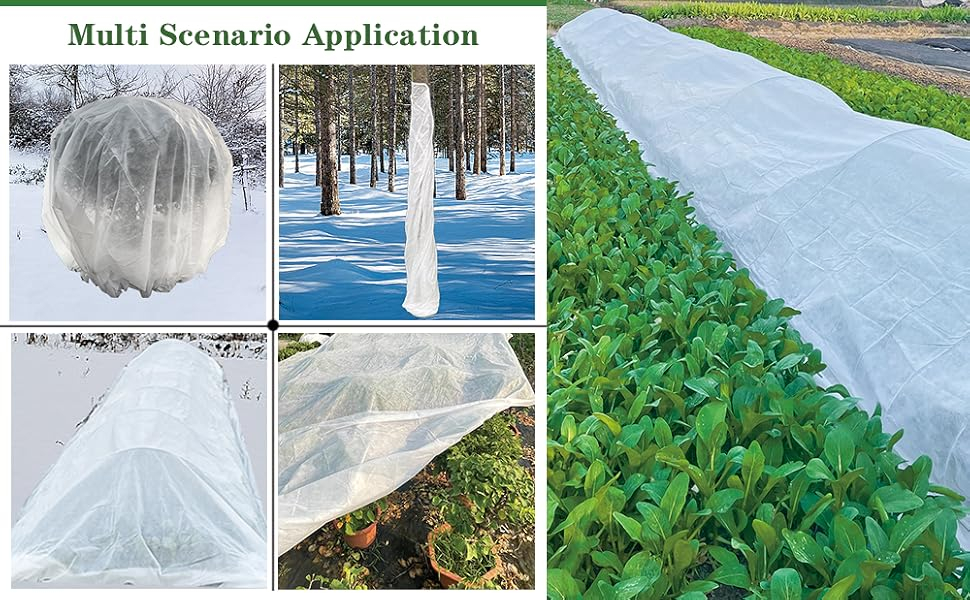

Step outside into your garden on a crisp autumn morning just as the dew settles into frost. You might see the final structural remnants of your summer squash vines drooping under a thin glaze of ice, but the real drama is unfolding out of sight. Beneath your boots, a silent, microscopic city is bracing for impact. Gardeners often focus entirely on saving their above-ground foliage, rushing out with old bedsheets when a sudden freeze warning flashes on their phones. Yet, ignoring the soil itself is the single biggest gamble you can make heading into the winter season.
Soil is not just inert dirt waiting for seeds; it is a living, breathing matrix of fungal networks, earthworms, beneficial bacteria, and complex chemical architectures. When sub-freezing temperatures arrive without a proper buffer, the physical and biological consequences ripple straight through into the next growing season. Left unprotected, the earth you worked so hard to amend, weed, and nourish all summer can literally crumble beneath your feet.
Understanding how to safeguard this vital foundation before the first hard freeze requires looking past simple frost blankets and focusing on the earth below. As weather patterns grow increasingly unpredictable and winters bring sharper temperature swings, treating soil armor as an optional chore is a recipe for garden failure. The stakes are high: unshielded ground loses its tilth, washes away in torrential winter rains, and sees its essential nutrient cycles grind to a halt long before spring ever arrives.
For generations, the traditional approach to winter gardening meant cleaning beds down to bare dirt, raking every last leaf into the trash, and letting the winter wind scour the landscape. We now know this historical practice strips the earth of its natural armor. When European settlers brought intensive agriculture to North America, they often overlooked indigenous cyclical wisdom regarding ground cover, leading to historical dust bowls and severe topsoil depletion. Today, modern soil science confirms that leaving garden beds bare over the winter invites structural collapse. The mechanical force of freezing water expands within unshielded pores, shattering aggregates and turning rich loam into a compacted, waterlogged paste by March.
The contemporary landscape of home horticulture demands a shift in timing. With shifting frost dates becoming the norm across many hardiness zones, relying on traditional calendar dates to guide your garden chores no longer works. You have to watch local soil temperatures, which drop more slowly than air temperatures but stay dangerously cold once a deep freeze settles in. If you wait until the ground is frozen solid to think about protection, you have already missed the window. Winterizing your soil is an act of foresight, creating a thermal and biological shield that dampens extreme temperature fluctuations before they can devastate your underground ecosystem.
Building this resilience requires looking at the ground beneath your plants as a dynamic engine. When a hard freeze hits bare earth, the frost line plunges downward, shattering soil aggregates and driving earthworms deep into sub-surface dormancy while exposing beneficial microbes to lethal thermal shock. By contrast, well-protected soil maintains a more stable microclimate just beneath the surface. This thermal buffering keeps root zones alive, protects mycorrhizal fungi from dying off, and ensures that the organic matter you added last spring continues its slow, steady transformation into humus.
The Anatomy of Winter Soil Degradation and Frost Mechanics
To understand why winter soil protection is mandatory, you have to examine what physically happens to the earth when temperatures plummet below thirty-two degrees Fahrenheit. Water is anomalous because it expands as it freezes, increasing in volume by roughly nine percent. When soil is overly saturated with autumn rains and lacks an insulating cover, this trapped moisture turns into expanding ice crystals. As these crystals grow, they push soil particles apart, destroying the delicate crumb structure—or tilth—that took years of composting and cover cropping to build. This destructive process is known as freeze-thaw cycling, and it repeats every time a sunny winter day melts the top layer of uninsulated soil only for it to refreeze overnight.
The consequences of repeated freeze-thaw cycles extend far beyond structural ruin. As ice lenses form and melt, they create a phenomenon called frost heaving, which can physically push newly planted perennials, garlic cloves, and shallow shrubs right out of the ground, exposing their fragile root systems to the drying winter air. Furthermore, bare soil subjected to these mechanical forces loses its infiltration capacity. The pounding action of winter rain beats unprotected soil particles into a dense, impermeable crust. When spring arrives, water simply runs off the surface rather than soaking in, carrying away precious topsoil, nitrogen, and phosphorus into local waterways instead of feeding your future vegetables.
Beneath the surface crust, the biological toll is equally severe. A healthy teaspoon of garden soil contains billions of bacteria, millions of fungi, and thousands of protozoa and nematodes working in a complex food web. When a sudden hard freeze hits unprotected ground, the rapid temperature drop causes cellular rupture in many of these unadapted microorganisms. Mycorrhizal fungi, which form symbiotic relationships with plant roots to deliver water and nutrients, suffer massive die-offs when soil temperatures swing wildly. Without these microscopic partners, your soil transitions from a vibrant, living sponge into a sterile, lifeless medium that requires massive chemical inputs just to grow a mediocre tomato.
Nutrient leaching compounds the disaster. During the winter months, organic matter continues to mineralize slowly, releasing nitrates and other soluble nutrients. In unmulched, unprotected beds, heavy winter precipitation washes these nutrients deep past the root zone or flushes them away entirely. By spring, your soil is not only structurally compromised and biologically depleted, but it is also chemically starved. Preventing this cascade of failures requires treating your garden beds before the first freeze as a coordinated defense strategy involving physical insulation, moisture management, and biological preservation.
Assessing Drainage and Moisture Retention Prior to Freezeup
Long before the first frost advisory hits your local weather station, your primary diagnostic task should be evaluating how your garden soil handles water. Excess moisture is the silent killer of winter gardens. If your soil has poor drainage, autumn rains saturate the pore spaces, leaving nowhere for water to go when temperatures drop. When this water-logged earth freezes, it forms an absolute barrier to oxygen. Plant roots, which require continuous respiration even in a semi-dormant state, suffocate. Checking your soil drainage in late autumn allows you-to spot compaction zones and low spots that will turn into miniature ice rinks once winter fully sets in.
A simple percolation test can reveal whether your beds are ready for winter or heading for disaster. Dig a hole roughly twelve inches deep and wide, fill it with water, and let it drain completely. Refill the hole immediately and measure how many inches the water level drops per hour. If your soil drains less than an inch an hour, you are dealing with heavy clay or severe compaction that requires immediate intervention. Before the freeze locks the ground in place, you can remediate these problem areas by broadforking the soil to aerate it without inverting the layers, or by incorporating coarse organic matter like aged wood chips and bark fines to create permanent channels for water movement.
Moisture management also means striking a delicate balance just before the freeze arrives. You do not want to wrap bone-dry soil in insulation, nor do you want a muddy bog. Dry soil actually freezes faster and deeper than moist soil because water has a high specific heat capacity, meaning it takes a significant amount of energy to change its temperature. Giving your garden beds a deep, thorough watering a day or two before an expected hard freeze acts as a thermal battery. The moisture trapped in the soil profile holds heat longer, protecting plant roots and soil microbes from sudden, catastrophic temperature drops.
At the same time, managing surface moisture requires strategic grading and runoff diversion. If winter downpours pool in the middle of your vegetable beds, the subsequent freezing will expand those puddles, destroy your bed edges, and drown any overwintering root crops like carrots or parsnips. Installing simple French drains, raising the shoulders of your beds, or creating gentle slopes away from planting zones ensures that excess water drains away safely. Once moisture levels are balanced and drainage pathways are clear, the soil is primed for the application of protective physical covers.
The Science and Application of Strategic Winter Mulching
Mulching is the single most effective intervention a gardener can make to protect soil integrity during the winter months. However, throwing random yard waste onto your beds without a plan can do more harm than good. The goal of a winter mulch layer is not merely to keep the ground warm; it is to moderate extreme temperature fluctuations, prevent wind and water erosion, and feed the soil food web as the material slowly decomposes. In regions experiencing harsh winters with deep freezes, applying a thick layer of organic mulch acts as a heavy-duty thermal blanket, keeping the soil temperature relatively stable even when the air temperature plunges into single digits.
Choosing the right material depends on your specific climate zone and garden layout. Shredded hardwood bark, leaf mold, straw, and clean marsh hay are gold standards for winter soil protection. Avoid using uncomposted, high-nitrogen materials like fresh lawn clippings right before a freeze, as they can mat down into an impermeable, slimy barrier that suffocates the soil and encourages fungal diseases. For standard garden beds, a three-to-four-inch layer of organic mulch is ideal. If you garden in colder northern zones where freeze-thaw cycles are particularly brutal, increasing that thickness to four or six inches provides the necessary buffer to prevent frost heaving.
Timing your mulch application is critical to its success. Applying mulch too early in the autumn, while the ground is still warm and active, can trap excessive moisture and create an inviting habitat for voles, mice, and other rodents looking for a cozy winter nest near your prize fruit bushes. Conversely, waiting until after the ground has frozen solid locks the cold in, preventing the soil from absorbing winter moisture and delaying spring warm-up. The sweet spot is applying your mulch just after the first light frost has touched the surface—when daytime temperatures are cooling down consistently, but the ground is still workable.
When laying down your mulch, technique matters just as much as depth. Keep mulch materials a few inches away from the main stems and trunks of woody perennials, shrubs, and fruit trees. Pushing damp mulch directly against plant bark traps moisture against the stem, inviting collar rot, fungal infections, and pest damage over the winter. Instead, create a donut-shaped ring around plants, ensuring the root zone beneath is heavily insulated while the crown remains dry and aerated. As winter transitions into spring, this organic layer will have partially broken down, ready to be side-dressed or worked lightly into the top layer of soil to enhance fertility for the upcoming season.
Step-by-Step Practical Protocol for Winter Soil Armor
Protecting your garden soil before the first 2026 freeze requires a systematic approach. Follow this field-tested protocol to ensure your beds emerge from winter in peak condition:
- Step 1 (Clear and Triage): Remove diseased plant debris, old fruit drops, and spent annuals that could harbor overwintering insect pests or fungal spores. Leave healthy root structures of non-diseased plants in place to hold the soil architecture together.
- Step 2 (Assess and Aerate): Test soil drainage and use a broadfork or garden fork to loosen compacted pathways and beds without turning the soil over. This preserves the vertical strata and natural fungal networks.
- Step 3 (Hydrate the Profile): Deliver a deep, soaking irrigation to your garden beds 24 to 48 hours before the forecasted first freeze. This ensures the soil holds enough thermal mass to buffer against sudden temperature drops.
- Step 4 (Apply Organic Armor): Spread a 3-to-6-inch layer of shredded leaves, clean straw, or aged wood chips across all bare soil surfaces. Ensure materials are free of persistent herbicides and weed seeds.
- Step 5 (Establish Crown Clearances): Pull the mulch back two to three inches from the crowns of perennials, garlic shoots, and woody stems to prevent moisture retention rot and rodent nesting.
Common Pitfalls and Field-Tested Workarounds
Even experienced gardeners make critical errors when preparing their soil for winter. Recognizing these pitfalls and applying practitioner workarounds keeps your soil safe:
- Pitfall 1 (Using Treated or Herbicide-Contaminated Mulch): Applying commercial mulches or municipal compost containing residual aminopyralid or clopyralid herbicides can stunt or kill your spring crops. Workaround: Source mulch exclusively from trusted local arborists, verified organic farms, or your own property’s shredded autumn leaves.
- Pitfall 2 (Over-Compacting Soil Before Covering): Walking heavily across wet garden beds while installing winter protection destroys soil structure. Workaround: Use wide wooden boards or stepping stones distributed across the beds to disperse your weight evenly while working.
- Pitfall 3 (Leaving Beds Completely Bare of Living Roots): Letting soil sit totally idle and empty allows microbial populations to crash and encourages nutrient leaching. Workaround: Plant cold-hardy cover crops like winter rye, crimson clover, or hairy vetch well before the frost date, or use heavy organic mulches to substitute for living cover.
- Pitfall 4 (Applying Nitrogen Fertilizers Too Late): Pushing late-season growth with high-nitrogen amendments triggers tender, frost-vulnerable tissue that damages the overall plant-soil balance. Workaround: Cease nitrogen applications at least six weeks before your historical first frost date and focus solely on soil-building amendments like rock phosphate and greensand.
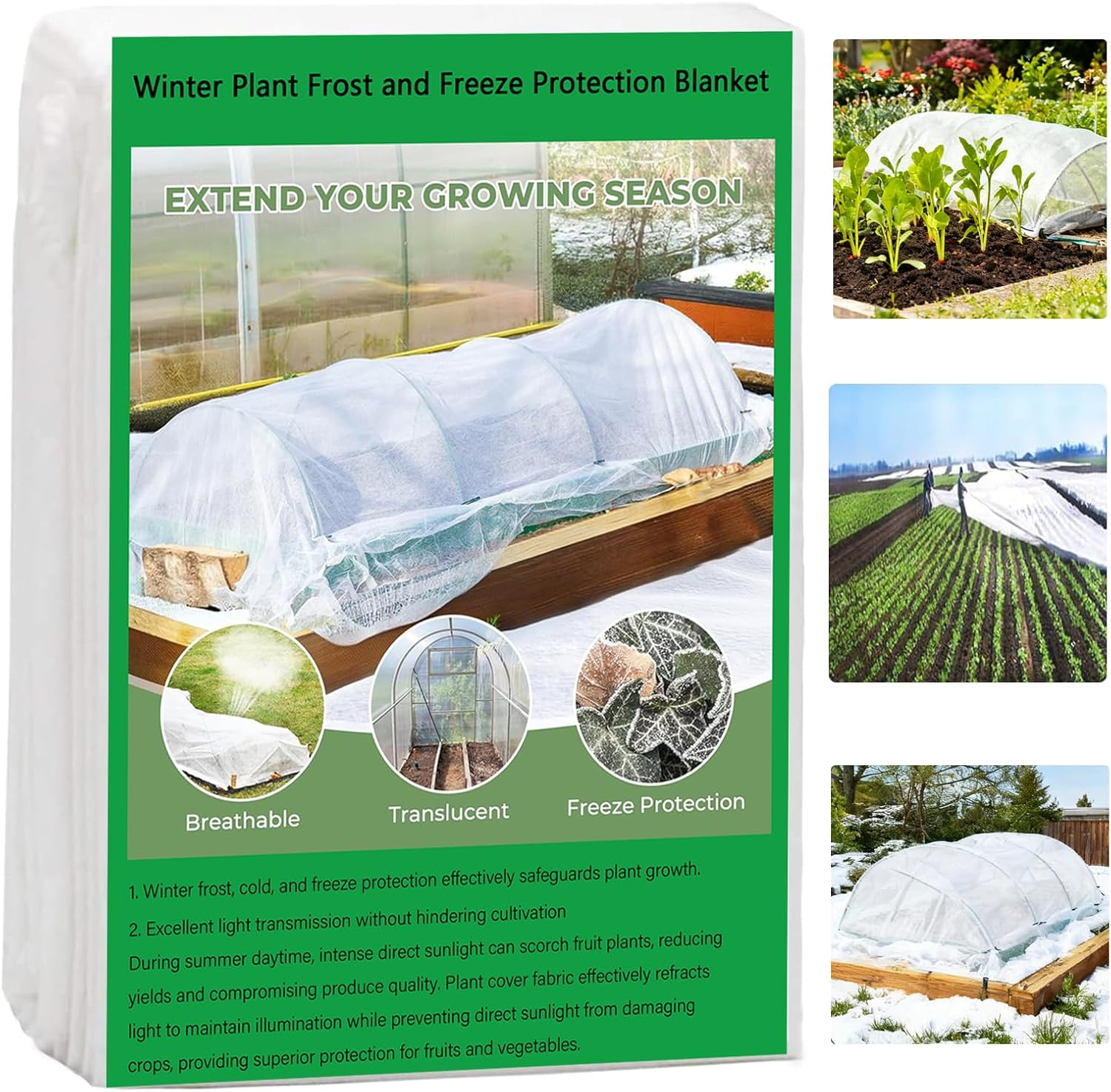
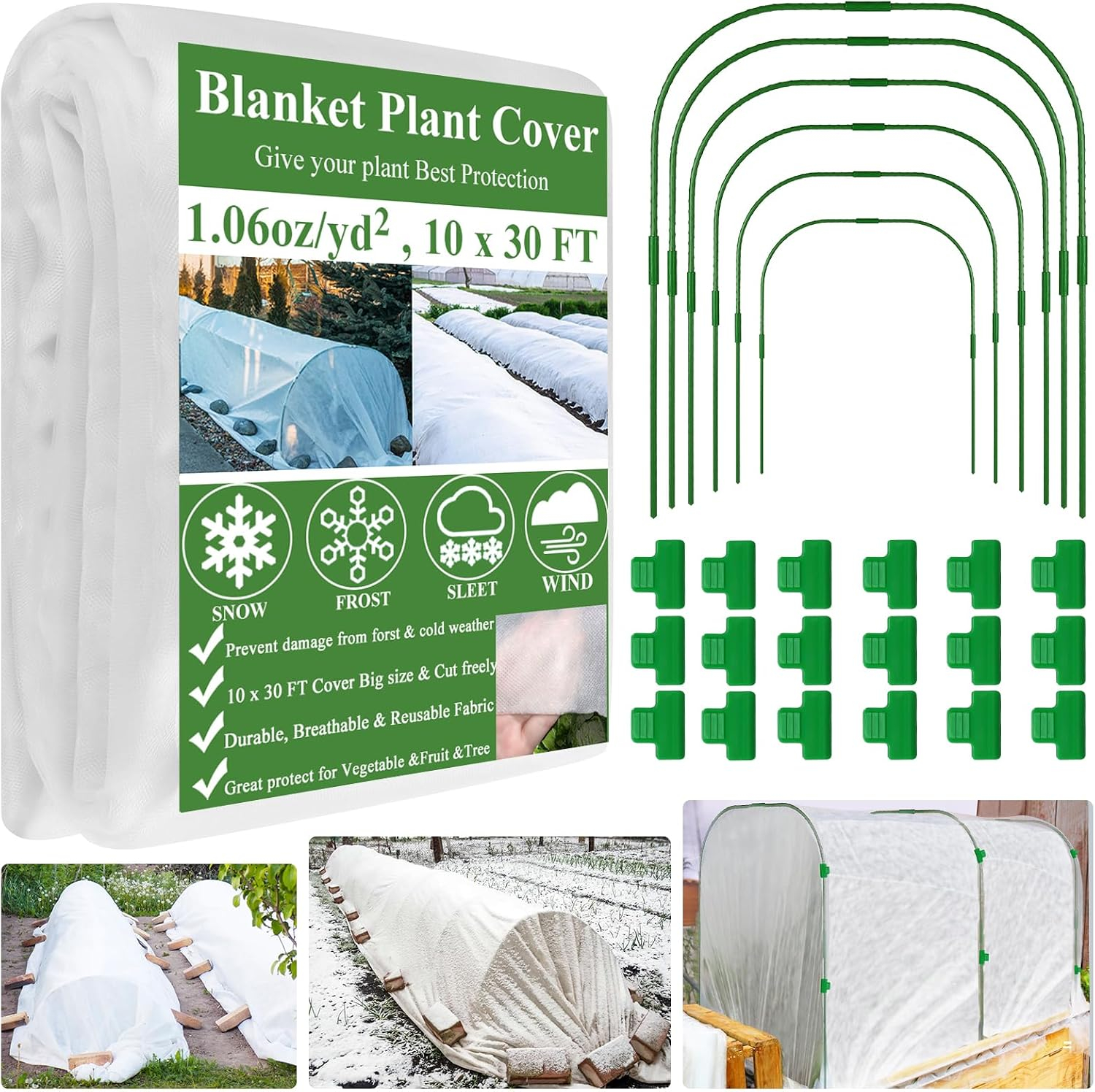
- Pitfall 5 (Sealing Beds with Plastic Sheeting): Using solid plastic sheets to keep beds dry cuts off oxygen exchange entirely, suffocating aerobic soil bacteria. Workaround: Always use breathable organic mulches or permeable woven geotextile fabrics that allow moisture and gas exchange while blocking frost damage.
The Broader Impact of Winter Soil Care on Long-Term Garden Resilience
When you invest time and physical effort into protecting your soil before a winter freeze, you are not just checking off an end-of-season chore; you are making a down payment on the long-term ecological health of your landscape. Soil that is properly shielded retains its structural integrity year after year, building a deeper, richer humus layer that naturally increases water-holding capacity during summer droughts. This resilience means your garden requires less irrigation, fewer synthetic fertilizers, and less manual intervention as it matures into a self-sustaining ecosystem.
Looking toward future growing seasons, protected soil acts as a carbon sink. Modern agricultural research increasingly emphasizes the critical role healthy garden soils play in sequestering atmospheric carbon. By keeping the soil biology alive and active through the winter months rather than letting it freeze into a sterile wasteland, you preserve the microbial communities that lock carbon into stable organic compounds. This sustainable approach transforms your backyard plot into an active participant in environmental stewardship, proving that localized gardening choices have broader ecological benefits.
The economic value of this practice is equally clear. Buying bags of commercial topsoil, chemical fertilizers, and replacement plants every single spring because your uninsulated garden washed away or turned to dust is an expensive habit. By prioritizing winter soil protection, you cut down on input costs. Your soil gets richer, darker, and more fertile with each passing year, feeding your crops without requiring heavy chemical supplementation. This compounding interest in soil health is the true secret behind master gardeners who pull abundant harvests from seemingly difficult climates.
Ultimately, preparing your garden soil for winter shifts your mindset from being a reactive manager to a proactive steward. Nature does not leave soil bare; forest floors are covered in leaf litter, prairies are blanketed in dense root thatch, and undisturbed earth is always protected by organic armor. By mimicking these natural systems in your own backyard, you align your gardening practices with ecological reality. The payoff arrives the moment you turn over that dark, crumbly earth in the spring, ready to plant with confidence knowing the underground world survived the winter freeze intact.
Actionable Recommendations and Key Takeaways
To ensure success as you approach the winter season, keep these core principles at the forefront of your garden management plan:
- Prioritize the Sub-Surface: Treat soil health as your primary winter objective, remembering that protecting roots and microbes is just as important as shielding above-ground foliage.
- Time Your Interventions Accurately: Apply organic mulches after the first light frost but before the ground freezes solid to optimize moisture retention and thermal buffering.
- Maintain Biological Activity: Avoid sterile practices like stripping beds down to bare, compacted dirt; instead, maintain living root systems or rich organic covers year-round.
- Manage Drainage Proactively: Correct low spots, loosen compaction with non-inversion tools, and ensure winter rains shed away from planting beds to prevent freezing water damage.
As you finish tucking your garden beds in for the winter, take a moment to appreciate the quiet power of the earth beneath your hands. The cold months ahead are not a period of garden death, but a season of deep, necessary rest and underground transformation. By giving your soil the protection it needs before that first hard freeze, you create a safe harbor for the countless organisms that make gardening possible in the first place.
When the snows melt and the spring sun finally warms the earth next year, your efforts will speak for themselves. You will step out onto soil that is dark, rich, and teeming with life—ready to support whatever seeds and dreams you choose to plant. Embrace this seasonal rhythm, protect your foundation, and watch your garden reward your foresight with beauty and abundance all year long.