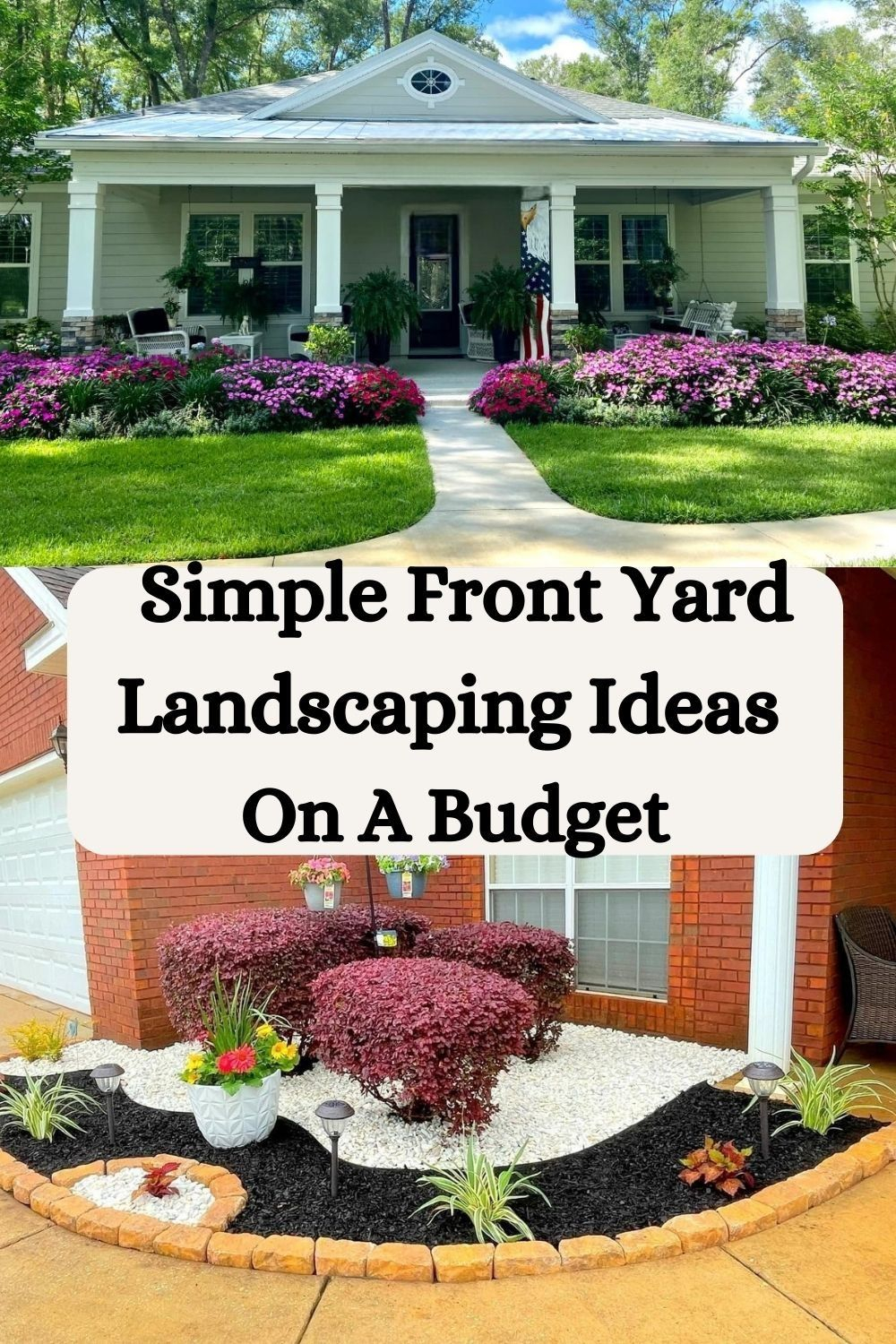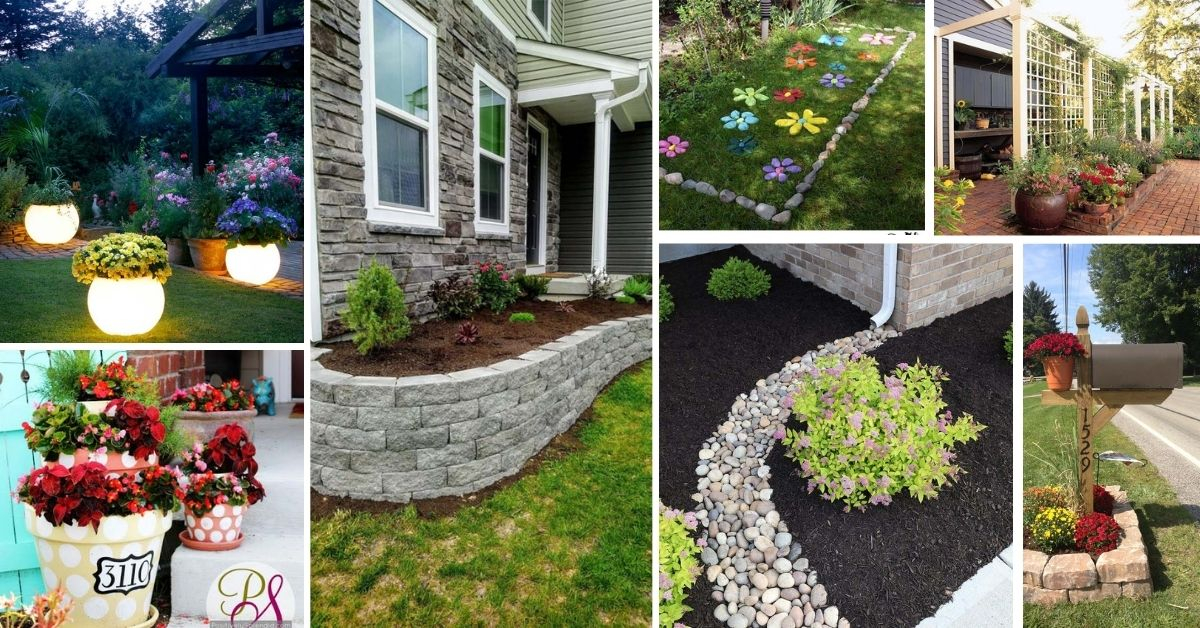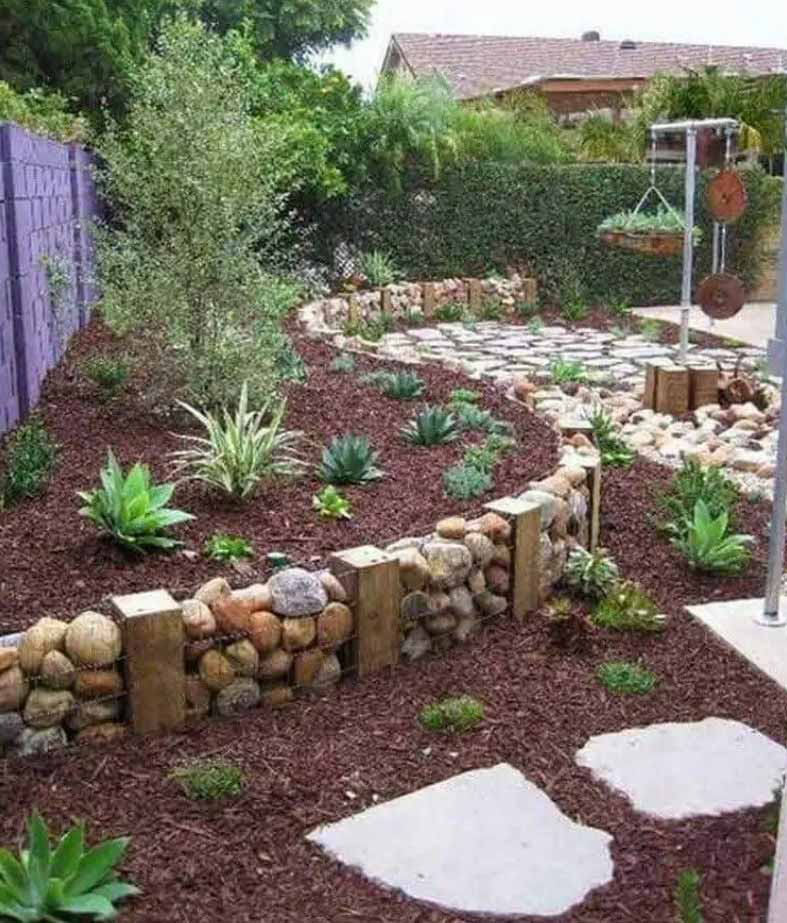

Let’s be honest for a second. Does anyone actually love spending their Saturday morning pushing a mower or pulling weeds? Probably not. We all want that lush, inviting outdoor space we see in magazines, but the reality of keeping it looking good is often exhausting and expensive. It feels like a never-ending cycle of watering, trimming, and fixing. But what if it didn’t have to be that way? What if you could spend less time working in your yard and more time actually enjoying it?
The secret isn’t hiring a pricey crew or installing high-tech gadgets you’ll never use. It’s about working smarter, not harder. In 2026, the trend is shifting away from perfect, manicured lawns toward landscapes that are resilient, affordable, and easy to care for. At the heart of this shift is one humble hero: mulch. Combined with smart plant choices and a bit of planning, mulching can transform your yard from a chore into a sanctuary. This guide will walk you through exactly how to do it, without breaking the bank or your back.
Rethinking the Lawn: Less Grass, More Life
For decades, the standard suburban dream was a carpet of green grass. But grass is needy. It demands water, fertilizer, and constant cutting. Recent insights from landscaping experts suggest that reducing the size of your lawn is one of the most effective ways to cut down on maintenance. By swapping out sections of turf for gravel paths, mulched garden beds, or hardy shrubs, you instantly drop the amount of work required.
This doesn’t mean you have to get rid of your lawn entirely. Think of it as right-sizing. Keep the grass where you need it for play or pets, and replace the rest. Expanding mulched garden beds or planting native ground covers in those awkward, hard-to-mow corners can save you hours each month. Plus, these changes often look more intentional and stylish than a patchy, struggling lawn. It’s about creating functional spaces that serve you, rather than serving the grass.
Another benefit? Your wallet will thank you. Less lawn means lower water bills and fewer trips to the garden center for seed and fertilizer. In an era where every dollar counts, shrinking your turf footprint is a smart financial move. You’re not just saving time; you’re investing in a landscape that pays you back in leisure.
The Magic of Mulch: Why It’s Your Best Friend
If there’s one thing you take away from this article, let it be this: mulch is non-negotiable. It’s not just decorative; it’s functional armor for your soil. Strategically placed mulch improves moisture retention, which means you water less. It also blocks sunlight from reaching weed seeds, significantly limiting weed growth. This dual action—saving water and stopping weeds—is the cornerstone of low-maintenance gardening.
But not all mulch is created equal. Organic options like shredded bark, wood chips, or even pine needles break down over time, adding nutrients back into the soil. This builds healthy earth that supports strong plant roots. Inorganic mulches like gravel or stone are great for high-traffic areas or modern designs, as they don’t decompose. However, they don’t improve soil health. For most homeowners, organic mulch is the best bang for your buck.
Don’t overlook the simplest form of mulching either: leaving your grass clippings on the lawn. Known as "grasscycling," this practice shelters the grass, reduces the need for extra water, and protects against invasive weeds. It’s free, easy, and one of the cheapest time-savers in yard upkeep. So, next time you mow, keep the bag off. Let those clippings do their work.
Choosing Plants That Play Nice Together
Here’s a pro tip that sounds obvious but is often ignored: group plants with similar needs. Imagine trying to keep a cactus and a fern happy in the same pot. It’s a nightmare, right? The same logic applies to your yard. By grouping trees and shrubs that have similar water and sunlight requirements, you simplify care immensely. You can water one zone efficiently without worrying about drowning the drought-tolerant plants or parching the thirsty ones.
Speaking of drought-tolerant plants, they are your new best friends. Native species are particularly valuable because they’ve evolved to thrive in your local climate. They resist pests and diseases better than exotic imports, which means less spraying and less worry. In 2026, the push for sustainable landscaping is stronger than ever, and choosing native, hardy shrubs and flowering ground covers is a key part of that movement.
These plants don’t just survive; they thrive. They block weeds naturally by filling in space, and they conserve water by design. When you choose the right plants, you’re setting yourself up for success. You’re working with nature, not against it. And when nature is on your side, maintenance drops dramatically. It’s a win-win for your schedule and the environment.
Smart Watering and Hardscaping Tricks
Watering is often the biggest time sink in yard care. Hand-watering is tedious, and inefficient sprinklers waste resources. The solution? Smart irrigation. Implementing systems with timers or smart controllers ensures your plants get exactly what they need, when they need it. No more guessing, no more forgotten hoses running all day. These systems can adjust based on weather conditions, saving you money and preventing overwatering.
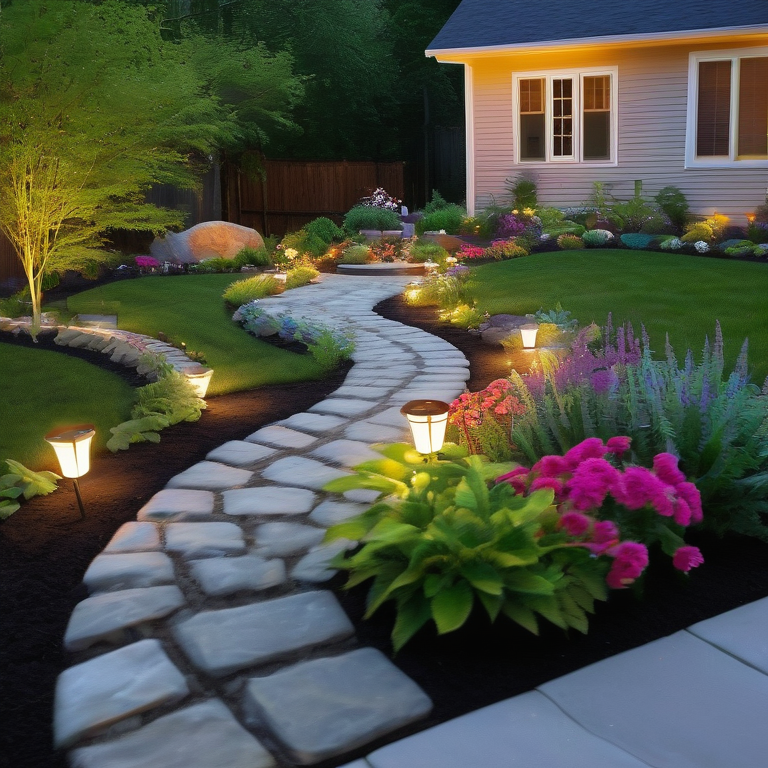
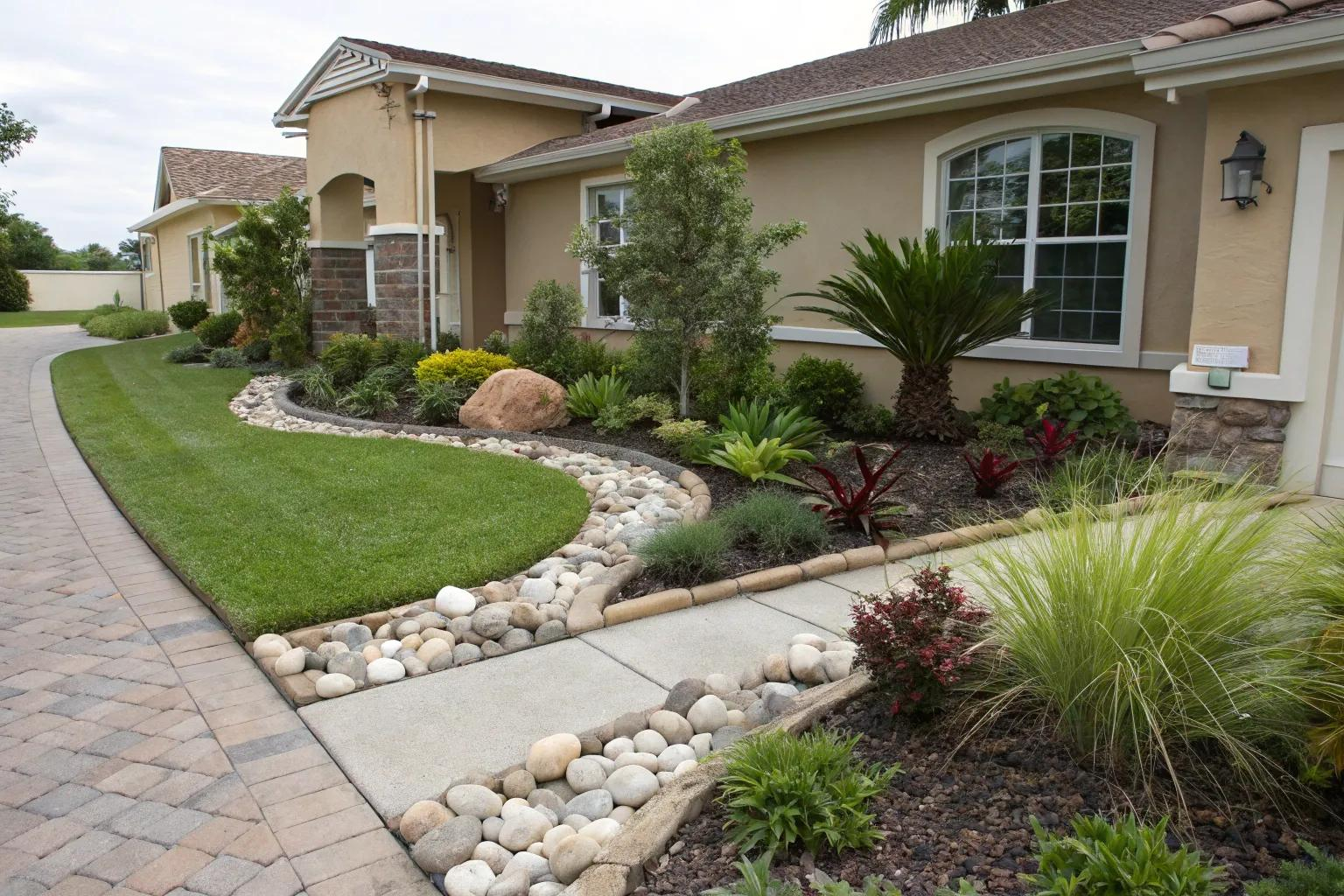
Hardscaping is another powerful tool. Features like stone pathways, patios, or retaining walls add structure and beauty to your yard without requiring any upkeep. Unlike plants, stones don’t need water, pruning, or feeding. They provide a clean, polished look that contrasts nicely with soft plantings. By embracing hardscape elements, you reduce the overall area that needs biological care.
Combining smart irrigation with hardscaping creates a landscape that is both functional and aesthetically pleasing. You get the best of both worlds: the warmth of living plants and the stability of permanent features. This balance is key to a yard that looks good year-round with minimal effort. It’s about designing a space that works for your lifestyle, not just one that looks good in a photo.
Budget-Friendly Mulching Techniques
You don’t need to spend a fortune to mulch like a pro. In fact, some of the best mulching strategies are nearly free. Start by calculating your needs accurately. Overbuying is a common mistake that drains your budget. Measure your beds, determine the depth you want (usually 2-3 inches), and buy accordingly. Many local municipalities offer free or cheap mulch made from recycled yard waste. Check with your city or county services—it’s a great resource that often goes unnoticed.
When applying mulch, technique matters. Don’t pile it up against tree trunks or plant stems. This "volcano mulching" can cause rot and invite pests. Instead, spread it evenly, keeping a small gap around the base of plants. This allows air circulation and prevents disease. It’s a small detail, but it makes a huge difference in the health of your garden.
Also, consider timing. Early spring and fall are ideal times to mulch. In spring, it helps retain moisture as temperatures rise. In fall, it insulates roots against the cold. By timing your application right, you maximize the benefits and minimize the need for top-offs later in the season. It’s about being proactive, not reactive. A little planning goes a long way in keeping costs down.
So, you’ve mulched, planted, and installed smart systems. Now what? The goal isn’t zero maintenance; it’s low maintenance. Even the easiest yards need a little love. But the kind of love they need is minimal. A quick check-in once a week to remove any stray weeds before they take hold is usually enough. Because you’ve used mulch and chosen the right plants, these tasks should take minutes, not hours.
Keep an eye on your irrigation system. A broken sprinkler head or a leaky hose can undo all your hard work. A quick seasonal inspection ensures everything is running smoothly. Also, refresh your mulch as needed. Organic mulch breaks down, so adding a fresh inch every year or two keeps it effective and looking crisp. This is much easier than starting from scratch.
Remember, the point of all this is to enjoy your outdoor space. If you find yourself dreading yard work, reassess. Maybe a plant is in the wrong spot. Maybe you need more mulch. Tweak and adjust until the system works for you. A low-maintenance yard is a living thing, and it should evolve with your needs. Don’t be afraid to make changes. The ultimate goal is a yard that serves you, not the other way around.
In the end, creating an affordable, low-maintenance yard is about making smart choices. It’s about understanding that less can be more. By reducing lawn space, using mulch strategically, choosing native plants, and leveraging smart technology, you create a landscape that is beautiful, sustainable, and easy to care for. You save money, save time, and reduce your environmental impact.
It’s not about perfection. It’s about practicality. It’s about coming home after a long day and feeling relaxed when you look out your window, not stressed. So, grab a shovel, pick up some mulch, and start small. You don’t have to do it all at once. Every step you take toward a smarter yard is a step toward more freedom. And honestly, isn’t that what we’re all looking for?