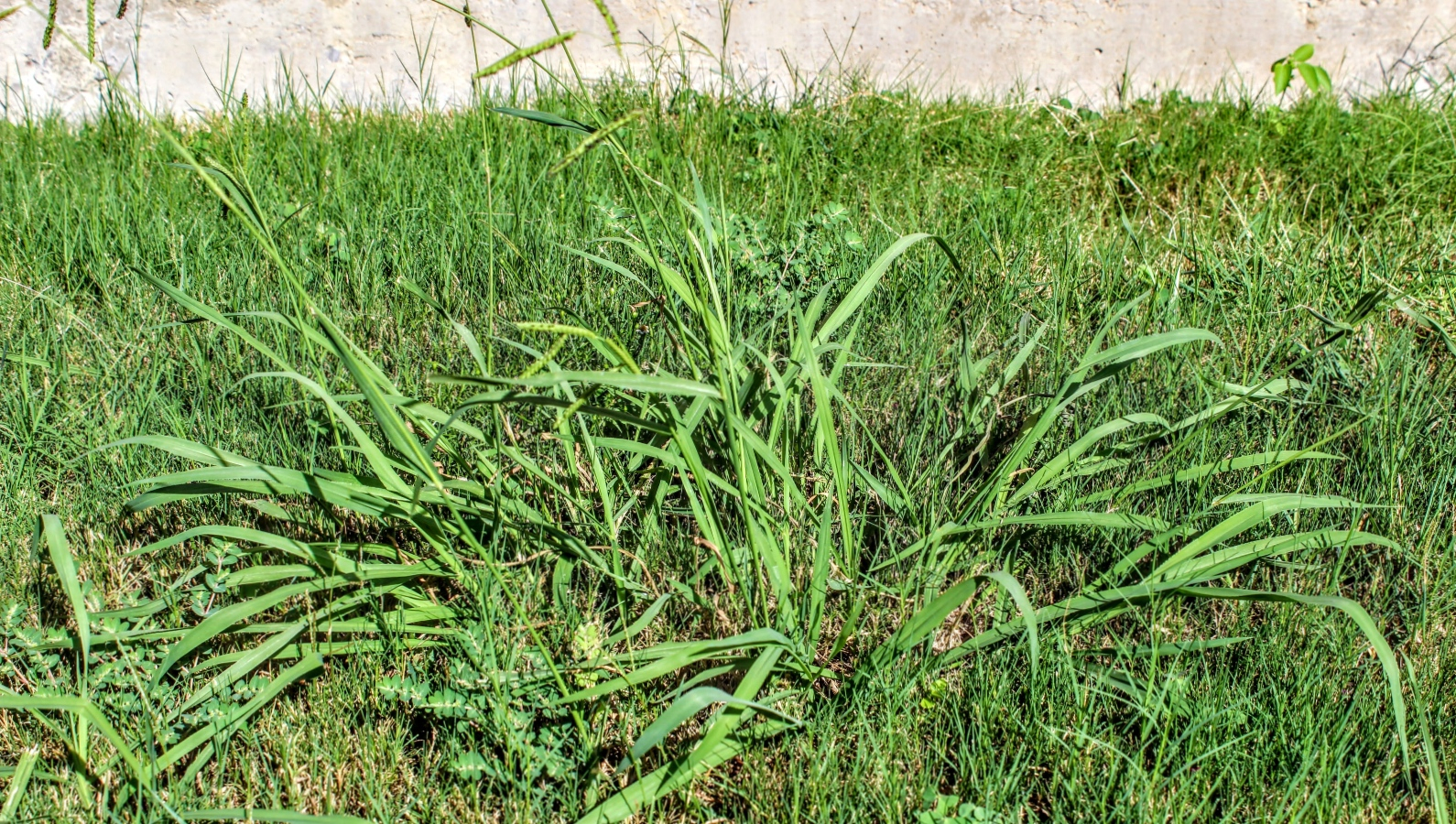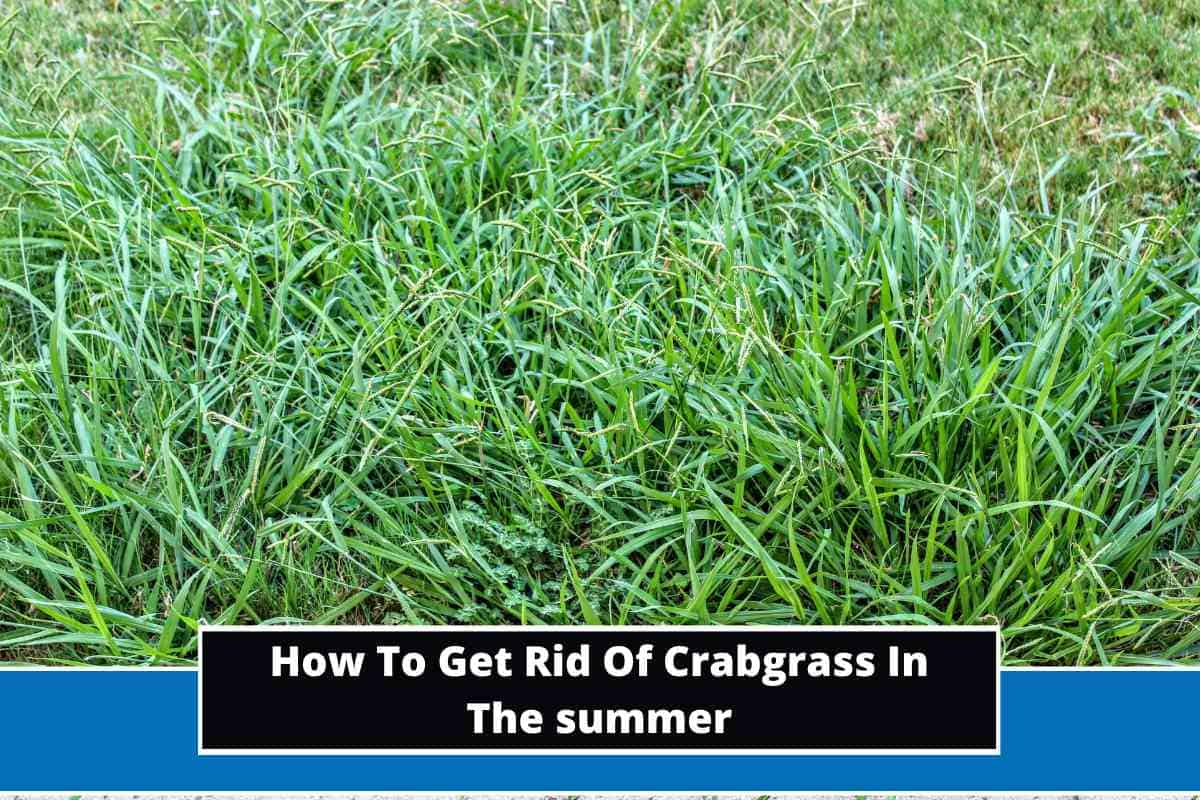

It starts innocently enough every April. As the morning air loses its bite and the soil begins to warm under the strengthening spring sun, you walk out onto your turf with a cup of coffee, admiring the awakening emerald blades. Everything looks pristine. But hidden just beneath the canopy of your desirable Kentucky bluegrass or tall fescue, an ancient, highly adaptive evolutionary machine is waking up. Within a few short weeks, small, light-green tufts with coarse, sprawling leaves begin to push aside your turfgrass, laying down a sprawling fortress that scoffs at summer droughts and laughs at foot traffic.
If you feel like you wage the exact same war against crabgrass every single year, you aren’t imagining things, and you certainly aren’t alone. Millions of homeowners across the country throw down bags of generic weed-and-feed fertilizers every March, only to watch helplessly as crabgrass takes over their yard by July. The frustration is palpable. You spend your hard-earned money, sweat over spreaders, and pull weeds until your back aches, yet the invading enemy returns stronger, wider, and more aggressive than before.
The missing link isn’t a lack of effort; it’s a fundamental misunderstanding of the enemy’s biology and the mechanical rhythms of your own soil. Crabgrass (Digitaria) is not just an annoying plant; it is a master botanical survivor designed to exploit every single weakness in a managed urban ecosystem. To beat it, you have to stop treating the symptoms of an invasion and start understanding the ecological triggers that invite it into your yard in the first place. This spring, we are throwing out the generic advice and taking a deep dive into the real science of crabgrass management.
The Botanical Blueprint of an Unwanted Summer Guest
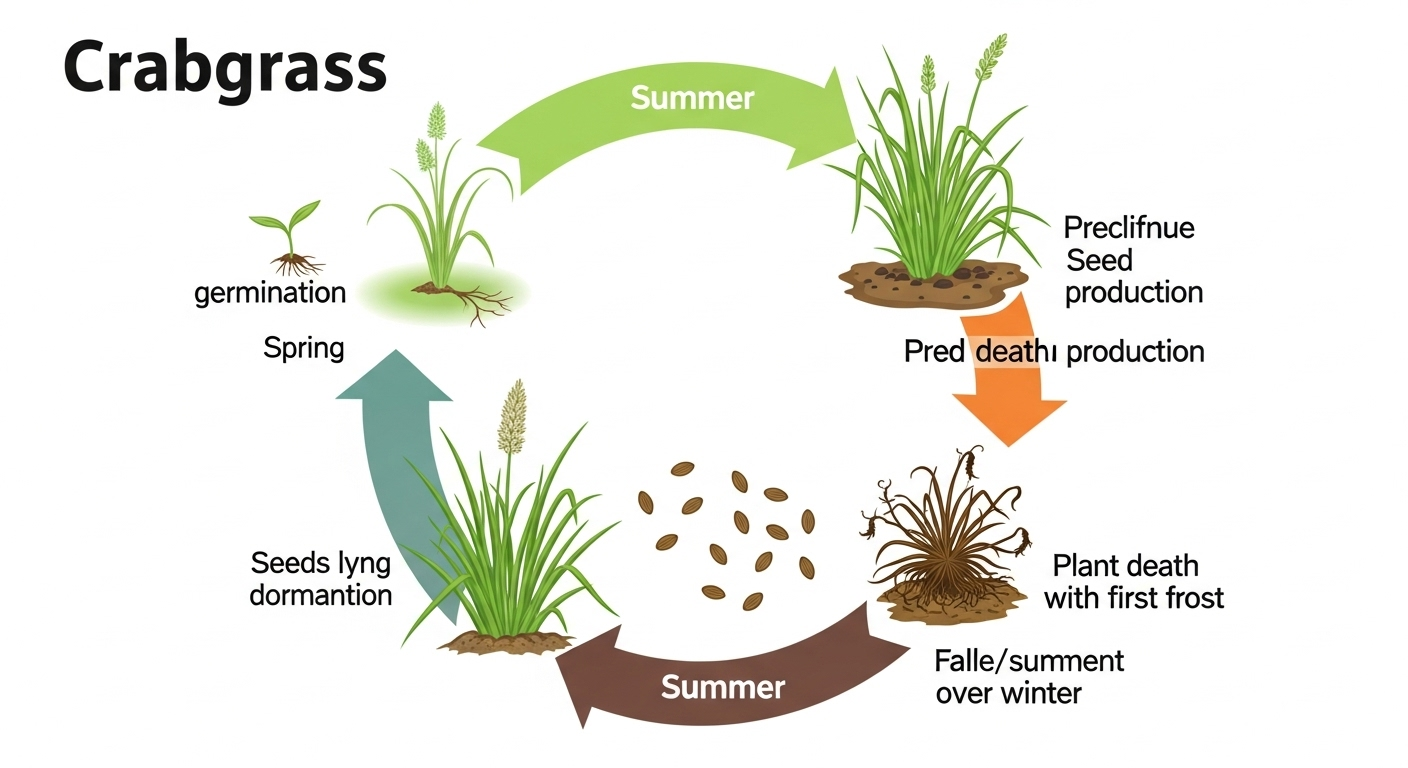
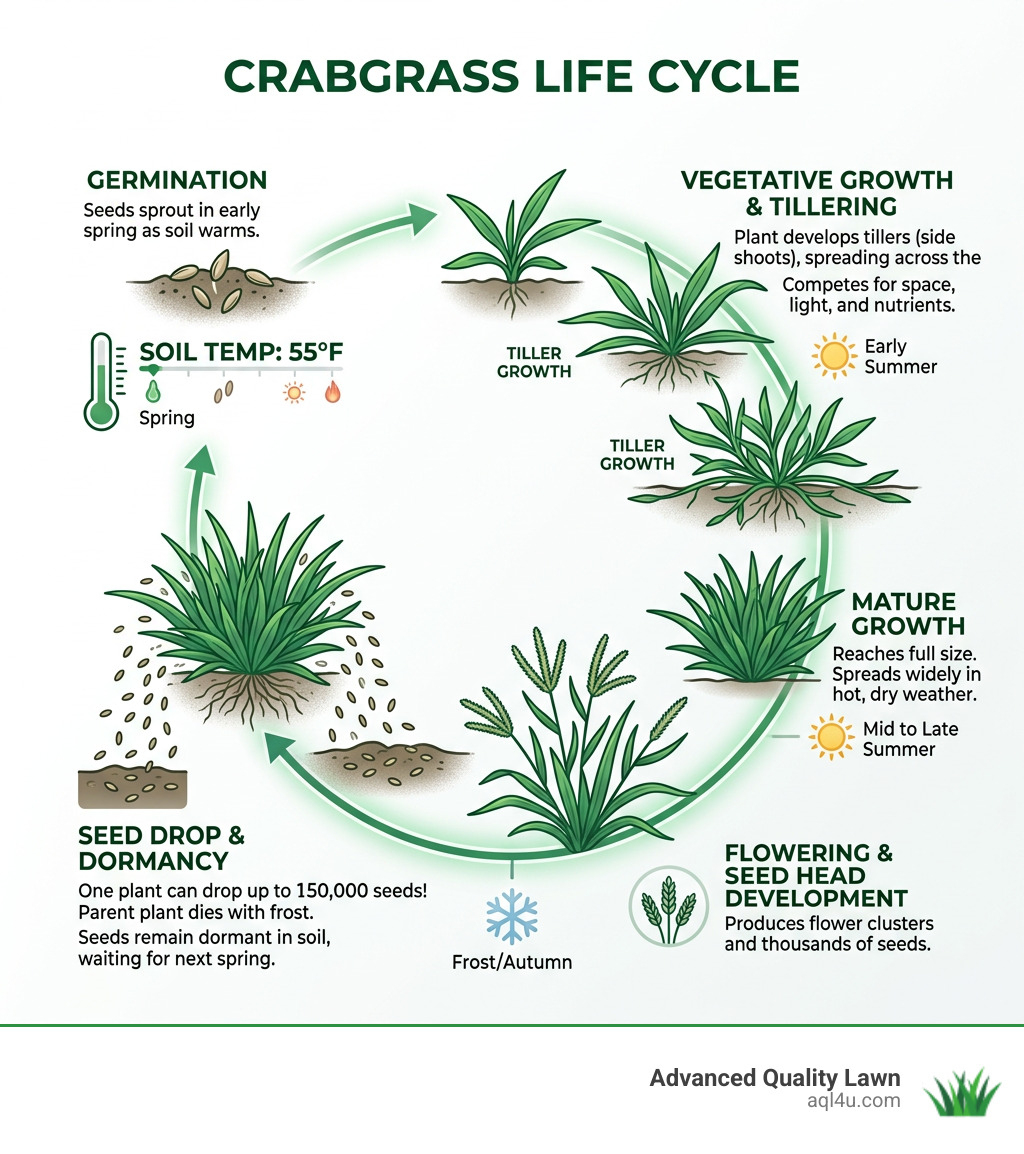
To understand why crabgrass manages to infiltrate your turf year after year, you have to look at its life cycle, which is a masterclass in botanical resilience. Unlike perennial weeds that hide their roots deep in the soil profile and return from the same crown season after season, crabgrass is an annual. This means every single plant you see choking out your hydrangeas or sprawling across your pathways started its life as a microscopic seed dropped the previous autumn. A single mature crabgrass plant is capable of producing up to 150,000 seeds before the first hard autumn frost kills it off. These seeds don’t all germinate at once; instead, they lie dormant in the upper soil profile like a biological landmine field, waiting for the exact right environmental cues to wake up.
Those cues are remarkably specific, and they have nothing to do with what the calendar says. While many homeowners wait for a specific date on the wall calendar—often Easter weekend or April 1st—nature operates on a soil-temperature schedule. Crabgrass germination begins when the soil temperature at a depth of two to three inches remains consistently at 55 degrees Fahrenheit for three to four consecutive days. Not air temperature, but soil temperature. When the earth warms up to this threshold, the biological clock inside the seed ticks over, and the race begins.
This temperature dependency explains why your timing has likely been off in previous years. If an unseasonably warm spring arrives in late February or March, the soil hits that critical 55-degree mark weeks ahead of schedule. If you wait until mid-April to apply your preventer, the crabgrass has already germinated invisibly beneath the soil surface, rendering your pre-emergent herbicide completely useless. Once the seed sprouts and breaks the soil line, pre-emergent products cannot touch it. You are no longer preventing an invasion; you are managing a mature infestation.
Furthermore, crabgrass seeds are light-sensitive. They need exposure to sunlight to trigger germination, which explains why you will almost never find a thick patch of crabgrass thriving under the dense, shaded canopy of a mature, healthy lawn. They look for bare dirt, thin turf, edges along concrete sidewalks and driveways where radiant heat cooks the soil, and areas damaged by winter salt or pet urine. Every time your turf thins out, you are rolling out a welcome mat for crabgrass seeds to soak up the sun and claim their territory.
How Modern Turf Management Practices Accidentally Invite Weeds
It is a bitter pill to swallow, but many of the standard maintenance routines practiced by homeowners actually create the ideal breeding ground for crabgrass. Consider the way most lawns are mowed. In an effort to keep the yard looking hyper-manicured, homeowners often drop their mower decks low in the spring, scalping the lawn to remove dead winter debris and encourage an even carpet look. This practice is a catastrophic mistake. Scalping the turf reduces the leaf surface area available for photosynthesis, starving the root system just when it needs energy the most. More importantly, it opens up the turf canopy, allowing direct sunlight to hit the soil surface, thereby warming up those dormant crabgrass seeds and giving them the light they desperately crave.
Irrigation habits also play a massive role in encouraging weed dominance. Traditional wisdom suggests that lawns need a little bit of water every single day to stay green. However, shallow, frequent watering creates a perpetually damp topsoil layer—an environment where crabgrass roots thrive while deep-rooted turfgrasses like tall fescue or Kentucky bluegrass become lazy. Turfgrasses develop deep root systems only when they are forced to search downward for moisture. When you water lightly every day, you train your lawn’s roots to stay near the surface, competing directly with shallow-rooting weeds. When a summer dry spell hits, your shallow-rooted turf goes dormant and turns brown, while crabgrass, with its aggressive tillering and heat tolerance, takes over the landscape.
Fertilization timing is another frequent culprit. Dumping high-nitrogen synthetic fertilizers onto your lawn in late spring or early summer acts like a shot of adrenaline for warm-season weeds. While cool-season grasses slow down their top-growth as temperatures climb, crabgrass shifts into high gear. Piling on fast-release nitrogen during June gives crabgrass the exact fuel it needs to outpace, shade out, and suffocate your desirable turfgrass. The fertilizer meant to beautify your lawn ends up feeding the enemy, creating a vicious cycle of chemical dependency where the lawn looks worse year after year despite your best financial investments.
Soil compaction is the silent partner in every weed invasion. Over decades of foot traffic, heavy lawn mowers, and natural settling, clay and silt soils become packed down like concrete. This heavy compaction suffocates the soil biome, restricts oxygen exchange, and prevents water from infiltrating deeply. Desirable turfgrasses struggle in compacted soil because their root systems cannot expand. Crabgrass, on the other hand, possesses a remarkable ability to push through dense, compacted earth, establishing its anchorage points and expanding outward across the surface where other plants have failed and died.
The Precision Playbook: Your Step-by-Step Spring Crabgrass Elimination Strategy
Beating crabgrass requires a strategic shift from reactionary weed pulling to proactive environmental management. You cannot simply spray your way out of a weed problem; you have to build a turf ecosystem that is hostile to weed seeds while nurturing to desirable grass plants. This five-step field-tested protocol outlines how to reclaim your lawn this spring.
- Step 1 (Monitor Soil Temperature, Not the Calendar): Ditch the calendar and invest in a simple digital soil thermometer. Probe the ground in a sunny area of your yard to a depth of two to three inches every morning in early spring. Once the thermometer reads 55 degrees Fahrenheit consistently for four consecutive days, your pre-emergent window is officially open.
- Step 2 (Apply Pre-Emergent Herbicide with Surgical Precision): Choose a professional-grade pre-emergent herbicide such as dithiopyr or prodiamine. Apply it evenly across the lawn just before that 55-degree threshold is crossed. Pre-emergents do not kill existing seeds; they form a microscopic chemical barrier in the top layer of soil that stops the radical root from developing as the seed tries to sprout. Water the product in immediately with a half-inch of irrigation to activate the barrier.
- Step 3 (Maintain a High Mowing Height): Raise your mower deck to its highest effective setting—typically 3.5 to 4 inches for cool-season grasses. Never remove more than one-third of the grass blade in a single mowing. A taller canopy creates a dense shade shield over the soil surface, blocking the sunlight that crabgrass seeds require to trigger their germination cycle.
- Step 4 (Implement Deep, Infrequent Watering): Shift your irrigation schedule away from daily sprinkles. Water your lawn deeply and infrequently—providing roughly 1 inch of water per week split into two deep soaking sessions. This forces your turfgrass roots to drive deep into the soil profile for moisture, building drought resilience while leaving the topsoil dry enough to discourage weed germination.
- Step 5 (Overseed Thin Patches in Early Autumn): The absolute best defense against crabgrass is a thick, dense stand of turfgrass. If you have bare spots or thin areas, do not wait until spring to fix them. Overseed in early autumn when soil temperatures are warm and air temperatures are cool, giving new grass time to establish a dense root system before winter dormancy.
Navigating the Traps: Common Mistakes and Practitioner Workarounds
Even with the best intentions, homeowners often stumble into classic traps that undermine their weed control efforts. Recognizing these pitfalls ahead of time saves you time, money, and immense frustration.
- Pitfall 1 (Applying Pre-Emergent Too Late): The most common mistake is applying weed preventer in mid-to-late April after noticing neighboring lawns greening up. By then, soil temperatures have already triggered germination. Workaround: Always track soil temperatures using a digital probe, and ensure your pre-emergent is applied at least two weeks before the historical local germination date.
- Pitfall 2 (Distrupting the Chemical Barrier): Homeowners often apply pre-emergent and then immediately core-aerate or vigorously rake their lawn, tearing holes through the protective herbicide barrier. Workaround: Save core aeration for autumn. If you must aerate in spring, do it before applying your pre-emergent, or use a split-application method where you apply half the pre-emergent in early spring and the second half eight weeks later.
- Pitfall 3 (Using Cheap, Ineffective Box-Store Products): Many budget-friendly weed-and-feed bags contain low-grade active ingredients or improper carrier ratios that wash away with the first spring rain. Workaround: Purchase professional-grade inputs from local turf supply houses or look for active ingredients like prodiamine, which offers long-residual control lasting up to four months.
- Pitfall 4 (Ignoring Thin Edges and Walkways): Focusing entirely on the middle of the lawn while ignoring the sidewalk edges, driveway borders, and landscape beds where radiant heat accelerates soil warming. Workaround: Pay special attention to the perimeter of your turf. Walkways and curbs radiate heat, causing soil along these edges to hit germination temperatures up to two weeks earlier than the rest of the yard.
- Pitfall 5 (Pulling Mature Crabgrass Incorrectly): Yanking mature crabgrass plants mid-summer without realizing they have already dropped thousands of seeds into the soil for next year. Workaround: If you spot a stray crabgrass plant in summer, use a hori-hori knife to dig out the entire root crown, and immediately overseed the resulting bare patch with quick-germinating turf seed to prevent a new weed colony from claiming the space.
The Long Game: Building an Eco-Resilient Turf Ecosystem
Achieving long-term freedom from crabgrass requires looking beyond quick chemical fixes and examining the broader health of your property’s soil biome. A truly resilient lawn does not rely on annual chemical bombardments; instead, it operates as a balanced biological ecosystem where beneficial microbes, earthworms, and deep-rooted grasses outcompete invasive opportunists naturally. Soil is a living entity, not just a physical medium holding up your grass blades. When you feed the soil organic matter, enhance its microbial diversity, and eliminate compaction, you create a subterranean fortress that protects your turf from the inside out.
Transitioning to a holistic turf management strategy involves regular soil testing to diagnose pH imbalances and nutrient deficiencies. Crabgrass notoriously thrives in neglected, acidic, or nutrient-deficient soils where turfgrass struggles to take up essential minerals. By applying agricultural limestone to raise a low pH or incorporating compost topdressing to boost organic matter, you create an environment where desirable grasses flourish effortlessly. A soil rich in organic matter holds moisture efficiently, buffers temperature extremes, and promotes deep root architecture that leaves no room for aggressive annual weeds to gain a foothold.
Economic considerations also favor this long-term approach. While buying specialized herbicides every spring feels like an ongoing tax on homeownership, investing in soil health, proper mowing equipment, and high-quality seed yields compounding returns. Over a period of three to five years, as your turf density increases and your soil profile deepens, your reliance on synthetic pre-emergents and post-emergent spot sprays drops dramatically. You transition from fighting a perpetual defensive war to enjoying a self-sustaining landscape that commands admiration.
Furthermore, adopting sustainable lawn care practices contributes positively to the wider local environment. Over-application of chemical herbicides and synthetic fertilizers can lead to nutrient runoff into local watersheds, impacting ponds, streams, and beneficial pollinator populations. By tightening your application windows, focusing on mechanical weed prevention through mowing and watering practices, and utilizing targeted spot-treatments only when absolutely necessary, you protect your local ecosystem while achieving the pristine green aesthetic you desire.
Actionable Frameworks for a Weed-Free Spring and Summer
To synthesize this knowledge into a practical, day-to-day maintenance routine, organize your seasonal calendar around clear biological milestones rather than arbitrary dates. This structured framework ensures you never miss a critical operational window.
- Late Winter (February to Early March): Calibrate your broadcast spreader, test your soil pH, and purchase your professional-grade pre-emergent herbicide (look for prodiamine or dithiopyr formulations). Monitor local extension service reports for early soil temperature trends.
- Early Spring (Soil Hits 50-55 Degrees): Deploy your digital soil thermometer. The moment the reading hits 55 degrees consistently for four days, apply your first round of pre-emergent herbicide across the entire lawn, paying special attention to sidewalk borders, driveways, and thin spots. Water it in immediately with 0.5 inches of irrigation.
- Mid-Spring (April to May): Raise your mower deck to 3.5-4 inches. Begin your regular mowing routine, ensuring you never remove more than one-third of the blade height in a single pass. Transition your watering schedule to deep, infrequent soakings (1 inch per week split into two sessions) to encourage deep root growth.
- Late Spring (Late May to June): Evaluate your lawn for any breakthrough weed patches. If crabgrass manages to slip past your pre-emergent barrier, spot-treat small patches immediately with a selective post-emergent herbicide while the plants are still young and vulnerable, or hand-pull them using a hori-hori knife.
- Summer (July to August): Maintain high mowing heights to shade the soil and conserve soil moisture during peak heatwaves. Avoid high-nitrogen fertilizers during this period to prevent fueling summer weed growth. Keep an eye out for drought stress and adjust irrigation accordingly.
- Early Autumn (September to October): This is your secret weapon season. Core-aerate compacted areas, topdress with compost, and overseed thin turf zones with high-quality, disease-resistant turfgrass cultivars to ensure a dense, impenetrable canopy for the following spring.
The battle against crabgrass is ultimately a reflection of our relationship with the natural world. For decades, the lawn care industry has sold us the illusion of complete, effortless control—a promise that a single chemical application can permanently conquer nature’s adaptive drive. But anyone who has spent a single weekend pulling weeds knows the reality: nature abhors a vacuum, and life finds a way. Crabgrass is not an evil intruder sent to torment you; it is simply an opportunistic survivor doing what millions of years of evolution designed it to do: fill an empty space.
When you shift your perspective from fighting the weed to empowering the grass, everything changes. You stop seeing your lawn as a sterile carpet that requires constant chemical policing and start viewing it as a living, breathing ecosystem under your stewardship. Every time you sharpen your mower blades, every time you raise your cutting height to shade the soil, every time you water deeply to build a robust root system, you are casting a vote for a healthier, more resilient landscape.
As this spring unfolds, step out onto your turf with a new sense of purpose. Armed with a soil thermometer, a high-grade pre-emergent, and a commitment to proper cultural practices, you are no longer reacting blindly to an annual invasion. You are anticipating the biological rhythms of the earth, outsmarting a botanical survivor, and building a lawn that stands strong, lush, and naturally weed-free all summer long.