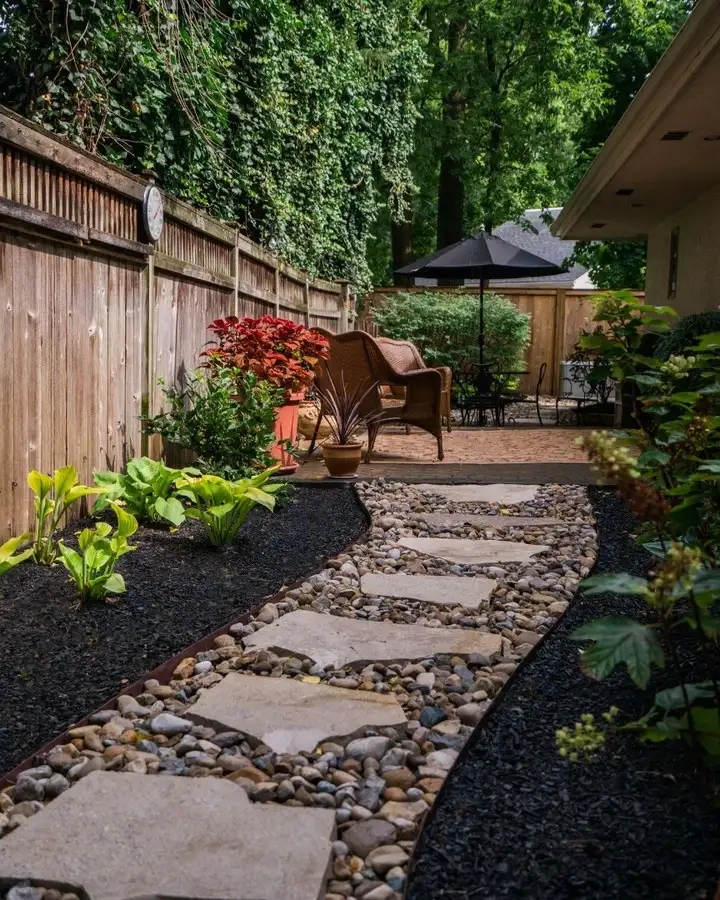

You know that awkward strip of dirt running along the side of your house? The one where the grass refuses to grow because it’s too shady, or maybe it’s just a muddy path for the dog? For years, we’ve treated these spaces as afterthoughts. Utility zones. Places to hide the AC unit or store extra mulch bags. But in 2026, something has shifted. People are realizing that even the skinniest plot of land holds potential. It’s not about the square footage; it’s about the feeling.
Imagine stepping out your side door not into a dreary alley, but into a cool, green tunnel. The air smells like jasmine and damp earth. Sunlight filters through leaves above, dappling a small stone path. It’s quiet here. Private. This isn’t a fantasy reserved for estates with acres of lawn. It’s completely possible in a space no wider than a hallway. You just have to stop thinking horizontally and start looking up. And sideways. And every which way but straight ahead.
The trend this year is all about "micro-retreats." We aren’t trying to fit a whole backyard experience into three feet of width. We are creating moments. A spot to drink coffee. A visual feast for the eyes when you walk to the garage. A buffer from the noisy street. It’s intimate. It’s cozy. And honestly? It’s often easier to maintain than a big lawn. Let’s dig into how you can reclaim that forgotten space and make it the most charming part of your home.
Rethinking the Layout: Flow and Function First
Before you buy a single plant, you need to look at the bones of the space. Most narrow side yards suffer from what designers call the "bowling alley effect." Long, straight lines draw the eye from one end to the other, making the space feel even narrower and longer than it actually is. To break this, you need to disrupt the line of sight. Think of it like arranging furniture in a small room. You wouldn’t push everything against the walls, would you? Well, don’t do it with your garden either.
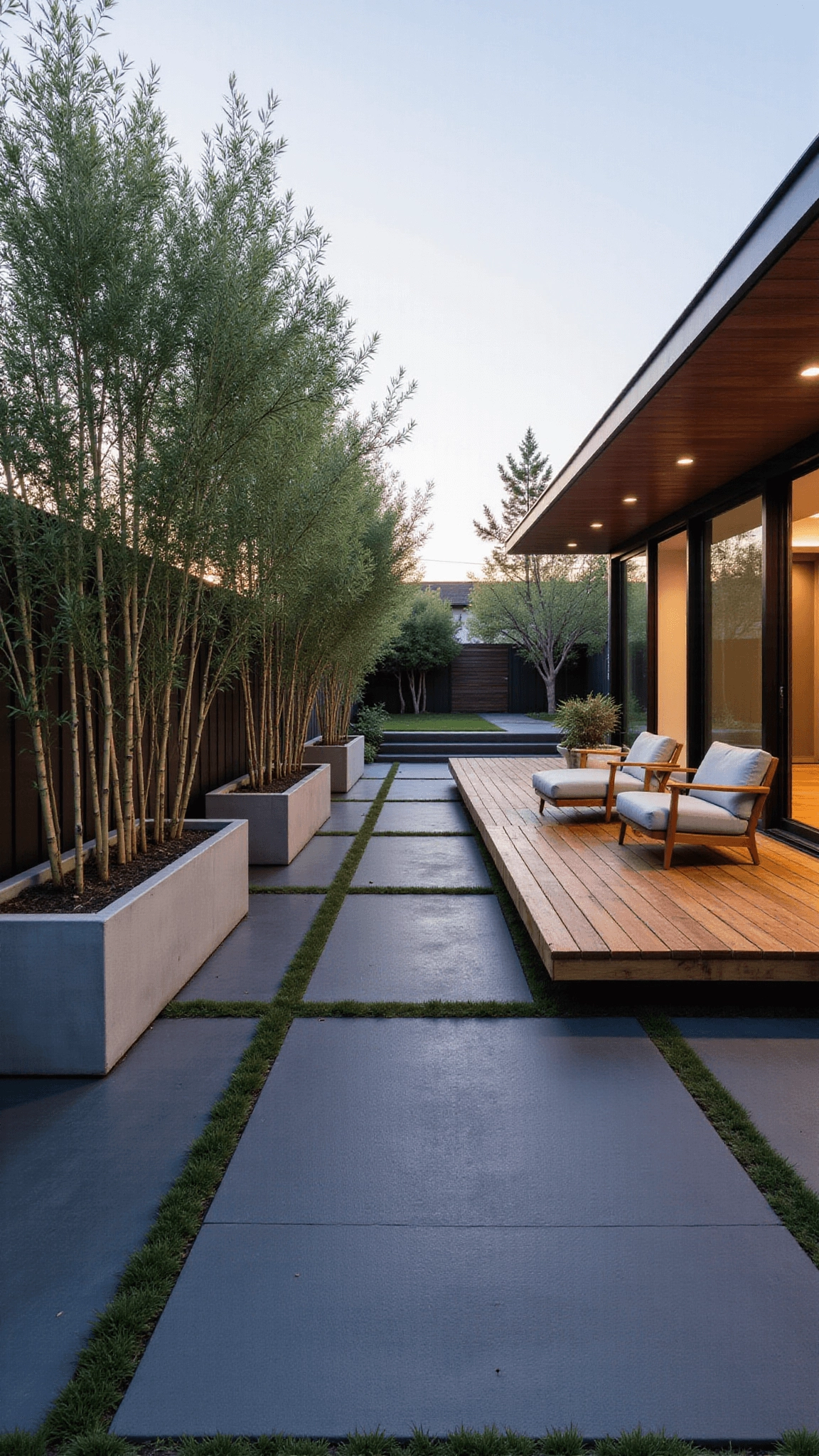
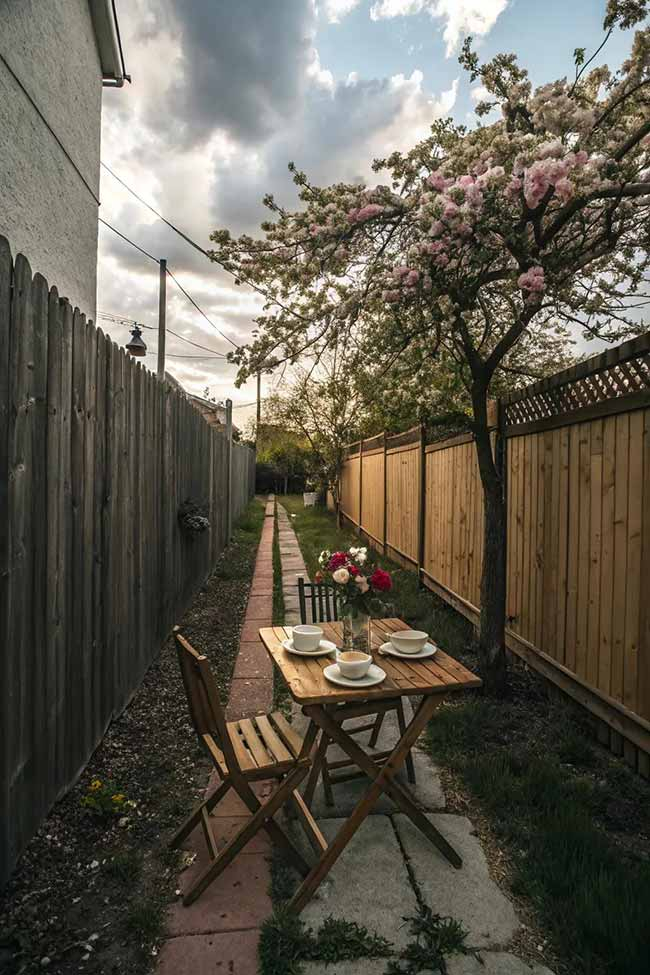
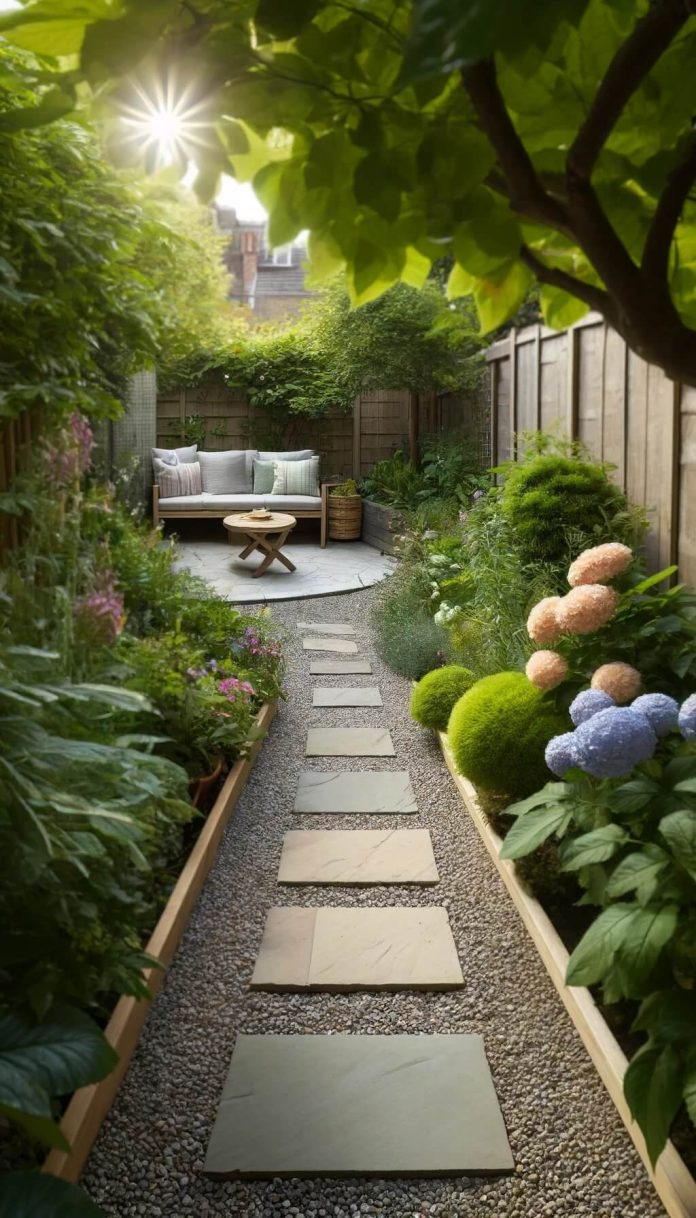
Start by mapping out a path, but keep it meandering. Even if you only have four feet of width, a slight curve in your walkway adds mystery and lengthens the journey. Use materials that blend well. In 2026, permeable pavers and irregular flagstones are huge because they let water soak in (good for the environment) and look less rigid than concrete slabs. If your yard is really tight, consider a single row of large stepping stones set in gravel or moss. This creates a sense of rhythm without cluttering the floor space.
Function matters too. What do you want this space to do? If it’s purely for looks, you can go heavy on the plants. But if you need to get trash bins to the curb or access a gate, leave clear pathways. Don’t force a seating area if there isn’t room to sit comfortably. Sometimes, the best function is simply "viewing." Create a focal point at the far end—a sculpture, a bright pot, or a striking tree—so that when you look down the yard, your eye lands on something beautiful, not the neighbor’s fence.
Going Vertical: The Sky is Your Garden Bed
When you can’t go out, go up. This is the golden rule of narrow spaces. Vertical gardening isn’t new, but the tools and techniques available in 2026 have made it easier and more stylish than ever. Walls are prime real estate. Don’t let them sit bare. A blank wall is a missed opportunity for texture and depth. Start by assessing the light. Is the wall sunny all day? Shady? North-facing? This dictates what you can grow.
Trellises are your best friend. Attach them directly to the house wall or use freestanding ones if you rent or can’t drill into siding. Climbers like clematis, jasmine, or even edible grapes can soften hard lines and add height. For shadier spots, try climbing hydrangeas or ivy. But don’t stop at vines. Hanging planters, wall-mounted pockets, and tiered shelving units can hold succulents, ferns, and herbs. This layers the greenery, creating a lush curtain that hides the boundaries of the yard.
One clever trick is to use mirrors. Yes, actual outdoor-safe mirrors. Placing a weather-resistant mirror on a fence or wall reflects the garden back on itself, doubling the visual space. It’s an old theater trick, but it works wonders in gardens. Just be careful to angle it so it doesn’t reflect direct sunlight into neighbors’ windows or create a heat spot that burns plants. Combine this with vertical planters, and suddenly, your three-foot-wide yard feels like a secret grotto.
Plant Selection: Thriving in Tight Quarters
Choosing the right plants is make-or-break. In a narrow space, you don’t have room for mistakes. You need plants that are tidy, slow-growing, or easily pruned. Avoid anything that spreads aggressively via runners, like mint or some bamboo varieties (unless contained). You want structure. Evergreens are fantastic for year-round interest. Boxwood, dwarf conifers, or holly provide a solid backbone that looks good even in winter.
Layering is key to that "lush" look. Think of it like dressing in layers. You need tall plants at the back (against the fence or house), medium plants in the middle, and low ground cover in the front. This creates depth. Hostas are classic for shady side yards because their broad leaves fill space quickly and come in amazing variegated colors. Ferns add a soft, feathery texture that contrasts nicely with broader leaves. In sunnier spots, ornamental grasses sway in the breeze, adding movement and sound.
Don’t forget scent. Since side yards are often close to windows and doors, fragrant plants enhance the experience every time you pass by. Lavender, rosemary, and sweet box (Sarcococca) are great choices. In 2026, there’s also a big push for native plants. They’re adapted to your local climate, require less water, and support local pollinators. Check with your local nursery for natives that stay compact. A well-chosen native shrub can be the star of the show, requiring minimal fuss while looking effortlessly natural.
Hardscaping and Materials: Defining the Space
Plants are soft, but hardscaping provides the structure. In a narrow yard, the materials you choose for paths, borders, and fences define the style and feel. Light colors tend to open up a space, while dark colors can make it feel smaller but cozier. If your yard is dark and shady, opt for lighter gravel or pale stone to brighten it up. If it’s a sun trap, darker tones can help ground the space and prevent glare.
Edging is crucial. Without clear edges, a narrow garden can look messy and encroached upon. Use metal edging, stone, or brick to create a crisp line between your planting beds and your path. This containment makes the garden look intentional and cared for. It also stops grass from creeping into your flower beds, saving you maintenance time. In recent years, recycled composite materials have become popular for edging because they don’t rot or warp.
Consider the fence or boundary walls. If you have a chain-link fence, cover it with slats or climbing plants. Privacy is often a major goal for side yards. Bamboo screens, wooden lattice, or even living hedges can block the view from neighbors or the street. But keep it airy. Solid walls can make a narrow space feel like a tunnel. Slatted wood allows light and air to filter through, maintaining a connection to the outside world while still offering seclusion. It’s a balance between enclosure and openness.
Lighting and Ambiance: Extending the Magic
A garden isn’t just for daytime. With the right lighting, your side yard can become a magical evening retreat. But beware: bad lighting can make a small space feel cramped or glaring. The goal is subtle, layered illumination. Avoid bright floodlights. Instead, think soft glows and shadows. Solar-powered lights have come a long way in 2026. They’re brighter, last longer, and come in warmer color temperatures that mimic candlelight.
Uplighting is a dramatic technique. Place small spotlights at the base of a tree or a tall shrub to cast shadows upward. This draws the eye up and emphasizes height. Path lights should be low to the ground, guiding steps without shining in your eyes. String lights draped overhead can create a canopy effect, making the space feel enclosed and cozy. If you have a trellis or pergola, weaving lights through it adds a fairy-tale quality.
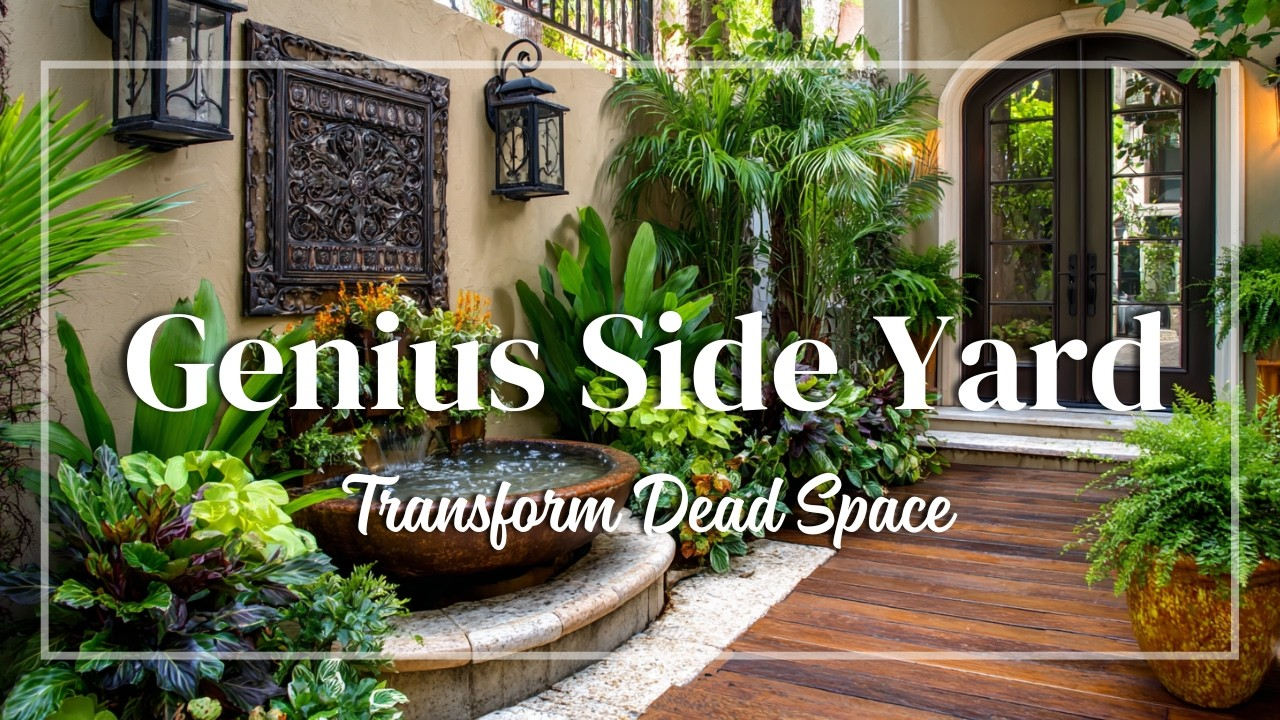
Don’t forget water features. The sound of trickling water masks neighborhood noise and adds a calming sensory element. In a narrow space, a small wall fountain or a bubbling urn works perfectly. It doesn’t take up floor space but adds significant ambiance. The combination of soft light, gentle sound, and greenery transforms a utilitarian passage into a sanctuary. It’s about engaging all the senses, not just sight.
The beauty of a side yard retreat is that it shouldn’t become a second job. Design for low maintenance from the start. Mulch is your best ally. A thick layer of organic mulch suppresses weeds, retains moisture, and feeds the soil as it breaks down. In 2026, many gardeners are switching to leaf mold or wood chips from local arborists, which are often free and eco-friendly. It keeps the roots cool and reduces the need for constant watering.
Watering systems can be automated. Drip irrigation lines hidden under mulch deliver water directly to the roots, minimizing waste and evaporation. This is especially important in narrow yards where wind can dry out soil quickly. Set it on a timer, and you’re done. No dragging hoses around tight corners. Rain barrels connected to your downspouts can also capture runoff from the roof, providing free water for your plants. It’s sustainable and saves money.
Pruning is inevitable, but choose plants that match your willingness to trim. If you hate pruning, stick to slow-growing dwarfs or natural-shaped shrubs. If you enjoy tinkering, topiaries or espaliered fruit trees can be fun projects. Regular deadheading of flowers keeps things looking tidy and encourages more blooms. Spend ten minutes a week tidying up, and your retreat will always look inviting. It’s about consistent, small efforts rather than massive seasonal overhauls.
So, there you have it. That neglected strip beside your house isn’t a limitation; it’s a canvas. By thinking vertically, choosing the right plants, and adding thoughtful touches like lighting and path curves, you can create a space that feels much larger and far more special than its dimensions suggest. It doesn’t require a huge budget or professional help. Just a bit of vision and some willingness to get your hands dirty.
In a world that’s increasingly loud and crowded, having a private green escape right outside your door is a luxury worth creating. It’s a place to breathe. To pause. To connect with nature, even if that nature is contained within a few feet of wall and fence. Start small. Pick one corner. Plant one climber. Lay one stone. See how it feels. You might just find that your favorite room in the house doesn’t have a roof at all.