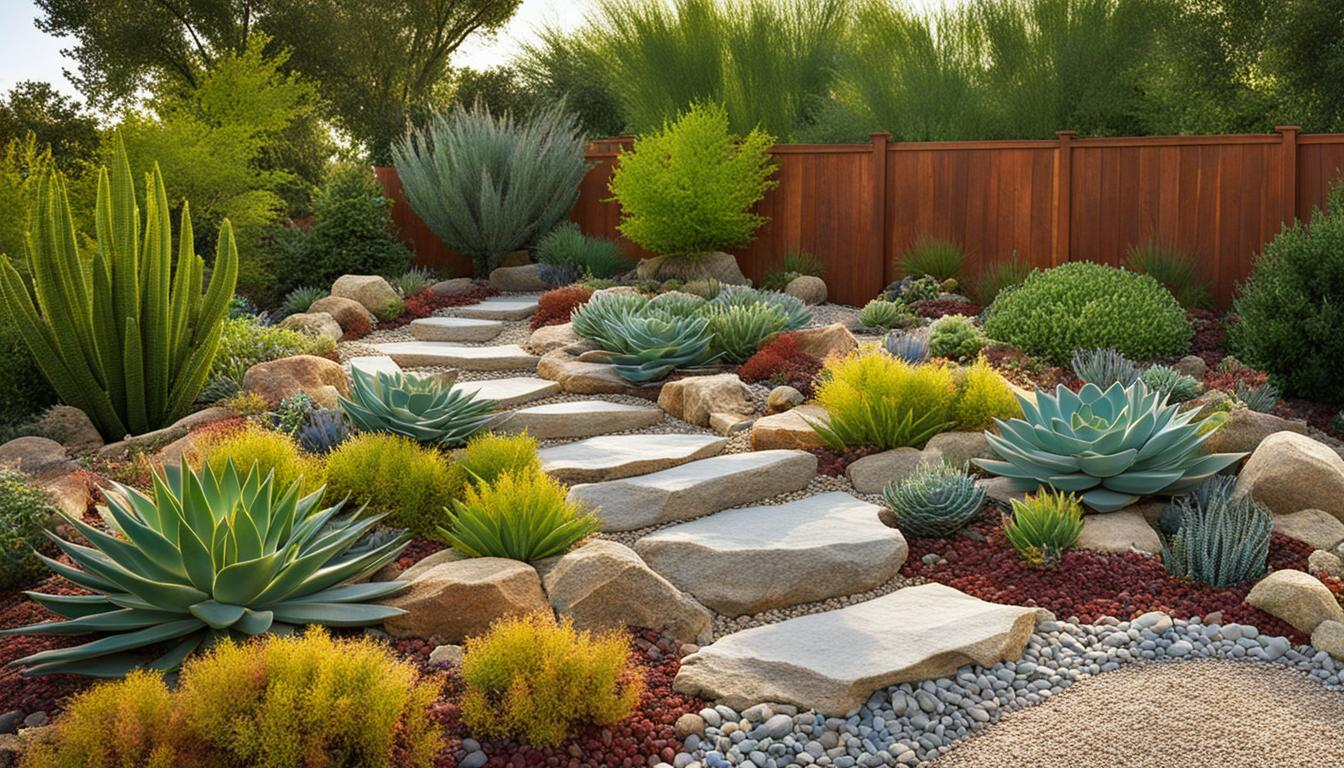

Ever looked at your front yard during a heatwave and felt a little defeated? The brown patches seem to spread like ink on paper, mocking your efforts to keep things green. It’s a common struggle, especially as summers get hotter and water restrictions tighten up across so many regions. But here’s the secret that landscape designers have known for years: dry doesn’t have to mean dull. In fact, some of the most stunning gardens on the planet thrive in conditions that would kill a traditional lawn in days.
We’re moving past the era where "water-wise" meant a barren lot of gravel and three sad cacti. That old stereotype is dead. Today, it’s about abundance. It’s about texture, movement, and bursts of color that don’t demand a hose every single morning. Whether you’re dealing with native desert soil or just a particularly thirsty corner of your property, there are creative ways to make it sing this year. You don’t need to fight nature; you just need to invite the right guests to the party.
Let’s talk about how to turn that parched patch into a place you actually want to spend time in. It’s not just about saving money on your water bill—though that’s a nice bonus—it’s about creating a space that feels alive, resilient, and uniquely yours. So, grab a glass of iced tea (or water, let’s be hypocritical for a second) and let’s dive into how we can bring some serious life back to dry landscapes in 2026.
Rethinking the Palette: Beyond Green
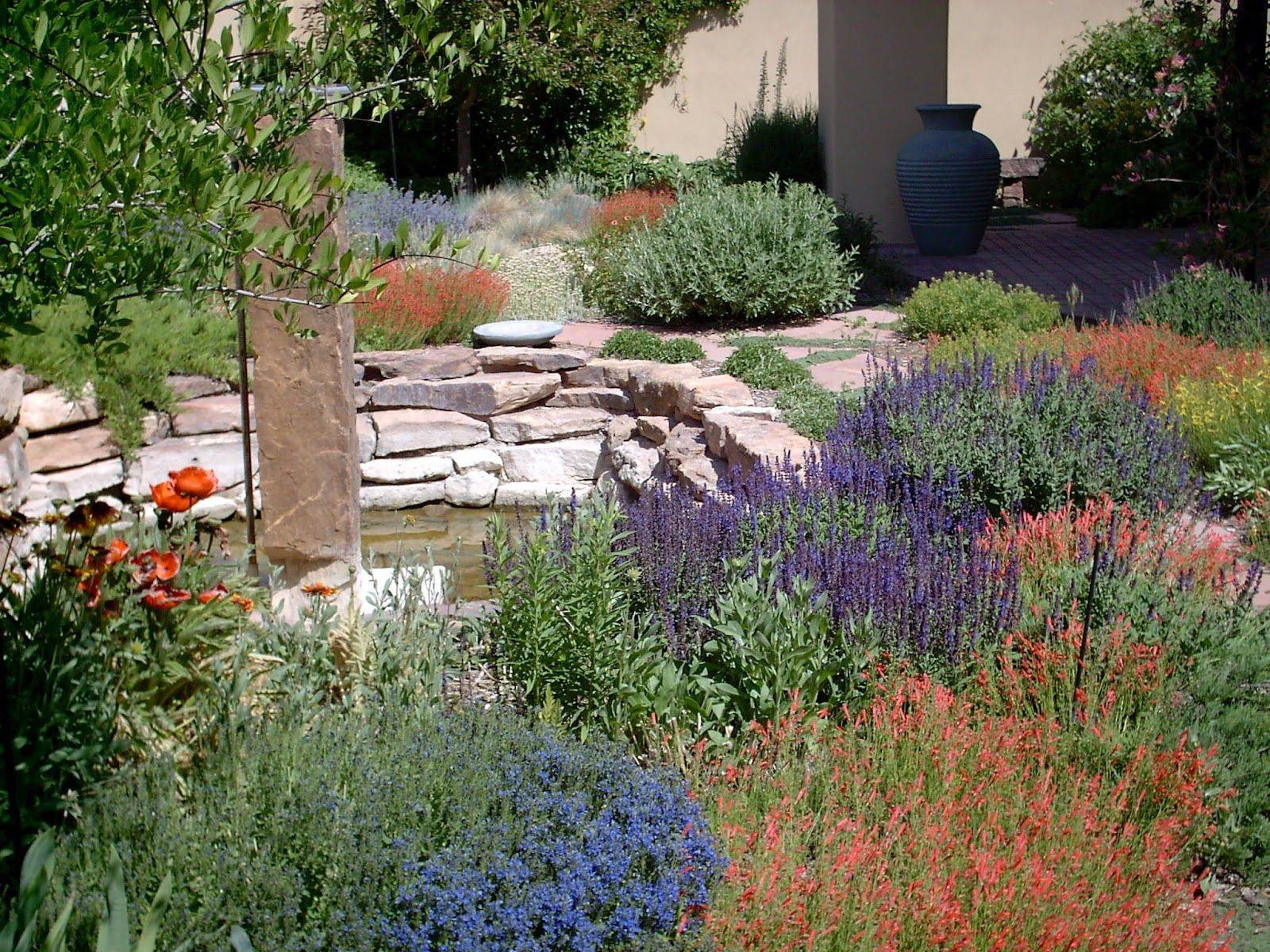
When we think of a lush garden, our brains usually default to emerald lawns and deep green leaves. But in a dry landscape, green is just one note in a much richer symphony. The trick is to shift your focus from leaf color to flower color, stem color, and even the color of the earth itself. Think of the warm terracottas of succulent tips, the silvery-blue haze of lavender, or the fiery orange of a California poppy. These hues don’t just survive the heat; they seem to glow in it.
One of the biggest mistakes people make is trying to force shade-loving, water-hungry plants into sunny, dry spots. It’s a battle you will lose, and your wallet will hate you for it. Instead, look to plants that have evolved to handle stress. Succulents are the obvious choice, but don’t stop there. Consider the structural beauty of agave or the delicate, paper-like blooms of statice. In 2026, we’re seeing a huge trend in "chromatic xeriscaping," where designers group plants by their non-green tones to create striking visual contrasts. Imagine a bed of purple sage next to yellow yarrow. It’s bold, it’s unexpected, and it requires barely any water once established.
Don’t forget the power of foliage, either. Many drought-tolerant plants have leaves that are silver, gray, or even reddish-purple. These colors reflect sunlight, helping the plant stay cool, but they also add a sophisticated, muted backdrop that makes bright flowers pop even more. Lamb’s ear, for instance, has soft, fuzzy silver leaves that look incredible against dark rocks. By expanding your definition of "color," you open up a whole new world of plant choices that are both tough and beautiful.
The Texture Game: Making Silence Loud
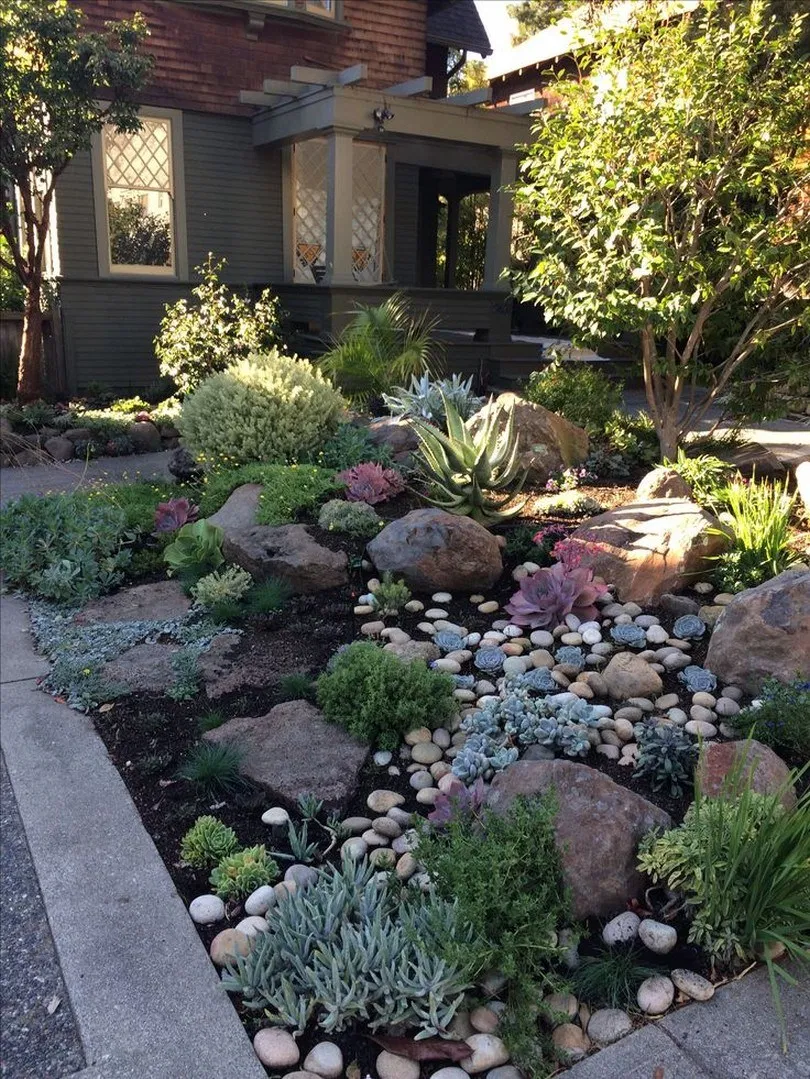
Color grabs attention, but texture keeps it. In a wet, lush garden, everything tends to look somewhat similar—soft, leafy, and uniform. In a dry landscape, texture is your best friend. It adds depth and interest when flowers aren’t in bloom. Think about the sharp, architectural spikes of a yucca contrasting with the soft, mounding shape of ornamental grasses. Or the smooth, round stones of a riverbed next to the rough, craggy bark of a juniper tree. These contrasts create a visual rhythm that makes the eye travel across the landscape.
Ornamental grasses are unsung heroes in dry gardens. Varieties like blue fescue, needlegrass, or muhly grass add movement. When the wind blows, they dance. This kinetic energy brings life to a static scene. Plus, many of these grasses turn beautiful shades of gold or bronze in the fall, extending the season’s interest long after the summer blooms have faded. They’re tough, they’re low-maintenance, and they provide habitat for local birds and insects, which adds another layer of "life" to your yard.
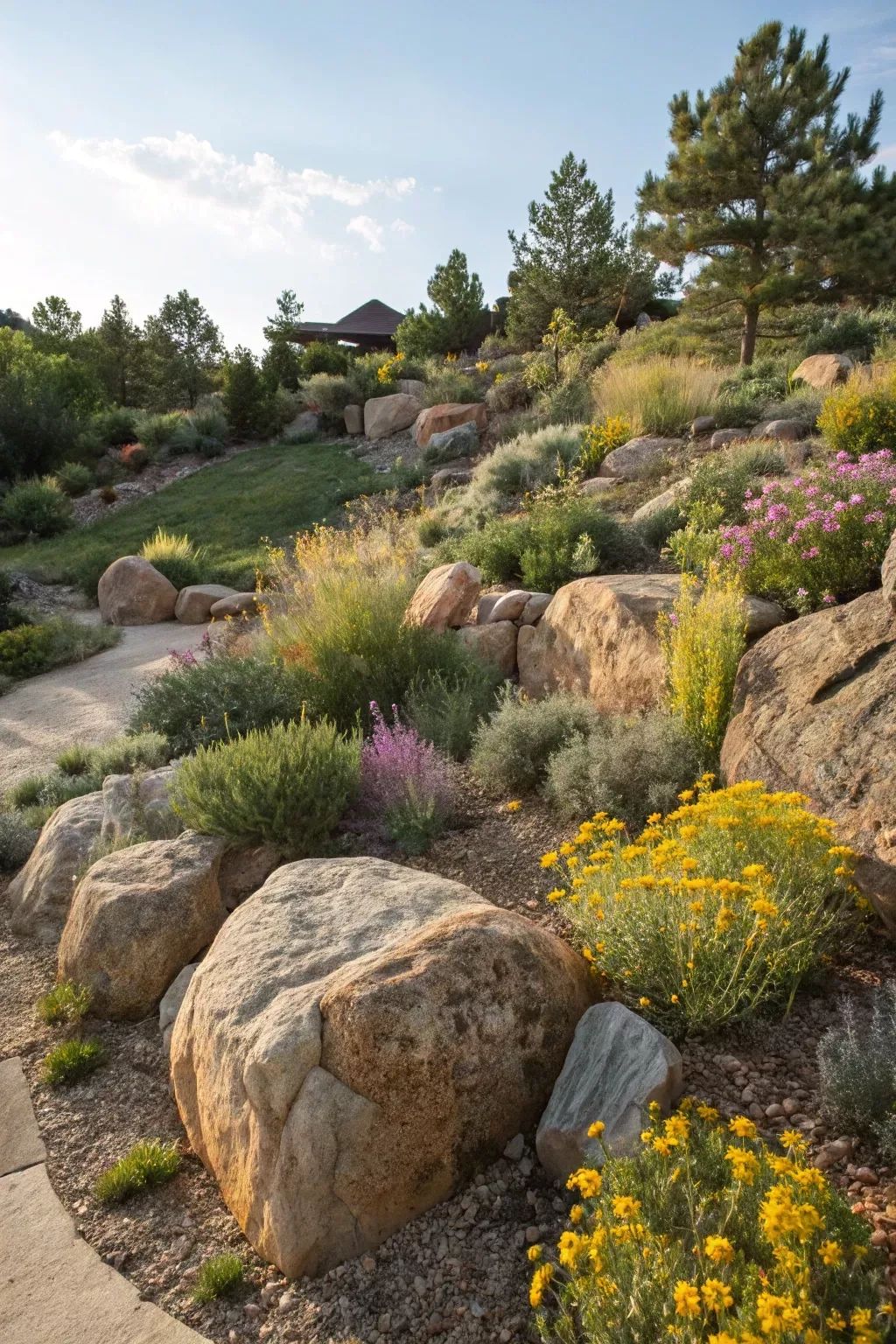
Rock features also play a huge role here. Instead of hiding the rocks, highlight them. Use large boulders as focal points, almost like sculptures. Surround them with low-growing groundcovers like creeping thyme or sedum. The interplay between the hard, permanent stone and the soft, living plant creates a sense of balance. It feels natural, like a snapshot of a mountain meadow or a desert canyon. This approach isn’t just aesthetically pleasing; it’s also practical. Rocks retain heat during the day and release it at night, creating microclimates that can help certain plants thrive.
Hardscaping with Heart
Hardscaping often gets a bad rap in gardening circles. People worry it’ll make their yard feel cold or industrial. But done right, hardscaping is the skeleton that holds your dry garden together. It reduces the amount of area you need to plant (and therefore water), and it provides structure. In 2026, the trend is toward natural materials that blend seamlessly with the environment. Think decomposed granite paths, flagstone patios, or reclaimed wood raised beds. These materials age beautifully, developing a patina that complements the ruggedness of drought-tolerant plants.
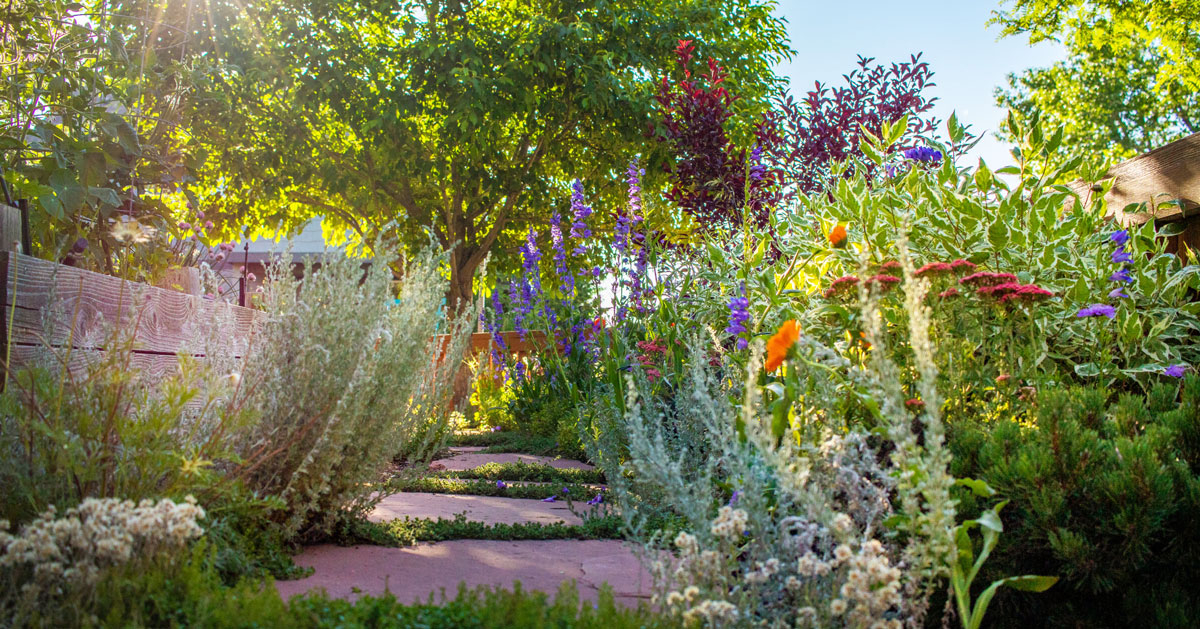
Paths are particularly important. They invite exploration. A winding path made of crushed gravel or stepping stones encourages you to walk through the garden, getting up close to the textures and scents. It breaks up large, open spaces that might otherwise feel exposed or harsh. You can line these paths with aromatic herbs like rosemary or lavender. As you walk by, you brush against them, releasing their scent. It’s a small detail, but it engages another sense and makes the garden feel immersive.
Don’t underestimate the power of vertical space, either. Walls, fences, and trellises can support climbing plants that add color without taking up ground space. Bougainvillea is a classic example. It’s a sun-loving climber that produces brilliant pink, magenta, or orange blooms almost year-round in warm climates. It thrives on neglect and little water. Training it up a trellis or along a fence creates a living wall of color that draws the eye upward, making small spaces feel larger and more vibrant. It’s a high-impact, low-water solution that looks spectacular.
Smart Tech and Water Wisdom
Let’s address the elephant in the room: water. Even with drought-tolerant plants, you need some moisture, especially when they’re first getting established. The key is efficiency. Drip irrigation systems are no longer optional; they’re essential. Unlike sprinklers, which spray water into the air where it evaporates, drip systems deliver water directly to the root zone. This means less waste and healthier plants. In 2026, smart controllers have become incredibly accessible. These devices connect to your phone and adjust watering schedules based on local weather data. If it rains, they skip a cycle. If it’s unusually hot, they might add a little extra. It’s set-it-and-forget-it convenience that saves resources.
Mulch is another critical component. It’s not just for looks; it’s a functional tool. A thick layer of organic mulch, like wood chips or shredded bark, helps retain soil moisture, suppresses weeds, and regulates soil temperature. In very dry areas, inorganic mulches like gravel or decomposed granite can be even better. They don’t break down, so they last longer, and they don’t attract termites or other pests. Just make sure to leave a small gap around the base of your plants to prevent rot. The right mulch can reduce your watering needs by up to 50%, which is a massive win for both your garden and your conscience.
Timing matters too. Water early in the morning. This allows the water to soak into the soil before the sun gets too intense, reducing evaporation. It also gives the leaves time to dry out, which helps prevent fungal diseases. It’s a simple habit, but it makes a big difference. Combine this with regular maintenance—checking for leaks, clearing emitters, and adjusting heads—and you’ll have a system that works efficiently for years. It’s about working smarter, not harder.
Native Plants: The Local Heroes
If there’s one rule to follow in dry landscaping, it’s this: go native. Native plants are adapted to your specific climate, soil, and rainfall patterns. They’ve spent thousands of years evolving to survive exactly where you live. This means they require less water, less fertilizer, and less pest control than exotic imports. They’re also vital for local wildlife. Birds, bees, and butterflies have co-evolved with these plants, relying on them for food and shelter. By planting natives, you’re not just beautifying your yard; you’re supporting the local ecosystem.
In 2026, there’s a growing movement toward "rewilding" suburban yards. This involves replacing manicured lawns with meadows of native wildflowers and grasses. It sounds chaotic, but it’s actually quite structured. You choose a mix of plants that bloom at different times throughout the year, ensuring continuous color and food sources for pollinators. For example, you might start with early-blooming lupines, move to mid-summer coneflowers, and finish with late-season asters. The result is a dynamic, ever-changing landscape that feels wild and untamed but is carefully curated.
Finding native plants has never been easier. Many local nurseries now specialize in regional species, and online resources can help you identify what grows best in your area. Don’t be afraid to ask questions. Nursery staff are usually passionate about native gardening and can offer valuable advice on pairing plants. Remember, diversity is key. Mixing different species creates a more resilient garden that’s less susceptible to disease and pests. It’s a holistic approach that benefits both you and the environment.
A common misconception is that dry gardens only look good in spring. While it’s true that many desert plants burst into bloom after winter rains, a well-designed dry landscape offers interest year-round. The trick is to plan for all four seasons. Choose plants that have different peak times. Some might shine in spring, others in summer, and still others in fall or winter. This ensures that your garden always has something to offer, preventing that "dead" look that plagues poorly planned spaces.
Winter is often overlooked, but it’s a great time to appreciate structure. Evergreen shrubs, ornamental grasses, and trees with interesting bark or branching patterns provide visual anchor points when everything else is dormant. Berries on holly or toyon bushes add splashes of red against the gray sky. Seed heads from grasses and flowers catch the frost, creating intricate, sculptural forms. Embrace the quiet beauty of winter. It’s a time for reflection and planning, not just absence.
Summer, of course, is the challenge. But it’s also when many drought-tolerant plants truly shine. Cacti, succulents, and Mediterranean herbs like rosemary and thyme thrive in the heat. Their colors intensify, and their scents become more potent. Create shady spots with pergolas or large trees where you can retreat during the hottest part of the day. Plant fragrant herbs nearby so you can enjoy their aroma while you rest. It’s about creating a lifestyle that aligns with the seasons, rather than fighting against them. Your garden should be a place of comfort and joy, no matter the temperature.
So, where does this leave us? With a roadmap, certainly, but also with a mindset shift. Dry landscaping isn’t about deprivation; it’s about adaptation. It’s about choosing plants that want to be where they are, rather than forcing them to survive. It’s about appreciating the subtle beauty of texture and form, not just the loud shout of a flower. And it’s about recognizing that our gardens are part of a larger ecological web, one that we have a responsibility to nurture.
As you plan your changes for this year, start small. Maybe replace a strip of lawn with native wildflowers. Or install a drip system for your existing beds. Add a few boulders for structure. Each step counts. You don’t have to overhaul everything overnight. Gardening is a journey, not a destination. It’s okay to make mistakes. Some plants will die. Others will surprise you with their resilience. Learn from it. Adjust. Try again.
The goal is to create a space that feels authentic to your region and your life. A place that saves water, supports wildlife, and brings you peace. In 2026, we have more tools and knowledge than ever before to make this happen. So don’t let the dry conditions discourage you. Let them inspire you. Look at that parched earth not as a problem, but as a canvas. Fill it with color, texture, and life. You might just find that your dry landscape becomes the most vibrant part of your home.