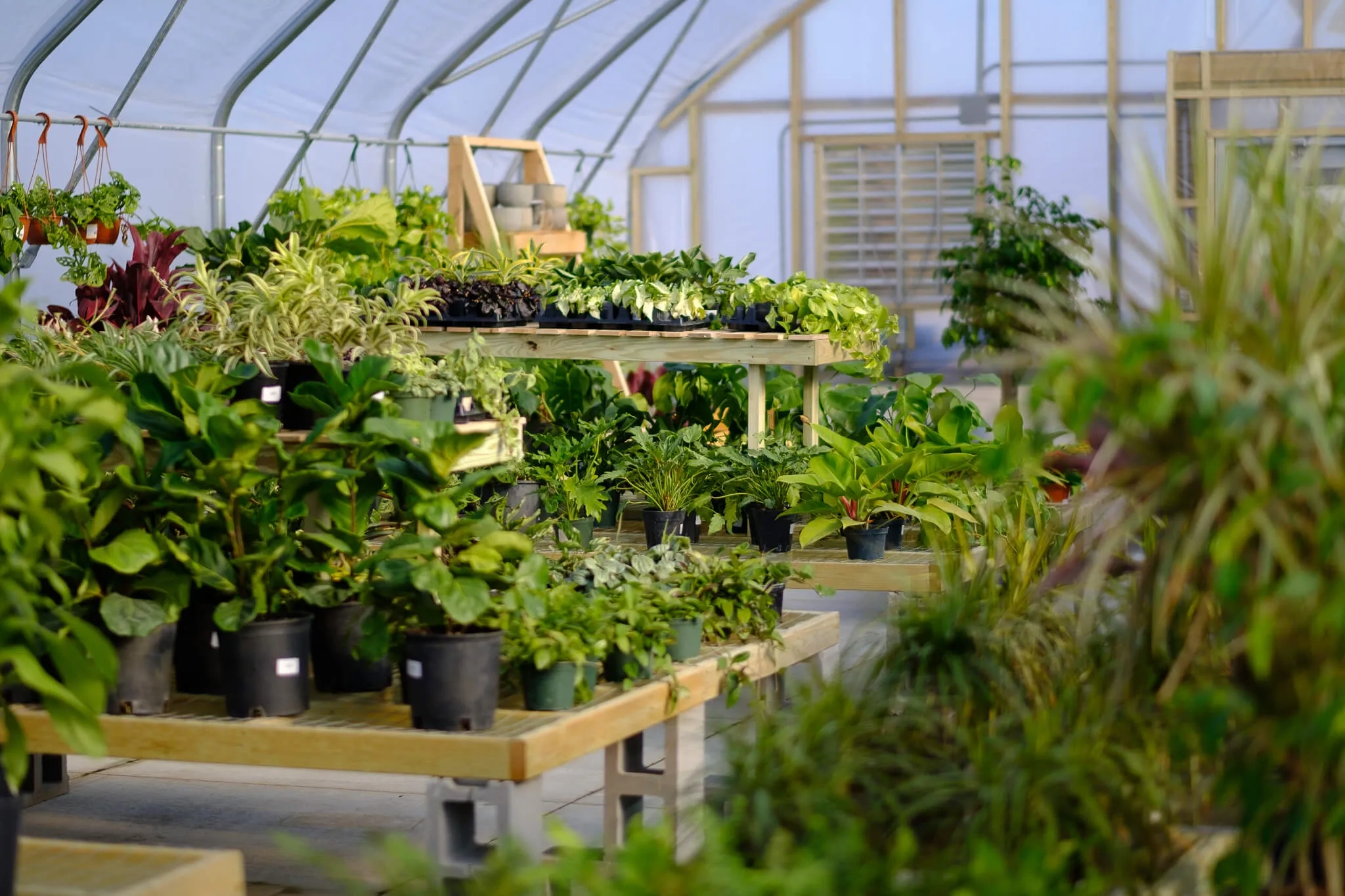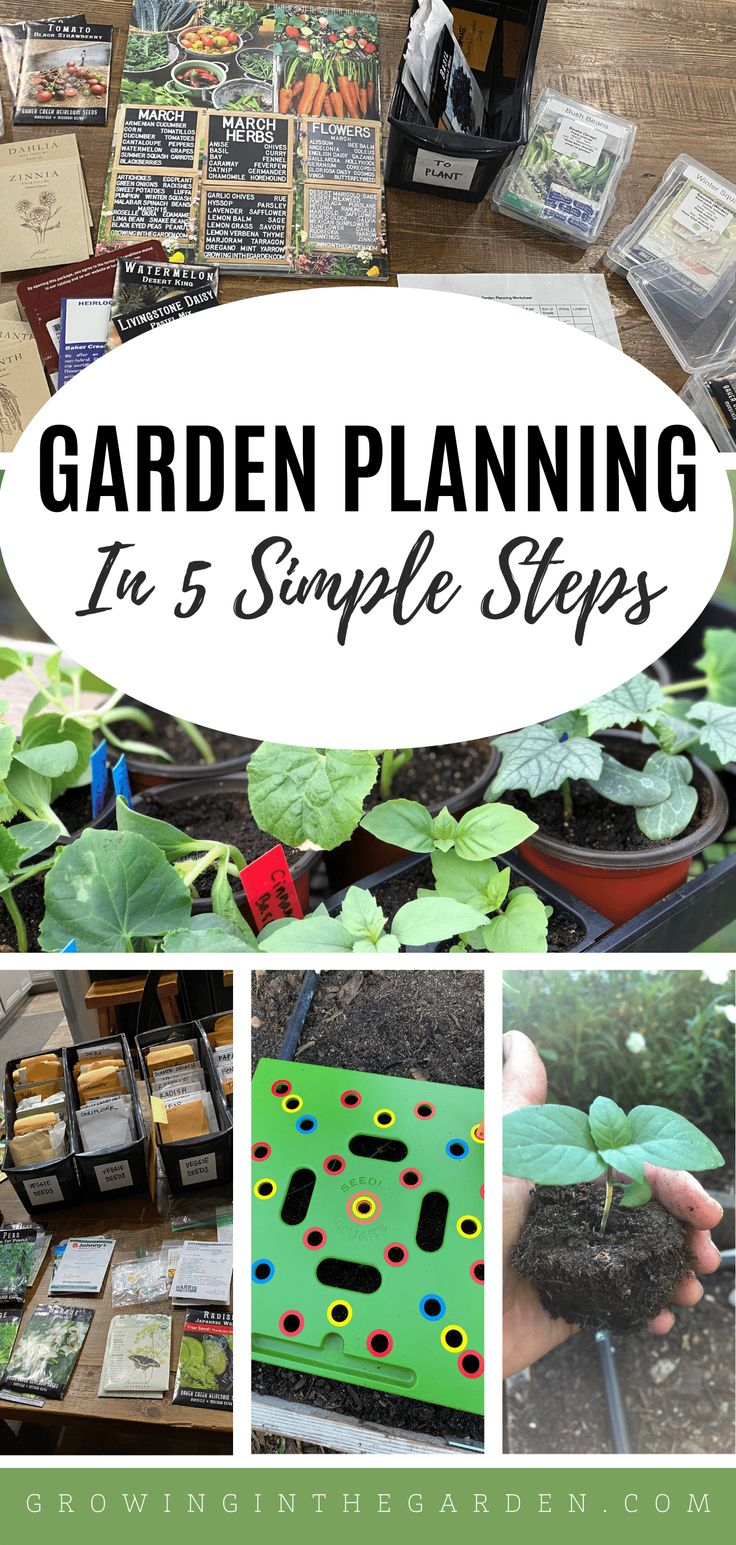

The mulch is still damp from the morning frost, and the sharp scent of cedar and damp potting soil hangs heavy in the air. Standing in the middle of a sprawling suburban driveway lot or a tucked-away rural greenhouse, most homeowners look around and see rows of plastic pots, green shoots, and colorful annual trays waiting to be claimed. It looks like retail space. But to a seasoned eye, an independent local nursery or garden center during an early spring consultation is actually a three-dimensional design laboratory. While big-box home improvement stores push shrink-wrapped inventory designed for maximum shipping durability, independent growing yards operate on an entirely different plane of reality—one shaped by microclimates, regional soil quirks, and decades of dirt-under-the-fingernails institutional knowledge.
Walk into one of these independent operations between late March and mid-May, and you aren’t just shopping for plants. You are stepping into an unscripted masterclass in spatial orchestration. The veteran plantsman ringing up your flats of pansies or balled-and-burlapped maples didn’t learn landscape architecture from a textbook; they learned it by watching plants fight, thrive, and die in your exact zip code. When you sit down with them for a spring consultation, they don’t hand you a cookie-cutter corporate template. They look at the slope of your backyard, ask about your neighborhood’s notoriously dense clay or sandy pockets, and suddenly begin rearranging your assumptions about how a garden should flow, sound, and breathe across the changing seasons.
The institutional shift in how we approach outdoor spaces has accelerated dramatically. Homeowners are no longer satisfied with foundational green shrubs slapped against a brick facade and a rectangular patch of Kentucky bluegrass. We want immersive, ecologically resilient ecosystems that double as private sanctuaries. Yet, bridging the gap between a Pinterest board full of impossible European cottage gardens and a muddy suburban plot in the Midwest or Pacific Northwest is where most DIY efforts crash and burn. Corporate nurseries sell commodities; local nurseries sell context. And it is within that localized context that the most radical, unexpected design insights are quietly waiting to be uncovered.
The Microclimate Reality Check That Corporate Retailers Ignore
Big-box garden departments operate on national supply chains. They ship identical varieties of plants to stores across three completely different USDA hardiness zones, relying on heavy chemical interventions and short-term greenhouse forcing to make plants look Instagram-ready on a Tuesday, regardless of whether they can survive a Wednesday night freeze. Independent nurseries, by contrast, source heavily from regional growers or cultivate stock on-site. This structural difference completely alters the baseline of a spring consultation. When an independent nursery operator points out that your corner lot acts as a local frost pocket, they are offering an ecological diagnosis that changes your entire architectural layout.
During a spring consultation, local horticulturists routinely challenge the conventional wisdom of plant placement based on invisible environmental factors. They look past the standard "full sun vs. shade" tag and factor in wind tunnels created by neighboring two-story homes, soil compaction caused by heavy construction equipment from twenty years ago, and the thermal mass of concrete driveways. These aren’t minor gardening details; they are core structural constraints that dictate hardscape boundaries, seating areas, and sightlines. A plant that looks stunning in a catalog will fail miserably if planted in a yard’s hidden microclimate, and the local nursery is uniquely equipped to spot these environmental traps before a single shovel breaks the ground.
Furthermore, these consultations often reveal surprising truths about water movement and hydrology. A spot that looks bone-dry in July might be an underground spring or a runoff superhighway during April downpours. Independent nursery staff are intimately familiar with local water table behaviors and municipal storm patterns. They will frequently advise you to flip your design script—moving moisture-loving plants away from the foundation and into natural swales, or integrating deep-rooted native perennials that can anchor shifting slopes. This level of granular insight transforms a spring planting trip from a casual shopping excursion into a vital site-planning session.
Subverting Traditional Foundation Planting Through Botanical Layering
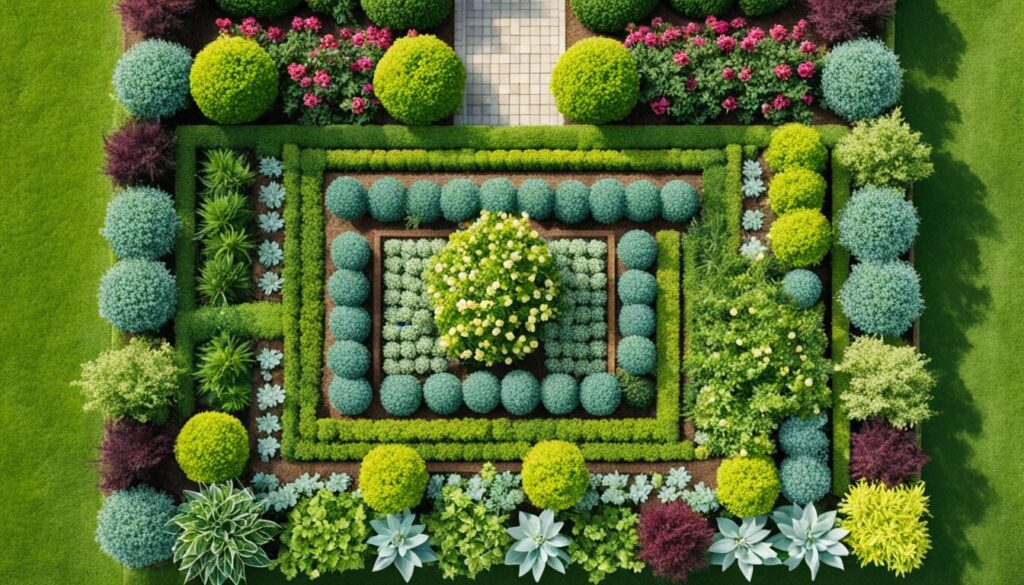
For decades, standard suburban landscape design followed a rigid, uninspired formula: tall evergreen shrubs mashed against the house, medium shrubs rounding out the corners, and a perimeter of low-maintenance mulch separating the house from the lawn. It is a predictable, utilitarian approach that treats plants as architectural drywall rather than living entities. Local nursery professionals take one look at this formula during a spring consultation and gently, yet firmly, dismantle it. They introduce the concept of botanical layering, where verticality, texture, and transparency replace solid walls of predictable greenery.
Instead of hiding the base of a home behind impenetrable rows of boxwoods or yews, independent designers advocate for what can be described as structural permeability. They suggest pairing deciduous ornamental grasses that catch the spring breeze with airy perennials like Salvia or Thalictrum, creating a translucent veil that softens the architecture without blocking light or air circulation. During a consultation, a nursery owner might walk you past the neat rows of sheared shrubs and direct your attention toward multi-stemmed understory trees—such as serviceberries or native dogwoods—explaining how their branching architecture casts a dappled, elegant shadow that makes a flat patio feel intimate and sheltered.
This approach also shifts the temporal rhythm of the garden. Traditional foundation plantings look identical in January and July, contributing to landscape fatigue. Local nursery consultations emphasize sequential design, where the visual weight of the garden shifts seamlessly across the seasons. A spring consultation is the ideal moment to map out these transitions because you can see the early bulb emergence interacting with dormant structural wood. The resulting design isn’t just a static border; it is a dynamic stage play where different actors take the spotlight every few weeks, ensuring that the view from your kitchen window never becomes stagnant.
The Step-by-Step Anatomy of a High-Value Spring Nursery Consultation
Extracting maximum design value from a local nursery visit requires more than just showing up with a smartphone full of random screenshots. It requires a deliberate, structured approach that treats the nursery staff as seasoned design consultants. If you want to move beyond basic plant selection and tap into truly unexpected design insights, you must navigate the consultation process with a specific methodology.
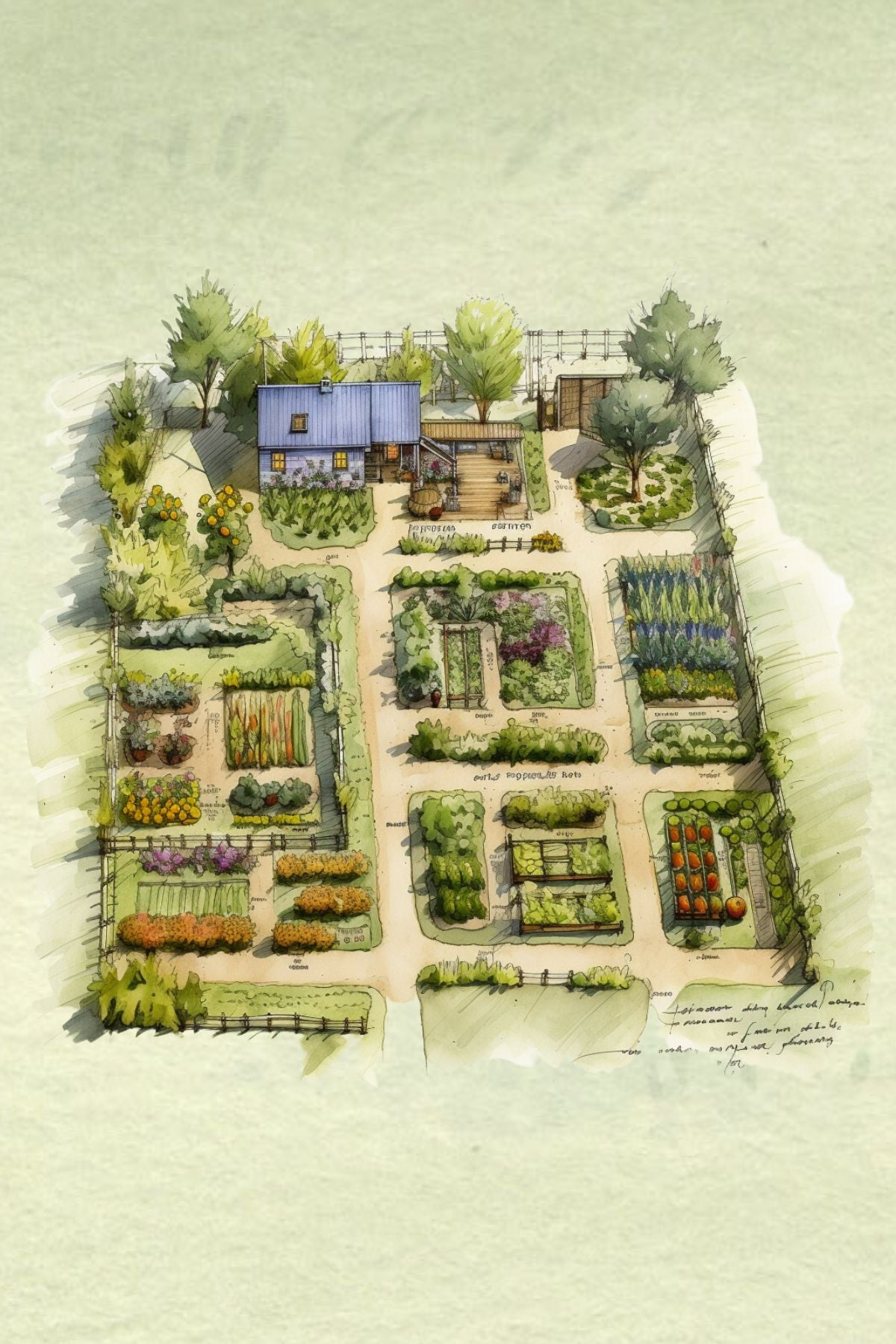
- Step 1 (Site Data Gathering): Bring more than just measurements; bring a scaled map that notes cardinal directions, permanent shade cast by structures, utility lines, and existing drainage patterns or standing water zones after heavy spring rains.
- Step 2 (The Sensory Audit): Document what you want to feel in the space rather than just what you want to see—consider street noise mitigation, privacy sightlines from second-story windows, and prevailing seasonal wind directions.
- Step 3 (Collaborative Plant Selection): Walk the yard with the nursery specialist or review your site map at their counter, explicitly asking them to substitute generic corporate recommendations with regionally adapted cultivars that offer multi-seasonal interest.
- Step 4 (Soil and Structural Integration): Order a professional soil test or discuss local soil profiles with the horticulturist to determine whether bed-shaping, amendment incorporation, or raised-bed installation is required before planting.
- Step 5 (Phased Implementation Mapping): Break your master design into realistic, manageable installation phases based on seasonal root establishment windows and budget constraints, ensuring high-impact focal points go in first.
Avoiding Common Landscape Pitfalls Rooted in Impulse Spring Buying
Spring fever is a real physiological and psychological phenomenon. After months of gray skies and bare branches, the human brain is hardwired to crave green things, leading to impulsive weekend shopping sprees at garden centers. This emotional purchasing is the number one cause of landscape failure. You see a flat of vibrant, forced perennials blooming three weeks ahead of schedule, buy twelve of them without a plan, and stick them into unamended soil where they promptly wither away once summer heat hits. Local nursery pros witness this cycle every single year and have developed mental armor against it.
A major pitfall is ignoring root-to-shoot balance. Homeowners often gravitate toward the biggest, lushest plant in the container yard, assuming bigger is always better. Experienced nursery operators will tell you that a root-bound five-gallon shrub often struggles far longer than a vigorous one-gallon specimen that has room to establish its root architecture in your native soil. During a consultation, they teach you to look beneath the rim of the pot, checking for circling roots that will eventually strangle the plant, and steering you toward stock that has structural vigor over immediate cosmetic flash.
Another common trap is designing for peak spring aesthetics while completely neglecting late-summer exhaustion and winter dormancy. It is easy to fall in love with bleeding hearts, tulips, and flowering crabapples in April, only to realize by August that your garden is a brown, crispy wasteland because you forgot to include heat-tolerant grasses and late-blooming coneflowers. Independent nursery consultations serve as a corrective mirror against this short-sightedness. The designer forces you to project your imagination forward into the blistering heat of August and the bleak freeze of January, ensuring that your spring enthusiasm translates into year-round landscape resilience.
The Economic and Ecological Shift Toward Hyper-Local Plant Selection
The conversation happening across independent nurseries in 2026 is markedly different from the discourse of a decade ago. While aesthetic beauty remains paramount, the baseline metric for a successful garden design is now ecological functionality and long-term economic sustainability. Homeowners are increasingly viewing their yards not as decorative outdoor carpets, but as vital ecological patches that intersect with local watersheds, pollinator corridors, and micro-urban habitats. Independent garden centers have evolved into ground zero for this quiet green revolution.
During a contemporary spring consultation, you are just as likely to discuss the complex mycorrhizal networks in your soil as you are to debate color palettes. Nurseries are stocking an unprecedented variety of straight-species natives and hyper-regional cultivars that require a fraction of the irrigation, fertilizer, and pesticide inputs demanded by traditional lawns and exotic ornamentals. This shift yields profound economic benefits. By investing in resilient, regionally adapted perennials and shrubs during spring planting windows, homeowners drastically lower long-term maintenance costs and eliminate the need for costly annual replanting cycles.
Furthermore, hyper-local design acknowledges the changing realities of regional weather volatility. With unpredictable late frosts, extended droughts, and sudden torrential downpours becoming the norm, rigid landscape designs fail. Local nurseries design for fluidity and resilience. They teach gardeners how to build rain gardens that double as striking perennial borders, how to use deep-rooted taproot plants to break up compacted urban subsoil naturally, and how to create living mulches using groundcovers that suppress weeds while retaining vital soil moisture. This is sophisticated ecological engineering disguised as backyard landscaping.
Frameworks for Translating Nursery Wisdom Into Your Home Landscape
When you return home from a deep-dive spring consultation with an independent nursery, the real work begins. The challenge lies in translating the dynamic, conversational insights gained among the greenhouse benches into a cohesive, actionable physical layout. To bridge this gap successfully, you need a reliable framework that prioritizes structural integrity over superficial decoration.
- Establish the Hardscape Skeleton First: Never plant flowers before defining your paths, edging, and structural hardscaping; plants should soften architectural lines, not compensate for a lack of spatial structure.
- Prioritize Architectural Evergreen Anchors: Ensure at least thirty percent of your plant palette consists of reliable, structural evergreens or woody silhouettes that hold the composition together when deciduous perennials die back in winter.
- Embrace Massing Over Punctuation: Avoid the "dot-dash" planting style of single, isolated specimens scattered across a bed; instead, plant in drifts and bold blocks of three to five plants to create visual gravity and naturalistic rhythm.
- Design for the Four-Season Continuum: Select plants based on a staggered calendar of interest—spring blooms, summer foliage textures, autumn seed heads, and winter structural bark.
- Match Plant Biology to Soil Reality: Honor the nursery’s soil assessment unconditionally; forcing a moisture-loving plant into dry, sandy loam or vice versa guarantees ongoing frustration and maintenance failure.
The humble local nursery is far more than a retail establishment; it is a cultural anchor, an ecological classroom, and a design studio operating out in the open air. When we engage with these spaces through intentional spring consultations, we tap into a lineage of empirical wisdom that cannot be replicated by algorithmic search engines or corporate supply chains. We learn to see our yards not as static canvases to be decorated, but as living, breathing ecosystems waiting for the right cues to flourish.
As outdoor spaces become increasingly vital to our mental health and ecological well-being, the insights gathered from a dirt-stained horticulturist holding a spade prove infinitely more valuable than any mass-market trend. The next time spring arrives and the soil begins to warm, skip the impersonal checkout lines of the big-box monolith. Seek out the independent nursery down the road, bring your site map, and let the local experts show you how your yard was always meant to look.