
Ever stood in your backyard, eyes tracing the lines of a future deck, a lush garden, or maybe even a sparkling pool. It’s a powerful vision, isn’t it. That feeling of wanting to transform your outdoor space into something truly special, a place for making memories, for relaxation, for just being. In 2026, many of us are looking at our homes with fresh eyes, seeing the potential that lies just beyond our back doors. But turning those dreams into reality, especially when it involves a major outdoor property upgrade, often comes with a big question mark: How do we pay for it without draining our savings or incurring mountains of debt.
It’s a common dilemma, and one I’ve heard countless times from folks just like you, from busy parents dreaming of a safe play area to retirees envisioning a serene oasis. The good news is, with a bit of foresight and some smart financial planning, your outdoor renovation dreams are absolutely within reach. We’re not talking about magic here, just practical steps to ensure your project is a joy from start to finish, not a financial headache. Let’s delve into how you can make your 2026 outdoor upgrade a stunning success, both aesthetically and financially.
Envisioning Your Upgrade: The First Fiscal Step
Before you even think about picking out pavers or planting trees, you need a crystal-clear vision of what you want to accomplish and, crucially, what that might cost. This isn’t just about aesthetics; it’s about setting a budget that aligns with your aspirations and your wallet. Start by sketching out your ideas, collecting inspiration, and then getting some preliminary estimates. Are you planning a sprawling new patio, an elaborate outdoor kitchen, or perhaps a complete landscape overhaul. Each of these projects carries a distinct price tag, and understanding the scope early on is paramount.
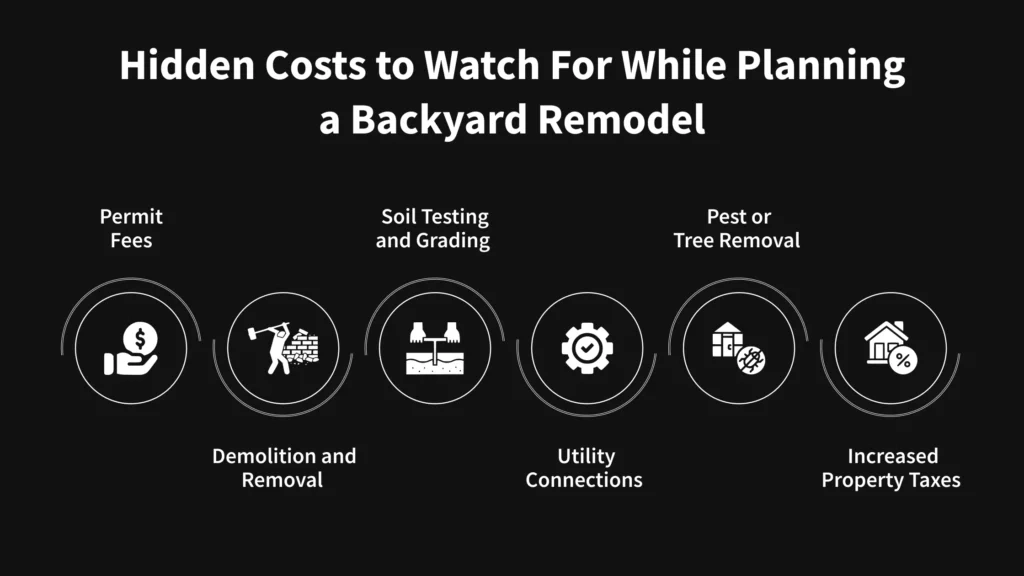
Don’t be afraid to get detailed here. Think about all the elements: materials, labor, permits, even potential unforeseen issues like soil removal or drainage adjustments. Many people make the mistake of underestimating these "hidden" costs, which can quickly derail a budget. In 2026, construction and labor costs continue to fluctuate, so getting multiple quotes and understanding current market rates is more important than ever. This initial phase of detailed planning and cost estimation is truly the bedrock of your financial strategy.
Crafting a Realistic Budget and Contingency Fund
Once you have those initial estimates, it’s time to build a robust, realistic budget. This isn’t just a wish list of expenses; it’s a financial roadmap. Sit down and itemize everything. And when you think you’ve accounted for everything, add a contingency fund. This is perhaps the most critical piece of advice anyone can offer for a major home project. Unexpected things will happen. Maybe a pipe is discovered during excavation, or the price of your preferred decking material jumps slightly. A contingency fund, typically 10-20% of your total project budget, acts as a financial safety net, absorbing those surprises without throwing your entire plan off track.
Think of it this way: if your dream patio is estimated at $30,000, you should really be planning for $33,000 to $36,000. It seems like a lot, but trust me, having that extra cushion provides immense peace of mind. It prevents you from having to halt the project midway or make rushed, costly decisions. This fiscal discipline early on will save you significant stress and money down the line.
Exploring Your Funding Avenues in 2026
So, you have your vision and your budget. Now, how will you fund it. In 2026, there are several solid options available, and the best choice for you will depend on your specific financial situation, credit score, and the amount you need. One popular route is a Home Equity Line of Credit (HELOC) or a Home Equity Loan. These options often offer lower interest rates because your home serves as collateral, but they also mean you’re borrowing against your home’s value.
Another common choice is a personal loan, which can be unsecured, meaning it doesn’t require collateral. While personal loans might have higher interest rates than home equity options, they offer more flexibility and don’t put your home directly at risk. For smaller projects, or if you have excellent credit, a low-interest credit card (especially one with an introductory 0% APR period) might even be an option, but you’ll need a solid plan to pay it off before those rates kick in. Each avenue has its own pros and cons, so it’s wise to compare interest rates, repayment terms, and any associated fees carefully.
Smart Saving Strategies Before You Begin
While borrowing can certainly help, having a substantial portion of your project cost saved up front can significantly reduce your overall expenses by lessening the amount you need to finance. Start saving early. Even if your project is slated for late 2026, beginning to set aside money now can make a huge difference. Consider opening a dedicated savings account specifically for your outdoor upgrade. This helps to keep your project funds separate and visible.
Look for ways to trim your current expenses. Could you cut back on dining out a few times a month. Are there subscriptions you’re not fully utilizing. Even small, consistent contributions can add up over time. If you receive any unexpected windfalls, like a tax refund or a work bonus, consider earmarking a significant portion of it for your project fund. The less you have to borrow, the less interest you’ll pay, leaving more money in your pocket for other things, or even for upgrading your outdoor space even further.
Maximizing Value and Potential ROI
When planning a major outdoor upgrade, it’s not just about what you want; it’s also about what adds value to your property. While creating your dream space is important, consider the potential return on investment (ROI) if you were to sell your home down the line. Some upgrades, like a well-designed patio or a functional outdoor kitchen, tend to offer a higher ROI than, say, a highly specialized, very personal garden feature.
Research what outdoor features are most sought after in your local real estate market in 2026. A beautiful, low-maintenance landscape often appeals to a broader range of buyers than something that requires extensive upkeep. Thinking about durability and timeless design can also contribute to long-term value. This isn’t to say you shouldn’t personalize your space, but being mindful of broader market appeal can make your investment even smarter.
Don’t underestimate the value of professional guidance. Consulting with a landscape architect, a general contractor, or a financial advisor can provide insights you might overlook. A landscape pro can help optimize your design, suggest cost-effective materials, and even connect you with reliable contractors. A financial expert can help you navigate the various loan options and structure a repayment plan that fits your budget. This expertise, while an initial cost, often saves money and avoids costly errors in the long run.
If your dream project feels too daunting to tackle all at once, consider a phased approach. Perhaps you install the patio and basic landscaping in 2026, then add the outdoor kitchen in 2027, and the fire pit in 2028. Breaking a large project into smaller, manageable stages can make it more affordable, allowing you to save and pay for each phase as you go, potentially reducing the need for significant borrowing. It also gives you a chance to live with the initial changes and refine your plans for subsequent phases.
Transforming your outdoor space is an exciting endeavor, one that promises years of enjoyment and potentially increased property value. But like any significant investment, it requires careful thought and diligent financial planning. By envisioning your project clearly, building a robust budget with a contingency, exploring your funding wisely, and saving strategically, you’re setting yourself up for success.
Remember, this isn’t just about bricks and mortar or plants and pergolas; it’s about investing in your lifestyle and your home’s future. Take your time, do your homework, and don’t be afraid to seek expert advice. Your 2026 outdoor upgrade can be everything you’ve dreamed of and more, without the financial stress. Happy planning, and here’s to many wonderful moments in your newly revitalized outdoor haven.