
We have all been there, staring out the window at a lawn that looks more like a dusty desert than a cozy backyard. Maybe you tried over-seeding, or perhaps you spent a small fortune on fertilizers that promised miracles but delivered nothing. Sometimes, the old grass is just too far gone to save. When you reach that point, rolling out a fresh carpet of green sod feels like the ultimate dream. But what does it actually take to turn that dream into reality without draining your savings.
Let us look at what homeowners are actually dealing with this year when they decide to overhaul their yards. Replacing a lawn isn’t just about buying the grass itself; it is a whole process of saying goodbye to the old and welcoming the new.
The Baseline Numbers for a Fresh Start
If you are looking at a clean slate where you just need someone to bring in new turf and lay it down, you are generally looking at about $1.00 to $2.00 per square foot. For a typical home, this usually lands somewhere between $1,000 and $3,000 overall. But let’s be honest, most of us aren’t starting with a perfectly clean slate. We have existing, stubborn weeds and dead roots that have taken over the property.
When you have to rip out the old, tired lawn first, the price shifts. Total replacement—meaning removing the old grass, prepping the dirt underneath, and putting down the new sod—generally runs between $1.50 and $4.00 per square foot. That means a medium yard could cost closer to $2,500 or even $5,000 depending on how much manual labor is involved.
Ripping Out the Past
You can’t just throw new grass on top of old grass and hope for the best. It will rot, suffocate, and die pretty quickly. So, the very first step is removing the old debris. Laborers often use heavy machines called sod cutters to slice away the top layer of your old yard. This part of the job takes real muscle and creates tons of heavy waste that has to be hauled away to a landfill.
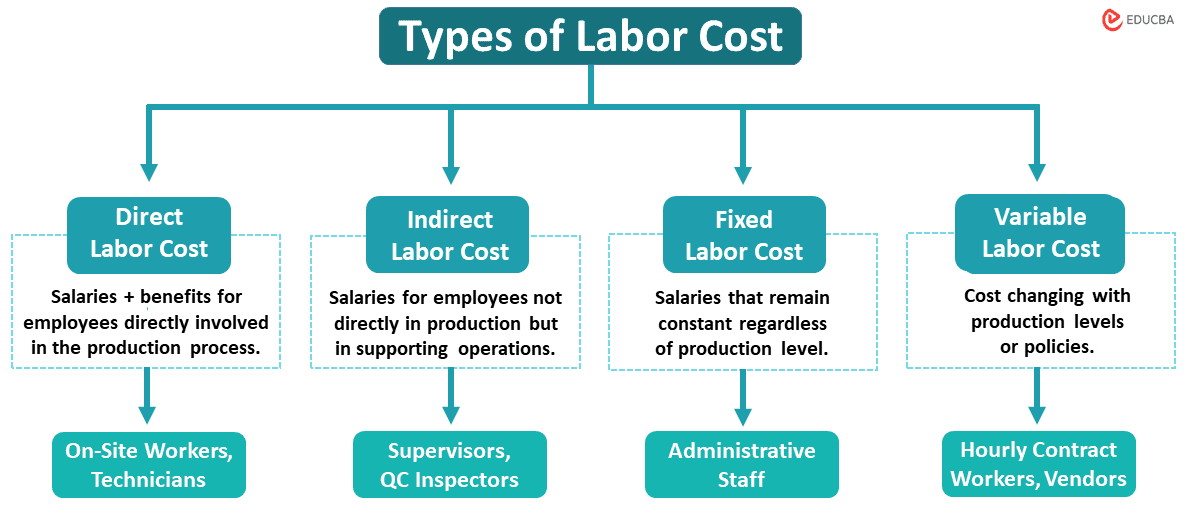
Disposal fees and machine rentals add up fast. If your yard has tricky access, like a narrow gate where big machines can’t fit, workers have to do it by hand with shovels and wheelbarrows. That extra sweat translates directly into higher labor costs on your final bill.
It Is All About the Soil
Once the old grass is gone, you are left with bare dirt, and that dirt usually needs some serious love. Healthy grass needs good soil to thrive. If your dirt is hard as concrete or full of rocks, the new roots won’t be able to dig in. Contractors often have to till the ground, add fresh topsoil, and spread starter fertilizer to give the new lawn a fighting chance.
Land leveling is another huge factor here. If your yard has weird dips or slopes where water pools up, it needs to be graded flat. Leaving your yard bumpy means your brand new lawn will look uneven and might suffer from drainage issues down the road. Prepping the dirt right is truly the secret to making your investment last.
Picking Your Type of Grass
The actual grass blades you choose will play a massive role in your budget. The raw material alone usually costs between $0.30 and $0.80 per square foot. If you live somewhere hot and sunny, you might choose Bermuda or Zoysia grass because they handle heat like a champ. In cooler climates, Kentucky Bluegrass or Fescue are the standard go-to choices.
Some specialty grasses cost way more because they grow slower at the farm or resist shade better. If you have a massive yard, a price difference of just twenty cents per square foot can change your total budget by hundreds of dollars. It pays to talk to local experts about what grows best in your specific neighborhood.
Professional Help vs Sweating It Out Yourself
Should you hire a crew or do it yourself on a weekend. Hiring a team means the job gets done fast, usually in just one or two days, and they handle all the heavy lifting. This is why professional installation fees make up a big chunk of that $1,079 to $3,067 average price tag you see online. They bring the trucks, the tools, and the experience to make it look flawless.
If you choose the DIY route, you can save a lot of cash on labor, but you will still have to pay for the sod delivery, tool rentals, and soil. Plus, you have to be ready to lay the turf down the exact day it arrives. Sod is a living product; if it sits on a pallet in the hot sun for too long, it will cook and die before it ever touches your dirt.
Hidden Expenses to Keep in Mind
There are always a few extra costs that sneak up on people during a landscaping project. For example, did you test your soil ahead of time. A basic soil test is cheap but highly necessary to see if your dirt needs special nutrients. Also, think about your watering situation. New sod requires an incredible amount of water during the first few weeks to establish its root system.
Your water bill is going to spike significantly right after installation. If you don’t have an automated sprinkler system, you will be spending hours outside shifting hoses around, or you might need to pay an irrigation specialist to fix up your current system before the grass arrives.
In the end, replacing your lawn is a major project, but the transformation is honestly amazing. Seeing a patchy, sad yard turn into a vibrant green paradise in a single afternoon feels like magic. Just make sure you budget for the whole story—the removal, the dirt prep, and the water bills—not just the price of the grass itself.
Take your time to gather a few quotes from local pros, check the quality of their past work, and make sure your soil is ready. With the right preparation and a bit of care, your new lawn will be the centerpiece of your home for many years to come.