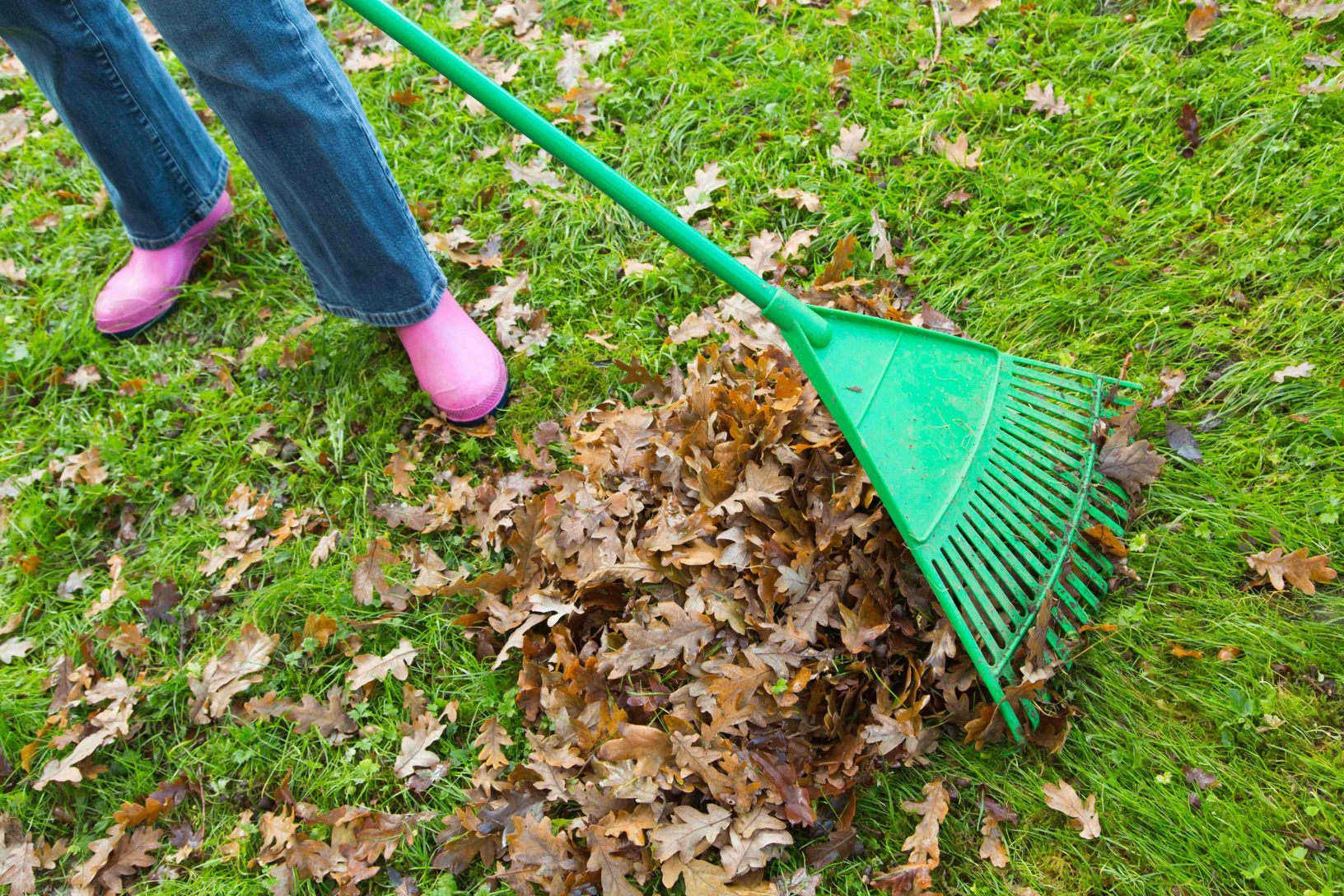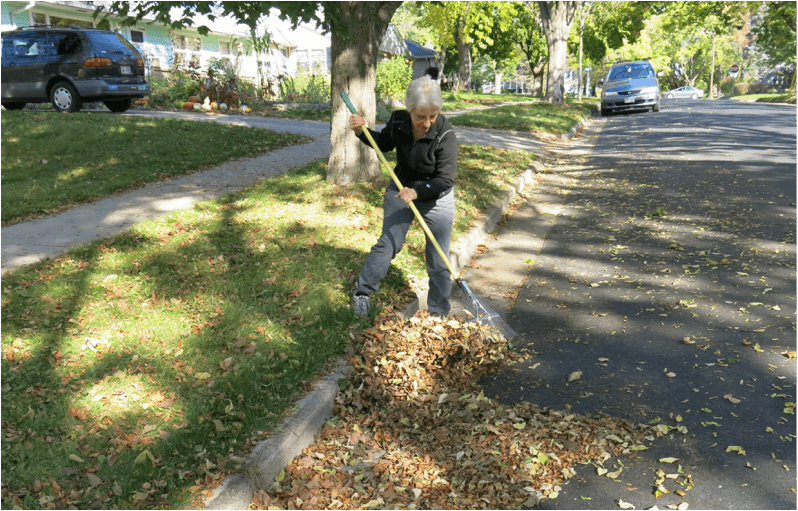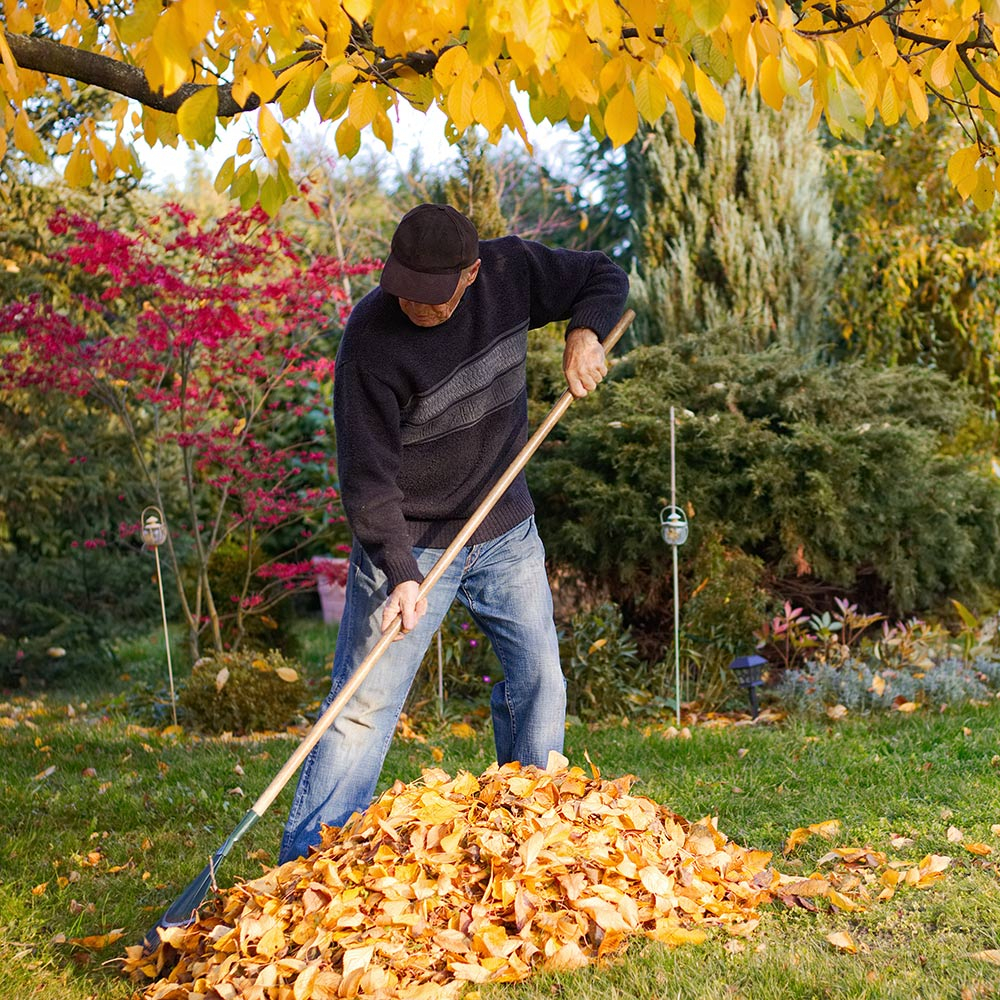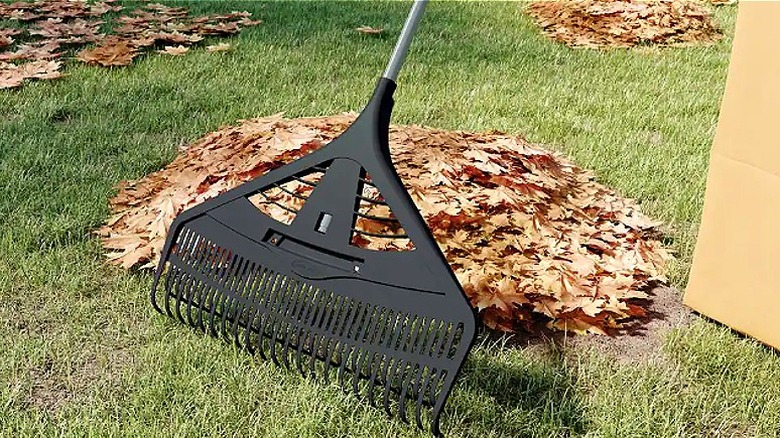

The crisp scent of woodsmoke hangs in the air, morning frost coats the lawn, and down the suburban street, a familiar industrial roar echoes. It is the sound of the leaf blower, followed closely by the hollow thud of plastic bags being dragged to the curb. Across neighborhoods, millions of homeowners engage in an exhausting seasonal ritual: racing against the calendar to strip every last organic trace from their properties. They wrestle brittle maple and oak leaves into single-use plastics, pay municipal fees for disposal, and later drive down to the local garden center to purchase expensive bags of synthetic fertilizer and soil conditioners.
This annual routine represents a staggering economic and ecological disconnect. Every autumn, nature launches a massive, silent delivery service of complex carbon, vital trace minerals, and deep-soil nutrition straight to our yards. Trees spend months pumping precious minerals from deep underground into their foliage, only for humans to rake those biological assets up, bag them, and ship them off to municipal landfills where they rot without oxygen. Municipal waste data from environmental organizations indicates that tens of millions of tons of yard waste are discarded annually in North America alone.
Reclaiming this discarded material shifts the entire paradigm of modern horticulture. When you stop viewing autumn leaves and yard debris as waste, you unlock a self-sustaining cycle of soil regeneration that mirrors native forest floors. The process requires no specialized chemistry degrees or expensive machinery. It simply asks us to step back, observe how undisturbed ecosystems operate, and let natural decomposition do the heavy lifting. By harnessing this free resource, you cut household gardening expenses, eliminate plastic waste, and build a resilient subterranean food web that produces remarkable vegetable harvests and lush ornamental beds.
The Hidden Alchemy Beneath Your Feet and Why Leaves Are Garden Gold
To understand why fallen leaves are elite soil amendments, we have to look past their brown, brittle exterior and examine their physiological makeup. Throughout the spring and summer, tree leaves act as solar panels and nutrient-storage vessels. When autumn arrives, the tree draws back valuable nitrogen, phosphorus, and potassium into its woody structures, but it leaves behind substantial reservoirs of calcium, magnesium, iron, and manganese trapped within the structural cell walls. Furthermore, leaves are packed with carbon, the essential structural building block required to balance the high-nitrogen inputs that typical kitchen scraps and green garden waste introduce to a compost pile.
Commercial fertilizers provide a quick, chemical jolt of N-P-K (Nitrogen, Phosphorus, Potassium), but they do nothing to improve soil structure. They are the agricultural equivalent of a fast-food sugar rush, leaving the underlying soil ecosystem starved for organic matter. Fallen leaves, by contrast, are slow-release soil conditioners. As they break down, they feed the fungal networks, earthworms, and beneficial bacteria that create true loam. This biological activity binds mineral particles into stable aggregates, dramatically increasing the soil’s capacity to retain moisture during summer droughts while ensuring proper drainage during heavy autumn rains.
The economic implications of this shift are immediate. A single mature deciduous tree can drop hundreds of pounds of organic matter over a few short weeks. Buying equivalent amounts of bagged compost, organic mulch, and soil conditioners at retail prices can easily cost a homeowner hundreds of dollars each season. When your neighbors leave their bagged leaves at the curb, they are literally putting cash on the street. Seasoned gardeners recognize these leaf-laden curbsides not as trash heaps, but as open invitations to harvest free, premium-grade soil amendments that rival anything commercially packaged.
Unraveling the Soil Food Web and the Biological Engine of Decomposition
Soil is not merely dirt; it is a living, breathing subterranean metropolis. In a single teaspoon of healthy garden soil, billions of microscopic organisms interact in a complex food web. Bacteria and fungi initiate the breakdown of rigid plant cell walls, releasing locked-up nutrients into forms that plant roots can readily absorb. Protozoa, nematodes, and micro-arthropods consume these primary decomposers, excreting plant-available nutrients directly into the root zone. Autumn yard waste serves as the primary fuel source for this entire biological engine.
When you blanket your garden beds with a thick layer of whole or shredded leaves, you insulate the soil from the harsh freeze-thaw cycles of winter. This thermal blanket keeps the topsoil active longer into the cold months, allowing beneficial soil microbes to continue working beneath the surface. As earthworms tunnel upward through the softening leaf litter, they pull organic matter down into the mineral soil, creating natural vertical channels for air and water penetration. This biological tillage happens silently, eliminating the need for heavy gas-powered tillers that disrupt and destroy delicate fungal hyphae networks.
In contrast, pristine, leaf-free lawns treated exclusively with synthetic weed-and-feed products often suffer from compacted, lifeless soil. Without a continuous input of organic carbon, the soil structure collapses under heavy foot traffic and torrential downpours, leading to runoff and erosion. By integrating autumn yard waste back into the landscape, you restore the natural carbon cycle. The humic substances created during leaf decomposition actively bind heavy metals, buffer soil pH fluctuations, and create a resilient buffering capacity that protects plants from environmental stress.
Transforming Autumn Debris Into Black Gold: A Field-Tested Implementation Blueprint
Processing yard waste does not require an industrial-scale composting facility. With a few simple tools and a bit of strategic planning, you can convert every autumn leaf and dead perennial stem into nutrient-dense fertilizer. The following step-by-step framework outlines how to maximize your autumn yield with minimal physical strain.
- Step 1 (Gathering and Sorting Your Raw Materials): Collect fallen leaves as they drop, keeping an eye out for heavy mats of wet, matted leaves that can suffocate underlying grass. Separate woody branches and thick perennial stalks from delicate foliage, as woody materials require a longer breakdown timeline and benefit from being chipped or bundled separately.
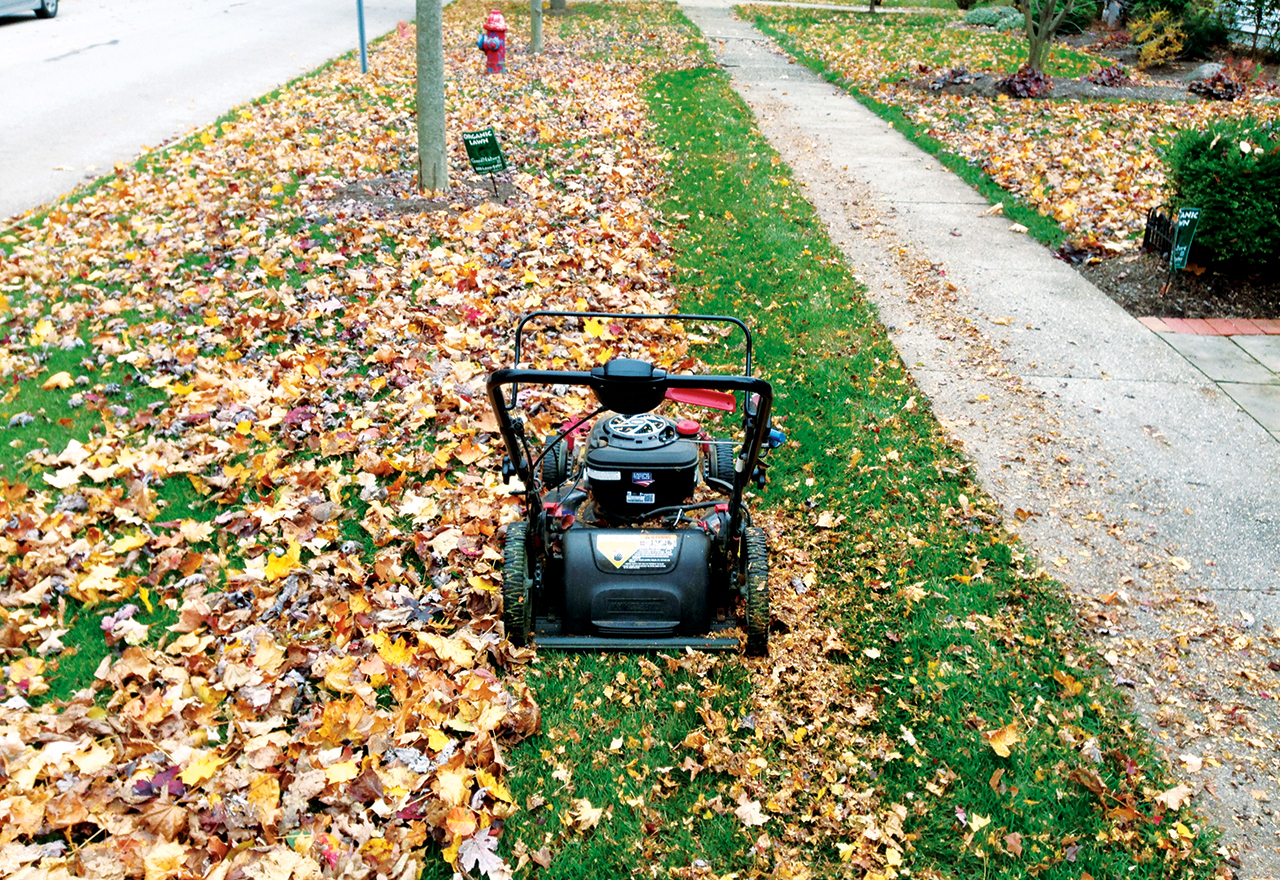
- Step 2 (Shredding for Rapid Decomposition): Never pile whole, wet leaves deep without processing, as they mat together into an impermeable barrier that blocks air and water. Run your mower over piles of leaves spread across the lawn, or use a dedicated leaf vacuum with a mulching blade to shred the leaves down to a fraction of their original size, vastly increasing the surface area available to microbes.
- Step 3 (Balancing Carbon and Nitrogen Ratios): Build a balanced compost pile by alternating layers of shredded brown leaves (carbon-rich) with green yard waste, grass clippings, and kitchen vegetable scraps (nitrogen-rich) in a 4-to-1 or 3-to-1 ratio. This optimal carbon-to-nitrogen balance prevents the pile from becoming a stinky, anaerobic sludge or a dry, inactive heap.
- Step 4 (Managing Moisture and Aeration): Maintain moisture levels comparable to a wrung-out damp sponge by watering the pile periodically during dry spells. Turn the pile every two to three weeks with a pitchfork to introduce fresh oxygen, which accelerates aerobic bacterial activity and rapidly heats the core of the pile to destroy weed seeds and pathogens.
- Step 5 (Application and Incorporation): Harvest your finished leaf mold or compost once it turns dark, crumbly, and sweet-smelling—typically within three to six months depending on shredding and turning frequency. Top-dress your vegetable beds, perennial borders, and shrub lines with a two-inch layer, letting worms and rain work the nutrients deep into the root zone.
Navigating Common Traps and Field-Tested Workarounds for Yard Waste Composting
Even experienced gardeners occasionally stumble when managing large volumes of autumn debris. Misjudging moisture content, dealing with stubborn tree species, or running afoul of local pests can stall the decomposition process and cause frustration. Understanding these common pitfalls and applying field-tested workarounds ensures your yard waste project remains efficient and rewarding.
- Pitfall 1 (The Matted Leaf Barrier): Piling whole, wet maple or oak leaves directly onto garden beds creates a dense, airtight mat that repels water and suffocates plant crowns. Workaround: Always shred leaves using a lawnmower or leaf mulcher before applying them as mulch, or mix them with coarse organic matter like straw or crushed twigs to maintain air passages.
- Pitfall 2 (Overloading on Slow-Decaying Tannins): Oak, beech, and walnut leaves contain high levels of lignin and tannins, which break down very slowly and can temporarily lower soil pH. Workaround: Shred these acidic leaves finely and mix them generously with nitrogen sources like grass clippings or green vegetable scraps, or age them separately in dedicated leaf-mold cages for a full year.
- Pitfall 3 (Attracting Unwanted Rodents): Tossing kitchen scraps directly onto an open leaf pile without proper carbon coverage invites mice, rats, and raccoons looking for an easy meal. Workaround: Always bury green food waste deep within the center of the pile and cap the exterior with a thick, twelve-inch layer of dry, shredded brown leaves to mask food odors completely.
- Pitfall 4 (Anaerobic Odors and Sludge Formation): Allowing the compost pile to become excessively wet and compacted cuts off oxygen, shifting the decomposition from sweet-smelling aerobic bacteria to foul-smelling anaerobic bacteria. Workaround: Turn the pile immediately with a pitchfork, add dry shredded cardboard or leaves to absorb excess moisture, and ensure your composting area sits on well-draining ground.
- Pitfall 5 (Introducing Persistent Lawn Weeds and Diseases): Tossing diseased tomato plants or weeds gone to seed into a cold compost pile preserves pathogens and viable seeds, which you then spread back over your garden beds. Workaround: Reserve cold, slow compost piles strictly for clean leaves and yard waste, and direct any diseased material or invasive weed roots to municipal green-waste collection programs or hot compost piles that reach sustained temperatures above 140°F.
The Broader Ecological and Economic Horizon of Regenerative Yard Management
Zooming out from the individual backyard reveals a profound macro-perspective on waste management, municipal infrastructure, and global sustainability. Every autumn, cities expend massive financial resources on fossil-fuel-guzzling trucks, labor, and tipping fees to haul billions of pounds of organic matter to overburdened landfills. Once buried in anaerobic landfill depths, this organic material breaks down to release methane, a potent greenhouse gas with a global warming potential significantly higher than carbon dioxide over a 20-year timeline. Shifting toward decentralized, on-site yard waste recycling lightens the load on municipal services and transforms a public expenditure into a localized ecological asset.
On a neighborhood level, adopting a "leave the leaves" and zero-waste yard management philosophy fosters biodiversity corridors in urban and suburban environments. Countless beneficial insects, native bees, butterflies, and moths rely on leaf litter, hollow plant stems, and undisturbed topsoil layers to overwinter safely. When we vacuum and bag every square inch of our properties, we effectively wipe out the foundational species of the local food web, starving migrating birds and predatory insects that naturally control pest populations in the spring.
Economically, the cumulative household savings are substantial. When families stop purchasing commercial fertilizers, synthetic soil amendments, single-use plastic trash bags, and bagged mulch, hundreds of dollars remain in the local economy or household budget. Furthermore, gardens nourished exclusively by home-processed organic matter exhibit greater resilience against climate volatility. Soils rich in decomposed yard waste retain significantly more water, buffering plants against extreme drought conditions while holding fast against erosion during intense, unseasonal downpours.
Practical Frameworks and High-Impact Takeaways for Every Property Owner
Translating these insights into daily practice requires adopting clear mental frameworks that simplify property maintenance while maximizing ecological returns. You do not need to convert your entire residential property into an unkempt wilderness to reap the benefits of natural nutrient recycling. Strategic zoning allows you to maintain a tidy front curb appeal while establishing high-yield biological recycling zones in side yards, garden perimeters, and backyard vegetable plots.
- Establish Dedicated Recycling Zones: Designate hidden corners of your yard for wire-mesh leaf bins or active compost bays, keeping organic processing out of sight while maintaining immediate access from primary garden beds.
- Employs Multi-Purpose Tooling: Invest in a quality mulching lawnmower or an electric leaf shredder, transforming a tedious multi-step raking and bagging chore into a ten-minute mechanical pass.
- Prioritize Layered Mulching: Use shredded autumn leaves as a direct weed-suppressing, moisture-retaining mulch in perennial flower beds and under shrub lines, letting winter weather naturally integrate the material into the soil.
- Monitor Soil Biology: Check your soil health seasonally by observing earthworm populations and soil crumb structure, adjusting your carbon-to-nitrogen inputs based on how rapidly organic matter disappears into the earth.
By adopting these streamlined habits, property maintenance shifts from a burdensome weekly chore into an act of active ecological stewardship. You become a participant in one of earth’s oldest and most reliable biological cycles, turning seasonal waste into the bedrock of a thriving, self-sustaining landscape.
The next time the autumn wind strips the final golden leaves from the canopy overhead, pause before reaching for the rake and the plastic bags. Look at those falling leaves not as an unsightly mess to be banished to the curb, but as a direct deposit from nature’s infinite nutrient bank. Every decaying leaf is a promise of next season’s bumper harvest, a structural building block for drought-resistant soil, and an invitation to work alongside natural ecosystems rather than fighting against them.
This autumn, rewrite your routine. Let the leaves fall where they nourish, shred the excess to fuel your garden beds, and watch as your soil transforms into rich, dark loam without spending a single dime at the garden center. In doing so, you reclaim an ancient rhythm of stewardship that honors the earth, revitalizes your plants, and proves that the best things in gardening—and in life—truly are free.