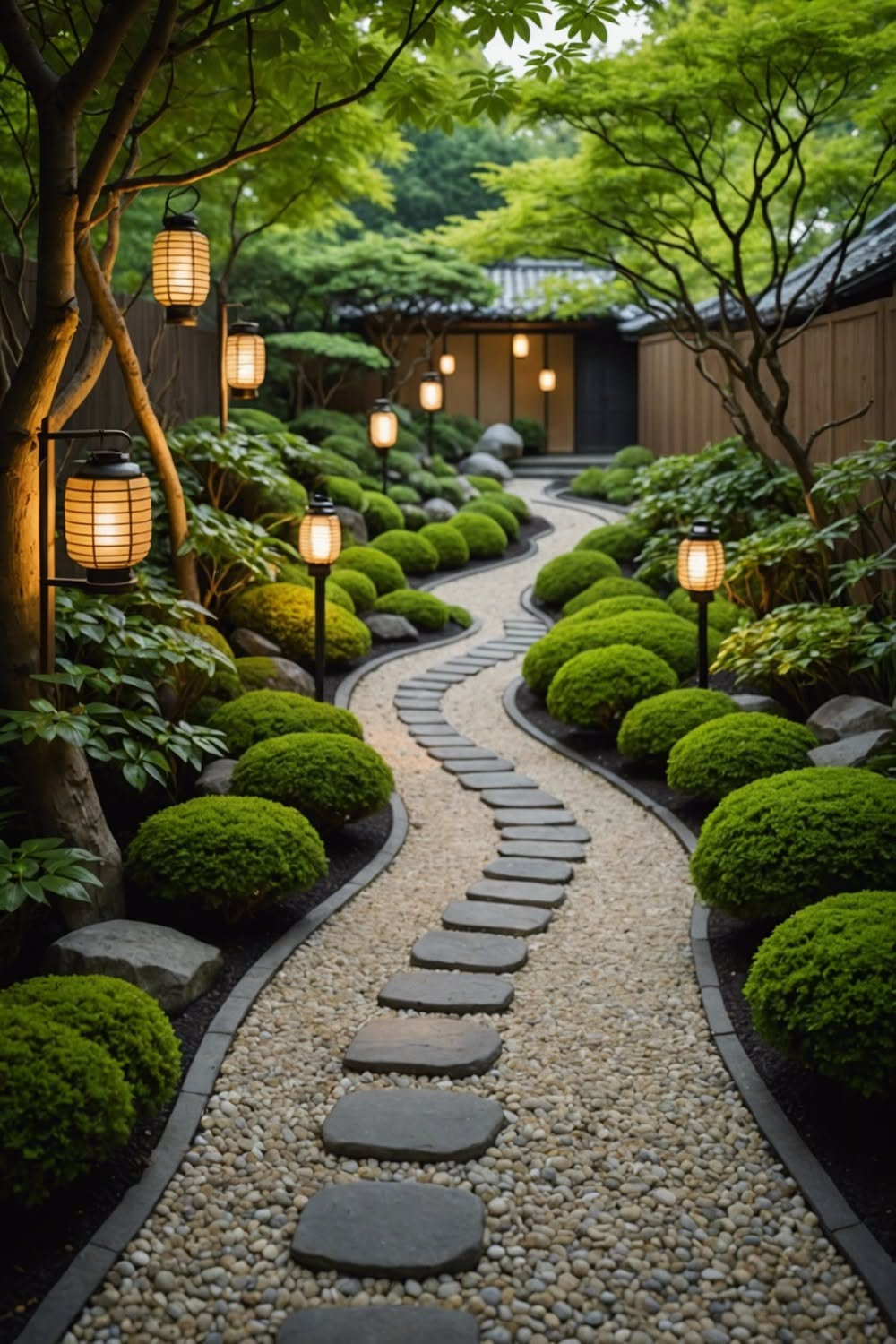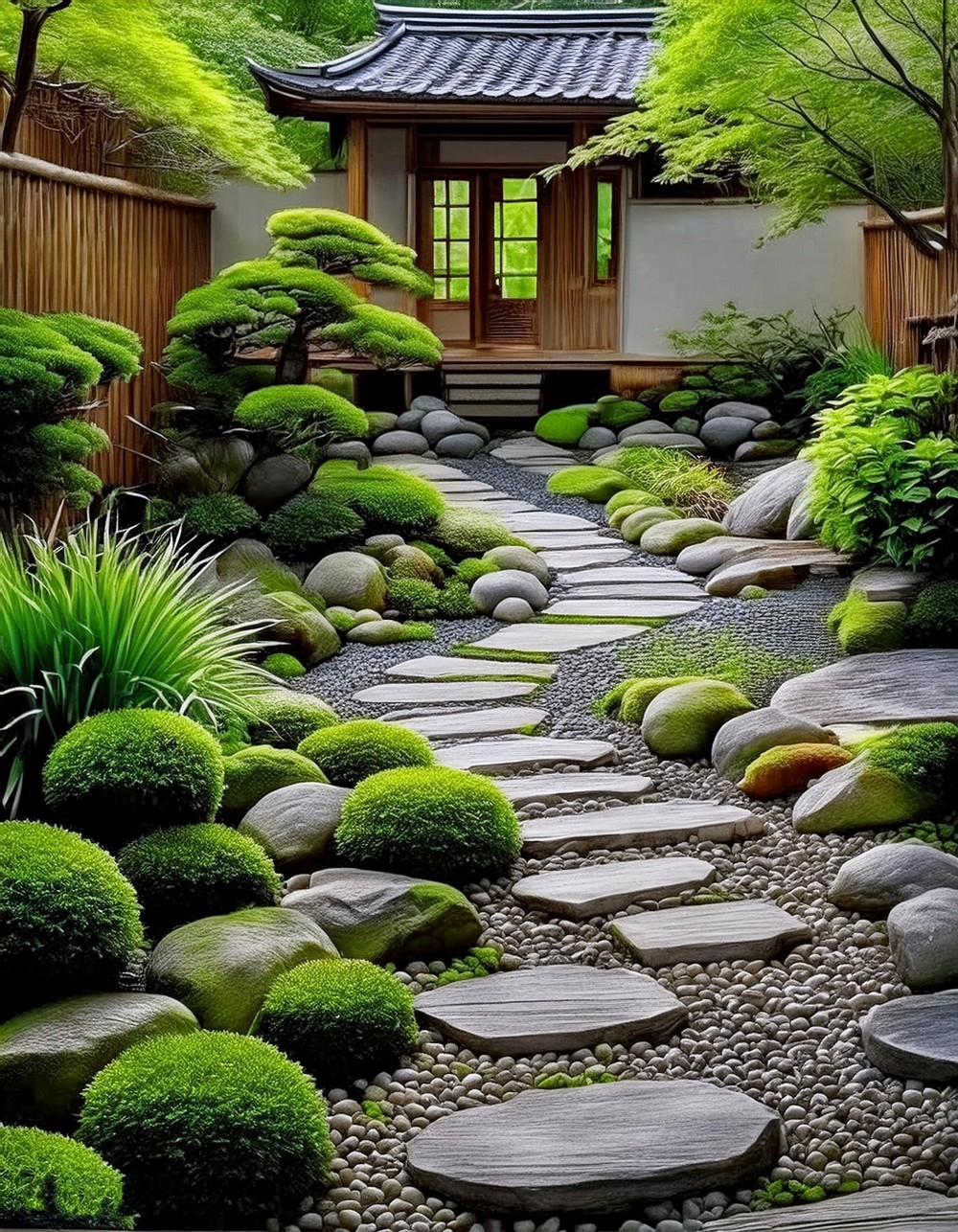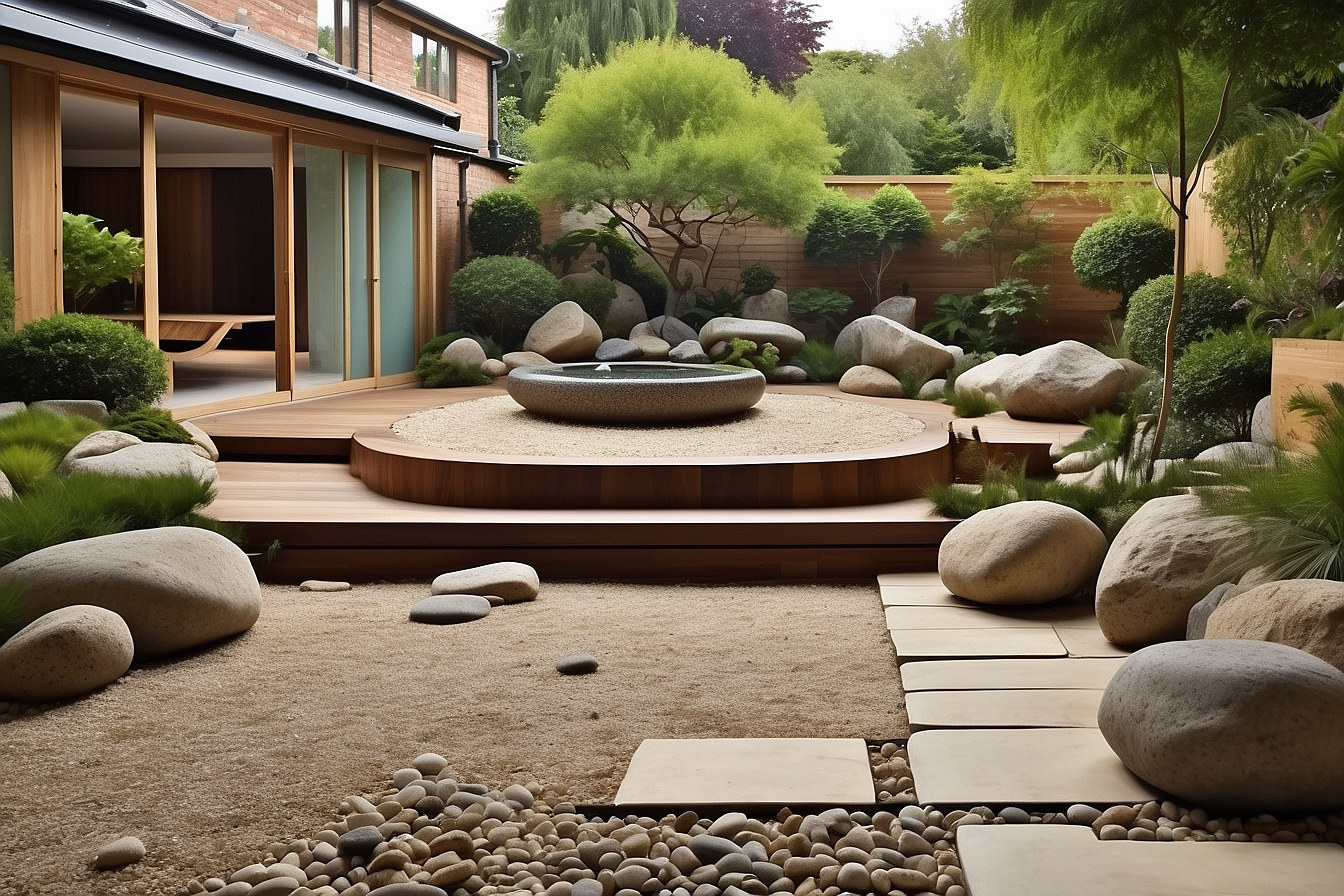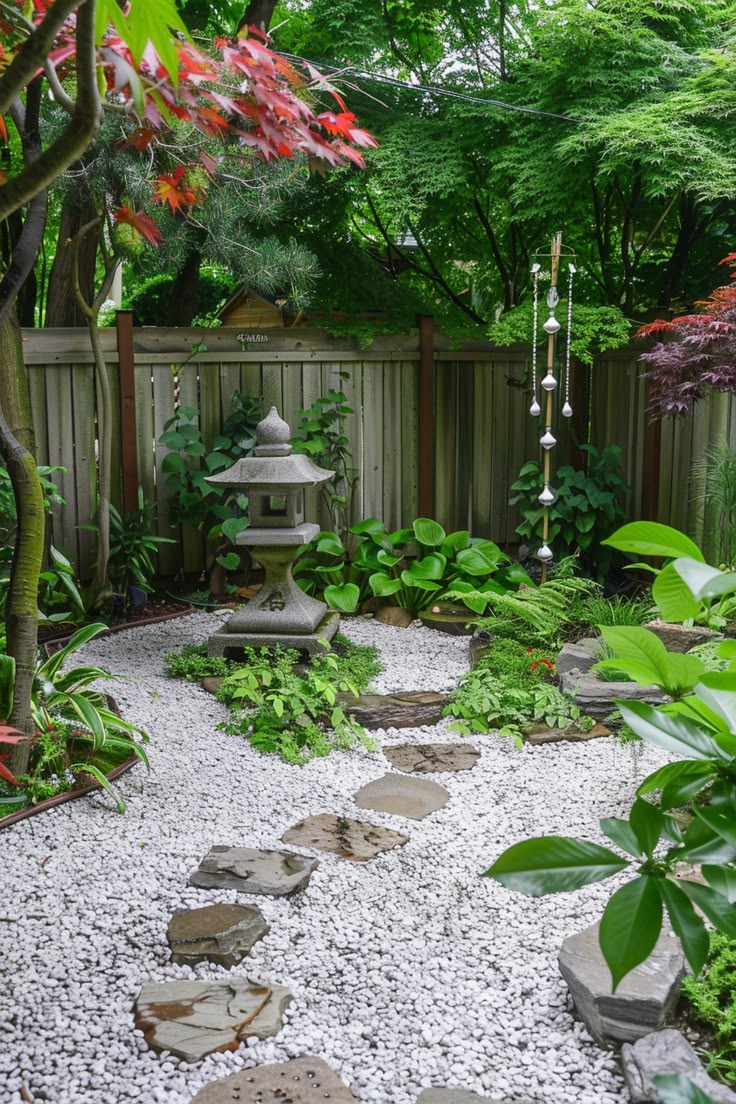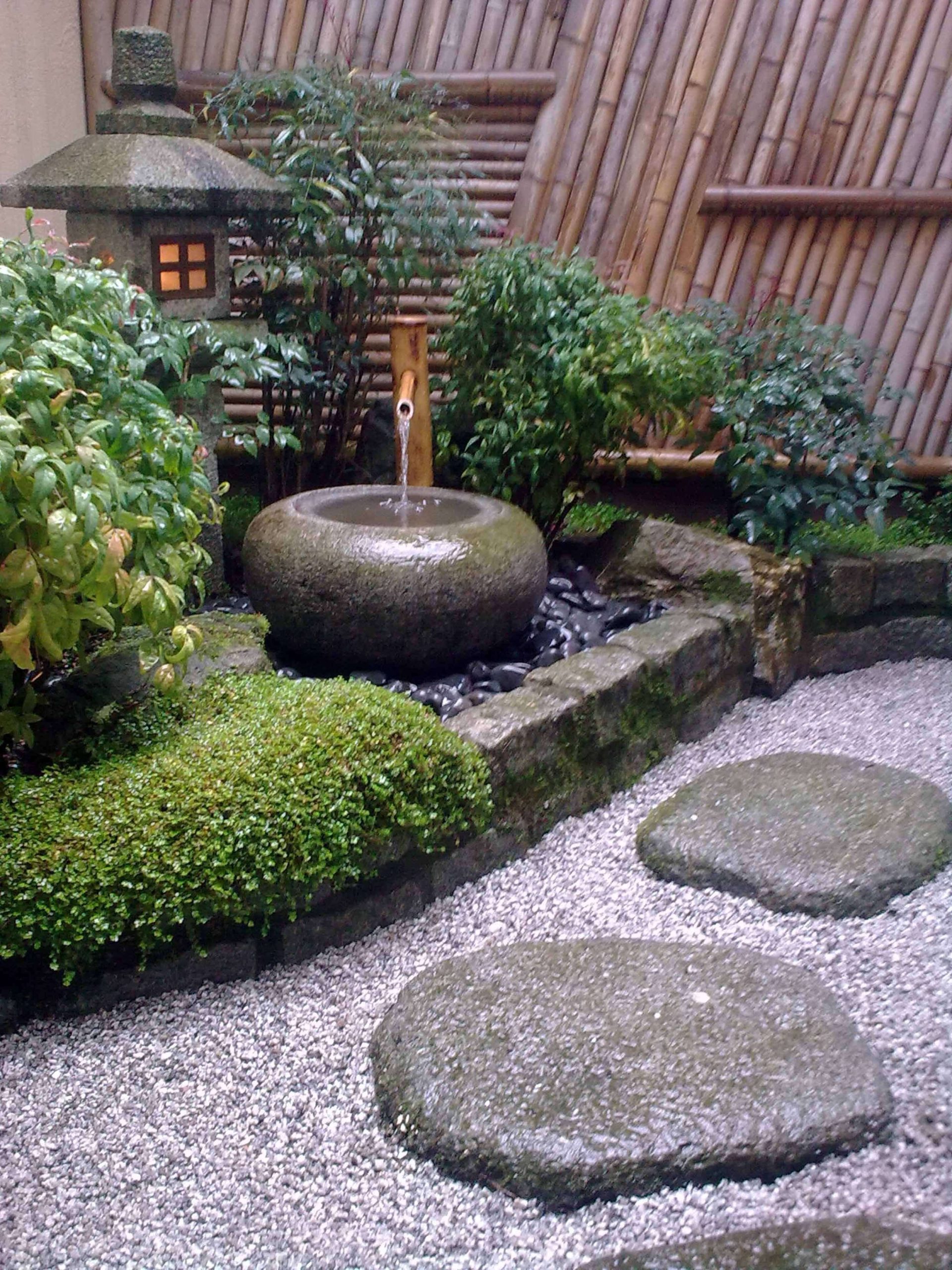

Have you ever stood in your backyard, staring at a patch of thirsty lawn or a flower bed that demands constant attention, and just felt… tired? It’s 2026, and the climate isn’t getting any cooler. Water bills are climbing, and the guilt of watching sprinklers run while the reservoirs drop is real. But what if your outdoor space didn’t have to be a chore? What if it could be a place of stillness that actually benefits from being ignored?
That’s the magic of the water-wise Zen rock garden. It’s not just about rocks and sand. It’s about shifting your mindset from controlling nature to collaborating with it. By embracing the Japanese concept of karesansui (dry landscape), you create a sanctuary that looks stunning, feels peaceful, and sips water instead of gulping it. Let’s dig into how you can build this lasting retreat, step by step, without losing your mind or your savings.
Understanding the Soul of Karesansui
Before you buy a single stone, you need to understand what you’re building. A Zen garden, or karesansui, isn’t a replica of a natural scene. It’s an abstraction. In traditional designs, raked gravel represents water—oceans, rivers, or mist. The rocks are islands or mountains. This is crucial because it means you don’t need actual water to have a water feature. You’re creating the idea of water. This distinction is the secret to making it water-wise. You aren’t fighting evaporation; you’re celebrating dryness.
In recent years, designers have moved away from rigid, textbook definitions. The goal in 2026 is authenticity to your specific environment. If you live in a dry climate, forcing lush moss or water-loving ferns into your Zen garden is fighting a losing battle. Instead, lean into the arid beauty. Think of the rugged coastlines or dry riverbeds. The aesthetic is minimalist, yes, but it’s also deeply resilient. It honors the land you’re on by using plants and materials that belong there.
This approach simplifies upkeep significantly. Traditional lawns need mowing, fertilizing, and daily watering. A Zen rock garden needs raking (which is meditative, not a chore) and occasional weeding. It’s a shift from maintenance to mindfulness. When you view the garden as a practice rather than a project, the pressure drops. You stop worrying about perfect edges and start appreciating the way light hits a granite boulder in the late afternoon. That’s the vibe we’re going for.
Site Selection and Ground Preparation
Location is everything. You want a spot that invites contemplation but doesn’t fight the elements too hard. Look for an area that gets good drainage. Standing water is the enemy of a dry garden, ironically enough. If your soil is heavy clay, you’ll need to amend it or build up the bed. Raised beds are fantastic for Zen gardens because they create a clear boundary between the "sacred" space and the rest of the yard. They also improve drainage instantly.
Start by clearing the area completely. Remove grass, weeds, and roots. This is the hardest part, but don’t skip it. If you leave grass roots under your gravel, they will come back. Trust me. Once it’s bare, lay down a high-quality weed barrier. Not the cheap plastic stuff that tears in a year, but a permeable landscape fabric that allows water to pass through but blocks light. Overlap the edges by at least six inches. Secure it with landscape pins. This layer is your insurance policy against future headaches.
Consider the view from inside your house, too. A Zen garden is often designed to be viewed from a seated position, like a porch or a window seat. Sit in your favorite chair and look out. Where does your eye naturally go? That’s where your focal point should be. Mark out the boundaries with string or spray paint. Keep the shape simple—rectangles, squares, or gentle curves. Complex shapes distract from the simplicity of the design. Remember, the frame is just as important as the picture.
Choosing Stones with Character and Purpose
Rocks are the bones of your garden. In Zen philosophy, they represent permanence and stability. When selecting stones, think less about "pretty" and more about "presence." You want stones that look like they’ve been there for a thousand years. Local stone is always best—it’s cheaper, eco-friendly, and looks native to the region. Visit local quarries or stone yards rather than big box stores. You’ll find better variety and often better prices.
Aim for an odd number of main stones. Three, five, or seven. Group them in asymmetrical triangles. This creates dynamic tension and visual interest. Avoid symmetry; nature rarely does it, and neither should you. Place your largest stone first. This is your "main mountain." Then arrange the smaller stones around it, ensuring they look like they emerge from the ground rather than sitting on top of it. Bury about one-third of each rock’s height. This grounds them and makes them look ancient.
Texture matters. Smooth river rocks give a different feel than jagged granite or layered slate. Mix textures if you want complexity, but keep the color palette restrained. Too many colors look chaotic. Stick to two or three complementary tones. Grey, black, and white is a classic combo. Earthy reds and browns work well in desert landscapes. The key is harmony. Pick up a rock and hold it. Does it feel right? Does it have weight? Trust your gut. If a stone feels awkward, it probably is. Move it until it feels inevitable.
The Art of Gravel and Sand Selection
The "water" in your dry garden is the gravel or sand. This choice defines the texture and tone of the entire space. Crushed granite is popular because it compacts well and stays in place. Pea gravel is smoother and easier to rake but can shift more. Decomposed granite gives a rustic, earthy look that blends seamlessly with native plants. Avoid bright white marble chips unless you’re going for a very specific, high-contrast modern look; they can glare in the sun and look artificial.
Depth is important. You need enough material to rake patterns without hitting the weed barrier underneath. Aim for two to three inches deep. Calculate your volume carefully so you don’t under-buy. It’s better to have a little left over for touch-ups later. When you spread it, use a landscaping rake to get it level before you start creating patterns. The base layer should be flat and smooth.
Color contrast between the rocks and the gravel helps define the shapes. If your rocks are dark grey, a lighter grey or tan gravel will make them pop. If your rocks are light, go darker with the gravel. This visual separation is key to the minimalist aesthetic. It creates clarity. In a world full of noise, your garden should offer visual silence. The right gravel choice amplifies that silence. Don’t rush this step. Bring samples home and look at them in different lights. Morning light changes everything.
Integrating Drought-Tolerant Plant Life
While traditional karesansui often uses no plants, modern water-wise interpretations welcome them sparingly. The rule is: less is more. Plants should accent the rocks, not overwhelm them. Choose species that thrive on neglect. Succulents like sedum and sempervivum are excellent choices. They store water, require almost no irrigation, and add subtle color and texture. Ornamental grasses, such as blue fescue or feather reed grass, provide movement and softness against the hard stones.
Native plants are your best friends here. They’re adapted to your local rainfall patterns and soil conditions. In 2026, sourcing native cultivars is easier than ever. Look for dwarf varieties that won’t outgrow their space. A small Japanese maple might work in a larger garden, but in a small courtyard, it could become a monster. Stick to slow-growers. Moss is traditional, but it requires moisture. If you’re in a dry climate, substitute with thyme or creeping phlox, which mimic the carpet-like effect of moss but handle drought beautifully.
Plant in clusters, not rows. Mimic how plants grow in the wild—spilling out from crevices or huddling together for protection. Leave plenty of open space. The emptiness is part of the design. It allows the eye to rest. When you do water, do it deeply and infrequently. This encourages deep root growth, making the plants even more resilient. Install a simple drip irrigation system on a timer if you must, but set it to run rarely. The goal is survival, not luxuriance. Embrace the slight wilting in peak summer; it’s part of the seasonal rhythm.
Creating the garden is just the beginning. Maintaining it is where the Zen practice really happens. Raking the gravel isn’t just about aesthetics; it’s a moving meditation. Use a specialized bamboo rake or a simple leaf rake. Create patterns that flow around the rocks, like ripples in a pond. Straight lines suggest calm waters; swirling patterns suggest movement or waves. There’s no right or wrong pattern, only what feels right to you in the moment. Do it when you’re stressed. Do it when you’re happy. Just do it mindfully.
Weeding is inevitable, but with a good barrier, it’s minimal. Pull weeds when they’re small. Don’t let them seed. Check the edges of the garden regularly. Gravel tends to migrate out of the bed onto the lawn or path. Sweep it back in. Top off the gravel every few years as it settles or decomposes. This keeps the look fresh and crisp. Inspect your rocks occasionally. If one shifts due to frost heave or heavy rain, adjust it. The garden is a living entity, even if it’s mostly stone.
Longevity comes from resisting the urge to add more. It’s tempting to throw in a statue, a lantern, or another plant. Resist. Let the garden breathe. Clean debris like leaves and twigs promptly to prevent staining the gravel. If you live in an area with heavy wind, consider a slightly larger gravel size to prevent blow-away. In 2026, sustainability is key, so avoid chemical herbicides. Use vinegar solutions or manual removal. Your garden should be a safe haven for you and the local ecosystem. Keep it simple, keep it dry, and let it age gracefully.
There’s a profound peace in knowing your garden doesn’t demand your constant labor. It stands there, steady and calm, reflecting the sky and the seasons. By choosing water-wise principles, you’re not just saving resources; you’re creating a space that endures. It’s a legacy of stillness in a chaotic world. So grab a rake, find a quiet moment, and let the stones speak. They’ve got a lot to say if you’re willing to listen.