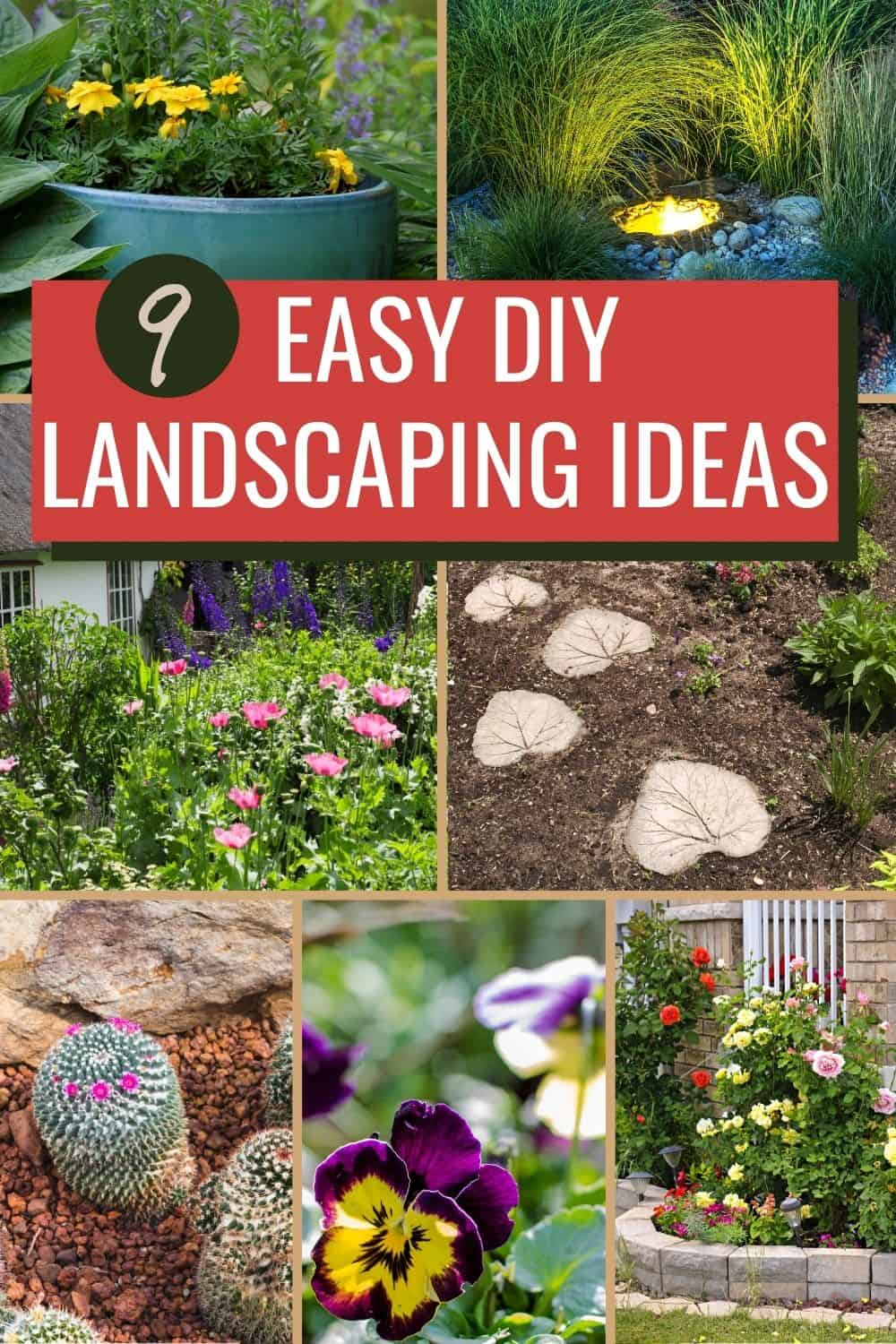

So, you got the keys. The boxes are stacked in the corner, smelling faintly of cardboard and new beginnings. You walk out the back door, coffee in hand, and look at… well, it’s a space. Maybe it’s a patch of dry dirt. Maybe it’s an overgrown jungle that looks like it hasn’t seen a lawnmower since the nineties. Or maybe it’s just a concrete slab that feels cold and unwelcoming. It’s overwhelming, isn’t it? You just bought a house. Your bank account is probably whispering quiet warnings. And now there’s this whole other world outside your window that needs attention.
But here’s the secret nobody tells you when you’re signing those mountains of paperwork: you don’t need a landscape architect. You don’t need a five-figure budget. And you definitely don’t need to have it all figured out by next Tuesday. Gardening, at its heart, isn’t about perfection. It’s about connection. It’s about getting your hands dirty and watching something grow because you cared for it. In 2026, with material costs still fluctuating and supply chains finally stabilizing after years of chaos, the smartest move is to start small, start simple, and start with what you have. Let’s talk about how to turn that intimidating yard into a sanctuary, one weekend project at a time.
The Mindset Shift: Start Small and Embrace the Mess
Before you buy a single bag of mulch, you need to change how you look at your yard. Most first-time homeowners make the mistake of trying to "finish" the garden. They want the Instagram-ready patio, the perfect lawn, and the blooming borders all at once. That’s a recipe for burnout and debt. Instead, think of your garden as a living room that’s under construction. It’s okay if it’s messy. It’s okay if it changes. The best gardens evolve over years, not days.
Start by picking one small zone. Just one. Maybe it’s the area right outside your kitchen door where you drink your morning coffee. Or maybe it’s a sad little corner near the fence that collects trash. By focusing on a tiny area, you can see results quickly. This gives you a win. And believe me, you’re going to need those wins. When you see flowers blooming in that one spot, or vegetables growing in a single raised bed, it builds confidence. It proves to you that you can do this. Plus, working in small chunks is way easier on your wallet. You buy soil for one bed, not ten. You plant five herbs, not fifty.
Also, give yourself permission to fail. Seriously. Plants die. Sometimes they just decide they don’t like your vibe. In 2025, a lot of new gardeners panicked when their plants struggled, thinking they had broken some unspoken rule. But nature is resilient, and so are you. If a plant dies, compost it (or toss it) and try something else. Learn from it. Did it get too much sun? Too much water? That’s data, not failure. Embracing the mess and the mistakes is the fastest way to become a gardener who actually enjoys the process rather than stressing over the outcome.
Building Raised Beds Without Breaking the Bank
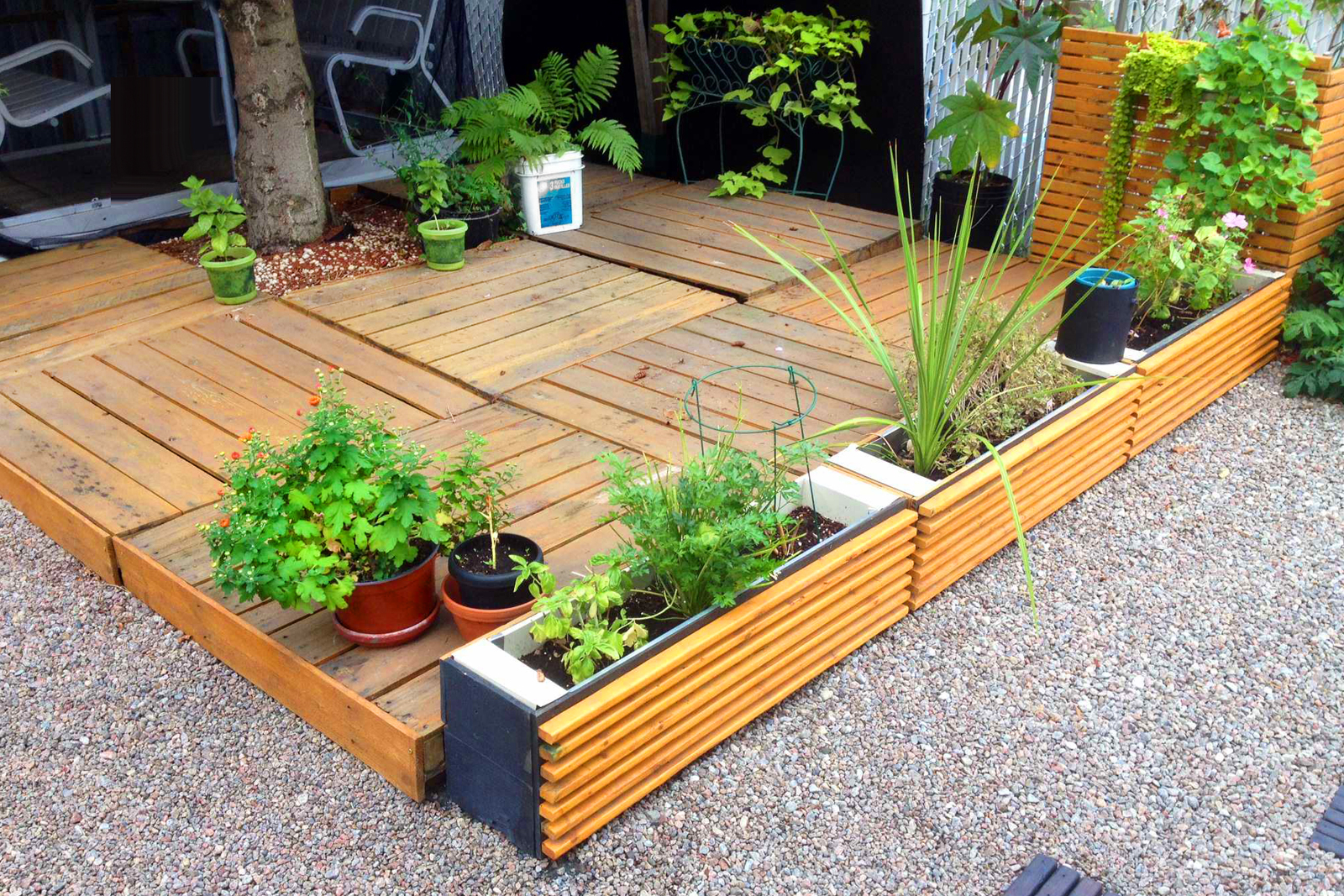
Raised beds are the holy grail for beginner gardeners. They look neat, they drain well, and they save your back from endless bending. But walking into a big-box store in 2026, you might see pre-made kits costing hundreds of dollars. Don’t buy them. You can build sturdy, beautiful raised beds for a fraction of that price using materials you can find locally or even for free. The key is keeping it simple. You don’t need fancy joinery or expensive hardwoods.
Cedar is great because it resists rot, but it’s pricey. A solid alternative is untreated pine or spruce. Yes, it will rot faster—maybe in five to seven years instead of fifteen—but it costs significantly less. You can replace the boards later when you’ve saved up more cash. Another fantastic option is galvanized steel stock tanks, which have become huge trends recently. You can find them at farm supply stores. They last forever, look modern, and require zero assembly. Just drop them in place, fill them with soil, and you’re done. If you’re handy, you can even repurpose old wooden pallets. Just make sure they haven’t been treated with harsh chemicals (look for the HT stamp, which means Heat Treated, not MB for Methyl Bromide).
When filling your beds, avoid the temptation to buy all premium potting mix. It adds up fast. Instead, use the "lasagna method" or sheet mulching. Put down cardboard to suppress weeds, then layer organic matter like leaves, grass clippings, and straw. Top it off with a few inches of good quality compost and topsoil. This creates a rich, spongy soil structure that holds water well and feeds your plants naturally. It’s cheaper than buying bags of soil, and it’s better for the environment. Plus, you’re recycling waste from your own yard or neighborhood. It’s a win-win situation that feels good to do.
The Magic of Propagation: Free Plants from Friends
One of the biggest expenses in gardening is buying plants. A single perennial can cost $15 or $20. Multiply that by ten, and you’re looking at a serious bill. But here’s the thing: plants want to grow. And many of them are incredibly easy to clone. This is called propagation, and it’s basically getting free plants. All you need is a pair of clean scissors, some water or soil, and a generous friend.
Start with easy winners like pothos, spider plants, succulents, or herbs like mint and basil. These root quickly in water. Snip a stem, pop it in a jar, and wait a week or two for roots to appear. Then, plant it in your garden or a pot. It’s that simple. For outdoor perennials, ask neighbors or local gardening groups if they’re dividing their hostas, daylilies, or irises. These plants grow large clumps that need to be split every few years to stay healthy. Gardeners are usually thrilled to give away the extra divisions because it saves them work. In 2026, community seed swaps and plant exchanges are more popular than ever, thanks to social media groups connecting local growers. Join one. You’ll meet people, share tips, and walk home with armfuls of greenery for free.
There’s also seeds. Starting from seed is the cheapest way to grow veggies and annual flowers. A packet of seeds costs $3 and can produce dozens of plants. It takes a bit more patience—you have to wait for them to sprout and grow—but the reward is huge. Plus, you get to choose varieties you won’t find in nurseries. Try heirloom tomatoes or unusual peppers. It adds personality to your garden. Just remember to start seeds indoors a few weeks before the last frost date in your area. You can use recycled yogurt cups or egg cartons as starter pots. Poke holes in the bottom for drainage, fill with seed-starting mix, and place them on a sunny windowsill. It’s science class all over again, but tastier.
Hardscaping with Recycled and Found Materials
"Hardscaping" sounds professional and expensive. It refers to the non-living elements of your garden: paths, patios, walls, and decks. But you don’t need poured concrete or expensive pavers to create structure. In fact, some of the most charming gardens use irregular, found materials that add character and history. Look for reclaimed bricks from demolition sites, leftover stones from construction projects, or even broken concrete chunks (called urbanite) that can be arranged into rustic pathways.
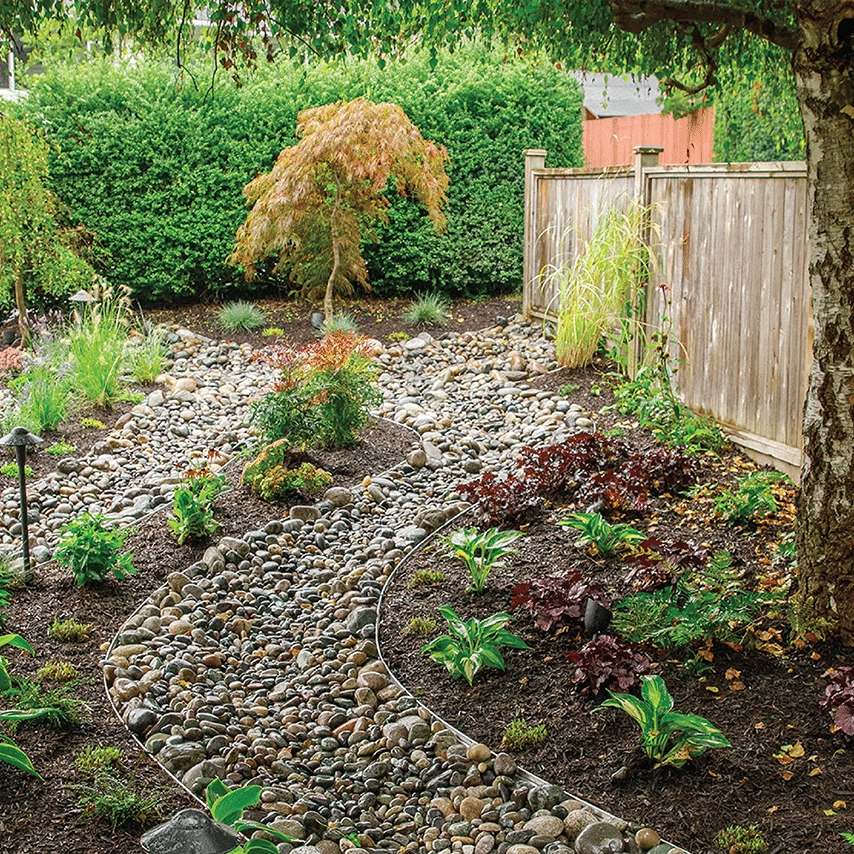
Gravel is another affordable option. It drains well, suppresses weeds if laid over landscape fabric, and comes in various colors and sizes. You can create a simple gravel patio or path with minimal effort. Just level the ground, lay down a weed barrier, and spread the gravel. Use edging made from wood or metal to keep it contained. Wood chips or bark mulch are also great for paths, especially in shady areas. They’re soft underfoot, smell amazing, and eventually break down to enrich the soil. Many tree-trimming companies will drop off wood chips for free if you ask. Check local listings or call arborists in your area. It’s a massive pile of free mulch that would otherwise end up in a landfill.
Don’t underestimate the power of vertical space either. If you have a small yard or a balcony, go up. Build a trellis using bamboo stakes or old branches tied together with twine. Grow climbing beans, peas, or clematis on it. Hang pots from fences or railings. Use an old ladder as a plant stand. These tricks maximize your growing area without taking up floor space. They also draw the eye upward, making the space feel larger and more lush. In 2026, vertical gardening is seen as a smart, space-saving strategy for urban and suburban homes alike. It’s practical, pretty, and often uses items you already have lying around.
Water Wisdom: Simple Systems for Dry Spells
Watering is one of the most tedious chores in gardening, and with climate patterns shifting, water conservation is more important than ever. In many parts of the world, summers are getting hotter and drier. Relying on a hose or sprinkler system is not only expensive but often inefficient. The good news is that simple DIY watering systems can save you time, money, and water. The goal is to get water directly to the roots where it’s needed, minimizing evaporation.
One classic trick is the ollas system. Ollas are unglazed clay pots buried in the soil next to your plants. You fill them with water, and the water slowly seeps out through the porous clay, keeping the soil moist. You can make your own version by burying a terracotta pot with a plug in the drainage hole, or even using plastic bottles. Poke small holes in the cap of a plastic bottle, bury it upside down next to your plants, and fill it with water. It acts as a slow-release drip irrigator. It’s not high-tech, but it works brilliantly for vegetable beds and container gardens.
Mulching is also critical for water retention. A thick layer of organic mulch (straw, leaves, wood chips) on top of your soil acts like a blanket. It keeps the sun from baking the moisture out of the earth. Aim for two to three inches of mulch around your plants, keeping it a few inches away from the stems to prevent rot. This simple step can reduce your watering needs by up to 50%. Additionally, consider installing a rain barrel. Many municipalities offer rebates or discounts on rain barrels in 2026 as part of sustainability initiatives. Connecting a downspout to a barrel lets you capture free water for your garden. It’s soft, chemical-free water that plants love. Plus, it reduces runoff during heavy storms.
Finally, think about how you actually live. A garden isn’t a museum exhibit; it’s an extension of your home. Design it for your lifestyle. Do you love cooking? Create a herb spiral or a small veggie patch near the kitchen door so you can grab basil or thyme while dinner is simmering. Do you have kids or pets? Leave open space for running around, and choose non-toxic, durable plants. Do you work from home? Set up a quiet corner with a comfortable chair and some screening plants for privacy and focus.
Lighting plays a huge role in extending the usability of your space. You don’t need hardwired electrical work. Solar-powered lights have come a long way in recent years. In 2026, they are brighter, last longer, and look much better than the cheap versions of the past. String solar fairy lights along a fence or pergola for a magical evening ambiance. Place solar path lights along walkways for safety. These small touches make your garden inviting at night, turning it into a true outdoor room.
And don’t forget seating. You don’t need a full patio set. A couple of sturdy stumps, a bench made from reclaimed wood, or even a hammock strung between two trees can create a cozy spot to relax. The goal is to make you want to go outside. When your garden is comfortable and functional, you’ll spend more time in it. And the more time you spend in it, the more you’ll notice what needs tending, what’s blooming, and what brings you joy. It becomes a place of rest, not just another item on your to-do list.
So, take a breath. Look at that yard again. It’s not a problem to be solved; it’s a canvas waiting for your touch. Start with one bed. Plant one seed. Sit in one spot. Let the rest wait. You’ve got this. And honestly? The imperfections are where the charm lives. Welcome home.