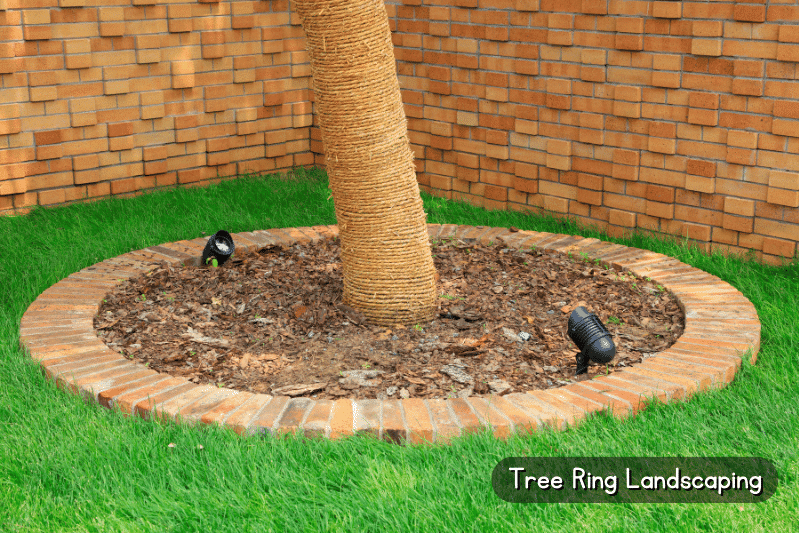

Ever look at that bare patch of dirt circling your favorite oak or maple and feel like something’s missing? It’s just… empty. Maybe it’s collecting weeds, or maybe the lawnmower keeps banging into the trunk, leaving ugly scars. We’ve all been there. You want it to look nice, but you don’t want to spend a fortune on plastic edging that’ll end up in a landfill in three years. And honestly, who has time for high-maintenance borders that need constant tweaking?
In 2026, the way we think about our yards is shifting. It’s not just about curb appeal anymore. It’s about creating spaces that work with nature, not against it. Tree rings—the circular beds around the base of your trees—are perfect spots to try this out. They’re small enough to manage but big enough to make a statement. By choosing natural, eco-friendly materials, you’re not just decorating; you’re helping your tree thrive. You’re improving soil health, reducing water runoff, and giving local wildlife a little hug. Let’s dig into some ideas that are kind to the earth and easy on the wallet.
The Magic of Mulch and Living Ground Covers
Let’s start with the simplest option: mulch. But not just any mulch. Think organic, locally sourced wood chips or shredded leaves. In recent years, arborists have pushed back against the old "volcano mulching" trend (piling it high against the trunk). Instead, they recommend a donut shape. Keep the mulch a few inches away from the bark to prevent rot and pest issues. This layer acts like a blanket, keeping roots cool in summer and warm in winter. Plus, as it breaks down, it feeds the soil. It’s a win-win.
But why stop at dead wood? Living ground covers are having a major moment in 2026. Plants like creeping thyme, clover, or native sedges create a soft, green carpet around your tree. They’re tough, drought-tolerant, and they don’t need mowing. Imagine stepping onto a patch of fragrant thyme instead of bare dirt. It smells amazing. These living borders also support pollinators. Bees love clover flowers. By planting them, you’re turning a dead zone into a mini ecosystem. Just make sure to pick plants that won’t compete too aggressively with your tree’s roots. Shallow-rooted perennials are your best friends here.
If you’re worried about maintenance, don’t be. Once established, these ground covers mostly take care of themselves. They suppress weeds naturally, which means less pulling and less chemical herbicide use. You might need to water them occasionally during the first season, but after that, they’re pretty self-sufficient. It’s lazy gardening in the best possible way. You get a lush, green look without the weekly chore list. And if your dog likes to run around the yard, sturdy options like mondo grass can handle a bit of traffic better than delicate flowers.
Stone and Gravel: Permeable and Permanent
Stone is classic for a reason. It lasts forever. But traditional concrete pavers can be harsh and impermeable, causing rainwater to sheet off rather than soak in. That’s bad for your tree and your local watershed. The solution? Dry-laid stone or gravel. These materials allow water to pass through, recharging the groundwater and keeping your tree’s roots happy. In 2026, permeable hardscaping is no longer a niche trend; it’s a standard best practice for smart homeowners.
Consider using local fieldstone or river rocks. They blend seamlessly with the surrounding landscape because, well, they’re from there. You don’t need mortar. Just lay them in a loose ring, leaving small gaps for water and air. This creates a rustic, timeless look that ages beautifully. Moss might even grow between the stones over time, adding to the charm. It’s low effort and high reward. Plus, stones absorb heat during the day and release it slowly at night, which can extend the growing season for any understory plants you add.
Gravel is another fantastic, budget-friendly option. A gravel edging kit can define the boundary clearly without blocking drainage. Use larger pea gravel or crushed stone for better stability. To keep it from spreading into your lawn, you can use a hidden metal or wooden edge buried just below the surface. Or, go fully natural by using larger stones as a border to contain the smaller gravel. This technique is great for modern or minimalist gardens. It looks clean and sharp. Just remember to rake it occasionally to keep it looking fresh. It’s a small task that makes a big difference.
Repurposed Wood and Natural Logs
Wood brings warmth to a garden. It feels organic and inviting. But new lumber can be expensive and often comes from unsustainable sources. That’s where repurposed wood shines. Old bricks, reclaimed fence posts, or even fallen logs from your own property can create stunning tree rings. In 2026, upcycling is huge. People are realizing that waste is just a resource in the wrong place. Using what you already have reduces carbon footprint and adds unique character to your yard.
Try using short sections of logs laid vertically or horizontally around the tree. This creates a rustic, cabin-like vibe. Cedar and redwood are naturally rot-resistant, but even pine can last a few years if you treat it lightly or accept its eventual decay as part of the cycle. As the wood breaks down, it returns nutrients to the soil. It’s a temporary border that evolves over time. If you want something more durable, look for reclaimed hardwoods or railroad ties (though be cautious with older ties treated with creosote, which can leach chemicals).
Another clever trick is using brushwood or wattle fencing. This involves weaving flexible branches between upright stakes. It’s an ancient technique that’s making a comeback. It’s incredibly cheap if you have access to pruned branches. The woven barrier holds mulch in place and looks artistic. It’s also permeable, so air and water move freely. Over time, the branches will decompose, but you can easily repair or replace sections. It’s a hands-on project that connects you to the land. You’re literally shaping your garden with your hands. There’s something deeply satisfying about that.
Living Edges with Native Shrubs and Ferns
Why have a hard border when you can have a soft one? Planting a ring of low-growing native shrubs or ferns creates a living edge that changes with the seasons. This approach is gaining traction among ecologists and designers alike. It provides habitat for birds and insects while defining the space. In 2026, biodiversity is a key metric for garden success. A monoculture lawn is out; layered, diverse plantings are in.
Ferns are excellent for shady spots under large canopy trees. They love the dappled light and moist soil. Varieties like Christmas fern or lady fern are tough and attractive. They form a lush, green skirt around the trunk. For sunnier locations, consider native ornamental grasses or low-growing shrubs like blueberry bushes or azaleas. These plants offer flowers, berries, and fall color. They turn the tree ring into a focal point rather than just a boundary.
The key here is choosing plants that coexist peacefully with your tree. Avoid species with aggressive root systems that might compete for water and nutrients. Stick to shallow-rooted, clumping plants. Also, consider the mature size of the plants. You don’t want them overtaking the tree or blocking its view. Pruning might be needed once or twice a year, but it’s minimal compared to mowing grass. This method creates a seamless transition from tree to lawn. It looks intentional and wild at the same time. It’s nature, curated.
DIY Recycled Materials: Bottles, Bricks, and Tires
Got a pile of old bricks from a renovation? Or a stash of glass bottles? Put them to work. DIY borders using recycled materials are not only eco-friendly but also incredibly creative. In 2026, personalization is key. People want their gardens to reflect their personality. Using found objects adds a quirky, artistic touch that store-bought edging just can’t match. It’s also virtually free if you scavenge wisely.
Glass bottles, buried neck-down, create a colorful, shimmering border. Blue and green bottles look particularly striking in the sunlight. They’re durable and weather-resistant. Just make sure to smooth any sharp edges if they’re exposed. Bricks can be laid in various patterns—herringbone, running bond, or stacked vertically. They offer a formal, structured look that contrasts nicely with the organic shape of the tree. If you have concrete chunks from a demolition, you can stack them for a rugged, industrial aesthetic.
What about old tires? They’re controversial due to potential leaching, but if used correctly, they can be safe. Paint them with non-toxic, outdoor-safe paint and fill them with soil to create a raised planter ring. This is great for growing annual flowers or herbs around the tree. It elevates the planting area, making it easier to tend. However, many gardeners in 2026 are moving away from tires due to microplastic concerns. If you choose this route, consider lining the inside with a natural fabric barrier. Or, better yet, opt for safer alternatives like stone or wood. The goal is to reduce harm, not just hide waste.
Creating the border is just the beginning. Keeping it healthy and beautiful requires a bit of ongoing care. But don’t worry, it doesn’t have to be a chore. The right design minimizes maintenance. For mulch beds, top them off once a year with fresh material. Check for signs of pests or disease on your tree trunk regularly. Ensure the mulch isn’t touching the bark. A simple visual check every few months is usually enough.
For living borders, water new plants regularly until they’re established. After that, native plants should thrive on rainfall alone. Prune them lightly to keep their shape and encourage bushiness. Remove any dead leaves or debris that accumulate in the ring. This prevents fungal issues and keeps the area tidy. If you’re using stone or gravel, rake it annually to level it out and remove any weeds that might have taken root. It’s a quick job that keeps the look crisp.
Remember, your tree is a living organism. Its needs change as it grows. Monitor the soil moisture and adjust your watering accordingly. Avoid compacting the soil around the roots by walking on it too much. Use stepping stones if you need to access the area frequently. In 2026, smart garden sensors can help you track soil health, but simple observation works just as well. Look at the leaves. Are they yellowing? Drooping? Your tree will tell you what it needs. Listen to it. Gardening is a conversation, not a monologue.
So, where do you start? Pick one tree. Just one. Try a simple mulch ring with some creeping thyme. See how it feels. Watch how the light hits it in the afternoon. Notice if the bees show up. Small steps lead to big changes. You don’t need to redo your entire yard overnight. Eco-friendly gardening is a journey, not a destination. It’s about making better choices, one ring at a time. And honestly, isn’t that what gardening is all about? Connecting with the earth, slowing down, and creating something beautiful that lasts. Go get your hands dirty. Your trees will thank you.