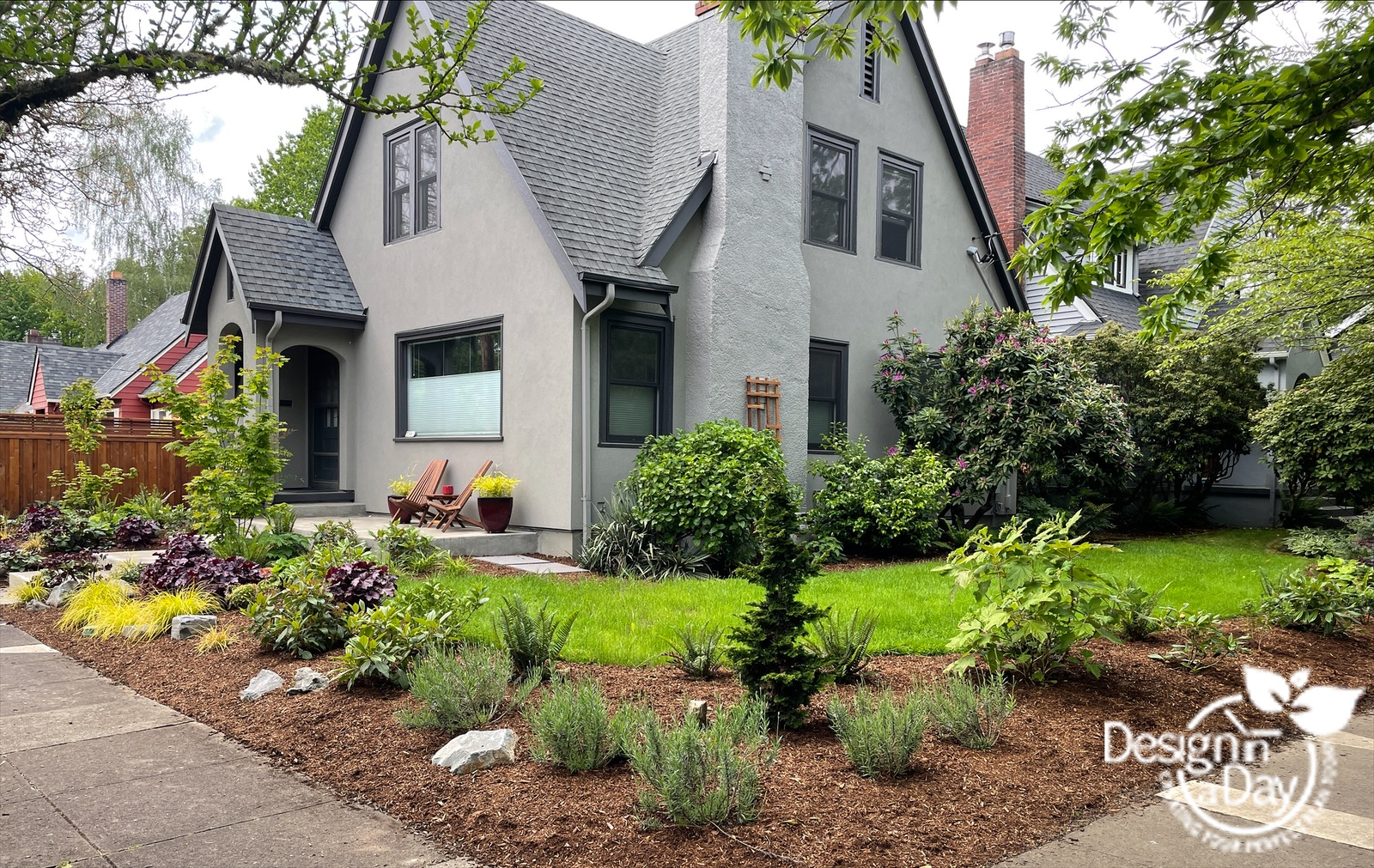

You know that feeling when you pull up to a house on a corner? It’s exposed. Naked, almost. Every car turning the slow right turn at the intersection gets a front-row seat to your life. For some homeowners, this is a nightmare of privacy loss. For others, it’s a blank canvas screaming for attention. But here’s the rub: if you block the view to create a sanctuary, you might be creating a hazard. If you leave it wide open for safety, it can feel like living in a fishbowl.
It’s a tricky dance. In 2026, urban planning guidelines are stricter than ever about "sight triangles"—those invisible zones where nothing can block a driver’s view. Yet, people still crave greenery. They want lush ferns and blooming hydrangeas, not just gravel and stop signs. So, how do you get both? How do you keep the neighbors safe while keeping your soul intact? It turns out, you don’t have to choose one or the other. You just have to be smarter about what you plant and where you put it.
Let’s be real. Most advice out there is dry. It talks about zoning codes and setback lines. Sure, those matter. But they don’t tell you how to make your home feel like home. This isn’t just about following rules; it’s about crafting a space that breathes. A space that says "welcome" to guests but "slow down" to speeding cars. It’s about finding that sweet spot between being seen and being serene.
Understanding the Sight Triangle
Before you dig a single hole, you need to understand the invisible box you’re working inside. Traffic engineers call it the "sight triangle." Imagine standing at the corner of the sidewalk. Now, look down the street. There’s a specific triangular area where your vision needs to be clear to see oncoming traffic. In most municipalities in 2026, this zone extends anywhere from 10 to 30 feet back from the intersection, depending on the speed limit of the road.
Why does this matter? Because if you plant a tall hedge here, you’re basically blindfolding drivers. And that’s dangerous. But here’s the good news: the sight triangle doesn’t mean "no plants." It means "low plants." Think of it as a layer cake. The bottom layer—the crust, if you will—has to be flat. This is where you put your ground covers, low shrubs, and ornamental grasses. Anything under 24 to 30 inches is usually fair game. This keeps the eyes of drivers level with the road, allowing them to spot pedestrians or other cars without obstruction.
Many people mess this up by planting young trees that seem small now but will grow into giants later. Always check the mature height. A sapling might look innocent today, but in five years, it could be a liability. Stick to plants that stay low naturally. Creeping juniper, daylilies, or even a nice patch of clover. These add texture and color without adding height. It’s about working with the geometry of the street, not fighting it.
The Art of Layered Landscaping
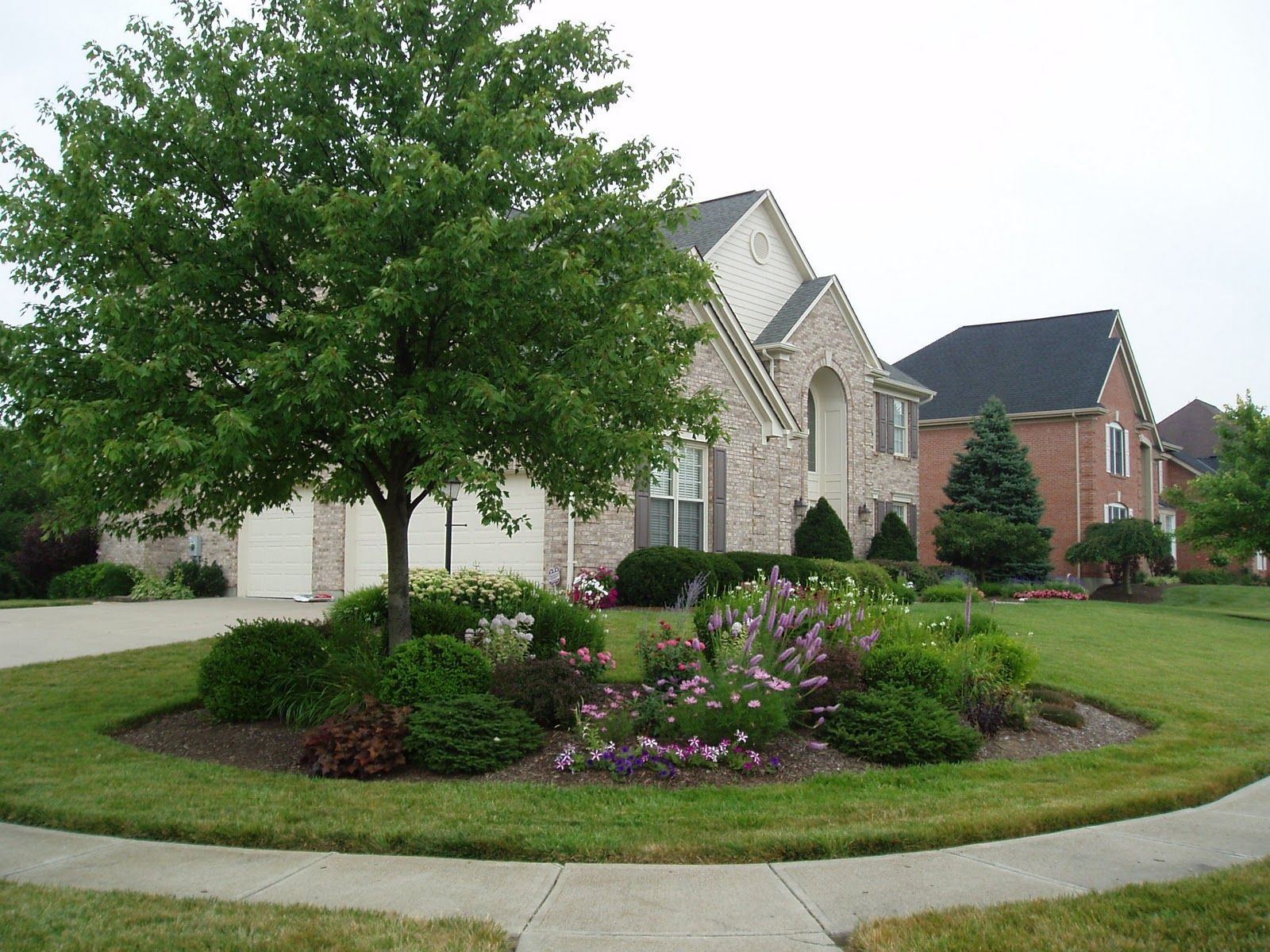
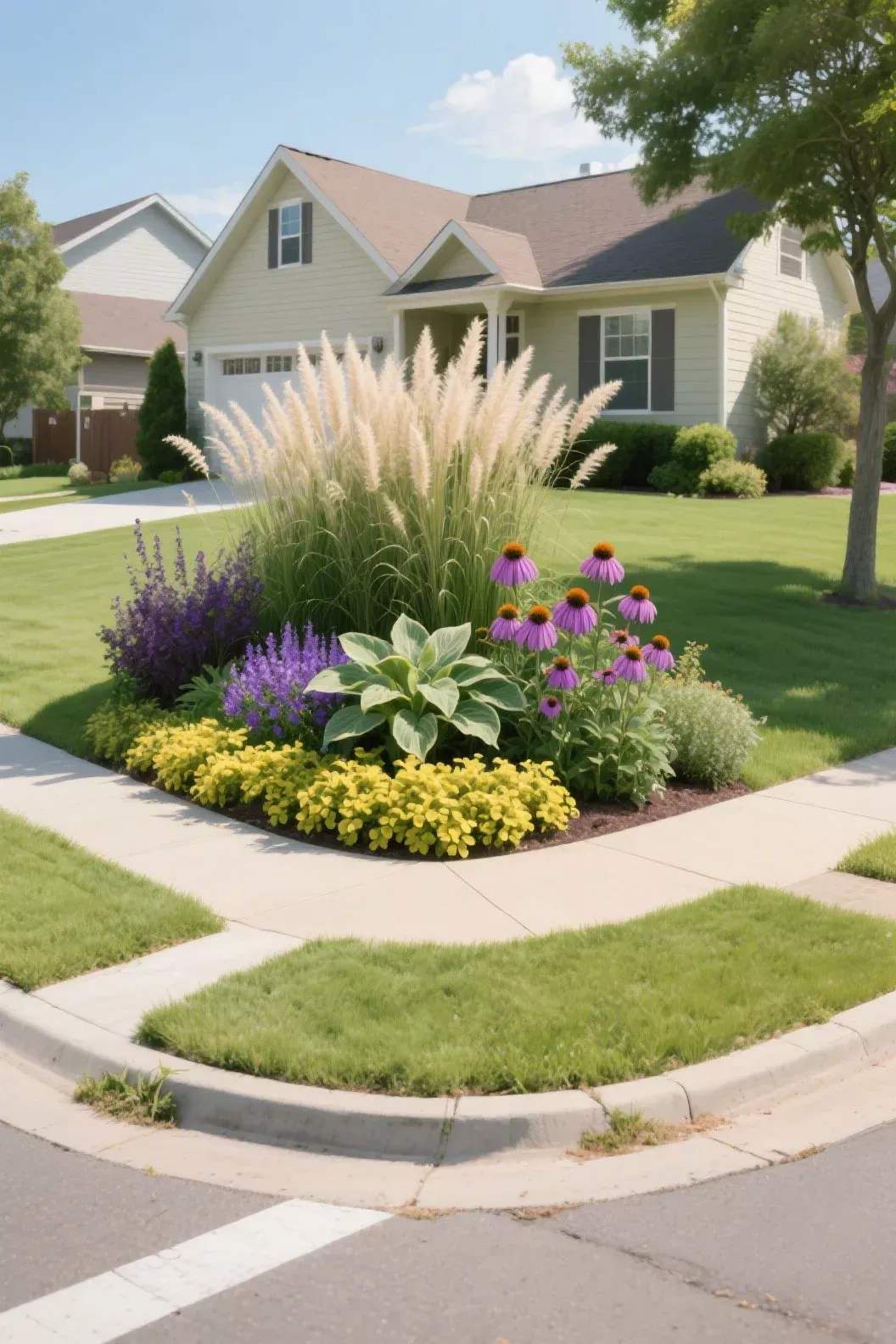
Once you’re outside that critical sight triangle, the fun begins. This is where you can start building vertical interest. The key word here is "layering." You don’t want a wall of green; you want a gradient. Start with those low ground covers we talked about near the curb. Then, move slightly back toward your house and introduce mid-height shrubs. Think boxwoods, azaleas, or dwarf spirea. These create a soft boundary that feels substantial but not imposing.
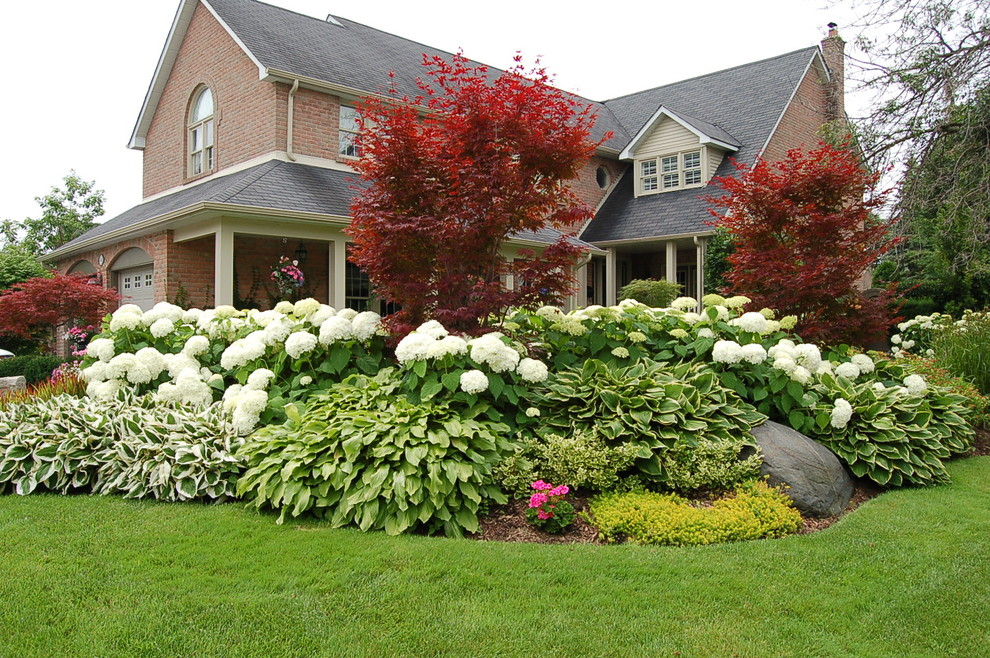
Further back, closer to your foundation or fence line, you can go taller. This is the spot for those statement trees or tall ornamental grasses. By placing the tallest elements furthest from the street, you create depth. It tricks the eye. From the road, the property looks lush and full, but because the foreground is open, it doesn’t feel cluttered or dangerous. It’s a classic design trick that architects have used for decades, and it works perfectly for corner lots.
Also, consider the seasons. In 2026, with climate shifts, many gardeners are opting for native plants that handle local weather better. But aesthetically, you want year-round interest. Don’t just plant spring bulbs that die off by June. Mix in evergreens for winter structure. Use plants with interesting bark or berries for the colder months. This ensures your corner property looks intentional and cared for, even when the snow is falling. It’s about consistency. A messy corner lot looks neglected; a layered one looks designed.
Hardscaping as a Visual Anchor
Plants are great, but they move. They grow, they die, they change shape. Hardscaping—things like stone, wood, and metal—provides the skeleton of your design. On a corner property, hardscaping can define spaces without blocking views. A low retaining wall made of natural stone, for instance, can mark the edge of your yard without rising above that crucial 30-inch limit. It adds weight and permanence to the landscape.
Paths are another huge opportunity. Instead of a straight concrete slab, try a curved walkway that leads from the sidewalk to your front door. This guides the eye and the foot traffic in a gentle arc. It softens the hard angles of the corner. Use materials that complement your home’s exterior. If you have a brick house, maybe use brick pavers. If it’s modern siding, consider sleek concrete or gravel. The goal is to make the transition from public street to private home feel seamless.
Lighting plays a role here too. In the evening, visibility is even more critical. Low-voltage path lights can illuminate your walkway, making it safe for visitors and highlighting your beautiful plants. But be careful not to glare into drivers’ eyes. Aim lights downward. Use warm-toned bulbs to create a cozy atmosphere. In 2026, solar-powered options are more efficient than ever, so you don’t need to worry about complex wiring. Just stake them in, let them charge, and enjoy the glow. It adds a layer of safety and beauty simultaneously.
Privacy Without the Fortress Effect
Let’s address the elephant in the room: privacy. Living on a corner means people can see into your side yard. It can feel like you’re on display. The instinct is to build a six-foot fence or plant a row of arborvitae. But remember the sight triangle? You can’t do that near the corner. So, what’s the solution? Strategic screening.
Instead of a solid barrier, use permeable screens. Lattice panels with climbing vines are a fantastic option. They break up the view without blocking it entirely. Light and air still pass through, so it doesn’t feel like a cage. You can place these further back on your property, away from the intersection. Another trick is to use "visual noise." Plant a mix of different textures and colors in your side yard. When the eye encounters a complex scene, it doesn’t focus on any one detail. It’s harder for passersby to peer into your windows if their eyes are distracted by a vibrant flower bed.
Consider raising the grade of your yard slightly. If your lawn is two feet higher than the sidewalk, you gain privacy naturally. People walking by are looking at your knees, not your living room. Combine this with low plantings, and you’ve created a buffer zone. It’s subtle, but effective. You’re not hiding; you’re just elevating your personal space. It’s a psychological shift as much as a physical one. You feel more secure, and the street feels more respectful of your boundary.
Choosing the Right Plants for 2026
Gardening isn’t what it used to be. With changing weather patterns and water restrictions in many areas, plant choice is critical. In 2026, the trend is heavily toward drought-tolerant, native species. These plants aren’t just eco-friendly; they’re often lower maintenance, which is a bonus for busy homeowners. For corner lots, you want plants that are tough. They’ll deal with exhaust fumes, road salt in the winter, and the heat radiating off the asphalt.
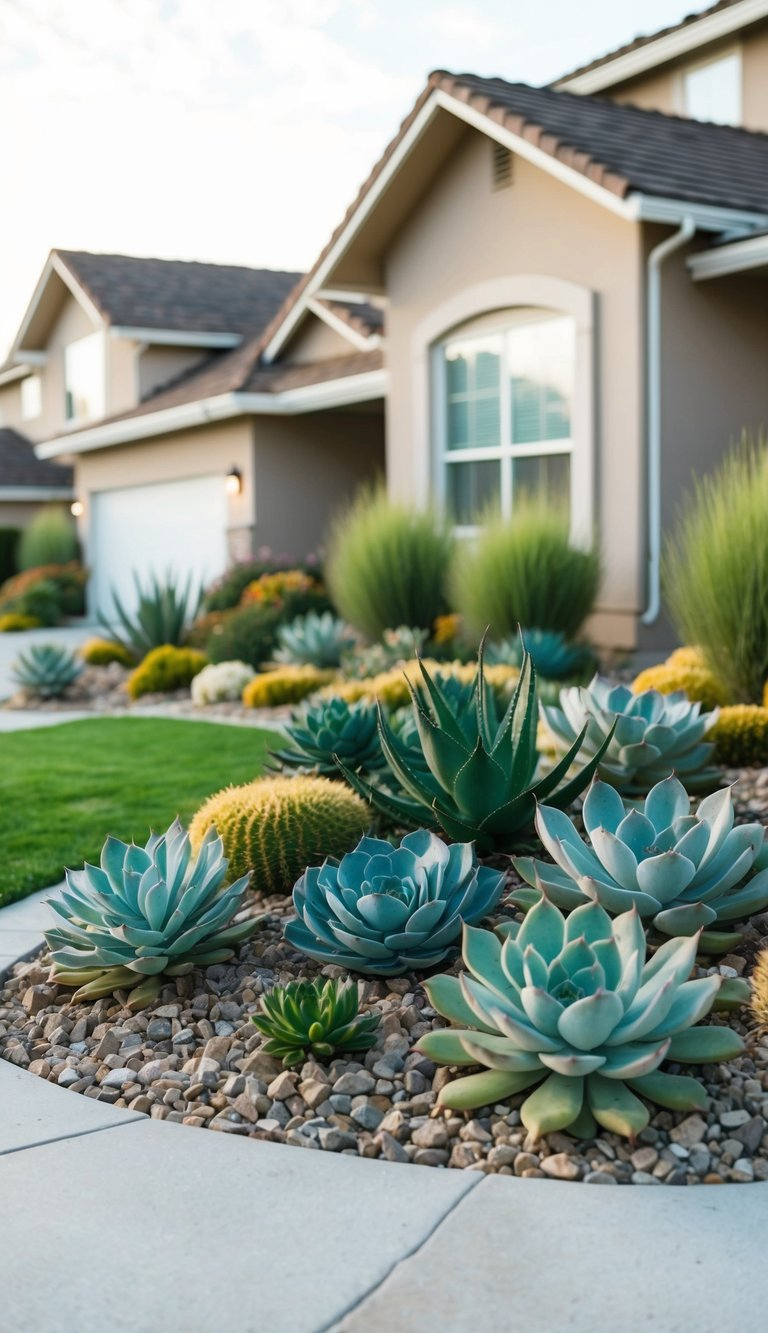
Lavender is a superstar here. It stays low, smells amazing, and loves the sun. Ornamental grasses like fescue or blue oat grass add movement and texture without getting too tall. Succulents are also making a comeback in warmer climates, providing sculptural shapes that look great year-round. Avoid invasive species that might spread into the street or neighbor’s yard. You want a contained, tidy look.
Also, think about maintenance access. Corner lots get trimmed by city crews or HOA landscapers. If you plant delicate flowers right on the edge, they might get mowed down. Leave a small buffer of mulch or tough ground cover right along the sidewalk edge. This protects your prized plants from accidental trimmers. It’s a small detail, but it saves heartache. Choose plants that can take a hit. Resilience is key. A battered plant looks sad; a thriving one looks proud.
A beautiful corner property doesn’t happen by accident. It requires upkeep. But it doesn’t have to be a chore. The secret is designing for ease. Mulch is your best friend. It keeps weeds down, retains moisture, and gives a finished look. Refresh it once or twice a year. Keep your edges crisp. A clean line between the grass and the flower bed makes everything look sharper. It signals care.
Pruning is essential, especially for those mid-layer shrubs. Keep them within their designated height. Don’t let them creep into the sight triangle. Regular trimming keeps the layers distinct. If a plant gets too big, replace it. Don’t fight nature. If a tree is growing too fast, swap it for a dwarf variety. It’s easier to start over than to constantly battle a plant that wants to be somewhere else.
Finally, step back and look at your property from the street. Often. Walk around the block. See what the drivers see. Does it look inviting? Is it clear? Does it reflect your style? Adjust as needed. Gardens are living things. They change. Your taste might change too. That’s okay. The goal isn’t perfection; it’s harmony. A balance between the wildness of nature and the order of the street. Keep tweaking until it feels right.
So, there you have it. Balancing visibility and beauty on a corner lot isn’t about compromise. It’s about creativity. It’s about understanding the rules and then dancing around them. Use low plants near the street, layer your heights, add hardscape for structure, and choose tough, native plants. Keep it maintained, but let it breathe. Your corner property can be a showcase, not a sacrifice. It can be safe, sure, but it can also be stunning. And honestly? Isn’t that what we all want? A place that feels good to come home to, and looks good doing it.